
Are you an avid backyard farmer or passionate about raising healthy ducks? If so, you’re likely no stranger to the importance of fertilized eggs in ensuring successful hatching rates. But did you know that duck fertilized eggs offer even more benefits beyond just higher hatchability? For one, they can result in better-quality chicks, thanks to the natural process of fertilization. Additionally, using fertilized eggs is a more environmentally friendly option compared to buying eggs from commercial farms.
In this article, we’ll delve into the world of duck fertilized egg production and explore its numerous advantages. We’ll discuss how to collect, store, and raise these precious eggs at home, giving you the knowledge you need to take your backyard farm or duck-raising endeavors to the next level. Whether you’re a seasoned farmer or just starting out, this guide will walk you through everything you need to know about incorporating fertilized duck eggs into your poultry-keeping routine.
Understanding Duck Fertilized Eggs
So you’re curious about how duck fertilized eggs are made, and what’s so special about them? Let’s dive into the process of creating these unique eggs.
What are Duck Fertilized Eggs?
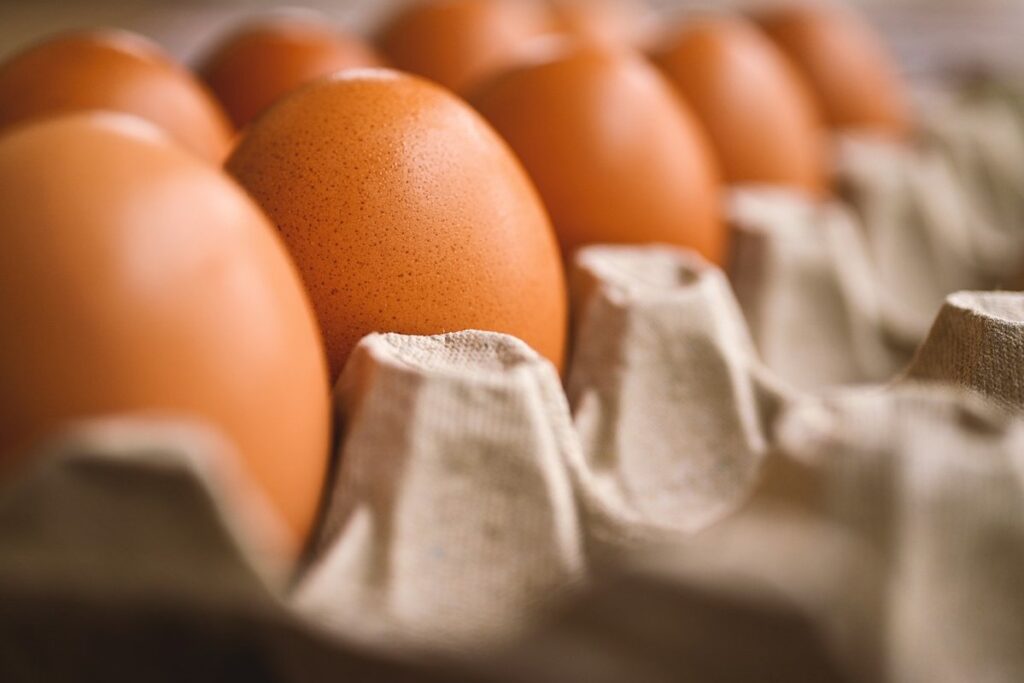
Duck fertilized eggs are a unique and fascinating product that offers numerous benefits for consumers. In essence, they are eggs produced by ducks that have been naturally or artificially inseminated with sperm from a male duck. This process allows the egg to develop fully, just like any other egg, but with the added benefit of being a self-contained fertilized embryo.
The production process of duck fertilized eggs involves careful breeding and management of the ducks, as well as precise timing and monitoring of the fertilization process. Artificial insemination is often used in commercial operations, where it allows for greater control over the breeding process and ensures consistent quality. Some small-scale producers may opt for natural mating, but this method requires more labor and attention to detail.
It’s essential to note that duck fertilized eggs are not the same as chicken fertilized eggs or other types of embryonated eggs. They have a distinct texture and appearance, with a slightly thicker shell and a firmer white.
Importance of Fertilization in Egg Production
Fertilization plays a crucial role in duck egg production as it ensures the development of healthy chicks. When eggs are fertilized, they contain the necessary genetic material to support the growth and development of the embryo. This process significantly impacts hatching rates, with fertilized eggs having a much higher success rate than unfertilized ones.
In fact, studies have shown that the hatching rate for fertilized duck eggs can reach up to 90%, compared to around 10% for unfertilized eggs. Furthermore, fertilization also contributes to better chick quality, with healthy and robust chicks emerging from fertilized eggs.
To achieve optimal fertilization rates, breeders should ensure that their ducks are healthy, well-nourished, and in good breeding condition. A suitable breeding environment with proper lighting, temperature control, and hygiene practices is also essential for successful fertilization. By paying attention to these factors, duck farmers can increase the chances of successful hatching and produce high-quality chicks.
Difference Between Duck Fertilized Eggs and Regular Duck Eggs
When it comes to choosing duck eggs, you may have come across terms like “duck fertilized eggs” and “regular duck eggs.” While both types of eggs come from ducks, there are significant differences between them. The main distinction lies in their origin: regular duck eggs are laid by hens that haven’t been bred with a rooster, while duck fertilized eggs are laid by hens that have been exposed to a rooster.
In terms of nutritional content, duck fertilized eggs and regular duck eggs are relatively similar. Both types contain high-quality protein, vitamins A, D, E, K, and B12, as well as essential minerals like calcium, iron, magnesium, and potassium. However, duck fertilized eggs may have a slightly higher omega-3 fatty acid content due to the presence of rooster sperm.
In terms of uses, duck fertilized eggs are often preferred by farmers who want to preserve genetic diversity within their flocks. Regular duck eggs, on the other hand, can be used for cooking, baking, and making various egg-based products like mayonnaise and ice cream.
Advantages of Using Duck Fertilized Eggs
Now that we’ve discussed how duck fertilized eggs are produced, let’s explore the benefits you can gain from using them in your daily life.
Increased Hatching Success Rates
Using duck fertilized eggs can be a game-changer for backyard chicken keepers and farmers looking to boost their hatching success rates. Unlike store-bought eggs, which are often collected from hens that may not have mated or been exposed to males, duck fertilized eggs ensure that the embryo has had the best possible start in life.
One key advantage of using duck fertilized eggs is that they provide a higher concentration of sperm, increasing the chances of successful fertilization. This can be particularly beneficial for farmers who rely on hatching as part of their business model. In fact, studies have shown that duck fertilized eggs can result in hatch rates up to 20% higher than store-bought eggs.
To incorporate duck fertilized eggs into your breeding program, you’ll need to source them from a reputable supplier. Look for breeders who prioritize the welfare and well-being of their ducks, as this will translate to healthier eggs and higher hatching success rates. With proper storage and handling, duck fertilized eggs can be just as reliable as store-bought eggs, giving you the best possible chance at successful hatchings.
Better Chick Quality
When it comes to the quality of chicks, duck fertilized eggs have been shown to produce healthier and more robust birds. One key advantage is that ducks are less prone to diseases such as Marek’s disease compared to chickens. This is due in part to the stronger immune system that duck-sired chicks inherit.
In terms of physical characteristics, duck fertilized eggs tend to result in chicks with a more diverse range of traits, including plumage patterns and egg-laying abilities. For example, some breeds such as the Khaki Campbell have been known to produce chicks with exceptional laying ability when sired by ducks.
In addition to their physical attributes, chicks from duck fertilized eggs also exhibit more natural behaviors. They are often more curious and active, exploring their surroundings without fear or hesitation. This is a direct result of their genetic makeup and the environment in which they were incubated.
To take advantage of these benefits, backyard chicken enthusiasts can start by sourcing duck fertilized eggs from reputable breeders. It’s essential to research different breeds and choose one that suits your specific needs and preferences.
Environmental Benefits
One of the most significant advantages of using duck fertilized eggs is their environmental benefits. These eggs offer a more sustainable alternative to traditional fertilizers, reducing waste and minimizing carbon emissions.
For instance, duck fertilized eggs are often used as an organic fertilizer for gardens and agricultural fields. This method eliminates the need for synthetic chemicals, which not only harm the environment but also deplete soil nutrients over time. On the other hand, duck fertilized eggs provide a natural source of nitrogen, phosphorus, and potassium – essential elements that promote healthy plant growth.
In addition to reducing waste and emissions, using duck fertilized eggs can help improve soil structure and fertility. The high nitrogen content in these eggs encourages the development of beneficial microorganisms in the soil, leading to improved water retention and overall ecosystem health. This makes them an attractive option for environmentally conscious farmers and gardeners looking to reduce their ecological footprint.
As you consider incorporating duck fertilized eggs into your fertilizer routine, remember to store them properly to maximize their nutritional value.
The Process of Collecting and Storing Duck Fertilized Eggs
Once you’ve gathered your duck fertilized eggs, it’s essential to store them properly to preserve their quality and nutritional value for future use. This process involves careful handling and storage techniques.
Collection Methods
Collecting duck fertilized eggs requires a combination of manual collection and automated egg collection systems. Manual collection involves regular checks on the nesting boxes to identify freshly laid eggs. This method is often used for small-scale operations where the number of ducks is limited.
Automated egg collection systems, on the other hand, are ideal for large-scale farms. These systems use sensors and cameras to detect the presence of an egg in the nesting box, triggering a mechanical arm to collect it. Automated systems reduce labor costs, minimize the risk of contamination, and improve efficiency.
Some popular automated egg collection systems include conveyor belts, vibrating trays, and robotic arms. When choosing an automated system, consider factors such as the size of your farm, the breed and number of ducks, and your budget. Regular maintenance is also essential to ensure the system operates smoothly and effectively. With a well-designed automated system in place, you can efficiently collect duck fertilized eggs while minimizing labor costs and improving productivity.
Storage Requirements
To maintain the quality and viability of duck fertilized eggs, proper storage conditions are crucial. The ideal temperature for storing duck fertilized eggs is between 50°F to 55°F (10°C to 13°C), which helps slow down embryonic development. This temperature range also reduces the risk of bacterial contamination and fungal growth.
It’s essential to keep the storage area away from direct sunlight, moisture, and extreme temperatures. You should store the eggs in a single layer, pointed end up, to prevent damage and ensure even cooling. The storage container or tray should be clean, dry, and well-ventilated to prevent moisture buildup.
For example, you can use plastic containers or specialized egg cartons with individual compartments to maintain humidity control. It’s also important to label the eggs clearly with collection dates and any relevant information for tracking purposes. By following these guidelines, you’ll be able to store duck fertilized eggs safely and extend their viability period until transfer to a incubator or other suitable environment.
Handling and Transportation Best Practices
When handling and transporting duck fertilized eggs, it’s essential to follow best practices to prevent damage or contamination. This is crucial not only for maintaining the quality of the eggs but also for ensuring the health and well-being of the recipient animals.
Firstly, duck fertilized eggs must be handled gently to avoid cracking or breaking. It’s recommended that egg handlers wear gloves to prevent oils from their skin from coming into contact with the eggs, which can cause damage to the embryo inside. When transporting the eggs, it’s best to use specialized cartons or containers that are designed specifically for this purpose.
The temperature and humidity levels during transportation should also be controlled to ensure a stable environment for the developing embryos. Typically, duck fertilized eggs should be stored at temperatures between 55°F to 60°F (13°C to 15°C) with moderate humidity levels. This will help prevent moisture from entering the egg through any cracks or imperfections.
To minimize the risk of contamination, it’s recommended that duck fertilized eggs are transported in a way that prevents them from coming into contact with potential sources of bacteria, such as feed or bedding materials. Handlers should also be aware of any potential allergens or pathogens present in the transport area and take necessary precautions to prevent exposure.
When receiving duck fertilized eggs, it’s essential to inspect them carefully for any signs of damage or contamination before storing them properly. This may involve checking for visible cracks, blood spots, or other irregularities on the eggshell surface. Proper storage conditions should be maintained throughout the incubation period to ensure optimal development and hatching success.
In summary, handling and transporting duck fertilized eggs requires attention to detail and a commitment to best practices. By following these guidelines, you can help minimize the risk of damage or contamination and ensure the health and well-being of your recipient animals.
Tips for Raising Duck Fertilized Eggs at Home
To ensure a successful duck fertilized egg hatching experience, keep your eggs safe from extreme temperatures and maintain humidity levels between 50-60% in their incubation environment.
Creating a Suitable Environment
When raising duck fertilized eggs at home, it’s essential to create an environment that mimics their natural habitat as closely as possible. This will not only improve the chances of successful incubation but also ensure the health and well-being of both the eggs and the ducks.
To start with, you’ll need to control the temperature in your duck egg incubator or designated hatching area. The ideal temperature for duck fertilized eggs is between 99°F (37°C) and 100°F (38°C) during the first 24-28 days of incubation. This can be achieved using a thermostat-controlled heat source, such as a heating mat or ceramic heat emitter.
Maintaining humidity levels is also crucial. The ideal humidity level for duck eggs is around 50-60%. You can achieve this by misting the incubator with water daily or placing a damp cloth in the hatching area. It’s essential to monitor temperature and humidity levels closely, as extreme fluctuations can negatively impact the development of the embryo.
By following these guidelines and creating a suitable environment for your duck fertilized eggs, you’ll be well on your way to successfully raising healthy, fertile ducklings at home.
Nutritional Requirements
When it comes to raising duck fertilized eggs at home, providing a balanced and nutritious diet for your ducks is essential for their overall health and fertility. Ducks have specific nutritional requirements that need to be met, particularly when producing eggs.
A duck’s diet should consist of 50-60% grains such as oats, barley, or wheat, which provide energy and fiber. The remaining 40-50% should include protein-rich foods like corn, soybeans, or alfalfa meal. It’s also crucial to supplement their diet with essential vitamins and minerals like calcium for strong eggshells and vitamin D3 for overall health.
You can also consider adding fresh vegetables and fruits to your duck’s diet, such as leafy greens, carrots, and apples. However, be sure not to overfeed them, as this can lead to obesity and other health issues. A good rule of thumb is to provide 1/4 cup of grains per pound of body weight per day.
For example, a 5-pound duck would need about 1 cup of grains daily. Also, make sure your ducks have access to clean water at all times. Freshwater fish meal or kelp meal can be added as a treat in small amounts.
Health Considerations
When raising duck fertilized eggs at home, it’s essential to be aware of common health issues that can affect ducks. As a responsible egg producer, you want to ensure the overall well-being of your feathered friends while also maintaining the quality and safety of your eggs.
One critical aspect to consider is the risk of avian influenza (AI). AI can spread quickly among ducks, so it’s crucial to take precautions such as isolating new birds, practicing good hygiene, and getting them vaccinated if necessary. Regular monitoring for symptoms like lethargy, loss of appetite, and labored breathing will help you catch any potential issues early on.
Another common health concern is mites and lice infestations. These pesky parasites can weaken your ducks’ immune systems and lead to stress, which can ultimately affect egg production and quality. To prevent this, ensure a clean environment by regularly cleaning the coop and changing bedding materials.
Regular veterinary check-ups are also vital in maintaining your duck’s health. A healthy flock is essential for producing high-quality eggs, so don’t hesitate to reach out to a professional if you notice any unusual behavior or signs of illness. By taking proactive steps to address potential health issues, you’ll be well on your way to raising happy and healthy ducks that will reward you with an abundance of fresh, nutritious eggs.
Frequently Asked Questions (FAQs) About Duck Fertilized Eggs
Below, you’ll find some of the most common questions we get asked about duck fertilized eggs, along with our answers to help clarify any concerns.
What is the Difference Between Natural and Artificial Fertilization?
When it comes to duck fertilized eggs, understanding the difference between natural and artificial fertilization is crucial. Natural fertilization occurs when a rooster mates with a hen, allowing for the release of sperm into the reproductive tract of the female bird. This process can be done on-farm or in a controlled breeding program.
Artificial fertilization, on the other hand, involves manually collecting semen from a rooster and inserting it directly into an egg using a specialized device called a ‘fertile egg injector’ or insemination gun. While natural fertilization is more common in traditional poultry farming, artificial fertilization offers greater control over genetics and can increase fertility rates.
The choice between natural and artificial fertilization often depends on the farm’s specific needs and goals. For example, if you’re looking to breed ducks with specific traits, artificial fertilization may be a better option. However, if you prefer a more traditional approach or have limited resources, natural fertilization is still a viable choice.
It’s worth noting that both methods require proper handling and storage of the eggs and sperm to ensure successful fertilization and healthy chick development.
Can I Use Duck Fertilized Eggs for Hatching?
When it comes to using duck fertilized eggs for hatching, many enthusiasts and farmers have questions about their viability and success rates. While duck eggs can be used for incubation, it’s essential to understand that they might not perform as well as chicken eggs in terms of hatchability.
Studies suggest that the hatchability rate for duck eggs is lower compared to chicken eggs, typically ranging from 40% to 60%. This reduced viability can be attributed to factors such as egg size, breed, and handling practices. For example, Muscovy ducks tend to have a lower hatchability rate than Khaki Campbells.
To increase the chances of successful hatching with duck fertilized eggs, it’s crucial to maintain optimal incubation conditions, including temperature control (around 99°F for 24 hours), humidity levels between 50-60%, and proper egg handling. Additionally, selecting high-quality, fertile eggs from reputable breeders can also contribute to improved hatch rates. With careful attention to these factors, you can still achieve successful hatching with duck fertilized eggs.
Are There Any Regulations or Laws Governing the Sale of Duck Fertilized Eggs?
In most countries, there are regulations governing the sale of duck fertilized eggs. These laws vary depending on the region and type of product being sold. For instance, some jurisdictions require that duck fertilized eggs be labeled as “fertilized” or “contains embryos.” In other places, there may be restrictions on the sale of duck fertilized eggs altogether.
To comply with these regulations, producers and sellers of duck fertilized eggs must familiarize themselves with local laws. This can involve obtaining necessary permits, adhering to labeling requirements, and conducting regular inspections to ensure products meet quality standards. For example, in some states in the US, duck fertilized eggs are considered food products and subject to regular inspection by state agriculture departments.
When it comes to selling duck fertilized eggs, producers should also be aware of any zoning restrictions or ordinances that may impact their business operations. This includes ensuring compliance with local health and safety codes.
Frequently Asked Questions
Can I Use Duck Fertilized Eggs for Hatching if My Ducks are Not Breeders?
Yes, you can still use duck fertilized eggs from non-breeder ducks for hatching. However, the success rate may vary depending on factors like the age and health of the mother duck, as well as the quality of care provided to the eggs. It’s essential to research the best practices for using non-breeder duck eggs for hatching.
What are the Storage Requirements for Duck Fertilized Eggs?
Proper storage is crucial to maintain the viability of duck fertilized eggs. Store them in a cool, dry place with consistent temperatures between 50°F and 60°F (10°C and 15°C). Keep them away from direct sunlight and moisture. For longer-term storage, consider using a refrigerator or a dedicated egg incubator.
How Do I Ensure the Quality of Duck Fertilized Eggs?
To ensure the quality of duck fertilized eggs, inspect them regularly for any visible cracks, damage, or signs of bacterial contamination. Keep them clean and dry to prevent moisture-related issues. Monitor the storage conditions closely, as extreme temperatures or humidity can compromise egg viability.
Can I Mix Duck Fertilized Eggs with Regular Duck Eggs?
While it’s technically possible to mix duck fertilized eggs with regular duck eggs, it may not be the most recommended approach. Duck fertilized eggs have a higher hatching success rate and better chick quality due to natural fertilization. Mixing them with unfertilized eggs might dilute these benefits.
What are the Regulations or Laws Governing the Sale of Duck Fertilized Eggs?
Regulations regarding duck fertilized eggs can vary by country, state, or region. Check with your local authorities for specific laws and guidelines on selling duck fertilized eggs as a product. In some areas, they may be considered specialty items or subject to certain restrictions.
How Long Do I Need to Store Duck Fertilized Eggs Before Hatching?
The storage duration for duck fertilized eggs depends on factors like the age of the embryo, egg quality, and storage conditions. Generally, it’s recommended to store them at room temperature (around 70°F to 75°F or 21°C to 24°C) for 7-10 days before moving them to an incubator. However, this can vary depending on individual circumstances.