
Ducks have been a part of our lives for centuries, bringing joy and entertainment to millions. But did you know that there’s more to these feathered friends than meets the eye? From their rich history to their fascinating behavior, ducks are far more intelligent and complex creatures than we often give them credit for. In fact, research has shown that certain duck species are capable of solving problems and adapting to new environments with remarkable ease.
In this article, we’ll dive into the incredible world of ducks, exploring their evolution, diet, conservation status, and behavior. We’ll also examine some surprising facts about these birds’ intelligence and social interactions. Whether you’re a seasoned birdwatcher or just a curious learner, get ready to discover the fascinating secrets behind these charismatic creatures and what they teach us about ourselves.
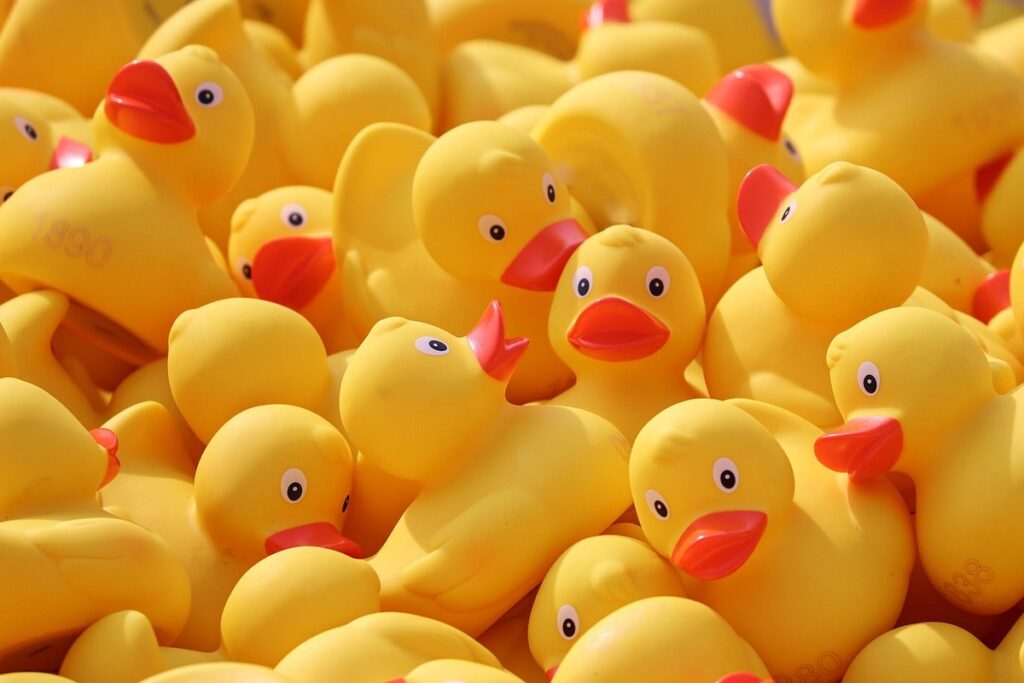
The History of Domesticated Ducks
Let’s dive into the fascinating history of domesticated ducks, from their origins as wild waterfowl to becoming beloved pets and farm animals around the world. We’ll explore how this remarkable transformation occurred over time.
Ancient Origins
The domestication of ducks dates back thousands of years to ancient civilizations such as Egypt and China. In these cultures, ducks were highly valued for their meat, eggs, and feathers. The earliest evidence of duck domestication comes from a 3,000-year-old tomb in Ancient Egypt, where ducks were found buried alongside their owners.
Similarly, in Ancient China, ducks were considered a luxury item and were often kept on palace grounds. These early duck breeders likely selected for desirable traits such as docility, egg-laying ability, and plumage quality, laying the foundation for modern domesticated duck breeds.
Interestingly, some of these ancient duck breeds still exist today, with many being recognized by poultry associations around the world. For example, the Khaki Campbell is a direct descendant of ducks kept on Chinese palace grounds during the 19th century. By studying the history of duck domestication, we can gain insight into the breeding practices and selection criteria used to develop these remarkable birds.
Breeding and Selective Breeding
The emergence of various duck breeds over time can be attributed to selective breeding for specific traits. Breeders have been working with ducks for thousands of years, gradually developing different breeds that excel in particular areas, such as egg-laying ability or feather coloration.
For instance, the Khaki Campbell is a popular breed known for its exceptional egg-laying abilities, producing around 300 large eggs per year. This is due to selective breeding aimed at enhancing fertility and reproductive efficiency. On the other hand, breeds like the Wood Duck are prized for their vibrant plumage, with distinctive colors used in various decorative arrangements.
To understand how different duck breeds came about, let’s consider the concept of selective breeding. Breeders begin by identifying desirable traits within a population, such as increased egg production or better disease resistance. They then implement strategies to amplify these characteristics through controlled mating and careful observation. With patience and dedication, breeders can create unique breeds that excel in specific areas.
The process of selective breeding is not limited to ducks; it’s a fundamental principle used in animal husbandry across various species. However, the distinct traits and preferences associated with each duck breed make their development particularly intriguing.
Physical Characteristics and Behaviors
Let’s dive into some fascinating aspects of ducks, including their unique physical characteristics, such as plumage and beak shapes. We’ll also explore some intriguing behaviors that set them apart from other waterfowl.
Unique Feathers and Skin
One of the most fascinating aspects of ducks is their unique feathers and skin. Not only do they come in an astonishing array of colors and patterns, but these amazing features also play a crucial role in their survival. Let’s take a closer look at what makes duck feathers and skin so special.
Duck feathers are incredibly water-repellent, thanks to the structure of their microscopic barbs. These tiny hairs overlap each other, forming a tight seal that prevents water from penetrating to the skin underneath. This remarkable property allows ducks to stay dry even when submerged in water for extended periods. In fact, studies have shown that some duck species can spend up to 30 minutes underwater without getting a single drop on their feathers.
But how do ducks keep their feathers so clean and well-maintained? The answer lies in the small glands located above their tails called preen glands. These glands secrete an oily substance that ducks use to coat their feathers, repelling water even further and keeping them looking sleek and shiny. By regularly applying this special oil, ducks are able to stay protected from the elements and maintain their impressive plumage.
Ducks’ skin is also noteworthy for its unique properties. While it’s not as remarkable as their feathers, it does play a crucial role in regulating their body temperature. Ducks have a layer of fat underneath their skin called “prenuptial fat,” which helps insulate them from the cold. This special adaptation allows them to stay warm even in freezing temperatures.
By paying attention to your duck’s feather care and maintenance, you can help keep its plumage looking healthy and vibrant. Regular preening sessions with a gentle oil or conditioner can go a long way in keeping those feathers shining bright.
Webbed Feet and Swimming Abilities
One of the most fascinating physical characteristics of ducks is their webbed feet. These remarkable appendages are perfectly suited for swimming and play a crucial role in enabling ducks to navigate through water with incredible efficiency.
The unique webbing between the toes allows ducks to propel themselves through the water with minimal effort, making them some of the fastest swimmers among all birds. This is particularly evident in species like mergansers and harlequin ducks, which are known for their sleek, streamlined bodies and powerful tails that help them cut through the water.
Different duck species exhibit varying swimming styles, from the rapid-fire kicking of wood ducks to the gliding motion of Muscovy ducks. For example, some species use a “paddling” motion with their webbed feet, while others employ a more efficient “kick-and-glide” technique. By observing these different swimming styles, we can gain insights into the unique adaptations that have evolved in various duck populations to suit their specific aquatic environments.
Whether you’re watching ducks swim in a serene pond or observing them in their natural habitat, it’s clear that their webbed feet are an essential component of their remarkable ability to thrive in water.
Interesting Facts About Duck Intelligence
Ducks are often underestimated when it comes to their intelligence, but they’re actually quite clever creatures. Let’s dive into some fascinating facts that prove just how smart ducks can be!
Problem-Solving and Learning Capabilities
When it comes to problem-solving and learning capabilities, ducks are often underestimated. However, research has shown that they possess impressive cognitive abilities. For instance, studies have demonstrated that mallard ducks can solve simple problems, such as figuring out how to access food hidden behind a barrier.
Ducks also exhibit remarkable adaptability when it comes to new situations. In one experiment, domesticated ducks were placed in a novel environment and showed a rapid adjustment to the new surroundings. This ability to learn from experience is crucial for survival in the wild, where changes in weather, predators, or food availability require quick thinking.
Interestingly, research suggests that ducks’ problem-solving skills are not limited to simple tasks. They have been observed using tools, such as sticks and rocks, to achieve a goal, similar to primates and dolphins. While their cognitive abilities may not be as complex as those of some mammals, ducks’ intelligence is certainly worth appreciating.
To encourage your own duck’s problem-solving skills, try providing puzzles or toys that challenge them mentally. You can also rotate your backyard’s layout to simulate new environments, promoting exploration and adaptability.
Communication Methods and Vocalizations
When it comes to communication, ducks are surprisingly complex and multifaceted creatures. They use a variety of methods to convey messages to one another, including quacking, body language, and visual displays.
Quacking is perhaps the most obvious form of duck communication, but it’s also incredibly nuanced. Different types of quacks can indicate aggression, fear, or even warning calls for potential predators. For example, a mother duck will use a unique quack to call her brood together when they’re foraging or in danger.
Body language is another key component of duck communication. A raised wing, for instance, can signal dominance or agitation, while a lowered head may indicate submission. Visual displays are also used to convey information and attract mates. During courtship, males will perform elaborate displays, such as spreading their tails or puffing out their chests.
By paying attention to these various forms of communication, you can better understand and interact with ducks. For example, if you’re approaching a group of ducks on the water, be mindful of your body language and keep a safe distance to avoid startling them.
Diet and Nutrition in Ducks
When it comes to keeping your feathered friends happy and healthy, providing the right diet is crucial. We’ll explore what ducks should eat and how nutrition impacts their well-being.
Omnivorous Diet and Foraging Habits
Ducks are incredibly adaptable when it comes to finding food. Depending on their environment and species, they’ll eat a variety of plants, insects, and even small animals. In fact, many duck breeds have evolved to follow specific foraging habits that help them survive in their natural habitats.
For example, wood ducks love to feast on aquatic plants like cattails, water lilies, and algae. They’ll also snack on insects like beetles, snails, and worms. Mallards, on the other hand, are known to eat a wide range of grains, including oats, wheat, and barley.
Some species, like mergansers, dive into bodies of water to catch fish and crayfish. Others, such as harlequin ducks, prefer to forage for food along rocky shorelines where they can find mussels, clams, and other shellfish. By understanding these different eating habits, you can better appreciate the unique characteristics of each duck species.
When keeping ducks as pets or managing a waterfowl population, it’s essential to provide a diverse range of foods that cater to their natural foraging behaviors. This will help ensure they stay healthy and thrive in their environment.
Importance of Water for Nutrient Absorption
When it comes to ducks, water plays a vital role not just for their hydration but also for nutrient absorption. Just like humans, ducks need access to clean drinking water and adequate moisture in their diet to facilitate digestion and overall health.
In the wild, ducks can spend up to 20% of their day foraging for food and water. They use their beaks to filter out small particles from the water, which helps them extract nutrients efficiently. This symbiotic relationship between water and nutrition is crucial for maintaining a healthy gut microbiome in ducks.
As a duck owner or enthusiast, you can replicate this natural process by providing your feathered friends with fresh, filtered water and a balanced diet that includes aquatic plants and insects. Aim to change the water at least once a day and ensure that it’s free from contaminants.
By understanding the importance of water for nutrient absorption in ducks, you’ll be better equipped to create an environment that promotes their overall well-being and supports healthy growth.
Conservation Status and Threats
Many duck species face threats to their populations, making it essential to understand the conservation status of these fascinating birds. Let’s dive into what puts some ducks at risk.
Habitat Loss and Fragmentation
As we explore the fascinating world of ducks, it’s essential to acknowledge the pressing issue of habitat loss and fragmentation. Unfortunately, many duck species are facing a significant threat due to the destruction and degradation of their natural habitats. When forests, wetlands, and grasslands are destroyed or fragmented, ducks lose their breeding, feeding, and shelter grounds. This leads to reduced numbers and genetic diversity, making it challenging for populations to recover.
Habitat fragmentation occurs when remaining patches of habitat become isolated from each other, making it difficult for ducks to migrate, find food, and mate successfully. For instance, the Wood Duck’s population has declined by 40% due to habitat loss and fragmentation in North America. Similarly, the Mottled Duck’s genetic diversity has been reduced significantly due to its restricted range.
To mitigate this issue, conservation efforts focus on preserving and restoring habitats. By creating corridors that connect fragmented areas, ducks can move freely and maintain their genetic diversity. Additionally, implementing sustainable agriculture practices and reducing pollution can help protect duck habitats. As responsible duck enthusiasts, we can make a difference by supporting organizations that work towards habitat conservation and adopting eco-friendly habits in our daily lives.
Hunting and Poaching Threats
Many duck species are threatened by hunting and poaching, activities that not only harm individual ducks but also disrupt the delicate balance of their ecosystems. In some parts of the world, such as Southeast Asia and Africa, waterfowl populations are hunted for food or sport, often using unsustainable methods that deplete entire flocks. Poaching is another major concern, driven by demand for duck products like feathers, meat, and eggs.
Conservation efforts aim to mitigate these impacts through initiatives like sustainable hunting practices and anti-poaching patrols. For instance, some countries have implemented regulations governing waterfowl hunting seasons and bag limits to prevent overhunting. Additionally, organizations are working with local communities to promote eco-tourism and create economic incentives for conservation. By supporting responsible tourism and buying products from certified suppliers, you can help reduce demand for illegally obtained duck products.
Frequently Asked Questions
Can I keep ducks as pets if I live in an urban area?
While it’s possible to keep ducks as pets, you’ll need to ensure that your local regulations permit it and provide a suitable enclosure for them to thrive. Urban areas often have limited space, so consider factors like noise level, mess, and predator protection before bringing home your feathered friends.
How do I introduce new ducks to my existing flock?
When introducing new ducks to an existing flock, start by keeping them separate at first and allowing them to get used to each other’s presence. Gradually increase their interaction time under close supervision. Ensure both groups are fed in the same area to prevent competition for resources.
What should I feed my domesticated ducklings during their first few weeks?
Provide a high-quality commercial starter feed specifically formulated for young waterfowl, along with fresh water and a calcium supplement. You can also offer small amounts of leafy greens like kale or spinach as treats. Avoid giving them too much protein-rich food, as it can lead to health issues.
Are there any signs that my duck is getting enough exercise?
Ducks need regular exercise to stay healthy, so look for signs like a shiny coat, strong wings, and energetic behavior during playtime. If your duck seems lethargic or reluctant to move around, consider increasing the size of its enclosure or providing more opportunities for swimming and foraging.
Can I breed my ducks if I don’t have experience with poultry?
Breeding ducks requires specialized knowledge and equipment, including a breeding program plan, health testing, and genetic analysis. If you’re new to duck breeding, it’s best to seek guidance from an experienced breeder or join a poultry association to learn from others in the field.