
If you’re one of the many people who’ve ever raised mallard ducklings, you know how crucial their diet is to their growth and development. These adorable creatures rely on us for food and care during their first few weeks of life, so it’s essential we provide them with a balanced diet that meets their nutritional needs.
In this article, we’ll explore the essential food sources that mallard ducklings require to thrive. From aquatic plants to commercial duckling feed, we’ll cover it all, providing you with valuable insights and tips on how to create a healthy environment for your feathered friends. Whether you’re an experienced breeder or just starting out, this article will help you understand what to feed your mallard ducklings and why.
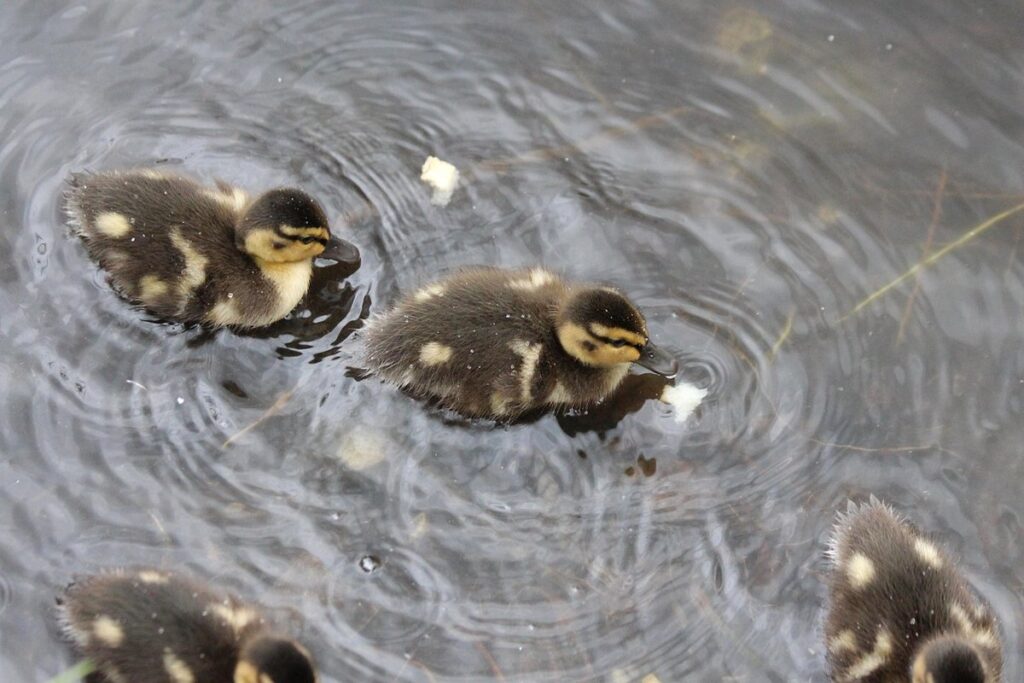
Introduction to Mallard Duckling Nutrition
Mallard ducklings have unique nutritional needs, and getting a good balance of nutrients is crucial for their growth and development. Let’s dive into what they should be eating.
Importance of Early Diet in Duckling Development
A duckling’s diet plays a critical role in its growth, health, and survival rates. Malnutrition can lead to stunted growth, weakened immune system, and increased mortality. In the first few weeks of life, mallard ducklings require a balanced mix of proteins, fats, carbohydrates, vitamins, and minerals to develop their internal organs, feathers, and muscles.
A diet lacking essential nutrients can hinder the duckling’s ability to absorb other nutrients, creating a vicious cycle of malnutrition. For example, a deficiency in vitamin A can cause stunted growth, while a lack of calcium can lead to softening of bones. In severe cases, malnutrition can increase mortality rates by up to 50%. To ensure proper nutrition, it’s essential to provide ducklings with a high-quality starter feed that meets their specific nutritional needs.
As a responsible duck breeder or owner, you should carefully monitor your duckling’s diet and adjust as needed to prevent malnutrition.
Sources of Information on Mallard Duckling Nutrition
When researching what mallard ducklings eat, it’s essential to rely on credible sources of information. Scientific studies provide a wealth of knowledge on duckling nutrition, offering insights into the dietary needs and preferences of young waterfowl. For instance, a study published in the Journal of Wildlife Management found that ducklings require a diet rich in protein and fat to support their rapid growth and development.
Wildlife experts, such as ornithologists and wildlife biologists, also offer valuable insights into mallard duckling nutrition. These experts often have extensive knowledge of bird behavior, habitat, and feeding patterns, which can inform our understanding of what ducklings eat in the wild. Reputable bird-keeping organizations, like the American Bantam Association or the Poultry Club of Great Britain, also provide guidance on caring for domesticated waterfowl, including ducklings.
When consulting these sources, look for information that is based on empirical evidence and peer-reviewed research. This will ensure that you’re getting accurate and reliable advice on what to feed your mallard ducklings. By relying on credible sources, you can make informed decisions about your duckling’s diet and provide the best possible care for these young birds.
Dietary Needs of Mallard Ducklings in Their First Few Weeks
When your mallard ducklings are first hatching, their dietary needs are crucial for healthy growth and development. In their first few weeks, they require a specialized diet that’s different from adults.
What to Feed Newborn Ducklings (0-2 weeks)
When it comes to feeding newborn ducklings, providing them with the right nutrition is crucial for their growth and development. During the first two weeks of life, they require high-protein food sources to support their rapid growth rate. A good starting point is offering a commercial duckling starter feed that contains around 20-25% protein. This can be offered in small amounts (about 10-15% of their body weight per day) and divided into 8-10 feedings throughout the day.
Another option is to supplement with egg yolks, which are an excellent source of protein and energy for young ducklings. You can mix a crushed egg yolk with some water to create a paste, then offer it alongside the starter feed. Be sure to gradually introduce new foods to prevent digestive upset. As a general rule, start by offering 1/4 teaspoon of egg yolk per duckling per feeding and adjust as needed based on their appetite and stool quality.
It’s also essential to ensure they have access to fresh water at all times for proper hydration.
Transitioning from Starter Feed to Grower Feed (2-4 weeks)
As mallard ducklings grow and develop, their nutritional needs change. Around 2-4 weeks of age, they are ready to transition from a high-protein starter feed to a more balanced grower feed. This is an essential step to ensure they receive the right amount of nutrients for optimal growth.
When making this switch, it’s crucial to do so gradually. Introduce the new feed in small increments (about 10-20% increase) over the course of 7-10 days. Start by mixing a small proportion of grower feed with the remaining starter feed and gradually increase the ratio as your ducklings adjust.
During this transition, provide a constant supply of fresh water and ensure access to calcium supplements or crushed oyster shells to support beak growth. As you phase out starter feed, look for signs that your ducklings are adapting well to the new food, such as increased energy levels and improved feather development.
A general rule of thumb is to aim for 18-20% protein in grower feed. This will help promote steady growth without overloading their systems with excessive nutrients.
Types of Food Mallard Ducklings Can Eat
As you care for your mallard ducklings, it’s essential to provide them with a balanced diet that includes various nutrient-rich foods. Let’s explore the types of food that are safe and healthy for these little waterfowl to eat.
Aquatic Plants and Insects
Mallard ducklings can also thrive on aquatic plants and insects, which provide essential nutrients for their growth. For instance, duckweed is a nutrient-rich food that’s easy to grow and maintain in backyard ponds or containers. It’s rich in protein, vitamins, and minerals, making it an excellent choice for mallard ducklings.
Water lilies are another great option, offering a variety of essential nutrients including carbohydrates, proteins, and fiber. These plants also provide shelter and habitat for beneficial insects like mosquito larvae, which can be a valuable food source for ducklings.
In addition to aquatic plants, snails and other small invertebrates can be a nutritious snack for mallard ducklings. However, it’s essential to ensure that these foods are free from pesticides and heavy metals to avoid any potential harm.
When introducing aquatic plants and insects to your mallard ducklings’ diet, start with small amounts and gradually increase the quantity as they grow. This will allow them to adapt to new food sources and reduce the risk of digestive issues. By incorporating a variety of nutrient-rich foods into their diet, you can help ensure the health and well-being of your mallard ducklings.
Grains and Crops
Mallard ducklings require a diet rich in nutrients to grow and develop healthily. Grains like oats, barley, and wheat can be an essential part of their diet, providing energy and fiber. Oats, in particular, are easy to digest and can be offered as a treat or mixed with other foods.
However, it’s essential to note that grains should not make up more than 10-15% of their daily intake. Too much grain consumption can lead to an imbalanced diet and potentially cause health issues like obesity and malnutrition.
In terms of crops, oats, corn, and sunflower seeds are all safe for ducklings to eat in moderation. To offer these safely, make sure they’re fresh and free from mold or pests. Start by introducing small amounts (about 1-2 teaspoons per day) and gradually increase the serving size as they grow.
When feeding grains or crops, it’s also crucial to ensure access to clean water at all times to prevent dehydration.
Foods That Should Be Avoided by Mallard Ducklings
As you’re learning what mallard ducklings can eat, it’s equally important to know which foods are toxic and potentially deadly for them. Let’s explore some common foods that should be strictly avoided by these young birds.
Toxic Substances and Allergens
When it comes to feeding mallard ducklings, there are certain substances that can be toxic or allergenic to them. Avocado, for instance, contains a compound called persin, which can cause respiratory problems and edema in birds. Onions and garlic, while not usually fatal, can still cause gastrointestinal issues and anemia if consumed in large amounts.
Raw or undercooked meat is another food group that should be avoided altogether. It can contain bacteria like Salmonella and E. coli, which can lead to severe infections and even death. In fact, a study conducted by the Journal of Wildlife Diseases found that up to 70% of ducklings infected with Salmonella had consumed raw or undercooked meat.
If you’re planning to feed your mallard ducklings, it’s essential to stick to their natural diet: insects, aquatic plants, and small invertebrates. You can also provide them with commercial duckling starter food as a supplement. Remember to always introduce new foods gradually to prevent digestive upset.
Unhealthy Food Options
When it comes to mallard ducklings, it’s essential to resist the temptation of treating them like our own snacks. While human junk food and sugary treats might seem appealing, they can be detrimental to a duckling’s health.
Processed foods, such as chips or crackers, are high in salt and unhealthy fats that can lead to nutrient imbalances and even organ damage. Sugary treats, including candy or cookies, contain empty calories that provide no nutritional value. Consuming these foods regularly can cause weight gain, digestive issues, and a weakened immune system.
Instead of resorting to junk food, create a balanced diet for your mallard ducklings by providing a variety of nutrient-rich foods. These include live insects like mealworms, earthworms, or snails; leafy greens such as kale, spinach, or collard greens; and high-quality commercial pellets specifically formulated for waterfowl. Offer fresh fruits, like berries or sliced apples, in moderation to provide essential vitamins and minerals.
Remember, a healthy diet is crucial for the growth and development of mallard ducklings. By providing the right foods, you can ensure they grow strong, stay healthy, and thrive under your care.
Environmental Factors Affecting Mallard Duckling Diet
When it comes to finding food, mallard ducklings are vulnerable to environmental factors that can significantly impact their diet and overall health. Let’s explore how weather conditions and other external influences affect what they eat.
Access to Clean Water and Adequate Shelter
When it comes to raising mallard ducklings, providing them with access to clean water sources and adequate shelter is just as crucial as offering a diverse diet. Clean water is essential for their growth and development, allowing them to stay hydrated and support their digestive system. However, mallards can quickly become stressed if they’re forced to drink from polluted or stagnant water.
Adequate shelter also plays a critical role in protecting ducklings from predators, extreme temperatures, and other environmental stressors. Mallards need shelter to escape harsh weather conditions, such as intense sunlight or heavy rain, which can weaken their immune system. Additionally, providing adequate shelter helps reduce stress levels, making it easier for the ducklings to digest their food.
To ensure your mallard ducklings have access to clean water and adequate shelter, consider setting up a secure enclosure with shallow pools of fresh water. The pool should be at least 2-3 times the length of the duckling’s body to allow them to swim comfortably. You can also provide a covered area or a tarp to offer protection from extreme temperatures and predators.
Availability of Food Sources in Different Environments
Mallard ducklings foraging for food in their environment can be quite different from one area to another. If you’re raising mallard ducklings in an urban setting, it’s likely that their access to natural food sources will be limited compared to a rural or natural habitat.
In urban areas, human activity and development often lead to the destruction of natural habitats, making it harder for ducklings to find suitable food. However, you can adapt their diet by providing them with a balanced and nutritious commercial starter feed as a staple, supplemented with leafy greens like kale or spinach, and occasional treats of mealworms or chopped fruits.
In contrast, rural areas often provide an abundance of natural foods for mallard ducklings to forage on. They can eat aquatic plants, insects, and even small invertebrates if they’re available. If you’re raising them in a controlled environment like a backyard pond or pool, consider adding floating planters with water lilies or other plants that produce edible leaves.
It’s essential to note that the availability of food sources also depends on the time of year and local climate. Be sure to research what foods are locally available during different seasons and incorporate those into your ducklings’ diet accordingly. This will not only ensure they’re getting a diverse range of nutrients but also help them develop foraging skills that’ll serve them well in the wild.
Conclusion: Providing Optimal Nutrition for Mallard Ducklings
Now that you’ve learned what foods to offer your mallard ducklings, let’s discuss how to provide them with optimal nutrition. This is crucial for their growth and development.
Recap of Key Takeaways
When creating a feeding plan for mallard ducklings, it’s essential to remember that their diet plays a critical role in their growth and development. A balanced and nutritious diet can help ensure they reach their full potential, while an inadequate one can lead to stunted growth and increased susceptibility to disease.
To recap, we’ve discussed the importance of providing mallard ducklings with a diet rich in protein, such as insect-based foods like mealworms and crickets, as well as aquatic plants and commercial duckling starter feed. We also highlighted the need for a varied diet that includes a mix of grains, fruits, and vegetables.
In terms of specific feeding recommendations, it’s crucial to provide fresh water at all times, along with 10-20% protein-rich foods daily. For example, you can offer mealworms or crickets in the morning and evening, supplemented by commercial duckling starter feed in between. Be sure to research local regulations regarding what can be fed to mallard ducklings in your area, as well as take into account any sensitivities or allergies they may have.
Tips for Responsible Caregivers
As you continue to care for your mallard ducklings, it’s essential to create a healthy environment that supports their dietary needs. This means providing a balanced and nutritious diet, as well as ensuring access to clean water and proper living conditions.
Firstly, make sure the ducklings have access to fresh water at all times. A good rule of thumb is to change the water daily, and ensure it’s not too deep for them to comfortably wade in. You can also supplement their water with a shallow dish or bowl, allowing them to drink and bathe easily.
In terms of nutrition, stick to a diet that includes high-quality duckling starter feed as the main staple. Avoid overfeeding, as this can lead to malnutrition and other health problems. Instead, offer small amounts regularly throughout the day, and supplement with fruits and vegetables in moderation. For example, you can offer chopped lettuce or spinach as an occasional treat.
Remember, every mallard duckling is different, so be sure to monitor their individual needs and adjust your care routine accordingly. If you’re unsure about any aspect of their nutrition or health, consult a local veterinarian or wildlife expert for guidance.
Frequently Asked Questions
Can I feed my mallard ducklings a mix of aquatic plants and commercial duckling feed to ensure they’re getting all the necessary nutrients?
Yes, a combination of aquatic plants and commercial duckling feed can provide your mallard ducklings with a balanced diet. However, make sure to research which aquatic plants are safe for them to consume and follow the recommended feeding guidelines for commercial duckling feed to avoid overfeeding or underfeeding.
What if I notice my mallard ducklings aren’t growing as expected? Are there any signs that indicate they’re not getting enough nutrients?
Yes. If you notice your mallard ducklings are stunted, lethargic, or have poor feather growth, it may be a sign of malnutrition. Keep an eye out for these warning signs and adjust their diet accordingly. Consult with a veterinarian to rule out any underlying health issues.
How can I store leftover food safely to prevent spoilage and maintain hygiene in my duckling enclosure?
To store leftover food safely, ensure that it’s kept in airtight containers or ziplock bags to prevent moisture from accumulating. Label the containers with the date and contents, and store them in a clean, dry area away from direct sunlight. Regularly inspect stored food for signs of spoilage and discard any items that show mold, slime, or an off smell.
What should I do if my ducklings are showing interest in eating insects, but I’m concerned about their safety?
Insects can be a nutritious addition to your mallard ducklings’ diet, but only certain types are safe for them to eat. Research which insects are suitable and ensure they’re free of pesticides or other chemicals that may harm the ducklings. Introduce insects gradually and in moderation as part of a varied diet.
How often should I provide fresh water for my mallard ducklings, especially during hot weather?
Fresh water is essential for your mallard ducklings’ health, particularly in warm weather when they’re more susceptible to dehydration. Ensure that the water is changed frequently, ideally twice daily or whenever possible, and make sure the ducklings always have access to a clean source of drinking water.