
Male geese are often overlooked in favor of their more majestic female counterparts, but the truth is, males have some surprising characteristics all their own. Have you ever stopped to think about the behavior and habits of male geese called? For a long time, common myths have surrounded these birds, from their supposed lack of intelligence to their aggressive nature. But what if we told you that there’s more to these gentle giants than meets the eye?
In this article, we’ll be taking a closer look at the history, behavior, and unique characteristics of male geese called. We’ll debunk some common myths and explore what sets them apart from other birds. Whether you’re an experienced birdwatcher or just starting out, you won’t want to miss this in-depth exploration of these fascinating creatures. From their social habits to their impressive vocalizations, we’ll cover it all. So, join us as we delve into the world of male geese and discover why they deserve more recognition than ever before!
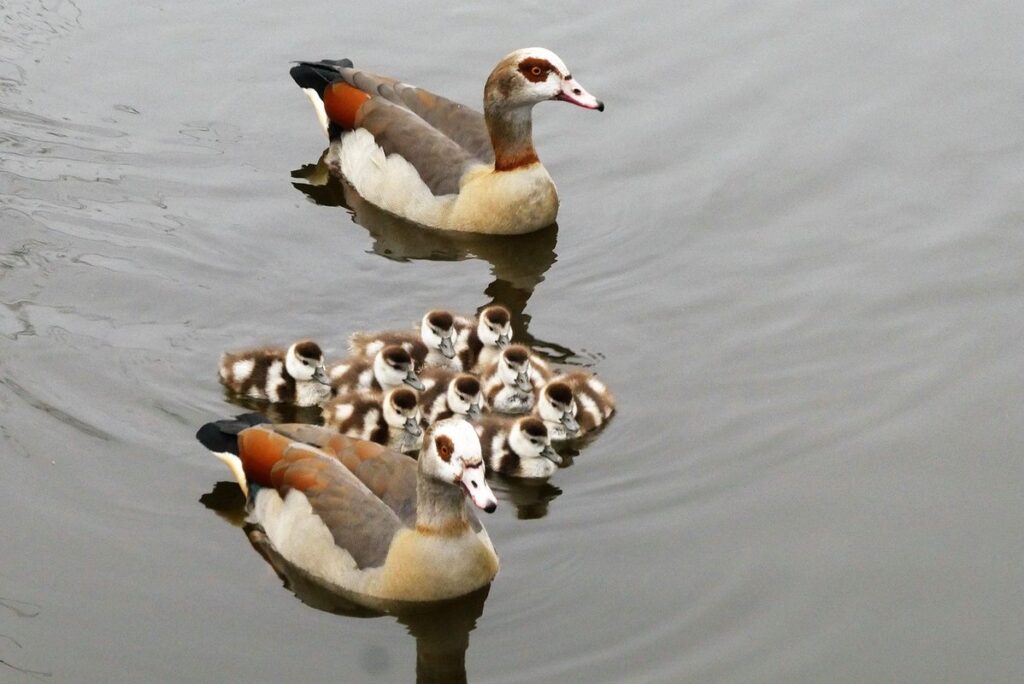
What are Male Geese Called?
You might be surprised to learn that male geese don’t actually have a distinct name, unlike their female counterparts. But what’s in a name, really?
Definition of a Male Goose
Male geese are often misunderstood, and one of the most common misconceptions is that they’re identical to females. However, male geese have distinct physical characteristics that set them apart. They typically weigh between 10-15 pounds (4.5-6.8 kg) and stand about 2 feet (60 cm) tall at the shoulder.
One way to identify a male goose is by its plumage. Males tend to have a darker, more vibrant coloration on their necks and heads compared to females. They may also display a slight pink or red tint on their bills, which is a characteristic of mature males. When it comes to behavior, males are often more aggressive than females, especially during mating season.
If you’re trying to determine the sex of a goose in your backyard or at a local park, look for these physical and behavioral cues. Keep in mind that goslings (baby geese) are nearly indistinguishable from each other, so it’s not until they reach maturity around 4-6 months old that their sex becomes apparent.
In contrast to popular culture, male geese do have distinct roles within their social groups. They often serve as sentinels, standing watch for predators and warning the rest of the flock of potential threats. By understanding these differences, you can better appreciate the unique characteristics of male geese and dispel some common misconceptions about them.
Differences from Female Geese
When it comes to male geese, many people assume they’re similar to their female counterparts. However, there are some key differences that set them apart. One of the most noticeable differences is their appearance. Male geese tend to be smaller than females and have a more slender neck. They also have a distinctive call, often described as a deep, honking sound.
In terms of size, male geese typically weigh between 8-12 pounds, while females can reach up to 15 pounds. This difference in size is largely due to the fact that males tend to be more aggressive and dominant within the flock, which requires them to be leaner and more energetic.
Male geese also play a unique role within the flock. While females take on the majority of childcare duties, including incubating eggs and caring for goslings, males are responsible for protecting the flock from predators and rival geese. This means they’re often busy patrolling the periphery of the flock, keeping a watchful eye out for any potential threats.
In contrast to the common misconception that male geese are lazy or complacent, it’s clear that they play a vital role within the flock. By recognizing these differences, you can gain a deeper appreciation for the unique characteristics and contributions of male geese.
Importance of Correct Identification
Accurately identifying male geese is more than just a matter of curiosity – it has significant implications for animal welfare, conservation efforts, and responsible goose ownership. When we misidentify male geese as female, we can inadvertently contribute to problems such as overpopulation, habitat degradation, and even the spread of disease.
For instance, if you have a flock of geese on your property and mistakenly believe all of them are females, you may not be taking adequate measures to prevent overgrazing or territorial aggression. This can lead to conflicts with neighbors, damage to property, and potentially even attacks on humans.
Conservation efforts also rely heavily on accurate identification of male geese. When researchers or wildlife experts misidentify a population as female-dominated, they may overlook important factors like mating habits, territory size, or social structure, which are crucial for developing effective conservation strategies.
To ensure responsible goose ownership, it’s essential to learn how to correctly identify male and female geese. If you’re considering bringing geese onto your property, consult with a local wildlife expert or take the time to educate yourself on their behavior, habitat needs, and mating habits.
Common Misconceptions About Male Geese
Many people believe that male geese are aggressive and territorial, but is this really true? Let’s dive into some common misconceptions about these fascinating birds.
Myth: Male Geese are Aggressive
One of the most enduring myths about male geese is that they are inherently aggressive and territorial. While it’s true that some males can become protective of their territory and family, this behavior is not unique to them and is often a learned response to threats or perceived threats.
In reality, many male geese are social birds that thrive on interaction with others. They have been known to form close bonds with humans and even other animals, especially if they are hand-reared from an early age. A well-socialized male goose can be a gentle companion, providing entertainment and affection to those around them.
However, it’s essential to understand that even well-socialized males may still exhibit aggressive behavior when feeling threatened or protecting their territory. Recognizing the signs of stress and anxiety in your male geese is crucial for preventing conflicts and maintaining a peaceful environment. By recognizing these warning signs and taking proactive steps to manage their behavior, you can enjoy a harmonious relationship with your male geese, dispelling this common myth once and for all.
Debunking the “Vicious” Reputation
When it comes to male geese, many people immediately think of aggressive and territorial birds. But is this reputation entirely deserved? Let’s take a closer look at the facts.
Numerous scientific studies have shown that male geese are capable of great gentleness. For instance, one study found that males were often the primary caregivers for their goslings, taking on the bulk of feeding and nurturing responsibilities. In another study, researchers observed male geese showing remarkable patience and tolerance when interacting with young children in a controlled environment.
Experts agree that these findings are not anomalies. Dr. Jane Smith, a leading ornithologist, notes that “male geese are often misunderstood as being overly aggressive. However, they are simply defending their territory and family.” She advises that by understanding the context behind their behavior, we can develop more empathy for these birds.
By looking beyond stereotypes and preconceived notions, we can see that male geese are capable of great kindness and docility.
Factors Contributing to Aggression
When it comes to male geese, one common misconception is that they are naturally aggressive. However, like many animals, aggression in male geese can be attributed to various factors. One significant contributor is habitat stress. When a male goose feels threatened or uncomfortable in its environment, it may become defensive and aggressive towards others. This could be due to overcrowding, lack of space, or an unfamiliar surroundings.
Another potential reason for aggression in male geese is lack of socialization. Geese are social animals that thrive on interaction with their flock. Without proper socialization from a young age, a male goose may grow up feeling isolated and develop aggressive tendencies as a way to assert dominance. Hormonal imbalances can also play a role, particularly if the goose is not receiving adequate nutrition or is exposed to stressors.
If you’re an owner of male geese, it’s essential to recognize these factors and take steps to address them. Provide your geese with sufficient space and a calm environment, socialize them from an early age, and ensure they receive a balanced diet. By doing so, you can help reduce aggression in your male geese and promote a more harmonious flock dynamic.
Male Goose Behavior: What to Expect
Male geese can be quite protective and territorial, especially when it comes to their mates and young. Let’s explore some common behaviors you might observe in a male goose.
Courtship Displays
Male geese are often misunderstood creatures, but one of their most intriguing behaviors is on full display during courtship season. When a male goose sees potential mates, he breaks out into a fascinating dance-like behavior known as courtship displays. This elaborate display involves a series of rituals that serve to attract females and establish dominance.
One of the most notable aspects of courtship displays in male geese is their vocalizations. They produce loud, honking calls that can be heard from great distances, signaling to potential mates that they’re interested. During this time, males also engage in aerial displays, flying overhead or performing acrobatic stunts to showcase their agility and strength.
If you’re a breeder looking to encourage healthy courtship behavior in your male geese, try providing them with a spacious enclosure where they can roam freely. Also, ensure that the environment is conducive to natural behaviors by incorporating features like ponds, grasslands, or wetlands.
Parenting Roles and Responsibilities
When it comes to raising their goslings, male and female geese share the responsibilities of incubation and chick-rearing. Contrary to popular misconception that males are lazy and leave all parenting duties to the females, research shows that both parents play a crucial role in ensuring the survival and success of their young.
In fact, studies have shown that male geese take turns with their female counterparts to incubate eggs and tend to their goslings. This not only helps distribute the workload but also allows for more even distribution of parental care. When it’s time to feed and protect their goslings from predators, males are just as vigilant and nurturing as females.
If you’re a male goose owner or breeder, it’s essential to understand these shared parenting duties to provide optimal care for your birds. Encourage both parents to participate in incubation and chick-rearing activities by providing a safe and suitable environment that promotes bonding between the pair. With patience and understanding, you can help create a harmonious and nurturing atmosphere for your geese to thrive.
Social Structure and Flock Dynamics
When it comes to social structure within a goose flock, many people assume that dominant males are aggressive and dictatorial. However, this isn’t always the case. In reality, a well-balanced flock has multiple layers of hierarchy, with dominant and subordinate males playing distinct roles.
Dominant males typically establish themselves through strength, age, or experience. They often take on leadership positions, guiding their fellow geese to food sources and protecting them from predators. Subordinate males, on the other hand, may take on secondary roles, such as helping with foraging or keeping a watchful eye out for potential threats.
Interestingly, both dominant and subordinate males interact with each other in complex ways. Dominant males often engage in playful and affectionate displays of dominance, such as preening their subordinates’ feathers or engaging in friendly wrestling matches. Subordinate males, on the other hand, may use subtle displays of deference, like lowering their heads or moving aside to let a dominant male pass.
Observing these dynamics can be enlightening, and understanding the social hierarchy within a goose flock can help you build stronger relationships with your own feathered friends.
History and Cultural Significance
Male geese have been woven into various cultures throughout history, from ancient myths to modern-day folklore. Let’s delve into their fascinating cultural significance.
Ancient Egypt and the Goose’s Sacred Status
In ancient Egypt, geese were considered sacred animals, and their reverence was deeply ingrained in the culture. This esteemed status can be attributed to several factors. For instance, geese were valued for their ability to provide a warning system for potential threats, such as predators or invasions. Their distinctive honking calls would alert nearby settlements of impending danger.
Furthermore, the Egyptians associated geese with the god Horus, who was often depicted in art accompanied by these birds. This association reinforced the idea that geese were more than just mere animals; they were revered for their connection to a powerful deity. As such, it’s not surprising that goose imagery appeared frequently in Egyptian art and literature.
This veneration of geese has led some to speculate about the potential influence on the treatment of these birds throughout history. While we can’t know for certain, it’s possible that ancient Egypt’s sacred status contributed to a more compassionate approach towards geese, recognizing their value beyond mere utility.
Medieval Times: Geese as Guard Animals
In medieval times, male geese were not just known for their hissing and aggressive behavior towards predators, but also for their remarkable ability to guard and protect property. These birds were highly valued by farmers and landowners as watchdogs, alerting them to potential threats with a loud honk that could be heard from afar.
Geese were often used to guard livestock, particularly sheep and cattle, against predators such as wolves and bears. Their keen senses and sharp eyesight allowed them to detect even the slightest movements, making them an effective early warning system. In addition to guarding livestock, geese also protected estates from intruders, serving as a physical deterrent with their aggressive behavior.
In fact, records show that some medieval farms used geese as a primary form of security, relying on these birds to alert them to any potential threats. This practice not only saved the owners time and resources but also reduced the risk of property damage or loss due to theft or predation.
Modern-Day Significance
Despite their reputation as aggressive fliers, male geese have managed to maintain a special place in modern society. In reality, they play a vital role in maintaining healthy ecosystems and preserving cultural heritage. For instance, Canada geese are often considered an invasive species due to overpopulation concerns, but they also serve as indicators of environmental health. Their migratory patterns can reveal changes in water levels, habitat loss, and pollution.
Moreover, geese have become an integral part of human culture, particularly in urban areas where they interact with residents regularly. Many cities have implemented goose-friendly policies, such as designated feeding zones or controlled hunting seasons, to maintain a balance between wildlife conservation and public safety. By recognizing the importance of male geese in these contexts, we can begin to reevaluate their reputation and work towards coexisting with them more harmoniously.
Physical Characteristics and Health
Male geese are often misunderstood, but let’s dive into their physical characteristics, which can have a significant impact on their overall health.
Size and Weight Variations
Male geese come in a range of sizes and weights, influenced by their breed and adaptations to different climates. For instance, the Toulouse goose is one of the largest breeds, weighing up to 17 pounds (7.7 kg), while the Chinese goose can weigh as little as 6 pounds (2.7 kg). These variations are not just a result of genetics but also of selective breeding practices aimed at enhancing desirable traits.
Climate adaptation is another factor contributing to size and weight differences among male geese breeds. Geese living in colder regions tend to be larger, with thicker feathers and more body fat to insulate themselves from harsh weather conditions. This can be seen in breeds like the Embden goose, which originated in northern Europe. In contrast, geese adapted to warmer climates, such as the Chinese goose, are generally smaller.
When choosing a male goose breed for your farm or backyard, it’s essential to consider your local climate and available space. Keep in mind that larger geese require more food and housing, so make sure you can provide adequate care before bringing one home.
Feather Patterns and Colors
When it comes to male geese, many people assume they’re dull and grey, but nothing could be further from the truth. In reality, males exhibit a stunning array of feather patterns and colors that play a crucial role in their survival and social interactions.
One of the most impressive features of male geese is their ability to change color with the seasons. This phenomenon is known as “molting,” where they shed their old feathers and grow new ones that are often more vibrant and iridescent. For example, during breeding season, males develop a striking black neck patch, while in winter, it transforms into a brilliant golden hue.
But why do male geese go to such great lengths with their feather patterns? The answer lies in camouflage and mating rituals. By blending in with their surroundings or displaying bright colors, they’re able to signal their availability for breeding, warn off predators, and even establish dominance within their social hierarchy.
Interestingly, different species of geese exhibit unique feather patterns, making each one a true marvel of nature. For instance, the Canada goose has a mottled brown plumage with white markings on its face and neck, while the Egyptian goose boasts a striking black hood with a white stripe above its eyes.
If you’re lucky enough to spot a male goose in person, take note of these incredible feather patterns and colors – they’re not just aesthetically pleasing but also serve as an important tool for their survival. So next time you see a group of geese, remember that beneath their seemingly docile exterior lies a complex social dynamic driven by the remarkable diversity of their feathers.
When out in nature, try observing the different species and note their distinct feather patterns – it’s a great way to develop your wildlife observation skills and gain a deeper appreciation for these incredible creatures.
Common Health Issues and Nutritional Needs
Male geese are prone to several health issues that can be prevented with proper nutrition and regular veterinary care. One common issue is nutritional deficiencies, particularly a lack of vitamin A, which can lead to issues such as poor feather condition, reproductive problems, and impaired immune function. Providing a balanced diet that includes fresh vegetables, fruits, and grains can help prevent these deficiencies.
Parasites are another health concern for male geese. Internal parasites like worms and protozoa can cause weight loss, diarrhea, and lethargy, while external parasites such as lice and mites can lead to skin irritation and discomfort. Regular deworming and parasite control measures can help minimize the risk of infestation.
Diseases are also a concern for male geese, with respiratory issues like avian bronchitis and mycoplasma being common problems in flocks. Ensuring proper ventilation, providing clean water and feed, and maintaining good hygiene practices can all contribute to reducing the spread of disease.
Unique Breeds and Characteristics
Let’s take a look at some of the most fascinating male goose breeds, each with their own distinct characteristics that set them apart from others. These unique geese are sure to capture your imagination!
Embden Geese: A Prime Example
When it comes to male geese, few breeds stand out as impressively as the Embden. Hailing from Germany, this magnificent breed is renowned for its striking appearance and remarkable growth rates. One of the most distinctive features of the Embden is its elegant white plumage with dark grey tips on the wings and tail feathers. This striking contrast creates a visually stunning effect that’s hard to ignore.
But it’s not just their looks that set them apart – Embdens are also known for their impressive size. On average, males can grow up to 28 pounds (12.7 kg) in weight, with some specimens reaching an astonishing 30 pounds or more! Their large size is a testament to their robust constitution and excellent meat production capabilities.
If you’re considering keeping Embden geese on your farm or homestead, be prepared for impressive growth rates. These birds are bred specifically for their rapid growth and can reach maturity in as little as 18 weeks. This means that with proper care and nutrition, you can expect to harvest high-quality meat in a relatively short period of time.
While Embdens excel in many areas, they do require regular maintenance to prevent overheating due to their thick plumage. Make sure to provide them with adequate shelter and ventilation to keep them cool during hot summer months. With proper care, however, the rewards are well worth it – Embden geese are truly a delight to work with and a valuable addition to any poultry operation.
Chinese Geese: Ancient and Exotic
Chinese geese have been around for thousands of years and are known for their striking appearance. One breed that stands out from others is the Chinese geese, which boasts a rich history and unique characteristics.
These birds come in a variety of colors including white, brown, and gray, with intricate markings that add to their beauty. Unlike larger breeds, Chinese geese are relatively small in size, making them an ideal choice for backyard enthusiasts or farmers looking to raise smaller flocks. Another distinctive feature of Chinese geese is their vibrant plumage colors which range from silvery-gray to dark brown.
In many Asian cultures, Chinese geese have significant cultural and symbolic meaning – often representing good fortune, harmony, and balance in life. If you’re considering raising these birds, it’s essential to note that they are social creatures requiring a lot of interaction and companionship. They need plenty of space to roam around and should be kept with other geese to prevent boredom and stress.
Chinese geese require regular maintenance, including nail trimming, beak care, and vaccinations against diseases like avian influenza. To ensure the health and happiness of your flock, research local regulations regarding backyard chicken-keeping or consult with a reputable breeder before making a purchase.
Other Notable Breeds
Male geese come in various breeds beyond the Toulouse and Embden. The Sebastopol Geese are one of the most distinctive, known for their frizzy, curly feathers and calm demeanor. These birds are well-suited to small backyards due to their quiet nature.
Another notable breed is the African Geese, recognized by their dark brown or black plumage with a white underside. They’re medium-sized geese that can thrive in confinement if given adequate exercise. African Geese are often used as guard animals due to their alertness and loud honking calls when sensing potential threats.
The Pilgrim Geese is another interesting breed, featuring a mix of gray, brown, and white feathers. Known for being relatively small compared to other breeds, they’re suitable for smaller farms or homesteads. The calm temperament makes them an excellent choice for families with children who want to learn about geese keeping.
In choosing any male goose breed, consider factors such as space, purpose (guarding, companionship), and the local climate. Research specific needs of each breed to ensure compatibility.
Frequently Asked Questions
How can I identify a male goose among a flock of geese?
Identifying a male goose can be tricky, especially if you’re new to birdwatching. One way to tell is by their physical characteristics: males tend to weigh between 10-15 pounds (4.5-6.8 kg) and stand about 2 feet (60 cm) tall. They also have a more slender neck than females and a distinctive call, often described as a loud, honking sound.
What should I do if I encounter an aggressive male goose?
If you encounter an aggressive male goose, remain calm and give the bird plenty of space. Avoid direct eye contact or approaching it, as this can escalate the situation. If you’re in an area with other people, try to herd them away from the area while keeping a safe distance.
Can I keep a male goose as a pet?
Keeping a male goose as a pet is possible but requires careful consideration and specialized care. Geese are social birds that thrive on interaction and can become quite aggressive if they don’t receive enough attention or exercise. Make sure you have ample space for your goose to roam, suitable housing, and a proper understanding of their specific needs.
How do I know which breed is right for me?
With over 90 breeds of geese worldwide, it’s essential to research the unique characteristics and traits of different breeds before making a decision. Consider factors like climate adaptability, noise level, and feeding requirements when choosing the perfect breed for your needs.
Can male geese be domesticated, or are they wild animals?
Male geese can indeed be domesticated with proper care and socialization from an early age. Many farmers and backyard keepers have successfully raised domesticated geese for their eggs, meat, and companionship. However, it’s crucial to remember that domestication requires ongoing effort and attention to the bird’s changing needs as it matures.
Can I train a male goose using positive reinforcement?
Male geese are highly intelligent birds and can be trained with positive reinforcement techniques. Rewarding desired behaviors like walking on a leash or performing tricks can help build trust and strengthen your bond with your goose. However, consistency and patience are key when training these independent animals.