
Goose eggs are often a symbol of abundance and fertility in many cultures, but have you ever stopped to think about these remarkable birds and their extraordinary eggs? If you’re an avid backyard farmer or simply fascinated by nature’s wonders, you’ll want to learn more about the unique characteristics of goose eggs. Not only do they offer impressive nutritional value, but they also hold a special place in many cultures around the world. Whether you’re raising geese for their beautiful eggs or just curious about these fascinating birds, this article will delve into the fascinating facts surrounding goose eggs. From their size and shape to their taste and texture, we’ll explore it all. Plus, get expert tips on how to care for your backyard geese for optimal egg production.
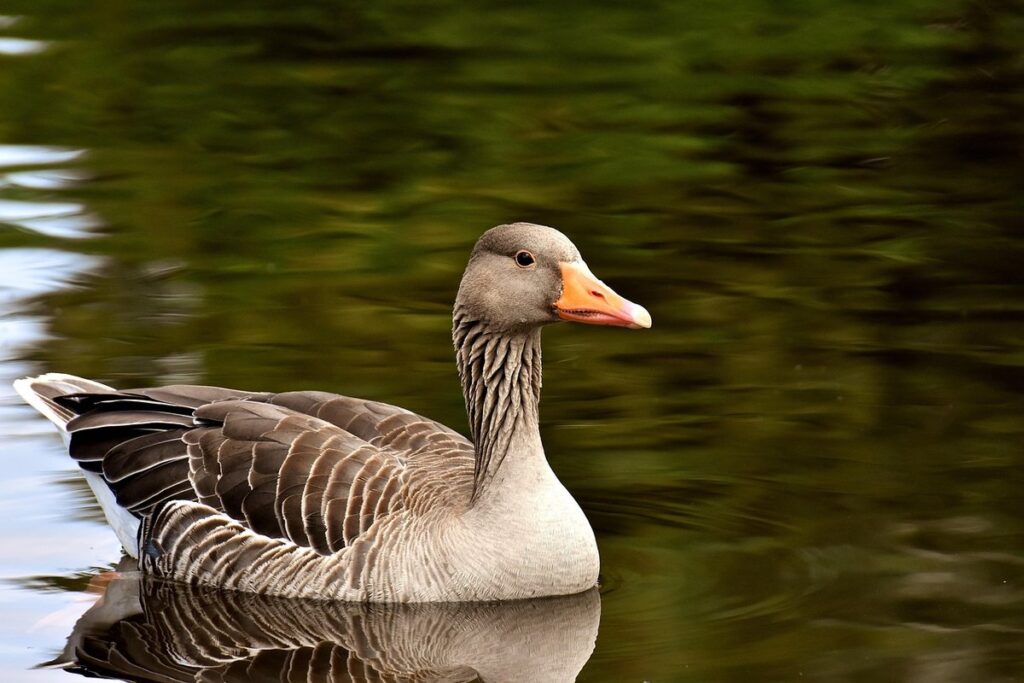
What Are Goose Eggs?
You’re probably curious about the basics of goose eggs, so let’s start with what they are and how their unique characteristics make them stand out.
The Anatomy of a Goose Egg
Goose eggs are known for their unique physical characteristics that set them apart from other types of bird eggs. In terms of shape, goose eggs are typically longer and thinner than those of chickens, with a more elongated oval shape. This is due to the fact that geese have a different reproductive system than chickens, resulting in eggs that are better suited for their specific needs.
When it comes to size, goose eggs can vary depending on the breed of the bird, but they are generally larger than chicken eggs, often measuring around 2-3 inches long and weighing about 1-2 ounces. The color of a goose egg is usually white or cream-colored, with some breeds laying slightly brown or speckled eggs.
The texture of a goose egg is also distinct from that of chicken eggs. Goose eggs have a harder, more matte finish on the shell, which helps to protect the delicate inner membrane and contents during incubation.
Why Do Geese Lay Such Large Eggs?
Geese are known for laying some of the largest eggs among all bird species. While it’s fascinating to collect goose eggs, have you ever wondered why they’re so big? The size of a goose egg is largely due to its biology and lifestyle.
One reason geese lay larger eggs is because they need to ensure their offspring can withstand the harsh conditions of the wild. Geese are migratory birds that travel long distances to find food and shelter, often in unpredictable environments. As a result, their chicks must be robust enough to survive these challenges. Larger eggs provide more nutrients and energy for the developing chick, giving it a better chance of survival.
Another factor contributing to goose egg size is their reproductive strategy. Geese are monogamous birds that form long-term pair bonds, which means they invest heavily in raising their young. To compensate for this investment, geese lay larger eggs with more yolk and nutrients, increasing the chances of successful reproduction. This unique combination of biology and behavior sets goose eggs apart from those laid by other bird species.
Types of Goose Eggs: Domesticated vs Wild
When it comes to goose eggs, there are distinct differences between those laid by domesticated geese and their wild counterparts. Let’s dive into the unique characteristics of each type.
Domesticated Goose Eggs
Domesticated goose eggs are prized for their rich, buttery flavor and firm texture. If you’re looking to raise your own geese or purchase eggs from a farm, it’s essential to understand the characteristics of these eggs.
There are several domesticated goose breeds that excel as egg layers. Some popular options include the Embden, Toulouse, and African Geese. These breeds can lay between 20-50 large white or brown eggs per year, depending on their age, diet, and overall health.
The average yield for a single goose is around 1 egg per day during peak laying season. However, this can vary significantly depending on the breed and individual bird. For example, the Embden goose is known to lay up to 30 eggs in a single year, while the African goose lays an impressive 50 or more.
To maximize your chances of getting fresh, high-quality domesticated goose eggs, look for farms that follow sustainable and humane practices. This includes providing geese with access to pasture, fresh water, and a balanced diet. By choosing eggs from happy, healthy birds, you’ll be supporting not only their well-being but also the rich flavor and nutritional value of your eggs.
Wild Goose Eggs: Characteristics and Rarity
Wild goose eggs are a treasure to behold, with unique characteristics that set them apart from their domesticated counterparts. One of the most striking differences is the shell thickness. Wild goose eggs typically have thicker shells than domesticated geese, which helps protect the delicate contents inside from predators and harsh environmental conditions. This thicker shell also contributes to the longer incubation period required for wild goose eggs.
The color of the eggshell is another distinct feature of wild goose eggs. Unlike domesticated geese, which lay eggs with a range of colors including white, brown, and speckled, wild geese tend to lay eggs with a more uniform grayish-blue or greenish tint. This unique coloring serves as camouflage in their natural habitat, allowing the eggs to blend in seamlessly with the surrounding environment.
When foraging for wild goose eggs, it’s essential to be aware of these differences to avoid confusing them with domesticated geese eggs.
Eggshell Thickness and Strength
Goose eggshells are surprisingly resilient, but just how thick and strong are they? Let’s crack open the facts on eggshell thickness.
How Thick Are Goose Eggshells?
When it comes to goose eggs, one of the most fascinating aspects is their varying eggshell thickness. Did you know that the thickness of a goose eggshell can differ significantly depending on the breed? This unique characteristic not only affects the appearance of the egg but also its durability.
For instance, the Toulouse goose is known for producing large, thick-shelled eggs, while the Sebastopol goose lays smaller eggs with thinner shells. The Embden goose falls somewhere in between, producing medium-sized eggs with moderate shell thickness. This variation in shell thickness can impact the overall strength and resilience of the egg.
A study on goose eggshell thickness found that the average shell weight for a large breed like the Toulouse is around 4-5 grams. In contrast, smaller breeds like the Chinese or Sebastopol have shells weighing as little as 2-3 grams. This difference in shell density affects how well the eggs withstand handling and storage conditions.
It’s essential to consider eggshell thickness when selecting goose breeds for backyard keeping. If you’re looking for a reliable source of large, sturdy eggs, opting for a breed like the Toulouse might be your best bet.
Why Do Goose Eggs Have Such Thick Shells?
Goose eggs are known for their exceptionally thick shells, which serve as an essential protective barrier against external factors like predators, environmental stressors, and mechanical damage. The thickness of a goose eggshell is, on average, 2.5 mm, compared to the 0.9 mm found in chicken eggs. This remarkable difference in shell thickness can be attributed to evolutionary pressures that favor larger, more robust birds.
One primary reason behind the thickening of goose eggshells is related to the bird’s size and body weight. As geese are generally larger than chickens, their eggs need extra protection against potential impacts during nesting, incubation, or brooding. Moreover, the thicker shells also provide a better safeguard against bacterial penetration, thereby reducing the risk of infection.
In addition to these practical benefits, thick eggshells in geese may have also played an evolutionary role in mate selection and fertility. It is essential for goose breeders to note that certain breeds, such as Embdens or Toulouse Geese, exhibit a natural tendency towards producing eggs with thicker shells than others. As an enthusiast, you can observe this characteristic more closely by studying the reproductive habits of your preferred breed and selecting birds with desirable eggshell qualities.
The Taste and Nutritional Value of Goose Eggs
Goose eggs have a rich, buttery flavor that’s often described as more complex than chicken eggs, making them a delight for many egg enthusiasts. We’ll dive into their nutritional value and explore why they’re considered a superfood.
Are Goose Eggs Tastier Than Chicken Eggs?
When it comes to taste, goose eggs often get a bad rap for being bland and tasteless compared to their chicken counterparts. However, this couldn’t be further from the truth. The rich, buttery flavor of goose eggs is actually a result of their unique characteristics.
One key factor contributing to the distinct flavor profile of goose eggs is their higher fat content. With an average of 30-40 grams of fat per large egg, they have more than twice the amount found in chicken eggs (10-12 grams). This increased fat also gives goose eggs a creamier texture and richer mouthfeel.
Another difference lies in the fatty acid composition. Goose eggs contain more unsaturated fats, particularly omega-3s, which are essential for heart health. However, this unique balance of fats also lends to a more complex flavor profile, often described as rich, savory, or even slightly sweet.
To truly experience the full flavor potential of goose eggs, try using them in place of chicken eggs in your favorite recipes, such as omelets, frittatas, or baked goods. Their robust taste will undoubtedly elevate and intensify the overall flavor, making for a delightful culinary surprise.
Goose Eggs as a Superfood: Protein and Fat Content
Goose eggs are an excellent source of protein and fat, making them a superfood in their own right. One large goose egg contains approximately 12-15 grams of protein, which is significantly more than the 6-7 grams found in a standard chicken egg. This makes goose eggs an ideal choice for athletes or individuals looking to increase their protein intake.
In addition to protein, goose eggs are also rich in healthy fats, including omega-3 fatty acids and vitamin D. A single large goose egg contains around 5-6 grams of fat, which is about 30% higher than the fat content found in a chicken egg. These essential nutrients not only contribute to the overall nutritional value of goose eggs but also support heart health and brain function.
For those looking to incorporate more protein-rich foods into their diet, consider using goose eggs as a substitute for chicken or turkey eggs in recipes. For example, add sliced goose eggs to an omelette or use them as a topping for salads or avocado toast. By doing so, you’ll be taking advantage of the exceptional nutritional benefits that goose eggs have to offer.
Fun Facts About Goose Eggs
Goose eggs are often larger than chicken eggs, but did you know they can also be a bit… odd? Let’s dive into some fun facts about these fascinating birds’ ovoid treasures.
Records and Rarities in Goose Egg-Laying
Goose egg-laying records are nothing short of astonishing. The largest goose egg ever recorded weighed an impressive 1.5 kg (3.3 lbs) and was laid by a domesticated Chinese goose named “Big Mama” in the United States. This behemoth of an egg was over twice the size of a typical goose egg.
Other notable records include the heaviest goose egg laid by a Toulouse goose, weighing a whopping 1.2 kg (2.6 lbs). These remarkable eggs not only showcase the impressive reproductive capabilities of geese but also highlight the importance of genetic diversity in modern breeding programs.
Interestingly, some breeds like the Embden and Sebastopol are known to lay larger eggs than others due to their unique physiology. For instance, a study found that Embden geese produced eggs that averaged 0.45 kg (1 lb) in weight, compared to the average 0.35 kg (0.77 lbs) of other breeds.
For those interested in keeping geese as pets or for breeding purposes, understanding these records and characteristics can help inform decisions about which breed to choose. Ultimately, the fascinating world of goose eggs continues to captivate and inspire us with its intriguing facts and figures.
Cultural Significance and Symbolism of Goose Eggs
Goose eggs have been imbued with symbolic meanings across various cultures and historical periods. In ancient China, goose eggs were considered a symbol of good fortune, prosperity, and longevity. During the Qing dynasty, they were often given as gifts to royalty and nobility as a token of respect.
In some European cultures, goose eggs are associated with fertility and abundance, reflecting their natural ability to produce large clutches of eggs. In Norse mythology, the goddess Freyja was said to be accompanied by two geese, which laid eggs that granted the power of prophecy.
The symbolic meanings of goose eggs can also be seen in various art forms, such as paintings and literature. For instance, in Renaissance art, goose eggs often appeared as symbols of love and fertility. In some African cultures, goose eggs are believed to possess healing properties and are used in traditional medicine.
To tap into the cultural significance of goose eggs, you could consider collecting vintage or antique goose eggshell decorations from different parts of the world. These unique pieces can serve as a conversation starter and add a touch of whimsy to your home decor.
Caring for Your Backyard Gooses: Tips and Best Practices
If you’re lucky enough to have backyard geese, it’s essential to know how to care for them properly. We’ll walk you through the best practices for keeping your feathered friends happy and healthy.
Choosing the Right Breed for Egg-Laying
When it comes to choosing the right breed for egg-laying in your backyard, there are several factors to consider. First and foremost, you’ll want to think about size. Larger breeds tend to produce more eggs than smaller ones, but they also require more space and food. For example, Toulouse geese can lay up to 300 eggs per year, but they need plenty of room to roam.
Temperament is another crucial consideration. You’ll want a breed that’s friendly, docile, and easy to handle. This will make caring for your geese a much more enjoyable experience. For instance, Embden geese are known for their gentle nature and are often used in schools and educational settings.
Finally, think about climate tolerance. Some breeds are better suited to extreme temperatures or wet climates than others. If you live in an area with harsh winters or hot summers, choose a breed that can adapt. African Geese, for example, are well-suited to warm climates and can tolerate high temperatures. By considering these factors, you’ll be able to select the perfect breed for your backyard egg-laying needs.
It’s worth noting that even within breeds, individual geese may have varying levels of egg production. So, it’s essential to do your research and learn about the specific characteristics of each breed before making a decision.
Feeding and Housing Gooses for Optimal Egg Production
When it comes to raising geese for their eggs, providing them with optimal nutrition and living conditions is crucial. A well-balanced diet plays a significant role in egg production, and geese are no exception.
Geese require a high-quality commercial goose feed as their main source of nutrition, supplemented with fresh fruits, vegetables, and whole grains. It’s essential to avoid giving them dairy products or meat scraps, as these can cause digestive issues and affect their overall health.
In terms of housing, geese need sufficient space to move around and exercise. A minimum of 10 square feet per goose is recommended, with adequate shelter from harsh weather conditions. The coop should be well-ventilated, dry, and free from predators. Geese are social animals and thrive in flocks, so it’s best to keep them together.
To promote healthy egg-laying, provide your geese with a calcium-rich diet and ensure they have access to clean water at all times. Regular health checks can help identify any potential issues early on, allowing for prompt treatment and prevention of disease. By following these guidelines, you’ll be well on your way to raising happy and healthy geese that will reward you with an abundance of delicious eggs.
Frequently Asked Questions
Can I hatch goose eggs at home if I’m not experienced with poultry?
While it’s possible to hatch goose eggs, it’s crucial to have prior experience with poultry care before attempting it. Goose eggs require specific temperature and humidity conditions for successful hatching. If you’re new to backyard farming or poultry care, it’s recommended to start by learning the basics of incubation techniques and consulting with a veterinarian or experienced breeder.
How long do goose eggs stay fresh once they’ve been collected?
Goose eggs are known for their longevity due to their thick shells, which provide excellent protection against bacteria and other contaminants. When stored properly in a cool, dry place, goose eggs can last up to 5-6 weeks without refrigeration. However, it’s essential to note that even with proper storage, the eggs will eventually lose their viability.
Can I raise geese for their eggs if I only have a small backyard?
Yes, you can still raise geese for their eggs in a small backyard, but you’ll need to consider the space and care requirements. Geese are social birds that require regular interaction and exercise. A minimum of 10×10 feet of enclosure per bird is recommended, along with adequate shelter and feeding facilities.
How do I know if my goose eggs are fertile?
Determining fertility requires expertise in poultry reproduction or consulting with a veterinarian. If you’re new to backyard farming, it’s best to start by purchasing fertile eggs from a reputable breeder or supplier. Regularly monitoring your flock’s reproductive health will also help ensure the quality of their eggs.
Can I use goose eggs as a substitute for chicken eggs in recipes?
While goose eggs can be used in cooking and baking, they have distinct characteristics that may affect the final product. Due to their larger size, thicker whites, and more robust flavor, goose eggs are better suited for specific dishes like omelets or quiches. It’s essential to adjust recipes accordingly when using goose eggs instead of chicken eggs.