
If you’re an insect enthusiast or just curious about the natural world, chances are you’ve stumbled upon a praying mantis egg sack at some point. These fascinating structures can be both captivating and intimidating, but did you know that they play a vital role in our ecosystem? As it turns out, praying mantis egg sacks are more than just a pretty sight – they’re also a testament to the incredible adaptability of these insects. In this article, we’ll delve into the world of praying mantis egg sacks, exploring how to identify them, their structure and benefits, as well as some common challenges you might encounter. We’ll also take a closer look at the important role these insects play in natural pest control and biodiversity – a topic that’s both fascinating and crucial for our environment.
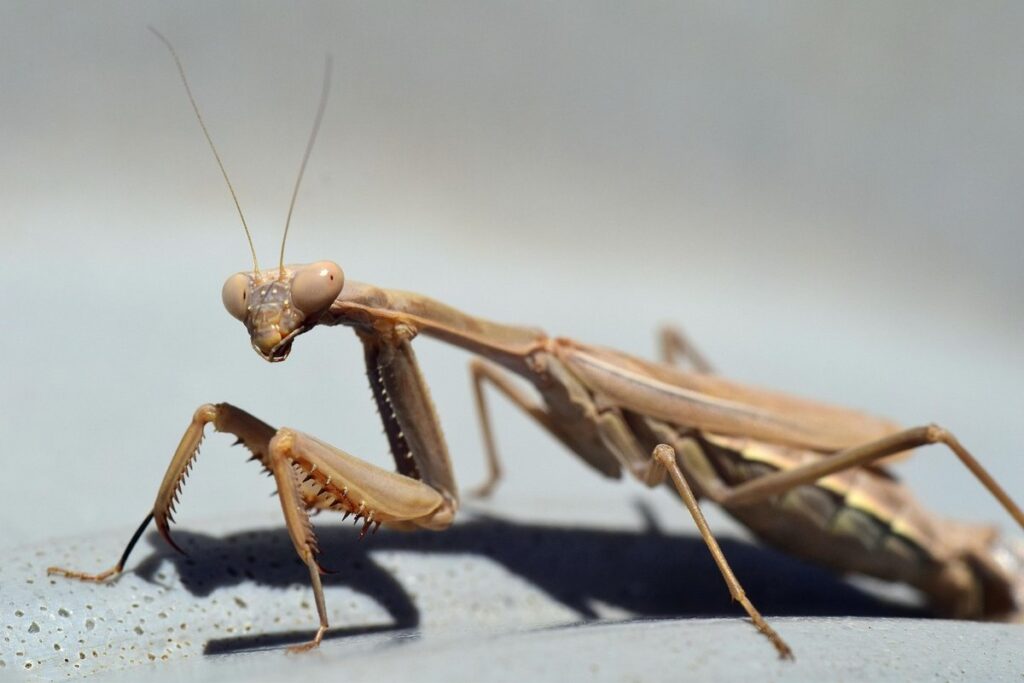
Understanding Praying Mantis Reproduction
To get a deeper understanding of these fascinating creatures, let’s take a closer look at how praying mantis reproduce and lay their precious egg sacks.
Life Cycle of Praying Mants
The life cycle of praying mantises is a fascinating process that leads up to reproduction. It begins with eggs, which are typically laid in egg sacks by adult females. These egg sacks can contain anywhere from 20 to over 400 eggs, depending on the species and environmental conditions.
As the eggs develop inside the egg sack, they go through several stages of metamorphosis. The first stage is embryonic development, during which the eggs absorb nutrients from the yolk sac. Next comes the larval stage, where the eggs hatch into small, legless larvae that feed on the remaining egg contents. As they grow and molt, the larvae develop into nymphs, which resemble miniature adults.
Female praying mantises can produce multiple egg sacks throughout their lifetime, with some species able to lay up to 10 or more in a single season. This high reproductive rate is crucial for the survival of the species, as it allows them to adapt quickly to changing environmental conditions and exploit available food sources.
Female Mantis Characteristics
A female praying mantis ready to lay eggs will exhibit distinct physical and behavioral characteristics that can be easily identified. One of the most noticeable signs is the swelling at the base of her abdomen, which can become quite pronounced as she prepares for egg-laying. This swelling is due to the accumulation of yolk in her ovaries, signaling the approach of oviposition.
Behaviorally, a female praying mantis will typically stop hunting and begin seeking out sheltered locations with low humidity to lay her eggs. She may also start to display a more relaxed demeanor, often resting or sleeping for extended periods. These behaviors indicate that she is focused on reproduction rather than survival or predation.
As the egg-laying process approaches, female praying mantis will often prepare their chosen location by clearing debris and arranging twigs in a protective nest-like structure. This deliberate behavior highlights her dedication to securing a safe environment for her offspring. If you’re lucky enough to spot a female mantis exhibiting these characteristics, be sure to respect her space and allow her to complete the egg-laying process undisturbed.
Importance of Egg Sacks in Mantis Reproduction
Egg sacks play a vital role in the survival of praying mantis species. Without them, these fascinating insects wouldn’t be able to reproduce and continue their lifecycle. The egg sack serves as a protective shield for the developing oothecae, which are the actual eggs themselves. This delicate structure ensures that the vulnerable young ones have a safe environment to grow and mature.
A single praying mantis female can lay multiple egg sacks in her lifetime, each containing anywhere from 20 to 400 eggs. The number of eggs in an egg sack is directly related to the size and health of the mother. Larger females tend to produce larger egg sacks with more eggs inside. This unique reproductive strategy allows praying mantis species to rapidly adapt to their environments and exploit food sources.
The importance of egg sacks cannot be overstated, as they enable praying mantis populations to thrive in various ecosystems.
Identifying Praying Mantis Egg Sacks
To confidently identify praying mantis egg sacks, look for small, oval-shaped clusters of 20-400 eggs attached to a surface by a silky thread. Check for distinctive patterns and textures that set them apart from other insect eggs.
Visual Identification Criteria
When it comes to identifying praying mantis egg sacks, there are several key visual cues to look out for. First and foremost, consider the shape of the egg sack itself. Praying mantis egg sacks are typically ovoid or teardrop-shaped, with a smooth, rounded surface. They can vary in length from about 1/4 inch to over an inch, depending on the size of the female praying mantis that laid them.
Coloration is another important identifier for egg sacks. While they can range in color from light tan or cream to dark brown or even black, most are a mottled mix of gray and brown hues. Take note that some species may have more vibrant markings or patterns on their egg sacks, but these are relatively rare.
When searching for praying mantis egg sacks, also keep an eye out for the characteristic “hanging” posture they often adopt from twigs or thin branches. This can make them blend in with their surroundings and be easily overlooked if you’re not paying close attention.
Location and Habitat Considerations
When searching for praying mantis egg sacks, it’s essential to consider the location and habitat of these elusive eggs. Praying mantis egg sacks can be found in various environments, from gardens and backyards to forests and fields.
In gardens and backyards, look for egg sacks on plants with soft leaves, such as ferns, peace lilies, or angel wings. These plants provide a safe haven for the mantis eggs, protecting them from predators and harsh weather conditions. When inspecting these areas, gently brush away any debris or leaf litter to reveal potential egg sacks.
In forests and fields, praying mantis egg sacks can be found on vegetation with sturdy stems, such as tall grasses, shrubs, or small trees. These habitats offer ample shelter for the eggs, allowing them to incubate undisturbed. When searching in these areas, keep an eye out for clusters of eggs attached to twigs, branches, or leaf stalks.
When examining potential egg sacks, remember that they can be easily mistaken for spider egg sacs or other plant debris. To confirm the presence of praying mantis eggs, look for distinctive features such as a rounded shape, pale yellow or white coloration, and a cluster of tiny eggs inside.
Tips for Handling and Capturing Egg Sacks
When handling or capturing egg sacks, it’s essential to exercise caution and prioritize the safety of the developing mantises inside. One critical consideration is the egg sack’s fragility – they are delicate structures that can easily be damaged if handled roughly.
To minimize risk, always handle egg sacks over a soft surface such as a piece of cloth or paper towel in case you accidentally drop them. Gently pick up the egg sack by its edges, taking care not to touch the mantises themselves. Avoid sudden movements or jarring actions that could dislodge the mantises from their sac.
It’s also crucial to capture egg sacks at night when the female praying mantis is most likely to be sleeping or less vigilant. This reduces the likelihood of her detecting your presence and becoming aggressive in defense of her eggs. If you must handle an egg sack during the day, try to approach it slowly and quietly, minimizing any disturbance to the surrounding area.
Praying Mantis Egg Sack Structure and Development
Let’s take a closer look at how praying mantis egg sacks are structured, from their intricate layers to the tiny developing insects inside.
Composition and Anatomy
An egg sack of a praying mantis is an intricate structure that provides optimal conditions for the development and protection of its eggs. The individual eggs are usually arranged in a specific pattern within the sac, with each one being about 1-2 mm in length. The eggs themselves are typically white or light yellowish in color and have a leathery texture.
The composition of an egg sack is crucial to support the development of the mantis embryos inside. The sac itself is made up of a tough, yet flexible material that provides protection against environmental stressors such as temperature fluctuations, humidity changes, and predators. As the eggs develop within the sac, they absorb nutrients from the yolk sac, which is attached to each egg.
The arrangement of eggs within the sac is usually in a radial or spiral pattern, allowing for maximum space utilization. This efficient packing allows the female mantis to lay more eggs without compromising their development. The unique structure and composition of an egg sack enable the praying mantis eggs to develop safely until they are ready to hatch.
Hatching Process and Timing
As the praying mantis egg sack nears hatching, a series of complex physiological and environmental processes come into play. The role of temperature is particularly crucial, as it triggers the breakdown of the egg membranes and the release of the nymphs. In general, temperatures between 65°F to 75°F (18°C to 24°C) are optimal for hatching. However, if the temperature drops below 60°F (16°C), the process can slow down significantly.
Humidity also plays a vital role in the hatching process. Praying mantis nymphs require a humid environment, typically above 50% relative humidity, to facilitate their emergence from the egg sack. Maintain a warm and humid environment by misting the egg sack lightly with water daily.
Avoid placing the egg sack near drafts or air conditioning vents, as this can cause the temperature and humidity levels to fluctuate erratically. Instead, position it in a sheltered location, such as under a plastic container or a moist cloth. This will help create a stable environment conducive to successful hatching. By providing optimal conditions, you’ll increase the chances of your praying mantis nymphs emerging healthy and ready to thrive.
Implications for Insect Farming and Research
Understanding the intricate structure and development of praying mantis egg sacks can have far-reaching implications for insect farming practices and research. For instance, studying the unique characteristics of these egg sacks can help scientists develop more effective methods for incubating eggs, leading to higher hatch rates and improved success in mantis breeding programs.
Furthermore, insights gained from analyzing egg sack structure may inform the design of artificial reproductive systems for other insects, opening up new avenues for large-scale insect farming. This could lead to increased availability of beneficial insects like pollinators or pest controllers, as well as novel protein sources for human consumption.
Moreover, research on praying mantis egg sacks can also shed light on the fascinating biology of these creatures. By examining the intricate networks of blood vessels and nutrient supply systems within the egg sack, scientists may uncover new principles for optimizing reproductive efficiency in insects. This knowledge could have significant implications for agriculture and conservation efforts, ultimately contributing to a more sustainable future for our planet’s ecosystems.
Benefits and Importance of Praying Mantis Egg Sacks
As you prepare to care for your praying mantis egg sacks, it’s essential to understand the benefits and importance they bring to these fascinating insects. In this section, we’ll explore their significance in detail.
Natural Pest Control
One of the most significant benefits of praying mantis egg sacks is their contribution to natural pest control. These beneficial insects play a crucial role in maintaining a balanced ecosystem by preying on other unwanted pests. A single praying mantis can devour numerous insects, including mosquitoes, flies, and even small moths.
In fact, research has shown that a mature female praying mantis can consume up to 20-30 smaller insects per day. This makes them an excellent natural control measure for gardens and homes plagued by pest infestations. For example, if you have aphids on your plants, introducing a few praying mantises into the area can help regulate their populations.
To incorporate praying mantis egg sacks into your natural pest control strategy, consider the following tips:
• Release praying mantises in areas with high pest activity
• Provide shelter and food for these beneficial insects to encourage them to stay
• Avoid using pesticides near released mantises, as this can harm them
By introducing praying mantis egg sacks into your garden or home, you’re not only creating a natural pest control system but also attracting other beneficial insects that will help maintain a balanced ecosystem.
Biodiversity and Ecosystem Balance
When we think of praying mantis egg sacks, our minds often wander to their impressive size and unique structure. However, beyond these fascinating features, egg sacks play a vital role in maintaining biodiversity and ecosystem balance.
In natural environments, praying mantises are both predators and prey. As they hunt and feed on other insects, they help regulate population sizes, preventing any one species from dominating the landscape. Similarly, when mantises fall prey to birds, spiders, or other predators, it creates a ripple effect throughout the food chain. By serving as both predator and prey, praying mantis egg sacks contribute to this delicate balance.
For example, a single praying mantis can consume hundreds of insects in its lifetime, including pests that might otherwise damage crops. In return, the mantis itself becomes a food source for other animals, supporting their survival and perpetuating the cycle. This intricate web of relationships ensures the health and resilience of ecosystems, making the humble praying mantis egg sack an often-overlooked yet vital component of biodiversity.
To incorporate these benefits into your own garden or outdoor space, consider creating a mantis-friendly habitat by planting native vegetation, reducing pesticide use, and providing shelter for these predators.
Fascinating Insect Behavior
One of the most captivating aspects of praying mantis biology is their fascinating behavior, particularly when it comes to courtship and mating rituals. These complex social interactions are crucial for the survival of the species, as they determine the success of fertilization and ultimately, the quality of future offspring.
During courtship, male praying mantises will often engage in a series of intricate dances to impress potential mates, showcasing their strength, agility, and vibrational signals. This elaborate display can include complex movements such as wing vibrations, tail flicks, and even mock battles to establish dominance. Successful males are then rewarded with mating privileges, where they deposit sperm packets into the female’s reproductive tract.
Interestingly, some praying mantis species have been observed exhibiting unique courtship behaviors, such as the “tremble dance” or the “head-bobbing display.” These specialized rituals serve as essential signals for mate selection and ensure the best possible genetic pairing. By observing and understanding these fascinating courtship behaviors, we can gain a deeper appreciation for the intricate social dynamics at play in the world of praying mantis egg sacks.
Common Problems and Challenges with Praying Mantis Egg Sacks
When it comes to rearing praying mantis from egg sacks, you’ll inevitably encounter some common problems that can be frustrating to tackle. Let’s explore some of these challenges together.
Parasites and Predators
When it comes to praying mantis egg sacks, one of the biggest challenges they face is the threat of parasites and predators. These unwanted visitors can cause significant damage to the developing eggs, reducing their chances of survival.
Some common parasites that target praying mantis egg sacks include:
* Tachinid flies: These parasitic flies lay their eggs inside the egg sack, where the larvae feed on the developing mantis eggs.
* Wasps: Certain species of wasps, such as paper wasps and yellowjackets, are known to prey on praying mantis egg sacks.
As for predators, spiders, ants, and other insects can all pose a threat to the egg sack. For example, certain species of ground beetles have been observed preying on praying mantis egg sacks in the wild.
To minimize the risk of parasites and predators attacking your praying mantis egg sack, make sure to provide it with a safe and secure environment. This includes placing it in a location that is protected from direct sunlight and extreme temperatures. Regularly inspecting the egg sack for signs of damage or infestation can also help you catch any potential problems early on.
Environmental Factors Affecting Hatching Success
Temperature fluctuations can significantly impact hatching success. Praying mantis eggs are typically laid in late summer or early fall and incubate for around 40-50 days before hatching. However, if the temperature drops too low during this period, it may slow down or even halt the development of the embryos inside the egg sack.
Humidity levels also play a crucial role in the hatching process. Praying mantis eggs need to maintain a consistent level of humidity, typically around 50-60%. If the environment is too dry, it can cause the eggs to desiccate and fail to hatch.
Weather events like heavy rain or extreme heatwaves can further exacerbate these issues. For example, if your egg sack is exposed to direct sunlight during a heatwave, it may overheat and cause the eggs to cook internally. Similarly, if it’s submerged in water due to heavy rainfall, it may rot and kill the developing mantis inside.
To mitigate these risks, it’s essential to provide a stable and controlled environment for your egg sack. This can be achieved by placing them in a secure, shaded area with consistent temperature and humidity levels between 65-75°F (18-24°C) and 50-60% RH.
Tips for Overcoming Challenges and Ensuring Successful Hatchings
While it’s not uncommon for praying mantis egg sacks to encounter challenges during the hatching process, there are several strategies you can employ to increase the chances of a successful hatching. One key tip is to provide a humid environment – ideally between 60-80% relative humidity – and maintain a consistent temperature within a range of 65-75°F (18-24°C). This will help mimic the natural conditions that the egg sacks would experience in the wild.
Another crucial factor is ensuring adequate ventilation. Make sure you’re not overcrowding the enclosure, as this can lead to suffocation and increased risk of fungal infections. You should also avoid placing the egg sack near a heat source or draft, which can cause stress to the developing nymphs.
To promote healthy development, monitor the egg sack regularly for signs of mold, discoloration, or other issues. If you notice any problems, gently remove the affected areas and place them in a separate container with some water and a small amount of food.
Conclusion: Conservation and Appreciation of Praying Mantis Egg Sacks
Now that you’ve learned how to identify, care for, and appreciate these incredible egg sacks, let’s discuss some final thoughts on conservation and appreciation.
Importance of Preserving Natural Habitats
Preserving natural habitats is crucial for maintaining healthy praying mantis populations. These insects are often considered beneficial to gardens and ecosystems due to their role as predators that control insect pests. However, their survival depends on the presence of suitable environments where they can find food, shelter, and mates.
A significant threat to praying mantis populations is habitat destruction. When natural habitats such as forests, grasslands, or wetlands are converted into agricultural land or urban areas, praying mantises lose their homes and food sources. This loss of biodiversity can have a ripple effect throughout ecosystems, leading to imbalances in the food chain.
To preserve natural habitats and support praying mantis populations, individuals can take action by:
• Creating insect-friendly gardens with native plants that provide shelter and food for praying mantises
• Reducing pesticide use, which can harm these beneficial insects
• Protecting and restoring natural areas, such as wetlands or forests, where praying mantises can thrive
Role in Insect Conservation Efforts
Understanding and appreciating praying mantis egg sacks can have a significant impact on broader insect conservation efforts. By studying these unique reproductive structures, researchers gain valuable insights into the behavior, ecology, and evolution of praying mantises, as well as other insects.
For instance, observing the diversity in egg sack morphology among different species has led scientists to investigate how environmental factors influence their development. This knowledge can be applied to inform conservation strategies for threatened or endangered insect populations. Moreover, appreciating the intricate designs and patterns on egg sacks can foster a deeper appreciation for these insects, leading to increased awareness about the importance of preserving biodiversity.
Practically speaking, enthusiasts can contribute to insect conservation by documenting and sharing observations of praying mantis egg sacks in their natural habitats. By doing so, they provide valuable data that can be used by researchers to better understand the ecological role of these insects and develop targeted conservation efforts.
Final Thoughts on Praying Mantis Egg Sacks
As we conclude our comprehensive guide to praying mantis egg sacks, it’s essential to consider the broader implications of these remarkable insects. Praying mantis egg sacks are not only a fascinating aspect of insect biology but also a vital component of ecosystem health.
By understanding and appreciating these egg sacks, we can gain valuable insights into the intricate relationships between predators and prey in natural environments. For example, research has shown that praying mantis eggs can serve as an important food source for other animals, such as birds and spiders.
As conservation efforts continue to focus on protecting insect populations, it’s crucial to recognize the significance of egg sacks in maintaining biodiversity. By preserving habitats and reducing pesticide use, we can help ensure the long-term health and resilience of praying mantis populations.
Ultimately, our journey through the world of praying mantis egg sacks has revealed the intricate beauty and importance of these tiny structures. By embracing a deeper appreciation for these insects, we can work towards creating a more harmonious coexistence between humans and nature.
Frequently Asked Questions
Can I safely move a praying mantis egg sack to my insectarium or terrarium?
Yes, with proper care and precautions, you can transfer the egg sack to a controlled environment for observation. Ensure that the egg sack is secure and protected from extreme temperatures, humidity fluctuations, and potential predators.
How do I know when a praying mantis egg sack is about to hatch, and what should I expect during this process?
Praying mantis eggs typically take 6-8 weeks to develop before hatching. During this time, you may notice the eggs moving or darkening in color due to the developing nymphs inside. Once hatching begins, expect to see tiny, wriggling nymphs emerging from the egg sack.
What are some common challenges I might face when trying to observe and maintain a praying mantis egg sack?
Challenges may include temperature fluctuations, humidity extremes, or predators attracted to the egg sack. Be prepared for these potential issues by maintaining a stable environment, providing adequate food and shelter for adult mantises, and keeping an eye out for signs of predation.
Can I use praying mantis egg sacks in insect farming or research applications?
Yes, praying mantis eggs can be valuable resources for insect farmers and researchers. They are a natural way to introduce these beneficial insects into controlled environments, supporting biological pest control and providing insights into the life cycles of praying mantises.
How do I store and care for praying mantis egg sacks during extended periods or when not in use?
To maintain viability, store praying mantis eggs in a secure, ventilated container at room temperature (around 65-75°F) with moderate humidity. Avoid direct sunlight, extreme temperatures, or excessive moisture, which can compromise the health of the developing nymphs.