
Are you an aspiring duck breeder looking to increase your chances of hatching healthy ducklings? Or maybe you’re already experienced in raising ducks, but want to ensure that your eggs are incubated correctly every time? Either way, choosing and using a duck egg incubator is a crucial step in the breeding process. But with so many types of incubators on the market, and various methods of temperature control, it can be overwhelming to know where to start.
In this article, we’ll cover everything you need to know about using a duck egg incubator correctly. We’ll explore the different types of incubation methods, including forced air and turn-only systems, and provide tips for maintaining optimal temperature control. Plus, we’ll address common issues that may arise during incubation, so you can troubleshoot your way to successful hatching. Whether you’re just starting out or looking to improve your existing techniques, keep reading to become a pro at using a duck egg incubator!
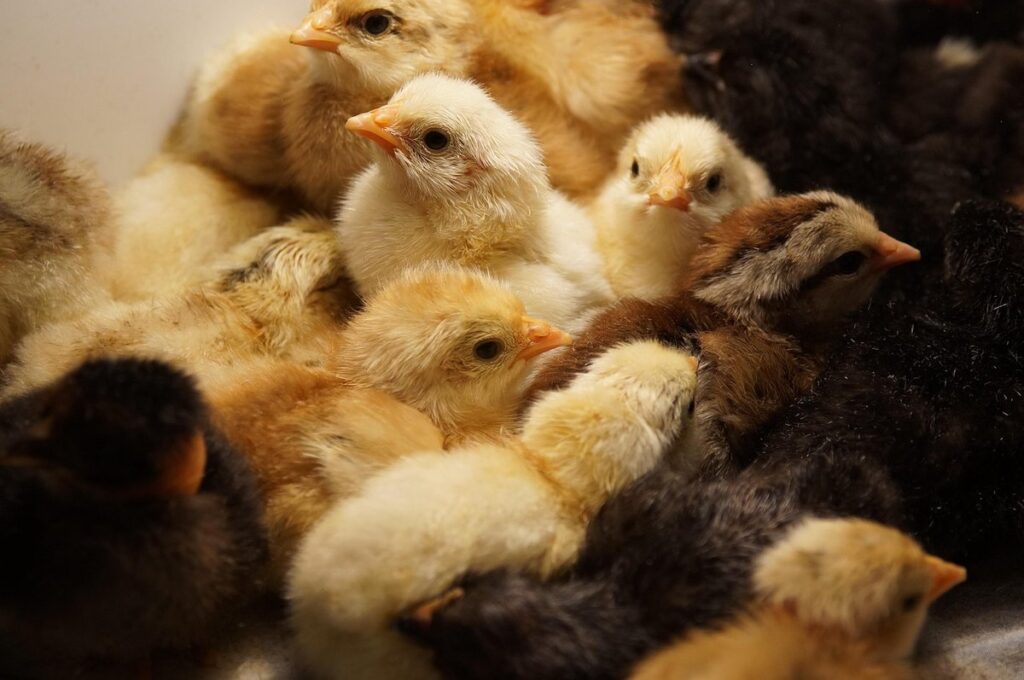
Understanding Duck Egg Incubation
To successfully hatch your duck eggs, it’s essential to grasp the basics of incubation, including temperature control and turning schedules. We’ll break down these crucial factors in this section.
Importance of Proper Incubation Temperature
When it comes to duck egg incubation, temperature is one of the most critical factors that can make or break the success of your hatch. Proper incubation temperature has a direct impact on embryo development and ultimately determines the health and viability of your chicks.
The ideal temperature range for duck eggs is between 99°F (37°C) and 100°F (38°C), with slight variations depending on the breed and stage of incubation. If the temperature drops or rises by just a few degrees, it can slow down or even stop embryo development altogether. For example, if the temperature falls below 97°F (36°C), the embryo’s growth will be severely impaired, leading to weak or deformed chicks.
To achieve optimal temperature control, it’s essential to invest in a reliable duck egg incubator with precise temperature regulation. Look for an incubator that allows you to set and maintain a consistent temperature within ±0.1°F (±0.05°C). Regularly monitoring the temperature and making adjustments as needed is also crucial to ensure successful hatching.
Types of Incubation Methods
When it comes to incubating duck eggs, you have several options when it comes to choosing an incubation method. One popular approach is using a forced air incubator. These machines provide a controlled environment for the eggs, maintaining optimal temperature and humidity levels throughout the incubation period. They’re particularly useful for large-scale operations or when you need to monitor the process closely.
Still air incubators are another common choice. As the name suggests, these units rely on natural convection to maintain temperatures within the incubator. While they might not offer the same level of precision as forced air models, still air incubators can be an economical and space-efficient option for smaller flocks.
Some backyard duck keepers also choose to use broody hens to incubate their eggs naturally. This approach is often seen as low-tech and cost-effective, but it requires a certain level of experience with ducks and their behavior. For example, you’ll need to identify a reliable broody hen that will sit consistently on the eggs without getting up too frequently.
Choosing the Right Duck Egg Incubator
When it comes to raising healthy ducklings, selecting the right incubator is crucial. This section will guide you through the key factors to consider when choosing a reliable and efficient duck egg incubator.
Factors to Consider When Selecting an Incubator
When selecting a duck egg incubator, there are several key factors to consider to ensure you find the right one for your needs. First and foremost, think about capacity – how many eggs do you need to incubate at one time? If you’re just starting out or have a small flock, a smaller incubator may be sufficient. However, if you’re planning on raising a large number of ducks, a larger incubator will save you time and hassle in the long run.
Temperature control is also crucial – look for an incubator with precise temperature control and multiple heating elements to ensure consistent heat distribution. Humidity management is equally important; ideal humidity levels can range from 40-60%, depending on the stage of incubation. Some incubators come with built-in humidistats, while others require manual adjustments.
Finally, ease of use should be a top priority – you don’t want an incubator that’s complicated to operate or requires constant attention. Look for features like automatic temperature and humidity control, as well as easy-to-read displays and intuitive controls. A user-friendly interface will save you time and reduce stress during the incubation process.
Popular Types of Incubators for Duck Eggs
When it comes to choosing an incubator for duck eggs, you’ll want to consider different types of incubators that cater to various needs and budgets. One popular option is the digital incubator, which uses advanced technology to monitor temperature, humidity, and egg turning. These incubators often come with features like automatic temperature control, alarm systems, and data logging capabilities.
Another type of incubator for duck eggs is the analog incubator, which relies on manual temperature and humidity control. While they may not have all the bells and whistles of digital incubators, they can be a cost-effective option for small-scale egg hatching projects. Analog incubators also promote a more hands-on approach to incubation, allowing you to get a feel for the process.
Automatic turners are another essential feature in some incubators, designed to rotate eggs at set intervals to prevent sticking and ensure even development. This can be particularly useful if you’re new to duck egg hatching or have limited space to manually turn eggs. When choosing an incubator, consider your specific needs and prioritize features that align with your goals – whether it’s a high-tech digital setup or a more traditional analog approach.
Setting Up Your Duck Egg Incubator
Now that you’ve chosen your incubator, it’s time to set it up and get ready for a successful hatch. In this next step, we’ll guide you through the essential setup procedures.
Preparation Before Starting the Incubation Process
Before you start the incubation process, it’s essential to prepare your duck egg incubator and eggs for optimal results. First, thoroughly clean and sanitize the incubator using a mild detergent and water solution. This will prevent bacterial growth and contamination that can affect the health of the developing embryo.
Next, inspect each duck egg carefully for any visible cracks or damage. Make sure the eggs are clean and dry before placing them in the incubator. It’s also crucial to set up your monitoring equipment, such as temperature and humidity gauges, to ensure accurate readings throughout the incubation period. This will help you identify any issues early on and make adjustments as needed.
Remember to store your duck eggs in a cool, dry place until they’re ready for incubation. Keep them pointed end down to prevent moisture from accumulating inside the egg. By taking these essential steps before starting the incubation process, you’ll be well-prepared to give your ducklings the best chance of hatching successfully.
Maintaining a Healthy Environment Inside the Incubator
Maintaining a healthy environment inside the incubator is crucial for successful duck egg hatching. Temperature control is essential, as it should be between 99-100°F (37-38°C) during the first 24 hours and then decrease by 1-2°F every day to stimulate embryonic development. Humidity levels also play a significant role; aim for around 50-60% relative humidity to prevent moisture-related issues.
Air circulation is equally important, as stagnant air can lead to respiratory problems in the developing embryos. To ensure proper ventilation, consider adding a ventilation system or increasing the incubator’s clearance from surrounding surfaces. pH levels must also be monitored, ideally between 7.2 and 7.6, using pH testing strips or a pH meter.
Regular checks should be performed on all of these factors to prevent deviations that can harm your ducklings’ development. You can purchase an incubation monitoring system for more precise control over temperature, humidity, and other parameters. Keeping accurate records will also enable you to identify patterns and make necessary adjustments accordingly.
Managing Duck Egg Incubation
When it comes time to incubate your precious duck eggs, proper management is crucial for successful hatching. This guide will walk you through essential steps and considerations for maintaining a healthy environment.
Monitoring Temperature and Humidity Levels
Monitoring temperature and humidity levels is crucial during duck egg incubation. A slight deviation from optimal conditions can significantly impact hatch rates and embryo development. To ensure you’re providing the best environment for your eggs, it’s essential to invest in reliable thermometers and hygrometers.
A digital thermometer with a probe that can be placed inside the incubator will provide accurate temperature readings. Aim for a consistent temperature between 99°F and 100°F (37°C to 38°C). Some incubators come with built-in temperature controls, but if not, you’ll need to adjust the thermostat manually. A small temperature fluctuation of ±0.5°F is acceptable.
Humidity levels are equally important, ranging from 50% to 60%. A hygrometer will help you maintain this balance. Overly dry air can cause eggs to lose moisture too quickly, while excessive humidity can lead to mold and bacterial growth. Check your hygrometer frequently to adjust the misting system or humidifier as needed.
Regular monitoring and adjustments are key to maintaining optimal conditions. Make it a habit to check temperature and humidity levels at least twice a day, taking note of any changes. This will help you catch any potential issues before they affect your eggs’ development.
Turning and Handling Eggs During Incubation
Regular egg turning is crucial during duck egg incubation to ensure even development and prevent any potential issues. If eggs are not turned regularly, the yolk will settle at the bottom of the egg, leading to a deformed embryo or even a failed hatch.
To turn eggs manually, start by gently grasping the egg between your thumb and index finger, with the pointed end facing upwards. Rotate the egg slowly in one direction for about 30 seconds before reversing direction. Repeat this process several times throughout the day, ideally every 6-8 hours.
Automatic egg turners are also a great option, especially if you’re incubating large quantities of eggs or don’t want to manually intervene every few hours. These devices can be programmed to rotate the eggs at specific intervals, ensuring consistent and reliable turning.
When choosing an automatic turner, consider factors such as ease of use, reliability, and adaptability to different egg sizes. Some popular options include those with adjustable rotation speed and multiple rotation patterns, which can cater to the unique needs of duck eggs during incubation.
Common Issues with Duck Egg Incubators
As you get familiar with your new duck egg incubator, you may encounter some common issues that can affect its performance and overall success. Let’s dive into the most frequent problems to look out for.
Troubleshooting Common Problems
If you’re experiencing issues with your duck egg incubator, don’t worry – it’s not uncommon. Temperature fluctuations are a common problem that can be caused by faulty thermostats, poor insulation, or incorrect temperature settings. To prevent this, make sure to regularly check the temperature gauge and adjust as necessary.
Humidity imbalances can also occur if the incubator is too dry or too humid. This can lead to cracked eggs or uneven hatching. To maintain a consistent humidity level, ensure that you’re using a high-quality water reservoir and monitoring the moisture levels regularly.
Poor air circulation can cause condensation to build up inside the incubator, leading to mold growth and contamination. Ensure that the incubator is well-ventilated by leaving a small gap between the lid and the body of the unit or by installing a fan for improved airflow. By addressing these common issues, you’ll be well on your way to successful duck egg incubation.
It’s also essential to clean and disinfect the incubator regularly to prevent bacterial growth and ensure optimal conditions for your eggs. This can include daily cleaning of the exterior with soap and water, as well as more thorough deep cleans every week or two using a solution specifically designed for cleaning equipment used in food processing.
Preventing Contamination and Biosecurity Measures
Preventing contamination is a crucial aspect of maintaining the health and fertility of your duck eggs. When it comes to incubators, even the slightest introduction of bacteria can lead to catastrophic consequences. To prevent this from happening, it’s essential to implement strict biosecurity measures.
Firstly, ensure that all personnel handling the eggs wear clean, disposable gloves. This is particularly important during transfers or cleaning processes, where the risk of contamination is highest. Next, maintain a spotless environment by regularly disinfecting surfaces and equipment with a veterinary-grade sanitizer. Change the sanitizer solution frequently to avoid the buildup of bacterial populations.
Avoid cross-contamination between incubator rooms or sections by using dedicated equipment and supplies for each area. Finally, keep a close eye on temperature and humidity levels within your incubators, as deviations from optimal ranges can lead to contamination and decreased fertility rates.
Regular cleaning and maintenance schedules are also crucial in maintaining the health of both eggs and equipment. Be sure to schedule these tasks accordingly to avoid any lapses in care.
Maximizing Success with Your Duck Egg Incubator
Now that you’ve chosen your duck egg incubator, let’s dive into the next crucial step: getting the most out of it to ensure a successful hatching process.
Tips for Achieving High Hatch Rates
Achieving high hatch rates with your duck egg incubator requires attention to detail and a solid understanding of proper egg handling, temperature control, and turning techniques. When collecting eggs from the nesting box, make sure to handle them gently to avoid cracking or breaking.
Maintain a consistent incubation temperature between 99°F and 100°F (37°C to 38°C) to promote healthy embryo development. Ensure accurate temperature readings by investing in a reliable thermometer that can be placed directly within the incubator. A temperature deviation of just 1-2°F (0.5-1°C) can significantly impact hatch rates.
Turning techniques also play a crucial role in successful hatching. It’s essential to turn eggs at least 3 times daily to prevent sticking and promote even growth. You can use an automatic egg turner or manually rotate the eggs by hand, making sure to gently flip them over to their opposite sides.
Additionally, make sure to maintain proper humidity levels within the incubator. A relative humidity of around 50-60% will help regulate moisture loss and support healthy embryo development.
Conclusion and Next Steps
As you’ve reached the end of this comprehensive guide to duck egg incubators, we hope you’re now equipped with the knowledge and confidence to successfully hatch healthy ducklings. Remember that choosing the right incubator is just the first step – it’s how you use it correctly that will determine your success.
To recap, some key takeaways from our discussion include understanding the different types of incubators available, including digital and analog models, as well as electric and non-electric options. We also explored the importance of maintaining proper temperature and humidity levels, and the role of turning and candling in the hatching process. Additionally, we touched on the benefits of using an egg turner and the dangers of over-handling eggs.
If you’re looking to further improve your duck egg incubation skills, consider consulting reputable resources such as the Poultry Keepers Handbook or online forums dedicated to backyard chicken keeping. Next steps might include experimenting with different breeds, exploring alternative heat sources, or upgrading to a more advanced incubator model. Whatever your goals, we wish you continued success in your journey to becoming a proficient duck egg incubator user!
Frequently Asked Questions
How Do I Choose the Right Incubation Method for My Duck Eggs?
When selecting an incubation method, consider your available space, budget, and experience level. If you’re a beginner, a turn-only system might be more suitable as it’s easier to maintain consistent temperature control. Forced-air systems are ideal for larger operations or those requiring precise temperature control.
What Are Some Common Issues with Duck Egg Incubators and How Can I Troubleshoot Them?
Common issues include inconsistent temperature control, humidity imbalances, or improper egg handling. Regularly monitor temperature and humidity levels, ensure proper ventilation, and follow recommended turning schedules to prevent these problems. If issues persist, consult the manufacturer’s troubleshooting guide or seek expert advice.
Should I Use a Digital or Analog Thermometer for My Duck Egg Incubator?
Both digital and analog thermometers have their advantages and disadvantages. Digital thermometers provide accurate readings but may require calibration; analog thermometers are simpler to use but might be less precise. Choose the thermometer that suits your needs, ensuring it’s specifically designed for incubation applications.
How Can I Prevent Contamination and Maintain Biosecurity in My Duck Egg Incubator?
Regularly clean and disinfect the incubator, wash hands thoroughly before handling eggs or equipment, and maintain a separate area for ducks and egg storage. Avoid cross-contaminating equipment with other animals’ waste or supplies. Regularly check the incubator’s air quality to prevent ammonia buildup.
What Are Some Tips for Maximizing Success with My Duck Egg Incubator?
To achieve high hatch rates, ensure precise temperature control (99-100°F), maintain a consistent humidity level of 50-60%, and follow recommended turning schedules. Monitor egg weight gain regularly, as this can indicate embryo development issues. Keep accurate records to track your progress and identify areas for improvement.