
Feeding your adorable ducklings is one of the most enjoyable parts of raising them, but have you ever stopped to think about what you’re actually giving them? While bread might seem like an easy and convenient option, it’s not as harmless as you might think. In fact, feeding bread to ducklings can lead to some serious problems – from obesity and nutrient imbalance to unhealthy associations and behavioral issues. But don’t worry, with the right knowledge, you can raise happy and healthy ducklings that thrive on a balanced diet. This article will explore the dangers of feeding bread to ducklings in-depth, and provide expert tips on suitable alternatives for a healthier start in life.
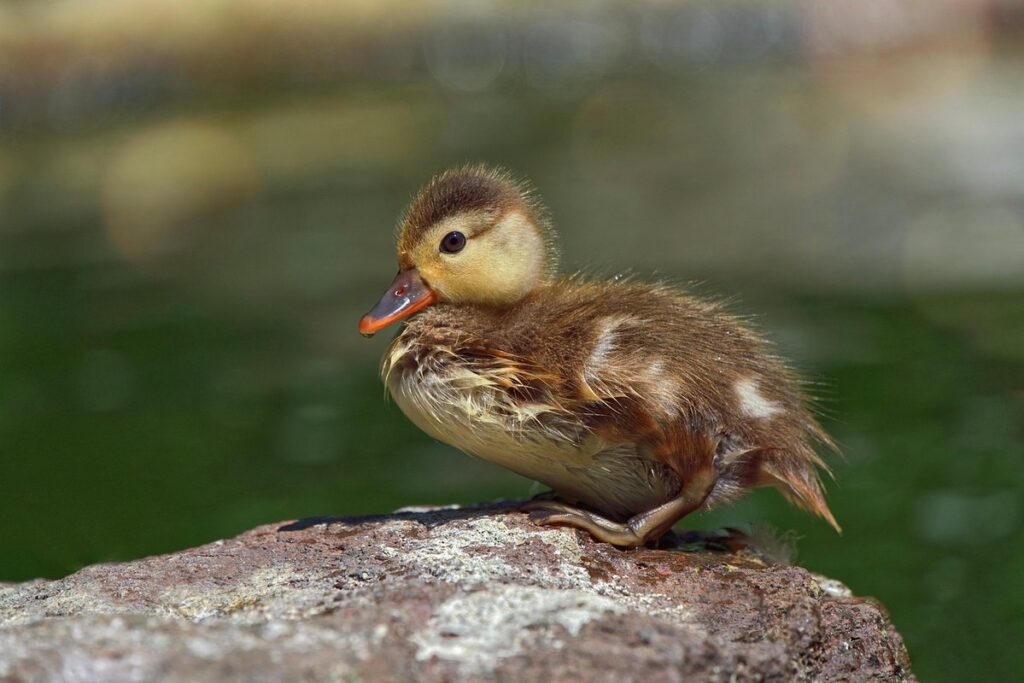
Risks of Feeding Bread to Ducklings
Feeding bread to ducklings may seem harmless, but it can lead to serious health issues and even death if not managed properly.
We’ll explore the potential risks of feeding bread to your ducklings in this section.
The Dangers of Obesity
Obesity is a major health concern for waterfowl when it comes to feeding bread to ducklings. The high carbohydrate content of bread can lead to overfeeding, causing these young birds to consume more calories than they need. This excessive intake can result in obesity, which increases the risk of various health problems.
For instance, overweight ducklings may experience difficulty walking or swimming due to their excess body weight. Moreover, obesity can exacerbate existing conditions such as respiratory issues, heart disease, and certain types of cancer. In severe cases, it can even shorten their lifespan.
To avoid this outcome, monitor the amount of bread fed to your ducklings closely. A good rule of thumb is to provide a balanced diet rich in nutrients and low in carbohydrates. Limit the frequency and quantity of bread offered as treats or rewards. For example, you could replace one meal of bread with a nutrient-rich food source like leafy greens or fruits. This will help ensure that your ducklings receive all the necessary nutrients for growth and development while minimizing the risk of obesity.
Nutrient Imbalance
When you feed bread to ducklings, you’re essentially depriving them of essential nutrients that are crucial for their growth and development. Ducklings require a balanced diet rich in protein, vitamins, and minerals to thrive. Bread, on the other hand, is low in these vital nutrients and high in empty calories.
A diet lacking in nutrients can lead to stunted growth and weakened immune systems in ducklings. They may appear healthy at first, but as they grow older, you’ll notice they’re not putting on weight or developing properly. Their feathers may become dull, and they may be more prone to illnesses. For instance, a lack of vitamin B12 can cause anemia, while inadequate calcium intake can lead to softening of their bones.
To avoid this, it’s essential to provide ducklings with a nutrient-rich diet from day one. You can supplement their feed with fruits and vegetables, or consider feeding them commercial duckling starter feeds that are formulated specifically for their needs. By doing so, you’ll be giving your ducklings the best possible start in life, setting them up for optimal health and growth.
Dependence on Humans
When you feed bread to ducklings regularly, they can become dependent on humans for food. This may seem harmless at first, but it’s actually detrimental to their natural behavior and survival skills. As a result, the ducklings may lose interest in foraging for their own food, which is an essential part of their development.
In the wild, ducklings learn important survival skills by searching for food on their own. They develop strong senses of smell and sight, allowing them to locate aquatic plants, insects, and small invertebrates. By relying on humans for bread, you’re depriving them of this crucial learning experience.
If you continue feeding bread to your ducklings, they may become aggressive when they don’t receive food from humans, or they might even forget how to forage altogether. This can lead to problems when you’re not around to provide their daily bread fix.
What’s Wrong with Bread as a Food Source
Feeding ducklings bread may seem harmless, but it can lead to nutritional deficiencies and unhealthy eating habits that affect their growth and development. Let’s explore why bread shouldn’t be your go-to food source for these young ducks.
Lack of Nutritional Value
Bread is often seen as an easy and convenient food source for ducklings, but it’s essential to understand its limitations. The reality is that bread is primarily composed of carbohydrates, which provide little to no nutritional value for these young birds. A diet rich in carbs can lead to a range of health problems, including malnutrition, digestive issues, and even death.
For ducklings to grow and thrive, they require a balanced diet rich in protein, fiber, and other essential nutrients. Protein is particularly crucial as it helps build strong muscles, bones, and feathers. Fiber, on the other hand, aids in digestion and keeps their gut healthy. Failing to provide these vital nutrients can result in weakened immune systems, stunted growth, and reduced egg production later in life.
A good quality commercial duckling starter or game bird feed is a safer option than bread as it provides a balanced mix of protein, fiber, and other essential nutrients.
Impact on Gut Health
When we feed ducklings bread as their primary food source, it can have a significant impact on their gut health. The problem lies in the fact that bread is high in simple carbohydrates and low in essential nutrients like fiber, vitamins, and minerals. As a result, feeding bread to ducklings can lead to an imbalance of gut bacteria, causing digestive issues.
This imbalance occurs because our ducklings’ gut microbiome needs a diverse range of nutrients to function properly. When we feed them bread, it creates an environment where pathogenic bacteria thrive, while beneficial bacteria are underrepresented. This can result in problems like diarrhea, constipation, and even malabsorption of essential nutrients. Furthermore, a compromised gut microbiome can also weaken our ducklings’ immune system.
To avoid these issues, it’s crucial to include a balanced diet that includes a mix of protein sources, vegetables, and whole grains. By doing so, we can promote a healthy balance of gut bacteria, ensuring our ducklings grow strong and resilient.
Unhealthy Associations
When it comes to feeding ducklings bread as a regular food source, there’s another aspect you need to consider: unhealthy associations. This can have long-term consequences for the health and behavior of your ducklings.
By constantly offering bread, you’re inadvertently teaching them that this processed, often high-carb food is their primary source of nutrition. As they grow into adult ducks, they might start foraging for human scraps or bread specifically instead of eating natural foods like plants, insects, and seeds.
This can lead to several issues: malnutrition due to a lack of essential nutrients, obesity from consuming too many carbs, and an altered gut microbiome.
It’s not just about the ducklings’ physical health; their behavior is also affected. They may lose interest in exploring natural food sources, leading to reduced foraging skills and decreased independence.
To break this unhealthy association, it’s crucial to gradually introduce balanced, nutrient-rich foods while limiting or eliminating bread from their diet altogether. This can be a challenging process, but with patience and consistency, your ducklings will learn to thrive on a diverse range of natural food sources.
Suitable Alternatives to Bread
If you’ve decided that bread isn’t a good fit for your ducklings, don’t worry – there are plenty of nutritious alternatives to try. Let’s explore some options together.
Fresh Vegetables and Fruits
When it comes to supplementing your ducklings’ diet with fresh foods, consider incorporating a variety of colorful vegetables and fruits. Not only are these options healthier than bread, but they also provide essential nutrients for growth and development.
Some safe choices include leafy greens like kale, spinach, and collard greens, which can be offered in moderation as a treat or mixed into their starter feed. Carrots, sweet potatoes, and squash are also great sources of vitamins A and C. Fresh fruits such as berries (strawberries, blueberries, raspberries), melons, and apples can be chopped up and added to their diet.
Incorporating fresh foods into your ducklings’ diet has numerous benefits, including improved digestion and a boost in overall health. To make the most of this practice, ensure that you are introducing new foods gradually and in small amounts to prevent digestive upset. Start by offering tiny pieces or mixing them with their starter feed, then gradually increase the serving size as they become accustomed. Remember to always provide fresh water and a balanced diet, supplementing with fresh foods only occasionally.
High-Quality Duck Feed
When it comes to feeding ducklings, bread may seem like an easy option, but it’s not the best choice for their nutritional needs. That’s why it’s essential to provide high-quality commercial duck feed as the main staple of their diet.
Commercial duck feed is specifically formulated to meet the unique nutritional requirements of waterfowl. These feeds are designed to provide a balanced mix of protein, fat, vitamins, and minerals that support healthy growth and development in ducklings. A good quality duck feed should contain around 16-18% protein, which is crucial for building strong muscles and immune systems.
One key benefit of using commercial duck feed is that it helps prevent overfeeding on bread, which can lead to malnutrition and other health issues. By providing a complete and balanced diet, you’ll be giving your ducklings the best chance at optimal health and well-being. To get started, simply follow the manufacturer’s feeding guidelines for the recommended amount of commercial duck feed per day.
When shopping for duck feed, look for reputable brands that adhere to strict quality control measures. You can also ask your local pet store or farm supplier for recommendations on high-quality duck feeds suitable for your region and climate.
Treats in Moderation
When it comes to duckling treats, it’s essential to remember that moderation is key. While bread may be a convenient and tasty option, overindulging in it can lead to nutritional imbalances and unhealthy habits.
In fact, research suggests that feeding ducklings high-carb foods like bread can cause digestive issues, energy crashes, and even lead to obesity. So, how do you balance treats with their nutritional needs? Start by limiting bread to no more than 10% of their daily diet. You can substitute this with healthier options like leafy greens, vegetables, or fruits.
For example, try adding chopped kale or spinach to their meal mix for an extra boost of nutrients. Some duckling owners also swear by treats made from oats, barley, or quinoa, which are rich in fiber and minerals. Remember, the key is to introduce variety and diversity in their diets while keeping bread as an occasional treat.
When offering treats, make sure they’re not filling up on bread instead of their main meals. This means watching portion sizes and ensuring they’re eating a balanced diet that includes protein-rich foods like mealworms or crickets. By being mindful of their snack choices and sticking to moderation, you’ll be setting your ducklings up for a happy and healthy life.
Tips for Raising Healthy Ducklings
When it comes to raising healthy ducklings, making sure they’re getting all the nutrients they need is crucial. We’ll walk you through some expert tips to ensure your feathered friends thrive under your care.
Regular Feeding Schedules
When it comes to raising healthy ducklings, establishing a regular feeding schedule is crucial. By sticking to a consistent routine, you’ll be able to maintain their optimal weight and prevent overfeeding. Imagine this: you’re watching your adorable ducklings grow and thrive right before your eyes, but then one day you notice they’ve become bloated or lethargic. This could be a sign that they’re eating too much, leading to health issues down the line.
To avoid this scenario, plan out a feeding schedule that works for you and your feathered friends. For instance, if you feed them twice a day, try to stick to the same times every day, even on weekends or holidays. You can also consider using a timer or reminder on your phone to ensure you don’t forget a meal. A general rule of thumb is to offer bread as 10-15% of their total daily calories, with the rest coming from nutrient-rich foods like starter crumbles and vegetables.
By sticking to this schedule, you’ll be able to monitor their growth and make adjustments as needed. Remember, consistency is key when it comes to feeding ducklings. Not only will they appreciate a predictable routine, but you’ll also avoid overfeeding and promote overall health and well-being.
Providing Adequate Water
Providing adequate water is just as crucial for ducklings as providing nutritious food. In fact, water makes up a significant portion of their body weight, and it’s essential for digestion, circulation, and overall health.
Make sure to provide clean, fresh water at all times for your ducklings to drink from. Change the water frequently, ideally every 2-3 hours, especially in warm weather or when feeding bread regularly. This is because ducklings are prone to bacterial infections, such as wet grass syndrome, which can be spread through contaminated water.
To keep the water fresh and clean, it’s a good idea to have multiple sources available at all times. You can also consider using a waterer that’s specifically designed for ducklings, with built-in features like automatic cleaning or filtration systems.
Remember, ducklings need access to plenty of water throughout the day, especially when they’re eating bread. A general rule of thumb is to provide about 1-2 ounces of water per pound of body weight per day. Monitor your ducklings’ consumption and adjust accordingly to ensure they’re staying hydrated.
Supervising Duckling Behavior
As duckling owners, it’s essential to supervise their behavior closely, especially when they’re still young and vulnerable. When feeding them bread, ensure that you’re watching for signs of overeating or gorging, which can lead to digestive problems and other health issues.
Here are some key things to keep an eye out for:
* Monitor the ducklings’ water intake: Make sure they have access to fresh, clean water at all times. Avoid letting them drink from puddles or standing water that may contain bacteria.
* Watch for signs of discomfort: If you notice any of your ducklings acting lethargic, vomiting, or having loose stools after eating bread, it’s likely a sign that they’ve overeaten.
* Keep an eye on their activity levels: Ducklings need plenty of space to move around and exercise. Make sure they have enough room to roam and play, especially if you’re feeding them large quantities of bread.
By paying close attention to your duckling’s behavior and health, you can help prevent common problems associated with feeding them bread. This includes identifying potential issues early on so that you can take corrective action before things escalate.
Common Misconceptions About Feeding Ducklings Bread
Feeding ducklings bread may seem harmless, but it’s essential to separate fact from fiction when it comes to their diet. In this section, we’ll debunk some common misconceptions about feeding ducklings bread.
The “Free Food” Myth
Feeding bread to ducklings may seem like a kind gesture, but it’s a common misconception that does more harm than good. Many people assume that offering bread is a way to show affection and generosity towards these adorable creatures. However, the reality is that bread lacks essential nutrients necessary for their growth and development.
Ducklings have specific dietary needs that are different from humans. Bread provides empty calories, which can lead to malnutrition, digestive problems, and even death. For instance, a duckling fed solely on bread may develop fatty liver syndrome, a condition where the liver becomes inflamed due to excess fat accumulation. This can be fatal if left untreated.
If you’re looking for ways to bond with your ducklings or show them love, consider offering healthy treats like leafy greens, fruits, and vegetables. You can also try creating a safe and interactive environment for them to explore. By making informed choices about their nutrition, you’ll not only ensure their health but also build a stronger connection with these remarkable animals.
Cultural Significance of Bread-Fed Ducklings
Cultural Significance of Bread-Fed Ducklings
In many parts of the world, particularly in Europe and North America, feeding ducklings bread is a deeply ingrained tradition. This practice often carries cultural significance, passed down through generations as a symbol of community bonding and affection for these charming birds. In some cities, it’s not uncommon to see residents gathering by ponds or lakes to feed the local duck populations, creating a sense of shared experience and social connection.
However, this cultural significance is also tied to the misconception that bread is a suitable substitute for a balanced diet in ducklings. This myth has led to the neglect of proper nutrition and health issues in these young birds. To truly honor the cultural tradition of feeding ducklings, it’s essential to learn about their specific dietary needs and how to provide them with nutrient-rich foods.
When visiting areas where bread-feeding is common, consider bringing alternative food sources like leafy greens or commercial duckling feed to supplement what’s being offered. This approach not only supports the health of the ducklings but also acknowledges the cultural significance while promoting a more informed and responsible feeding practice.
Conclusion
Now that we’ve covered the ins and outs of feeding ducklings bread, let’s summarize the key takeaways from our conversation so far.
Recap of Key Points
As we wrap up this comprehensive guide on feeding ducklings bread, let’s take a moment to recap the key points discussed. Feeding bread to ducklings may seem like a harmless practice, but it can lead to serious health issues and even death if not managed properly. We’ve emphasized the importance of providing a balanced diet that meets the nutritional needs of growing ducklings.
We highlighted the risks associated with feeding bread, including malnutrition, obesity, and an increased risk of disease. A diet lacking essential nutrients can impair growth, reduce immune function, and lead to behavioral problems in ducklings. Conversely, offering a well-rounded diet that includes protein-rich foods like mealworms, crickets, or commercial starter feed can promote healthy development and prevent these issues.
To put this knowledge into practice, remember to prioritize a balanced diet for your ducklings. Offer a mix of nutrient-dense foods and provide fresh water at all times. Regularly monitor the health and behavior of your ducklings, making adjustments as needed to ensure they’re thriving.
Final Thoughts
As you’ve learned throughout this guide, providing proper nutrition for ducklings is crucial for their growth and development. It’s essential to prioritize their nutritional needs over convenience or personal preferences. Feeding them bread might seem harmless, but it can lead to serious health issues down the line.
Remember that every decision you make about your ducklings’ care will have a lasting impact on their well-being. By choosing nutrient-rich foods like starter crumbles and providing access to fresh water and greens, you’re setting them up for a healthy start in life.
Take this newfound knowledge and apply it to your daily routine with your feathered friends. Make informed decisions about their diet, and consider consulting with a veterinarian or experienced breeder if you have questions. By doing so, you’ll not only ensure the health of your ducklings but also help them grow into happy, thriving adults. With proper nutrition and care, your ducklings will thrive for years to come.
Frequently Asked Questions
Can I still give my ducklings treats if they’re on a balanced diet?
While it’s essential to prioritize their nutrient-rich food, you can offer small amounts of healthy treats like leafy greens or berries as rewards for good behavior. However, avoid overindulging them with human snacks like bread or junk food.
How often should I be feeding my ducklings, and what’s a typical schedule?
Aim to feed your ducklings 3-4 times a day, dividing their daily ration into smaller portions. Consult with a veterinarian for personalized advice on establishing a suitable feeding schedule based on their age, breed, and individual needs.
What if I’ve already started feeding bread to my ducklings? Can they still recover?
Yes, most ducklings can recover from early bread-fed habits by introducing a balanced diet gradually. However, it’s crucial to supervise their eating behavior closely during the transition period. Ensure they have access to fresh water and a nutritious food source at all times.
How do I prevent my ducklings from becoming too dependent on humans for food?
To foster independence in your feathered friends, establish a consistent feeding routine that mimics natural foraging patterns. Place their food and treats near the pond or designated feeding areas, allowing them to learn self-sufficiency and exercise control over their diet.
Can I add fresh vegetables and fruits directly to my ducklings’ water?
While some vegetables can be beneficial, introducing new foods gradually and in moderation is essential to avoid digestive upset. Consider consulting a veterinarian or experienced breeder for guidance on creating a customized feeding plan tailored to your flock’s needs.