
If you’re an aspiring backyard farmer or simply a duck enthusiast, learning about the journey of a duckling from egg to adulthood is a fascinating process. When a duckling hatches, it’s just a tiny, vulnerable creature that relies heavily on proper care and nutrition for healthy growth and development. As it grows into adulthood, socialization also plays a crucial role in shaping its behavior and ensuring it becomes a confident, thriving member of your flock.
In this article, we’ll delve into the essential steps you need to follow to give your newly hatched duckling everything it needs to thrive. We’ll cover the critical care, nutrition, and socialization required for your duckling’s growth and development, from its first days as a hatchling to its transition into adulthood. Whether you’re raising ducks for eggs or companionship, this guide will provide valuable insights to help you raise happy, healthy ducks.
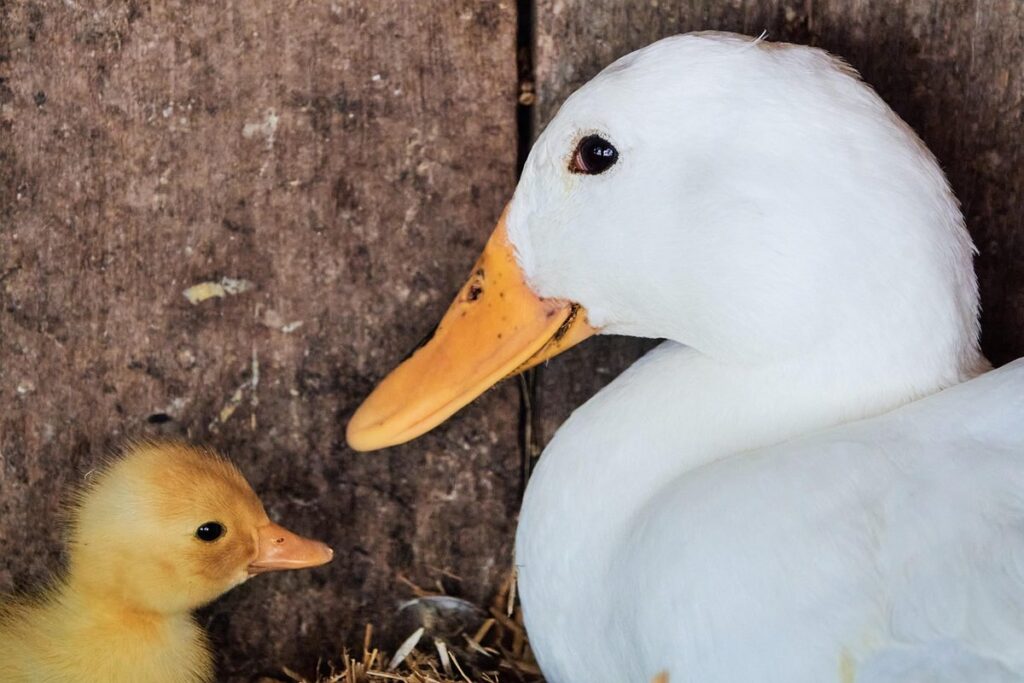
Understanding Duck Egg Incubation and Hatching
To successfully raise healthy ducklings, it’s essential to understand the process of incubating their eggs and knowing when they’ll hatch. This involves a specific temperature range and careful monitoring.
Factors Affecting Successful Hatchlings
When it comes to successfully hatching ducklings, several factors come into play. One of the most critical is temperature control. The ideal incubation temperature for duck eggs ranges from 99°F to 100°F (37°C to 38°C), with a slight drop at the end of incubation to stimulate pipping.
Maintaining proper humidity levels is also crucial, with a relative humidity of around 50-60% being ideal. This helps prevent moisture loss and ensures even temperature distribution within the incubator or brooder.
Egg cleanliness is another important factor, as bacteria and other contaminants can hinder development and cause embryo death. It’s essential to handle eggs gently and store them in a clean environment before transferring them to an incubator.
Breed-specific characteristics also play a role in determining successful hatch rates. Some duck breeds are more challenging than others due to their unique physiology or genetic predispositions. Researching the specific needs of your chosen breed can help you better prepare for hatching and ensure a healthy start for your new additions.
Recognizing Signs of Imminent Hatching
As you approach the end of incubation, it’s essential to recognize signs that indicate hatching is imminent. A broody hen or duck will exhibit distinct physical behaviors and changes before the eggs start to hatch. Keep a close eye on your birds, as these cues can signal the start of this critical period.
About 24-48 hours before hatching, you may notice the duckling’s egg starting to pip – that’s when they first crack through the shell. Listen for the gentle pecking sounds coming from inside the egg, which can be a sign that your duckling is preparing to emerge.
As the duckling continues to develop, its movements will become more vigorous, and you may see it rocking back and forth or making sudden jerky motions within the egg. The beak will start to protrude through the shell, followed by the emergence of the head, shoulders, and eventually the entire body. This is an exciting time, but remember to give the duckling space and let it hatch naturally.
Keep in mind that every broody hen or duck is different, so it’s crucial to observe your bird’s unique behavior and adjust accordingly.
The Birth Process: How Ducklings Emerge from Eggs
When it comes time for ducklings to emerge, a fascinating process unfolds as they slowly pip and break free from their shells. Let’s take a closer look at this incredible journey.
The Physical Process of Breaking Out
As the duckling develops inside the egg, it prepares for its big moment – breaking out of its shell. This process is called pipping, and it’s a critical step in the hatching process. As the duckling pecks at the air cell with its beak, it creates a small hole in the eggshell. The beak is made of hard keratin, which allows the duckling to crack through the shell.
The first pip, or breach, is usually made on one side of the egg. This initial opening allows the duckling to get some oxygen and start moving around inside the egg. With each peck, the hole grows larger, and the duckling begins to make its way out. Once a larger gap has been created, the duckling can use its beak to pry the shell away from the air cell.
As an observer, you might wonder how you can help facilitate this process. One way is to gently rotate the egg every 24 hours to ensure even distribution of the yolk and prevent the duckling’s body from sticking to one side of the shell. This helps the duckling break through more easily and reduces the risk of complications during hatching.
Initial Care and Feeding After Hatching
When those first adorable ducklings emerge from their shells, it’s essential to provide them with the right care and attention. Newly hatched ducklings need food, water, and warmth to help them grow strong and healthy.
First and foremost, ensure they have access to warm water. The ideal temperature for duckling water is around 90-95°F (32-35°C). You can use a thermometer to check the temperature and adjust it as needed. Keep in mind that ducklings need to be able to swim and drink at the same time, so provide shallow water dishes or pools with a depth of about an inch.
Feeding is another crucial aspect of initial care. Duckling starter feed should be provided within the first 24 hours of hatching. You can offer it in a separate dish or mix it with their drinking water to make it more appealing. A good rule of thumb is to provide one-quarter cup of starter feed per duckling for every pound of body weight.
Maintain a brooder temperature between 90-100°F (32-38°C) during the first few days after hatching, gradually decreasing it by five degrees each week until they reach adult size. Make sure they have adequate ventilation and keep an eye on their overall health.
Raising Ducklings: Essential Nutrition, Health Checks, and First Steps
As you welcome your new duckling family into the world, it’s essential to provide them with a solid foundation for growth and development. In this crucial stage, nutrition and health checks are vital to their overall well-being.
Nutritional Needs of Young Ducklings
When it comes to feeding young ducklings, providing them with the right nutrients is crucial for their growth and development. From day one, ducklings require a diet rich in protein, which is essential for building strong muscles, feathers, and organs.
Initially, duckling feed can be supplemented with live foods such as mealworms, crickets, or aphids. These insects provide a natural source of protein and can be given as treats to encourage exploration and learning. However, it’s essential to note that live foods should not make up more than 10-15% of their diet.
Brooder feed, on the other hand, is a staple for ducklings and provides a balanced mix of nutrients. It’s formulated specifically for young birds and can be found in most pet stores or online. When introducing brooder feed, start with small amounts (about 1/4 cup per duckling) to prevent digestive issues.
When choosing between live foods and brooder feed, consider the following: if you’re raising a large number of ducklings, brooder feed may be more convenient; however, if you want to provide your young birds with a natural foraging experience, live foods can be a great option.
Recognizing Common Health Issues in Newborn Ducklings
Newborn ducklings are vulnerable to various health issues that can be detrimental if not addressed promptly. One of the most common problems is respiratory issues, which can arise due to cold stress, bacterial infections, or viral diseases like Newcastle disease. Keep an eye out for labored breathing, wheezing, or coughing in your ducklings.
Hypothermia is another critical concern, especially during the first few days after hatching. Ensure the brooder is at a comfortable temperature between 90°F to 95°F (32°C to 35°C), and provide enough heat lamps or heat rocks if necessary. You can also use a thermometer to monitor the temperature.
Cannibalism, often referred to as pecking order, can be a significant issue among ducklings. To prevent this, ensure they have adequate space, plenty of food, and water. Introduce toys, such as balls or rubber toys, to keep them entertained and stimulated.
Monitor your ducklings closely for any signs of illness, including lethargy, loss of appetite, or unusual droppings. If you suspect a problem, consult a veterinarian experienced in poultry care for proper diagnosis and treatment.
Socialization, Vaccinations, and Grooming for Healthy Growth
As your duckling grows, it’s essential to socialize them with other birds, ensure they receive proper vaccinations, and maintain good grooming habits for a healthy development. This process sets the foundation for their adult life.
Importance of Early Socialization for Ducklings
Socialization is a critical aspect of a duckling’s early development. When we take our newly hatched ducklings from their mothers or foster parents too early, we can inadvertently hinder their social skills and confidence. This can lead to anxiety and stress as they grow older.
In the wild, mother ducks play a vital role in teaching their ducklings essential social behaviors such as swimming, foraging, and interacting with other birds. By separating our ducklings from their mothers too soon, we deprive them of these crucial learning experiences. As a result, they may struggle to adapt to new environments and situations, leading to behavioral problems later on.
To avoid this common mistake, it’s essential to keep your ducklings with their mothers or foster parents for at least 4-6 weeks. During this time, observe how the mother teaches her ducklings important skills like swimming and diving safely. By mimicking nature, you can give your ducklings the best possible start in life.
Essential Vaccinations and Prophylactic Measures
As your little duckling grows and develops, it’s essential to prioritize its health and well-being by implementing essential vaccinations and prophylactic measures. These will help protect your young feathered friend from various diseases that can be detrimental to their growth and overall quality of life.
One critical vaccination is against avian cholera, a bacterial disease that can cause severe diarrhea, vomiting, and even death in ducklings. This vaccination should be administered as soon as possible after hatching, ideally within the first few days of life. To prevent mycoplasmosis, which can lead to respiratory problems and secondary infections, provide your duckling with adequate ventilation and maintain a clean living environment.
Additionally, viral hemorrhagic disease is another significant concern, especially during the first few weeks of life. This vaccination should be given around 3-4 days after hatching. Always consult with a veterinarian or poultry expert to determine the best vaccination schedule for your specific flock and geographic location.
By taking these proactive steps, you’ll significantly reduce the risk of disease in your young duckling, allowing them to grow and thrive into a happy, healthy adult.
Managing Growth and Weaning Ducklings
As your duckling grows, you’ll need to transition them from their dependence on their mother’s milk to eating solid foods and eventually becoming independent. This is a critical phase of development that requires careful attention.
Optimal Environments for Rapid Growth
Creating an optimal environment for rapid growth is crucial during the early stages of a duckling’s life. Nutritional intake plays a significant role here; ducklings require a starter feed rich in protein (20-25%) and calories to support their growth rate. A common mistake many new duck breeders make is underestimating the importance of proper nutrition, leading to stunted or slow-growing ducklings.
Temperature control within brooders or enclosures also affects growth rates. Most duckling species thrive between 90°F to 100°F (32°C to 38°C) for the first few weeks after hatching. This range allows them to conserve energy and allocate it towards growth rather than heat regulation.
Space allocation is another critical factor; overcrowding can stress out ducklings, hindering their ability to grow rapidly. A general rule of thumb is to provide at least one square foot (0.1 square meters) of space per duckling in the brooder. This allows them to move around comfortably without competing for food or space. By paying close attention to these factors and making adjustments as needed, you can create an environment that fosters rapid growth and healthy development in your hatched ducklings.
Gradual Transition to Dry Food and Outdoor Access
As your ducklings grow and mature, it’s time to start transitioning them from their starter feed to dry food and giving them access to the outdoors. This is an exciting milestone in their development, but it requires careful planning to ensure a smooth transition.
Around 3-4 weeks of age, you can start introducing small amounts of dry food into your ducklings’ diet. Mix it with their starter feed at first, gradually increasing the proportion of dry food over time. This will help them get used to eating and digesting dry food more efficiently.
When it comes to outdoor access, start by giving your ducklings short periods of supervised time in a secure, fenced area. This will allow them to exercise, forage, and explore their surroundings under close supervision. As they become more confident and calm, you can gradually increase the duration of their outdoor time. To promote foraging skills, scatter some duck pellets or other treats around the yard for them to discover. This will encourage your ducklings to search and peck at food, just like wild ducks.
Remember to monitor your ducklings’ behavior closely during this transition period. Some may exhibit aggression towards each other as they compete for food and resources. To reduce aggression, make sure to provide enough space and separate feeding areas for each duckling. By following these steps and taking it slow, you’ll help your ducklings develop the skills they need to thrive in their new outdoor environment.
Frequently Asked Questions
How often should I monitor temperature during incubation to ensure a healthy hatch?
It’s essential to maintain a consistent temperature range of 99°F to 100°F (37°C to 38°C) throughout the incubation period. Yes, you’ll need to check and adjust the temperature daily to prevent any fluctuations that could affect the hatching process.
What are some common signs of health issues in newborn ducklings?
Newborn ducklings can be prone to respiratory problems, bacterial infections, or hypothermia if not properly cared for. Look out for symptoms such as labored breathing, lethargy, or loss of appetite. If you notice any unusual behavior, consult with a veterinarian experienced in caring for waterfowl.
How long does it take for ducklings to transition from water to dry food and outdoor access?
The transition period can vary depending on the individual duckling’s growth rate and health. Generally, it takes around 4-6 weeks for young ducklings to fully adjust to dry food and outdoor access. Gradually introduce them to a balanced diet of commercial feed and provide regular supervision during this period.
Can I keep multiple ducklings together from hatching, or should they be separated?
While socialization is crucial, keeping too many ducklings together can lead to fighting and stress. It’s recommended to separate them into individual brooders or groups of 2-3 once they reach around 3 weeks old. Monitor their behavior and adjust the grouping accordingly.
How often should I provide fresh water for my ducklings during hot weather?
Fresh water is essential, especially during hot weather when ducklings are more susceptible to dehydration. Change the water frequently (at least 2-3 times a day) to prevent bacterial growth and maintain its quality. Also, ensure that their drinking station is clean and easily accessible.