
Are you an avid bird enthusiast or perhaps a goose owner wondering what to feed these majestic creatures? Providing the right diet for your feathered friends is crucial, as a well-balanced meal can make all the difference in their health and happiness. However, knowing exactly what geese should eat can be a daunting task, especially with so many conflicting opinions out there.
In this comprehensive guide, we’ll break down the essential nutrients that geese need to thrive, including grains, vegetables, fruits, and protein sources. We’ll also discuss common deficiencies to watch out for, such as malnutrition and obesity, which can arise from improper feeding habits. By the end of this article, you’ll have a solid understanding of how to create a well-rounded diet that meets your geese’s needs, ensuring they live happy and healthy lives.
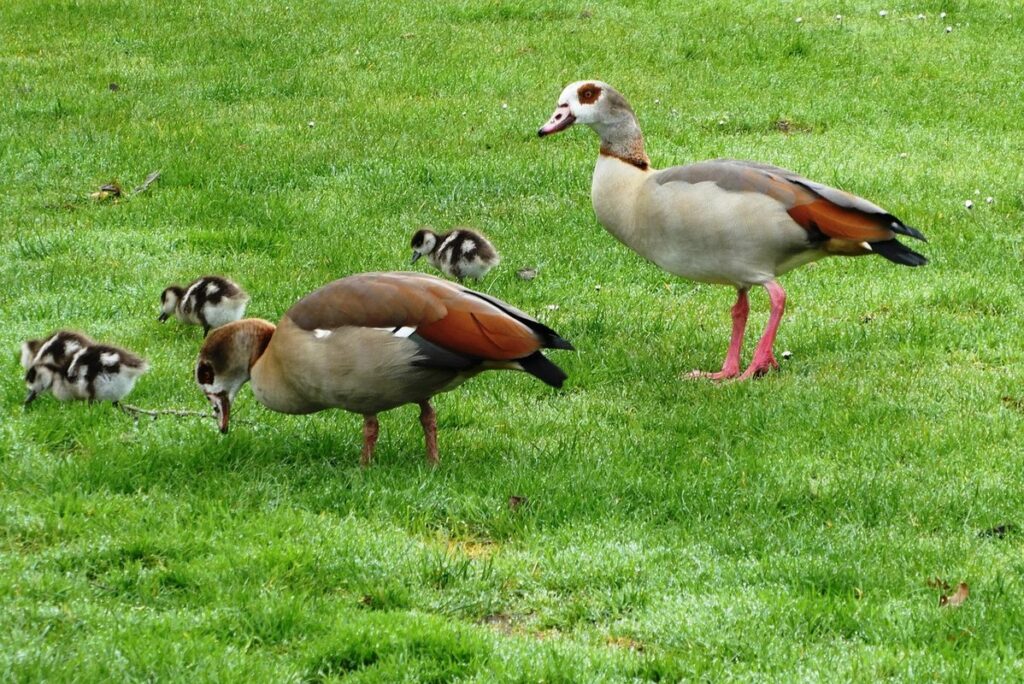
Understanding Geese Nutrition Basics
Geese require a balanced diet that includes a mix of grasses, grains, and vegetables to stay healthy. Let’s break down their nutritional needs in more detail below.
The Importance of a Balanced Diet
A balanced diet is crucial for geese to maintain optimal health and well-being. A diet that lacks essential nutrients can lead to a range of problems, from feather loss and weight loss to impaired immune function and increased susceptibility to disease.
Geese have specific dietary needs that must be met through their food intake. Protein is essential for muscle growth and repair, and geese require a significant amount of it in their diet. A good rule of thumb is to provide at least 15-20% protein content in their feed. Calcium is also vital for strong bone development and egg production, so ensure that their diet includes adequate calcium-rich foods.
Vitamins A, D, E, K, and B are all essential nutrients that geese require to function properly. Vitamin A supports immune function and eye health, while vitamin D regulates calcium levels in the body. A balanced commercial goose feed can provide a good starting point, but it’s also important to supplement their diet with fresh fruits, vegetables, and grains. For example, providing leafy greens like kale or spinach can support vitamin A intake, while adding crushed eggshells or oyster shells can boost calcium levels.
Common Nutritional Deficiencies in Geese
Geese are prone to several common nutritional deficiencies due to inadequate diets or imbalances. One such deficiency is protein malnutrition, often caused by a diet lacking essential amino acids. This can lead to issues like feather plucking and poor growth rates. Aiming for 18-20% protein content in their feed can help mitigate this issue.
Another concern is calcium deficiency, which can cause softening of bones and joints, making it challenging for geese to walk or fly. Ensuring a balanced diet that includes adequate calcium-rich foods like oyster shells or crushed eggshells can prevent this condition.
Similarly, geese may suffer from vitamin D3 deficiencies if their diet doesn’t provide enough sunlight exposure or UVB light sources. This can lead to issues with calcium absorption and increase the risk of metabolic bone disease. Geese owners should consider providing supplemental lighting in indoor enclosures during winter months when natural light is scarce. Regular health checks with a veterinarian will help identify any nutritional deficiencies early on, ensuring prompt action to prevent more severe problems from developing.
Types of Food Suitable for Geese
When it comes to choosing healthy foods for your geese, understanding what types of food are suitable is crucial. Let’s explore some of the best options for their diet.
Grains: What’s Good and Bad for Geese?
When it comes to grains in a goose’s diet, not all options are created equal. Grains like oats and barley can provide essential nutrients such as fiber, iron, and B vitamins. However, overconsumption of these grains can lead to obesity, which is a significant health issue for geese. Corn, on the other hand, is high in calories but low in nutritional value, making it a less desirable option.
Geese can benefit from small amounts of whole grains like oats or barley as part of their daily diet. However, overfeeding can lead to problems. As an example, feeding geese too much corn can cause them to become obese and may even lead to conditions like fatty liver disease.
When introducing grains into your goose’s diet, it’s essential to provide a balanced mix of nutrients. A good starting point is to offer small amounts (about 1/4 cup per day) of whole grains such as oats or barley, in addition to their regular feed. This will help ensure they get the necessary fiber and other essential nutrients without overloading on calories.
It’s also crucial to note that geese have different nutritional needs depending on factors like age, sex, and activity level. As a result, consult with an avian veterinarian to determine the best diet for your specific geese based on their individual needs.
Leafy Greens and Vegetables: Essential Nutrients
When it comes to providing geese with a balanced diet, leafy greens and vegetables play a crucial role. These nutrient-dense foods are rich in essential vitamins A, C, and K, which support overall health and well-being.
Leafy greens like kale, spinach, and collard greens are packed with vitamins A and K, which promote healthy vision, immune function, and bone growth. Vitamin A also supports the geese’s digestive system, making it easier for them to absorb other nutrients from their food.
Vitamin C-rich vegetables such as bell peppers, carrots, and sweet potatoes boost the geese’s immune system, helping to prevent illnesses like respiratory infections and eye problems. These vitamins are especially important during times of stress or when geese are recovering from an illness.
To incorporate leafy greens and vegetables into your geese’s diet, aim to provide 10-20% of their daily calories from these foods. You can mix them with grains, fruits, or other ingredients to create a balanced meal. For example, try adding chopped kale or spinach to their morning mashup of oats, fruits, and nuts.
Some specific examples of safe and beneficial leafy greens and vegetables for geese include:
* Kale: rich in vitamins A and K
* Spinach: high in iron and calcium
* Collard greens: packed with vitamin C
* Bell peppers: excellent source of vitamin C
Remember to introduce new foods gradually, monitoring your geese’s behavior and adjusting their diet as needed. By incorporating leafy greens and vegetables into their diet, you’ll be providing them with the essential nutrients they need to thrive.
Fruits: Are They Good or Bad for Geese?
When it comes to fruits, geese can be a bit finicky, and some common treats might surprise you as being more trouble than they’re worth. Let’s explore which fruits are safe for your feathered friends.
The Role of Fresh Fruits in a Goose’s Diet
When it comes to geese, incorporating fresh fruits into their diet can be beneficial for their overall health and well-being. Fruits such as berries (blueberries, strawberries, raspberries), apples, bananas, and citrus fruits like oranges and grapefruits are all great options.
These fruits provide essential vitamins, minerals, and antioxidants that geese need to maintain optimal health. Berries, in particular, are rich in vitamin C, which is crucial for a strong immune system. Apples, on the other hand, offer fiber, which can help support healthy digestion. Bananas contribute potassium, an electrolyte vital for maintaining proper muscle function.
However, it’s essential to introduce fruits gradually into their diet to prevent digestive issues. A general rule of thumb is to start with small amounts (about 10% of their daily food intake) and monitor their reaction before increasing the amount. Some geese might experience soft stools or diarrhea when initially introduced to new fruits, so be prepared to adjust accordingly.
When feeding fresh fruits to your geese, ensure they’re ripe but not overripe, as this can cause digestive problems. Also, wash them thoroughly before offering to avoid any potential health risks associated with pesticide residues or other contaminants.
Tips on Feeding Fruits Safely to Geese
When introducing fruits into your goose’s diet, it’s essential to do so safely and in moderation. Start by limiting the amount of fruit to about 1-2 tablespoons per pound of body weight, daily. For example, if you have a 5-pound goose, offer no more than 5-10 grams of fresh or dried fruits.
Choose fruits that are nutrient-dense and low in sugar content. Berries such as blueberries, strawberries, and raspberries make excellent options. You can also try offering sliced apples, bananas, or pears. However, avoid giving grapes due to their high sugar concentration and potential for choking hazard.
Before serving any fruit, ensure it’s clean and free of pesticides or other contaminants. Rinse the fruits thoroughly under running water, then pat them dry with a paper towel to remove excess moisture. Fresh fruits can be offered whole, sliced, or chopped, while dried fruits can be crumbled into small pieces to prevent choking.
Remember to introduce new fruits gradually to allow your goose’s digestive system to adjust. Monitor their response and adjust the quantity accordingly.
Protein-Rich Foods: What Geese Need for Optimal Health
When it comes to keeping your feathered friends healthy and strong, protein-rich foods are essential for optimal geese nutrition. Let’s dive into some top picks that will give them the energy they need.
Meat and Organ Meats in Goose Diets
Geese require a significant amount of protein in their diet to maintain optimal health. Meat and organ meats are excellent sources of this essential nutrient. When it comes to incorporating these foods into your geese’s diet, you have several options.
You can supplement with beef, chicken, or fish, either raw or cooked. However, it’s crucial to choose high-quality protein sources that are rich in nutrients. For example, consider using grass-fed beef or wild-caught salmon for their higher nutritional content compared to grain-fed alternatives.
Organ meats like liver and kidney are also vital additions to a goose’s diet. Liver is particularly rich in vitamins A and D, while kidneys provide essential minerals like potassium and iron. When feeding organ meats, ensure they come from healthy animals that have been raised without antibiotics or hormones.
To incorporate meat and organ meats into your geese’s diet, start by mixing small amounts with their regular feed. Gradually increase the proportion of protein-rich foods as needed to maintain optimal health.
Legumes as an Alternative Protein Source
Legumes are an excellent alternative protein source for geese, offering a nutrient-rich and environmentally friendly option. These versatile plants are packed with essential amino acids, vitamins, and minerals that support optimal health. Geese can thrive on a diet rich in beans, lentils, and peas, which can be easily incorporated into their meals.
One of the primary benefits of legumes is their high protein content. For example, black beans contain around 15 grams of protein per cup, making them an ideal supplement to commercial goose feed. Lentils are another excellent option, providing approximately 18 grams of protein per cup. Peas, such as split peas and garden peas, offer a more modest 9-10 grams of protein per cup.
When introducing legumes into your geese’s diet, it’s essential to start gradually. Aiming for a mix of 20% legumes and 80% commercial feed is a good starting point. Also, be sure to provide access to fresh water at all times to ensure proper digestion. With proper introduction and moderation, legumes can become a staple in your geese’s diet, providing a boost to their overall health and well-being.
Treats and Supplements: How Much is Too Much?
When it comes to treats and supplements, geese owners often get carried away with adding extras to their bird’s diet. But how much is too much?
The Dangers of Overfeeding Geese with Treats
Feeding geese treats like bread, seeds, and nuts may seem harmless, but it can have severe consequences on their health and well-being. Overindulging geese with these treats can lead to a range of problems, from obesity and digestive issues to aggressive behavior and an increased risk of disease.
When geese are fed high-calorie treats, they can quickly become overweight or even obese, which puts them at risk for developing a host of related health issues. In fact, studies have shown that feeding bread to geese has been linked to an increased incidence of avian cholera, a highly contagious and often fatal disease.
If you’re tempted to feed geese treats, consider the long-term effects on their health instead. Try these alternatives: offer them leafy greens like kale or spinach, or give them sliced fruits like apples or berries. These options are not only healthier but also more nutritious for your feathered friends. By making a few simple changes to your feeding habits, you can help keep geese healthy and happy.
Safe Options for Supplementing a Goose’s Diet
When supplementing a goose’s diet with additional nutrients, it’s essential to choose options that are both safe and effective. One popular choice is calcium powder, which can help support strong bones and eggshell production. However, it’s crucial to introduce this supplement gradually, starting with small amounts (about 1/4 teaspoon per pound of body weight) to prevent over-supplementation.
Other alternatives include vitamin and mineral supplements specifically designed for waterfowl. These formulas are formulated to address the unique nutritional needs of geese and can help bridge any dietary gaps. For example, a vitamin D supplement can be beneficial during the winter months when sunlight is scarce. When selecting a supplement, look for products that contain a balanced mix of essential nutrients and follow the manufacturer’s guidelines for dosage.
When adding supplements to your goose’s diet, always prioritize fresh water, high-quality feed, and a varied diet as the primary source of nutrition. Avoid over-supplementing, as this can lead to health issues.
Conclusion: Creating a Well-Rounded Diet for Your Geese
Now that we’ve covered the basics of what geese need to eat, let’s summarize how you can create a well-rounded diet for your feathered friends at home. We’ll tie everything together here.
Putting it All Together – A Sample Meal Plan
Creating a balanced meal plan for geese requires careful consideration of their nutritional needs. To put it all together, let’s consider an example of a sample daily ration for a flock of 10 geese.
For a flock of this size, a good starting point is to provide 1-2 pounds of high-quality grass hay per goose per day, supplemented with 0.5-1 pound of grains such as oats or barley. Fresh vegetables like kale, spinach, and carrots can be provided in moderation, while fruits like apples and berries are best given in limited amounts due to their sugar content.
To ensure variety and prevent nutrient deficiencies, consider rotating the following treats throughout the week: sunflower seeds on Mondays, chopped apples on Wednesdays, and leafy greens like collard or mustard on Fridays. Remember to provide fresh water at all times and ensure a balanced diet tailored to your geese’s age, size, and health status.
By implementing this sample meal plan, you’ll be well on your way to providing a well-rounded diet for your geese that meets their nutritional needs.
Final Tips and Reminders for Optimal Goose Health
As you’ve reached the end of this comprehensive guide, it’s essential to remember that maintaining optimal goose health requires ongoing attention to their dietary needs. To ensure your geese thrive, keep a close eye on their behavior and adjust their diet accordingly. Monitor their appetite, energy levels, and stool quality to catch any signs of nutrient deficiencies or imbalances.
Regularly inspect the quality of their feed, whether it’s commercial pellets, grains, or supplements, to guarantee that they’re meeting all essential nutrient requirements. Consult with a veterinarian or experienced breeder for guidance on balancing your geese’s diet based on factors like age, breed, climate, and activity level.
As you make adjustments to their diet over time, don’t forget to transition gradually to avoid digestive upset. For example, if introducing new vegetables, start by adding them in small amounts (about 10-20% of their total diet) and monitor their response before increasing the proportion.
By staying vigilant about your geese’s dietary needs and making informed adjustments as necessary, you’ll be well on your way to maintaining a happy, healthy flock.
Frequently Asked Questions
Can I raise geese on a small backyard farm or homestead with limited space?
Yes, geese can thrive in smaller spaces if provided with adequate nutrition and regular exercise. Ensure you have enough room for them to roam and consider the noise level and potential impact on your neighborhood.
How do I prevent overfeeding my geese, especially when offering treats?
It’s essential to maintain a balanced diet by limiting treats to no more than 10% of their daily intake. Monitor your geese’s weight and adjust food portions accordingly. Also, prioritize nutrient-rich foods like fruits and vegetables, which are naturally lower in calories.
What if I’m planning to keep geese as pets but live in an area with cold winters?
Geese can adapt to colder climates, but ensure they have a safe shelter from harsh winds and extreme temperatures. Provide adequate bedding material, such as straw or hay, and ensure access to warm water during the winter months.
Can I use store-bought goose food mixes as a substitute for homemade diets?
While store-bought mixes can be convenient, they may not provide the same level of nutritional balance as a homemade diet. Consult with a veterinarian or experienced breeder to determine the best approach for your geese’s specific needs and health conditions.
How often should I rotate my geese’s food sources to ensure variety and prevent nutritional deficiencies?
Rotate food sources every 1-2 weeks, introducing new fruits, vegetables, and grains while gradually phasing out others. This will help maintain a diverse diet and reduce the risk of nutrient deficiencies or overexposure to specific foods.