
If you’re like many of us who can’t resist the charm of those curious mallard ducks waddling around our yards, you’ve probably wondered what to feed them. As much as we’d love to indulge these feathered friends with treats from our plates, it’s essential to prioritize their health and well-being. Feeding wild mallard ducks requires careful consideration to avoid nutrient deficiencies and ensure they thrive in their natural habitat. In this comprehensive guide, we’ll delve into the best foods for wild mallard ducks, including aquatic plants and grains that provide the necessary nutrients. We’ll also explore hazardous foods to avoid, so you can confidently feed these lovable creatures without putting them at risk. Let’s dive into what to feed wild mallard ducks to keep them happy and healthy.
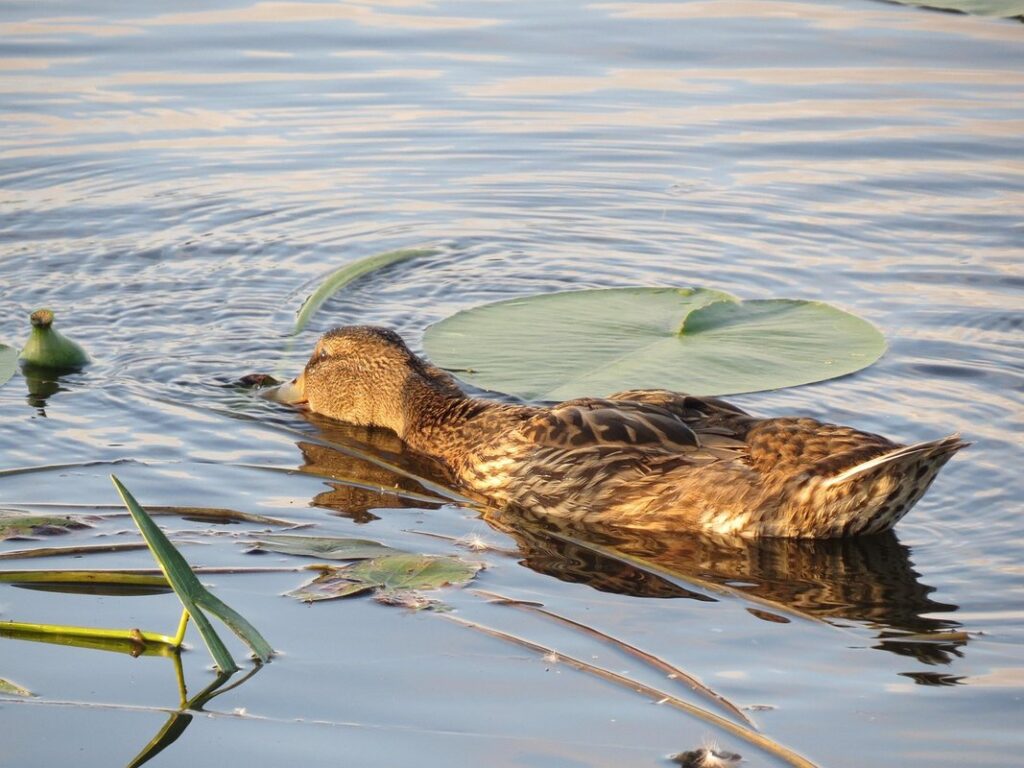
Understanding Wild Mallard Duck Nutrition
When it comes to what to feed wild mallard ducks, understanding their nutritional needs is crucial. This section will break down the essential nutrients they require for optimal health and well-being.
The Importance of a Balanced Diet
Providing a balanced diet for wild mallard ducks is crucial to ensure they stay healthy and thrive. Just like humans, ducks require a mix of protein, carbohydrates, and essential fatty acids to function optimally. Protein-rich foods such as insects, crustaceans, and small aquatic animals are essential for building and repairing their bodies.
Carbohydrates from plant-based sources like grains, grasses, and aquatic plants provide energy for daily activities. However, it’s vital to note that ducks have a unique digestive system that doesn’t allow them to break down cellulose in plant cell walls efficiently. Therefore, it’s best to stick with foods rich in easily digestible carbohydrates.
Essential fatty acids are also critical components of a balanced diet. These can be found in the form of algae, fish oil supplements, or even duck-specific pellets. A deficiency in essential fatty acids can lead to skin and feather problems, as well as impaired immune function.
When planning your wild mallard duck’s diet, consider their individual needs based on age, sex, and environmental factors. A mix of these nutrient-rich food groups will provide the foundation for a balanced and healthy diet.
Avoiding Nutrient Deficiencies
When feeding wild mallard ducks, it’s crucial to avoid common nutrient deficiencies that can occur due to poor diet choices. One such deficiency is vitamin A, which is essential for healthy vision, immune function, and skin integrity. In the wild, mallards obtain vitamin A from aquatic plants, insects, and small crustaceans. However, if their diet consists mainly of bread or other processed foods, they may not get enough of this vital nutrient.
To prevent vitamin A deficiency, offer wild mallard ducks a balanced mix of whole grains, fruits, and vegetables in addition to their regular food source. For instance, you can supplement their diet with leafy greens like kale or spinach, which are rich in beta-carotene – a precursor to vitamin A. Alternatively, consider using duck pellets specifically formulated to meet the nutritional needs of waterfowl.
When providing supplements, remember to introduce new foods gradually to prevent digestive upset. Start by mixing small amounts into their regular diet and observe their response before increasing the quantity. By being mindful of nutrient deficiencies and taking proactive steps to address them, you can help ensure the health and well-being of these beautiful creatures.
Types of Food Suitable for Wild Mallard Ducks
When it comes to feeding wild mallard ducks, knowing what foods are safe and suitable for them is crucial. In this section, we’ll explore the best types of food to feed these beautiful waterfowl.
Aquatic Plants
When it comes to providing wild mallard ducks with nutritious food options, incorporating aquatic plants into their diet can be an excellent choice. Among the types of aquatic plants safe for them to eat are duckweed, water lilies, and cattails.
Duckweed is a nutrient-rich plant that’s often found growing on calm bodies of water. It’s an excellent source of protein, vitamins, and minerals essential for maintaining healthy feathers, muscles, and organs. Wild mallard ducks can feed on duckweed by swimming through it or skimming the surface with their beaks.
Water lilies are another aquatic plant rich in nutrients that wild mallard ducks can benefit from eating. Their leaves contain fiber, while their flowers provide a source of protein and vitamins. However, ensure the water lily is free of pesticides or other pollutants to avoid poisoning the birds.
Cattails, with their long, flat leaves and distinctive spikes, are also safe for wild mallard ducks to eat. The rhizomes (underground stems) contain starches that can provide energy, while the seeds offer a source of protein and fat. Introduce these aquatic plants gradually into their diet to prevent digestive upset.
When introducing aquatic plants to the diet of wild mallard ducks, it’s essential to follow a gradual feeding approach. Start by offering small amounts in one area for the birds to explore, then increase the quantity and variety as they become accustomed. Regularly inspect the water body for signs of pollution or other hazards before allowing the birds to feed on aquatic plants.
Grains
When it comes to feeding wild mallard ducks, incorporating grains into their diet can provide essential nutrients and energy. Suitable grains for wild mallard ducks include oats, wheat, and barley. Oats are a great source of fiber and can help support healthy digestion, while wheat is rich in carbohydrates and provides sustained energy. Barley, on the other hand, is high in protein and helps to promote muscle growth.
When incorporating grains into your feeding routine, make sure to introduce them gradually to prevent digestive upset. A good starting point is to mix 1-2 tablespoons of grain with their usual food, increasing the proportion as needed. You can also try soaking oats or barley overnight to make them easier to digest. It’s essential to remember that grains should only supplement their natural diet and not replace it entirely.
It’s worth noting that wild mallard ducks can become accustomed to human-provided food, so be mindful of overfeeding and ensure the area remains free from potential hazards such as plastic or other pollutants.
Food to Avoid Feeding Wild Mallard Ducks
When feeding wild mallards, it’s just as important to know what not to feed them as it is to know what to. Certain foods can be toxic or cause harm.
Human Foods
Feeding wild mallard ducks human foods may seem harmless, but it’s essential to know that some common treats can be detrimental to their health. Bread, for instance, is a classic example of what not to feed these waterfowl. It provides empty calories and has no nutritional value, leading to malnutrition and other related issues. Moreover, bread can expand in a duck’s stomach, causing discomfort and even death.
Junk food and processed snacks are equally unhealthy for wild mallard ducks. These foods are high in salt, sugar, and unhealthy fats that can cause digestive problems, obesity, and other health issues. In large quantities, these foods can be toxic to ducks, leading to serious health complications.
It’s not just what you feed them but also how much. Overfeeding can lead to dependence on humans for food, making it challenging for the birds to find their natural sources of nutrition. If you’re tempted to feed wild mallard ducks human foods, consider offering them healthier alternatives like leafy greens or aquatic plants instead. This will not only benefit the ducks but also promote a more sustainable and responsible approach to feeding wildlife.
Other Hazards
When it comes to feeding wild mallard ducks, there are several hazards you should be aware of. One major concern is lead poisoning from eating lead-containing baits or pellets. This can happen when you place birdseed or other treats on the ground and they’re contaminated with lead shot or sinkers. Wild mallard ducks may ingest these toxic substances while foraging, which can cause serious health problems.
Another hazard to consider is pesticides and herbicides used in lawns and gardens. These chemicals can contaminate food sources and harm wild mallard ducks if ingested. To avoid this risk, it’s best to choose organic or natural bird-friendly plants and avoid using chemical fertilizers or pest control products in areas where you know the ducks frequent.
It’s also essential to be mindful of human foods that are toxic to ducks. Some common culprits include avocado pits, onion and garlic skins, and raw or undercooked meat. These can cause choking hazards, digestive issues, or even death if ingested by wild mallard ducks. By being aware of these potential hazards, you can take steps to protect the health and well-being of these amazing birds.
Feeding Wild Mallard Ducks in Different Seasons
As you explore what to feed wild mallard ducks, it’s essential to consider their changing dietary needs throughout the year, particularly during winter, spring, and summer months. Here’s how their feeding habits shift season by season.
Spring and Summer
During spring and summer, wild mallard ducks undergo significant physiological changes that require specific nutritional support. As they molt, their old feathers fall out and are replaced by new ones, which can lead to a temporary decrease in energy reserves. Additionally, females begin laying eggs during this period, putting extra demand on their nutrient intake.
To provide the necessary nutrients, focus on offering high-quality grains such as oats, barley, or wheat, which are rich in calories and protein. You can also supplement with leafy greens like kale or spinach, which offer essential vitamins and minerals. Consider adding mealworms or crickets to the mix for a boost of protein-rich food.
It’s also crucial to provide access to fresh water sources, especially during hot summer months when ducks need extra hydration. Make sure to place feeders and water sources in shaded areas to prevent overheating. By offering these nutrient-dense foods, you’ll be supporting your local mallard population through their most demanding time of year.
Autumn and Winter
As autumn and winter months approach, wild mallard ducks face significant changes in their nutritional needs. The cold weather demands more energy to stay warm, and they require a diet rich in calories and fat to sustain themselves. Unlike the lush vegetation of spring and summer, their natural food sources become scarce during this period.
To adapt their diet accordingly, it’s essential to provide them with energy-rich foods that can help supplement their intake. Consider offering high-calorie foods like corn, sunflower seeds, and cracked wheat. You can also include mealworms or other protein-rich insects in their diet, as they are an excellent source of nutrition.
In addition, consider adding a source of fat to their diet, such as suet or peanut butter, which will help keep them warm during the cold winter months. It’s also crucial to ensure that fresh water is always available for them to drink. A balanced and varied diet will go a long way in keeping your wild mallard friends healthy and thriving throughout the autumn and winter seasons.
Health Risks Associated with Feeding Wild Mallard Ducks
Feeding wild mallards can have unintended consequences, and one of the most significant risks is to your own health. In this next section, we’ll explore some of these potential hazards in detail.
Water Pollution
Feeding wild mallard ducks can have an unintended consequence on their environment. One of the significant health risks associated with feeding these birds is water pollution from uneaten food or waste. When you throw bread or other high-carb foods into a pond, they don’t get consumed entirely and instead rot at the bottom, releasing greenhouse gases like methane and carbon dioxide.
This not only harms the mallard ducks but also contributes to water pollution. According to the U.S. Environmental Protection Agency (EPA), “nonpoint source pollutants,” such as food waste from bird feeders, are a major contributor to water pollution in lakes and rivers. To minimize these risks and maintain a clean environment, consider using duck-friendly foods like leafy greens, fruits, or insect-based pellets.
When feeding wild mallard ducks, be sure to remove uneaten food promptly to avoid contamination of the water. Also, try to feed them at a safe distance from their habitat to prevent overcrowding and reduce waste accumulation. By taking these simple steps, you can help maintain a healthy environment for both the birds and the ecosystem as a whole.
Disease Transmission
When interacting with wild mallard ducks, it’s essential to be aware of the potential health risks associated with disease transmission. Wild mallard ducks can carry a range of diseases that can be transmitted to humans through direct contact with them or their droppings.
One of the most concerning diseases is avian influenza, also known as bird flu. This highly contagious and often deadly virus has been linked to outbreaks in several countries worldwide. While the risk of transmission is relatively low, it’s still crucial to take precautions when approaching wild mallard ducks. If you notice any unusual behavior or a change in their droppings, such as an increase in number or consistency, it’s best to avoid them altogether.
To prevent disease transmission, make sure to wash your hands thoroughly after interacting with wild mallard ducks or their environment. Avoid touching your face, especially your mouth and eyes, and keep children from playing near the ducks to minimize the risk of disease transmission.
It’s also vital to dispose of duck droppings properly to avoid contamination. If you’re planning to feed them, use gloves to handle food and keep a safe distance between yourself and the ducks to reduce the likelihood of direct contact.
Conclusion
In conclusion, feeding wild mallard ducks requires careful consideration of their nutritional needs. By providing them with a balanced diet that includes aquatic plants, grains, and fruits, you can help support their health and well-being. Remember to avoid overfeeding, as this can lead to dependency on humans for food and disrupt the natural ecosystem. Instead, focus on creating a welcoming environment by planting native vegetation in your garden or yard, which will attract these beautiful birds without encouraging them to rely on human handouts.
Ultimately, it’s essential to respect the natural habits of wild mallard ducks and allow them to forage for food as they would in their natural habitat. By making informed choices about what to feed them, you can enjoy observing these magnificent creatures while also preserving their delicate balance within our environment.
Frequently Asked Questions
Can I feed wild mallard ducks bread as a treat, or is it always hazardous?
No, bread can still be hazardous to wild mallard ducks if fed excessively, causing nutrient imbalances and digestive issues. However, small amounts of whole-grain bread can provide some carbohydrates; just be sure not to overdo it.
How do I introduce new foods gradually to prevent shocking their systems?
Gradually introducing new foods helps prevent digestive upset in wild mallard ducks. Start by offering small amounts (about 10-20% of their diet) and monitor their behavior and stool quality before increasing the proportion. This allows their gut microbiome to adjust.
Are there any specific considerations for feeding wild mallard ducks in cold weather?
Yes, in colder seasons like autumn and winter, ensure that wild mallard ducks have access to sufficient energy-rich foods such as grains, aquatic plants, or small crustaceans to maintain their body heat. Avoid overfeeding, which can lead to poor insulation.
Can I use leftover cooked rice or pasta as a food source for wild mallard ducks?
No, leftover cooked human foods like rice and pasta should be avoided due to high carbohydrate content, which can cause nutritional imbalances when fed excessively. Wild mallard ducks require balanced diets, not over-reliance on human food scraps.
How do I know if I’m providing the right balance of nutrients for my local wild mallard duck population?
Observe your ducks’ behavior and physical condition over time to gauge the adequacy of their diet. Look for signs like healthy feathers, shiny plumage, and a steady weight. If you notice deficiencies or problems, consult with local wildlife experts or adjust your feeding strategy accordingly.