
If you’re an avid gardener or simply love watching these charming creatures waddle around your yard, you’re not alone. Ducks and gardens go hand in hand, with many species of ducks drawn to our lush green spaces for food, shelter, and water. However, creating a harmonious coexistence between humans and ducks can be a challenge, especially if we want to maintain the integrity of our garden ecosystem. This is where knowing how to attract ducks to your garden without sacrificing its beauty comes in handy. In this article, we’ll explore the world of duck-friendly gardening and show you how to create an inviting space for these feathered friends while keeping your garden thriving. By learning simple tips on how to create a welcoming environment for ducks, you can enjoy their companionship and reap the benefits of having them around without compromising your gardening goals.
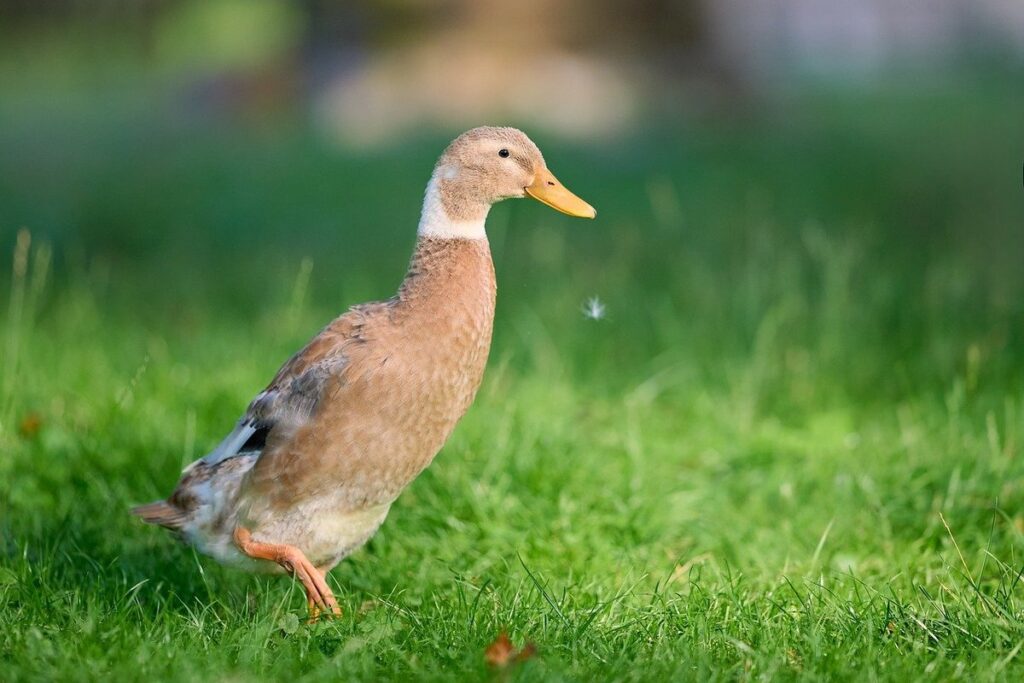
Attracting Ducks to Your Garden
If you’re eager to bring some quacking friends into your backyard, we’ll show you how to create a welcoming space that’s irresistible to ducks. This section reveals the top tips for attracting these delightful birds to your garden.
Creating a Duck-Friendly Environment
When creating a duck-friendly environment in your garden, it’s essential to consider the types of plants and features that will attract these fascinating birds. Ducks are drawn to areas with an abundance of food sources, such as fruits, vegetables, and grains. Incorporate plants like sunflowers, pumpkins, and squash into your garden design, as they provide a nutritious snack for ducks.
On the other hand, some plants can repel ducks due to their strong scents or bitter tastes. These include members of the mint family, daffodils, and certain types of grasses. Avoid planting these species in areas where you want to attract ducks.
A crucial element of any duck-friendly garden is a water feature. Ducks require access to clean drinking water and need shallow areas for bathing and preening their feathers. Consider installing a small pond or a birdbath with a built-in ramp to allow ducks to safely enter and exit the water. Ensure that the water feature is at least 12 inches deep to accommodate the birds’ needs.
When designing your garden, position the water feature in a way that provides shelter for the ducks from harsh sunlight and predators. This can be achieved by planting trees or shrubs around the perimeter of the pond. By incorporating these elements into your garden design, you’ll create an inviting space that will attract ducks and provide them with everything they need to thrive.
Choosing the Right Location for Your Pond
When it comes to creating a haven for ducks in your garden, choosing the right location for your pond is crucial. You’ll want to consider three key factors: sunlight, wind direction, and proximity to food sources.
Firstly, think about how much sunlight your pond will receive throughout the day. Ducks need access to sunlight to regulate their body temperature and maintain a healthy immune system. Aim for a spot that receives partial shade, especially in warmer climates or during peak summer months. This will help prevent algae blooms and keep the water quality stable.
Next, consider the wind direction. A pond located near a prevailing wind source can create ripples on the water’s surface, making it difficult for ducks to swim and rest. Position your pond so that it’s shielded from harsh winds or use a windbreak like trees or shrubs to minimize the impact.
Finally, think about placing your pond in close proximity to food sources, such as vegetable gardens, orchards, or fruiting bushes. This will encourage the ducks to spend more time foraging and less time swimming around aimlessly. Just be sure to provide a safe distance between the pond and any nearby structures or plants that might pose a threat to both humans and ducks.
When designing your pond’s layout, consider incorporating features like lily pads, waterfalls, or streams to create visual interest and variety. This will not only enhance the aesthetic appeal of your garden but also provide beneficial habitats for other wildlife, such as frogs, dragonflies, and birds.
By carefully selecting a suitable location for your pond, you’ll be well on your way to creating a welcoming environment for ducks and other waterfowl to thrive in.
Benefits of Having Ducks in Your Garden
Having ducks in your garden can bring numerous benefits, from pest control to lawn maintenance, making them a great addition to any outdoor space. You’ll soon discover just how valuable they can be.
Companionship and Stress Relief
Having ducks in your garden can be a delightful way to combat stress and increase social interaction. These charming creatures have a unique ability to connect with humans on an emotional level, providing companionship that’s hard to find elsewhere. Studies have shown that simply watching or interacting with animals can lower cortisol levels, blood pressure, and anxiety while boosting mood and self-esteem.
Ducks in your garden offer a constant source of entertainment and engagement, encouraging you to spend more time outdoors and appreciate the simple joys of nature. Whether it’s feeding them, observing their playful antics, or collecting eggs from their nesting boxes, interacting with ducks can be a calming and fulfilling experience. As an added bonus, having ducks around can also increase social interaction – whether it’s through sharing tips on duck care with neighbors or inviting friends over to meet the new feathered additions to your garden.
One way to make the most of this companionship is by creating a dedicated duck-visit area in your garden, complete with comfortable seating and feeding areas. This will allow you to relax and enjoy quality time with your ducks while also providing them with a safe space to roam and forage.
Gardening Assistance
One of the most significant benefits of having ducks in your garden is their ability to assist with pest control and fertilization. These dual roles not only help maintain a balanced ecosystem but also promote healthy plant growth.
Ducks are natural foragers, feeding on insects, slugs, and snails that can damage plants. By incorporating them into your gardening routine, you can reduce the need for pesticides, creating a safer environment for both humans and wildlife. To encourage this behavior, provide your ducks with shallow water features to facilitate insect-hunting.
In terms of fertilization, duck manure is an excellent natural fertilizer, rich in nitrogen, phosphorus, and potassium. By allowing them to roam freely within your garden, you can harness the benefits of their waste as a nutrient-rich compost. However, ensure that your ducks have access to clean drinking water and a balanced diet to maintain optimal health and prevent over-fertilization.
Regularly remove duck droppings from garden beds to avoid creating anaerobic conditions and promote healthy microbial growth. By striking this balance, you can create an efficient gardening system where both humans and animals coexist harmoniously.
Planting a Duck-Friendly Garden
Creating a duck-friendly garden is a great way to attract these wonderful creatures to your yard, and we’ll show you how to make it happen in just a few easy steps.
Favorite Plants for Ducks
When it comes to creating a duck-friendly garden, incorporating plants that attract these feathered friends is essential. Not only will they add beauty and vibrancy to your outdoor space, but they’ll also provide a source of food and interest for your ducks.
Some favorite plants for ducks include water lilies, which offer shade and shelter from the sun, as well as a tasty snack. Sunflowers are another great choice, providing seeds that ducks love to eat and adding a pop of color to your garden. If you have space for trees, consider planting willow or alder, which offer berries and leaves that ducks enjoy.
Other plants that attract ducks include marigolds, zinnias, and cosmos, all of which are easy to grow and provide a burst of color in the spring. When selecting plants for your duck-friendly garden, be sure to choose ones that fit your climate and soil type. Plant them in clusters or groups to create a “duck buffet,” allowing your feathered friends to easily access their favorite treats.
By incorporating these plants into your garden design, you’ll not only create a welcoming space for ducks but also add beauty and interest to your outdoor area.
Creating a Balance Between Duck and Human Needs
When planting a duck-friendly garden, it’s essential to strike a balance between meeting the needs of our feathered friends and ensuring that we can still enjoy our outdoor space. After all, ducks are going to want to waddle around, forage for food, and take the occasional dip in the pond or pool.
To achieve this delicate balance, consider incorporating pathways and seating areas into your garden design. Not only will these features make it easier for you to tend to your plants and enjoy the fruits of your labor, but they’ll also provide a safe and accessible space for you and your family to relax and unwind. A wide, well-maintained path can help prevent muddy puddles from forming when ducks are about, while built-in seating areas offer a comfortable spot to watch the action unfold.
By incorporating both duck-friendly features like ponds and feeding stations, and human-centric elements like pathways and seating areas, you’ll create a garden that’s perfect for both you and your feathered visitors.
Feeding Your Garden Ducks
When it comes to feeding your garden ducks, providing a balanced diet is crucial for their health and well-being, so let’s explore some essential tips.
Nutritional Needs of Ducks
When it comes to feeding your garden ducks, it’s essential to provide them with a balanced diet that meets their nutritional needs. In the wild, ducks feed on aquatic plants, insects, small crustaceans, and even tiny fish. They also have a unique digestive system that allows them to eat certain foods that would be toxic to other animals.
Providing a similar diet for your garden ducks is crucial for their health and well-being. You can offer a mix of duck pellets or commercial feed as the main staple, supplemented with fresh vegetables like kale, spinach, and carrots. Leafy greens like lettuce and collard greens are also great additions. Fresh fruits like berries, apples, and bananas can be given in moderation.
It’s essential to avoid feeding your ducks bread or other human foods, as they lack the nutrients needed for a balanced diet. Bread can lead to malnutrition, obesity, and even liver disease in ducks. Instead, focus on providing fresh, whole foods that mimic their natural diet. For example, you can create a “duck buffet” with a variety of vegetables and fruits, or make your own duck feed using oats, corn, and other grains.
When introducing new foods, do so gradually to prevent digestive issues. Also, be sure to provide access to clean water at all times. By following these guidelines, you’ll be able to keep your garden ducks healthy, happy, and thriving in their outdoor environment.
Tips for Healthy Duck Feeding Habits
When it comes to feeding your garden ducks, it’s essential to establish healthy habits to ensure their well-being and maintain a balanced ecosystem. One common mistake is overfeeding, which can lead to obesity, poor health, and even stress on the environment. To avoid this, focus on providing high-quality food in moderation.
Aim to feed your ducks 1-2% of their body weight daily, divided into two meals. For example, if you have a 5-pound duck, provide about 3 ounces of food per day. You can supplement with fruits and vegetables, but make sure they’re fresh and free from pesticides.
Access to clean water is also crucial. Ensure your ducks always have access to a reliable source of fresh water, changed regularly to prevent bacterial growth. A general rule of thumb is to provide one gallon of water for every two ducks.
By following these guidelines, you’ll be able to create a balanced diet that meets the needs of your garden ducks while minimizing waste and maintaining a healthy environment.
Health Concerns for Garden Ducks
As a duck keeper, it’s essential to be aware of potential health concerns that can arise when ducks are living in your garden, such as diseases and parasites. Regular monitoring is key to keeping them happy and healthy.
Common Health Issues in Backyard Ducks
When it comes to backyard ducks, their health is just as important as yours. Unfortunately, these feathered friends can fall victim to various health issues, including diseases, parasites, and injuries.
Some common health problems that can affect garden ducks include respiratory infections like avian influenza and bronchitis, which can be spread through contaminated water or contact with infected birds. Parasites such as mites, lice, and fleas can also infest your duck’s feathers, causing discomfort and anemia. Injuries from predators, accidents, or poor enclosure design are another concern.
To keep your ducks healthy, regular veterinary check-ups are essential. Your vet will perform routine examinations to detect any potential health issues before they become serious. Additionally, take preventative measures such as providing a balanced diet, keeping their living area clean and free of debris, ensuring access to fresh water, and protecting them from predators.
Some recommended practices include:
* Inspecting your duck’s droppings daily for signs of illness
* Keeping a close eye on temperature fluctuations in the coop
* Ensuring all birds have adequate space to move around
* Providing a nutritious diet rich in protein and essential vitamins
Remember, by taking proactive steps to protect their health, you’ll not only ensure your ducks live happy lives but also enjoy years of enjoyable companionship.
Preventative Measures for Healthy Ducks
As a responsible duck owner, it’s essential to take preventative measures to ensure the health and well-being of your feathered friends. A clean living environment is crucial for healthy ducks, so make sure their enclosure is free from debris and waste. Regularly check for signs of disease, such as droopy wings or labored breathing, and consult a veterinarian if you notice anything unusual.
Vaccination is also vital to protect your ducks against diseases like avian influenza and duck plague. Consult with a veterinarian to determine the best vaccination schedule for your flock. Parasite control is another essential aspect of maintaining healthy ducks – make sure to check their living environment regularly for signs of mites, lice, or ticks.
To maintain a clean living environment, provide your ducks with a balanced diet that includes fresh vegetables and fruits, as well as a reliable source of clean water. Consider adding a small pond or pool to your garden, but ensure it’s safe and well-maintained. Regularly cleaning the enclosure, changing the bedding, and monitoring for pests will go a long way in keeping your ducks healthy and happy.
Remember, prevention is key when it comes to maintaining healthy ducks. By taking proactive steps, you can reduce the risk of disease and ensure your feathered friends live a long, happy life in your garden.
Conclusion: Enjoying Your Duck-Populated Garden
As you’ve successfully integrated ducks into your garden, it’s time to sit back, relax, and enjoy the fruits of your labor. Watching your feathered friends roam freely is a joy in itself, but it’s also essential to appreciate the benefits they bring to your outdoor space. Consider hosting a family gathering or dinner party among the lush greenery, with the ducks as the main attraction. You can even set up a photo opportunity for guests to take pictures with the adorable quackers.
Take note of the time of day when the ducks are most active and plan your social events accordingly. This way, you’ll ensure that everyone has an amazing experience amidst nature’s beauty.
Frequently Asked Questions
What if I already have a small pond or water feature, but I’m concerned it’s not duck-friendly enough?
Consider adding some floating plants like water lilies or cattails to provide shelter and food for your ducks. You can also add a shallow area with gentle slopes for easy access in and out of the water.
Can I still maintain my garden’s integrity if I choose to create a duck-friendly environment?
Yes, by incorporating duck-friendly plants into your existing garden design, you can attract these birds without compromising your gardening goals. Just be mindful of the types of plants you choose and ensure they are beneficial for both humans and ducks.
How do I ensure my pond or water feature is safe for ducks to use?
Regularly clean and maintain your pond or water feature to prevent mosquito breeding and other health risks. Also, consider adding a predator guard around the edges to protect your ducks from predators like raccoons or foxes.
What if I notice some of my garden plants are being eaten by the ducks? Is this normal behavior?
Yes, it’s normal for ducks to graze on certain plants, especially during times when food is scarce. However, you can try planting duck-resistant varieties or using physical barriers like fencing to protect your prized plants.
Can I still attract ducks if my garden doesn’t have a pond or water feature?
Yes, many species of ducks are attracted to areas with abundant food sources and shelter. Consider adding bird-friendly plants like sunflowers or pumpkins, which can provide both food and shelter for these birds.