
The dreaded skunk spray incident. If your furry feline has ever been on the receiving end of a skunk’s stinky warning, you know how frustrating and overwhelming it can be to clean up the mess. Not only is the smell unbearable, but it can also cause skin irritation and discomfort for your poor cat. As a responsible pet owner, it’s essential to know what to do when your cat gets sprayed by a skunk. This comprehensive guide will walk you through identifying signs of exposure, cleaning techniques, and most importantly, how to prevent future encounters with these pesky critters. With our expert advice, you’ll be back to enjoying playtime with your cat in no time, sans the stench.
Understanding the Problem
When a skunk sprays your cat, it can be a stressful and overwhelming experience for both you and your pet. Let’s break down what causes these unpleasant encounters to happen in the first place.
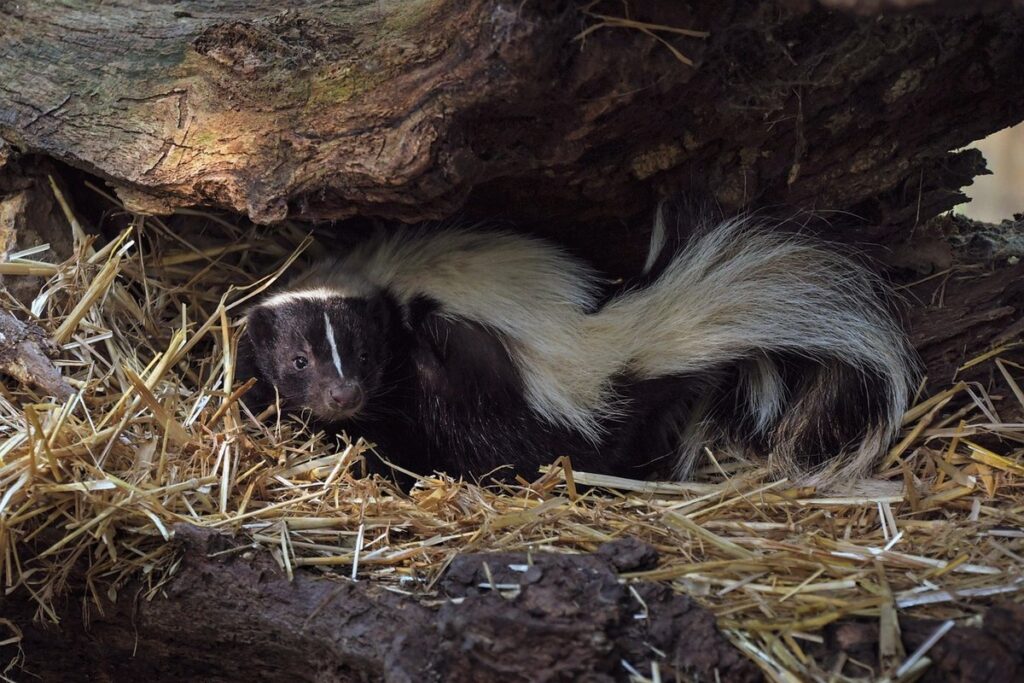
What is a Skunk’s Spray?
Skunk spray is a pungent defense mechanism that skunks use to deter predators. Its composition is primarily made up of thiol compounds, specifically 2-butyl-4-methylpentanothioic acid, which gives it its distinctive odor and potency. This chemical compound is produced in the skunk’s anal glands, where it mixes with oil and other substances before being expelled from the body.
What makes skunk spray so potent? For one, it contains a high concentration of sulfur-containing compounds that are not easily broken down by the nose or skin. As a result, even small amounts can cause intense irritation and discomfort to humans and animals alike. In fact, just one teaspoon of skunk spray has been known to have an odor comparable to 10 million times the stench of rotting eggs! This potent mixture is also highly water-soluble, making it difficult to remove from skin and surfaces.
When a cat comes into contact with skunk spray, it can lead to unpleasant odors and potential health issues. In the next section, we’ll explore the effects of skunk spray on cats and what you can do to alleviate their discomfort.
Why Cats Get Sprayed
Cats get sprayed by skunks when they encounter them in various situations. When cats are allowed to roam freely outdoors, there’s a higher chance of encountering wild animals like skunks. Skunks often feel threatened and defend themselves by releasing their foul-smelling spray. This can happen if your cat is exploring its surroundings, hunting small prey, or even trying to play with the skunk.
During mating season, female skunks can become more aggressive and release their spray more frequently. If your cat encounters a skunk during this time, it may get sprayed. Skunks are also more active at night, which means if your cat is out after dark, it’s more likely to encounter a skunk.
To minimize the risk of your cat getting sprayed by a skunk, ensure that you keep an eye on your cat when it’s outdoors and consider keeping it indoors, especially during peak skunk activity periods.
The Risks of Skunk Spray to Cats
Being sprayed by a skunk can be a traumatic experience for cats, and it’s not just about the unpleasant smell. The potent oil in skunk spray can cause a range of health issues and behavioral changes in our feline friends.
Skin irritation is one of the most common problems that arise after a skunk attack. The oily compound in skunk spray, called thiol, can cause intense itching, redness, and inflammation on your cat’s skin. In some cases, it may even lead to secondary infections if left untreated. If you notice any signs of skin irritation, such as excessive scratching or chewing, consult with your veterinarian for proper guidance.
Respiratory issues are another concern after a skunk spray incident. The strong odor can irritate your cat’s lungs and nasal passages, leading to coughing, sneezing, and difficulty breathing. If you suspect that your cat is experiencing respiratory problems, keep an eye on their symptoms and seek veterinary attention if they worsen.
Anxiety is also a common issue after being sprayed by a skunk. The stress of the experience can cause cats to become withdrawn, agitated, or even develop phobias. Provide extra comfort and reassurance during this time, and consider consulting with a certified animal behaviorist for personalized advice on managing your cat’s anxiety.
In extreme cases, thiol poisoning can occur if your cat ingests large amounts of skunk spray. Monitor your cat closely after an incident, and ensure they have access to plenty of fresh water.
Identifying the Signs of a Sprayed Cat
When you suspect your cat has been sprayed by a skunk, it’s essential to recognize the telltale signs, which can range from strong odors to visible stains on their fur.
Recognizing the Physical Symptoms
When your cat comes into contact with a skunk’s spray, it can cause a range of physical symptoms that are often uncomfortable and even painful for the animal. One of the first signs you may notice is redness around the affected area, which can be particularly noticeable on the skin or fur where the spray landed. As time passes, this redness can give way to swelling, making the area appear puffy and inflamed.
You may also observe discoloration in the form of dark stains or patches on your cat’s coat, depending on the severity of the encounter with the skunk. These physical symptoms are a direct result of the caustic compounds found in the skunk’s spray, which can cause irritation and discomfort for cats.
In severe cases, the skin may even become blistered or cracked as a result of the skunk’s spray, leading to further complications if left untreated.
Behavioral Changes in Sprayed Cats
When a cat is sprayed by a skunk, it’s not just their fur that suffers from the aftermath. The strong-smelling spray can also cause behavioral changes in cats, which may be just as distressing for owners to witness. Some common changes you might notice include increased aggression, fearfulness, or withdrawal.
Cats that were once affectionate and playful may become irritable and defensive, lashing out at their owners or other pets in the household. This is usually a result of pain, discomfort, or anxiety caused by the skunk spray. Fearful cats, on the other hand, may become more timid and hesitant to engage with their environment.
If your cat is displaying any of these behaviors, it’s essential to provide them with a safe space to retreat to and plenty of comfort items like blankets and familiar toys. To help calm your cat, you can also try gentle massages, soothing music, or even pheromone diffusers specifically designed for cats. With patience and time, most cats will return to their normal behavior once the effects of the skunk spray have worn off.
What to Do If You Suspect Your Cat Has Been Sprayed
If you suspect that your cat has been sprayed by a skunk, it’s essential to act quickly to minimize the damage and prevent further exposure. Look for visible signs of skunk spray on your cat’s fur, such as a strong odor, brown or black stains, and pungent fumes.
Immediate action is crucial in this situation. First, keep your cat away from any other pets or family members until you can properly clean them. Wash your hands thoroughly after handling your cat to avoid transferring the skunk scent to yourself.
Next, mix a solution of 1 quart of 3% hydrogen peroxide, 1/4 cup of baking soda, and 1 teaspoon of liquid soap. Apply this mixture directly to the affected areas, working from head to tail to avoid spreading the spray further. Make sure to rinse your cat thoroughly with warm water after applying the solution.
If you’re unsure about how to proceed or if the smell persists after treatment, consult a veterinarian for professional advice and assistance.
Cleaning Up After a Skunk Spray Incident
The aftermath of a skunk spray incident can be overwhelming, so let’s break down how to safely and effectively clean up your cat. We’ll cover the best methods for removing lingering odors and stains.
Removing Skunk Odor from Cats
When it comes to removing skunk odor from cats’ fur, every minute counts. The sooner you start cleaning, the better chance you have of eliminating the smell completely. Bathing is a crucial step in this process. Use a gentle dog shampoo or a specifically designed skunk-odor eliminator, as regular cat shampoos may not be effective.
To create a homemade solution, mix 1 quart of 3% hydrogen peroxide with 1/4 cup of baking soda and 1 teaspoon of liquid soap. Apply the mixture to your cat’s fur, avoiding the eyes, ears, and nose. Work from head to tail, gently massaging the area to allow the solution to penetrate deeply.
Some cat owners swear by using white vinegar as a natural odor eliminator. Mix equal parts water and white vinegar in a spray bottle and spritz it onto your cat’s fur after bathing. Others recommend trying tomato sauce or fruit juice – yes, you read that right! These acidic ingredients can help break down the oils causing the skunk smell.
Regardless of which method you choose, be sure to rinse your cat thoroughly with warm water to prevent any skin irritation. Finally, use a gentle conditioner to moisturize their fur and speed up the healing process.
Neutralizing Skunk Smell in the Home
Eliminating skunk smell from your home can be a daunting task, but it’s essential to restore the comfort and livability of your space. Start by removing soiled clothing and washing them immediately using a laundry detergent specifically designed to neutralize odors. You can also soak these items in a solution of equal parts water and white vinegar for several hours before washing.
For surfaces like furniture and carpets, you’ll need a more robust cleaning product. Baking soda is an effective and non-toxic option: sprinkle it liberally on the affected area, let it sit for 30 minutes to an hour, then vacuum up. If the smell persists, mix equal parts water and hydrogen peroxide in a spray bottle and apply directly to the surface.
Air purification systems can also help eliminate lingering odors. Consider running an air purifier with an activated charcoal filter or placing open containers of white vinegar throughout your home. Regularly cleaning and replacing filters will ensure continued effectiveness in eliminating skunk smell.
Preparing Your Cat for Veterinary Care (If Necessary)
If your cat has been sprayed by a skunk, it’s essential to monitor their behavior and health closely in the days following the incident. While most cats will recover from a skunk spray without issue, there are some symptoms that require immediate attention. If your cat is experiencing excessive drooling, vomiting, or diarrhea, or if they’re showing signs of lethargy, disorientation, or difficulty breathing, seek veterinary care right away.
Even if your cat seems fine, it’s still crucial to schedule a vet visit within 24 hours of the incident. Your veterinarian will assess your cat’s overall health and may recommend treatment for any potential complications, such as bacterial infections or skin irritation.
During the vet visit, be prepared to provide a detailed account of the skunk spray incident, including the time it occurred and any symptoms your cat is experiencing. Your veterinarian may also want to take samples from your cat’s eyes, nose, and mouth to check for any signs of infection.
Preventing Future Skunk Spray Incidents
Don’t let a skunk encounter become a regular occurrence. We’ll explore some simple yet effective ways to prevent future encounters and keep your cat safe from skunk spray.
Outdoor Safety Tips for Cats
When it comes to preventing future skunk spray incidents, it’s essential to take steps to minimize your cat’s outdoor encounters with these pesky animals. One of the most effective ways to do this is by keeping your cat indoors as much as possible. Skunks are nocturnal creatures that tend to roam around at night, so even if you think your yard is secure, a curious skunk can still manage to sneak in and cause trouble.
To deter skunks from visiting your property, consider investing in skunk-deterrent devices such as motion-activated sprinklers or ultrasonic repellent devices. These devices are specifically designed to scare away skunks with their loud noises or sudden water sprays. You can also try using natural deterrents like citrus peels or hot peppers around the perimeter of your yard to keep skunks at bay.
Finally, it’s crucial to be aware of your surroundings and take note of any potential skunk habitats nearby. If you live near a wooded area or have a neighbor who has reported skunk sightings, it’s best to exercise extra caution when letting your cat out. By taking these simple precautions, you can significantly reduce the risk of another unpleasant skunk encounter.
Understanding Skunk Behavior and Habitat
To truly understand why skunks spray cats (and vice versa) and how to prevent future incidents, it’s essential to grasp their behavior and habitat. Skunks are nocturnal animals that live in a variety of environments, from forests to backyards. They have a highly developed sense of smell and use their spray as a defense mechanism when they feel threatened or scared.
When skunks feel cornered or trapped, they release a strong-smelling secretion from their anal glands, which can reach speeds of up to 10 feet in just one second. This is why it’s crucial to know where to look for skunks and how to avoid areas where they are known to roam. For example, if you live in an area with dense underbrush or near a wooded area, be aware that skunks might inhabit these spaces.
When outdoors, be mindful of your surroundings, especially at night when skunks are most active. If you’re walking your cat, stick to well-lit areas and avoid narrow paths where skunks might hide. By understanding skunk behavior and their typical habitats, you can take proactive steps to minimize the risk of a future encounter gone wrong.
Training Your Cat to Avoid Skunks
Training your cat to avoid skunks is an essential step in preventing future skunk spray incidents. While accidents can still happen, being aware of warning signs and teaching your cat to respond accordingly can significantly reduce the likelihood of a skunk encounter gone wrong.
Start by observing your surroundings when you’re out with your cat. Pay attention to areas where skunks are known to frequent, such as wooded or rural zones. Take note of any potential skunk habitats, like burrows or dens, and make sure to steer clear of them.
Next, teach your cat to recognize and respond to skunk warning signs. These can include:
* A strong, pungent smell
* Foul odor wafting through the air
* A skunk’s distinctive black-and-white markings or striped tail
When you notice these warning signs, calmly say “skunk” or a similar command to alert your cat. Reward them with treats and praise when they respond correctly by changing direction or returning to safety.
Consistency is key in this training process. Practice regularly, ideally in areas where skunks are present, to help your cat develop a strong association between the warning signs and their response.
Frequently Asked Questions
Can I use household products to clean my cat’s skunk-sprayed fur?
While it might be tempting to try using household products like baking soda, vinegar, or soap to clean your cat’s fur, these methods are often ineffective and can even cause more harm. Skunk spray contains a unique combination of sulfur-containing compounds that require specific cleaning agents to break down. Instead, use a commercial skunk odor remover specifically designed for pet care.
How long does it take for the smell of skunk spray to fade?
The duration it takes for the smell of skunk spray to fade varies depending on several factors, including the potency of the spray and your cat’s individual sensitivity. In general, with proper cleaning and treatment, the odor should subside within 1-2 weeks. However, in some cases, it may take longer.
Are there any long-term risks associated with skunk spray exposure?
While acute exposure to skunk spray is primarily uncomfortable for cats, there are potential long-term risks to consider. In rare instances, repeated or severe exposure can lead to skin irritation, allergic reactions, or even respiratory issues in sensitive individuals. If you suspect your cat has been sprayed multiple times, consult with a veterinarian for guidance.
Can I prevent my outdoor cat from getting sprayed again?
While it’s impossible to completely eliminate the risk of skunk encounters, there are steps you can take to minimize the likelihood. Keep your cat indoors at night when skunks are most active, use deterrents like motion-activated sprinklers or ultrasonic repellent devices, and avoid areas known to have high skunk populations.
What if I accidentally get sprayed while trying to clean my cat?
If you find yourself on the receiving end of a skunk spray incident, act quickly to minimize exposure. Wash your skin thoroughly with soap and water as soon as possible, and consider using an antiseptic to reduce the risk of infection. If the smell persists or causes discomfort, seek advice from a veterinarian or use commercial odor removers specifically designed for human skin.