
Are you thinking of bringing home some adorable ducklings? Whether you’re an experienced poultry owner or a beginner, introducing new ducklings to your family can be an exciting and rewarding experience. However, it’s essential to know how to choose the right breed for your needs, set up a safe and healthy environment, and provide proper care and nutrition.
In this article, we’ll take you through the process of buying ducklings, from selecting breeds to setting up their coop and run. We’ll also cover essential tips on nutrition, health, and socialization, ensuring your new feathered friends thrive in their new home. Whether you’re looking for a pet or planning to raise them for eggs, we’ve got you covered with expert advice on how to care for ducklings successfully.
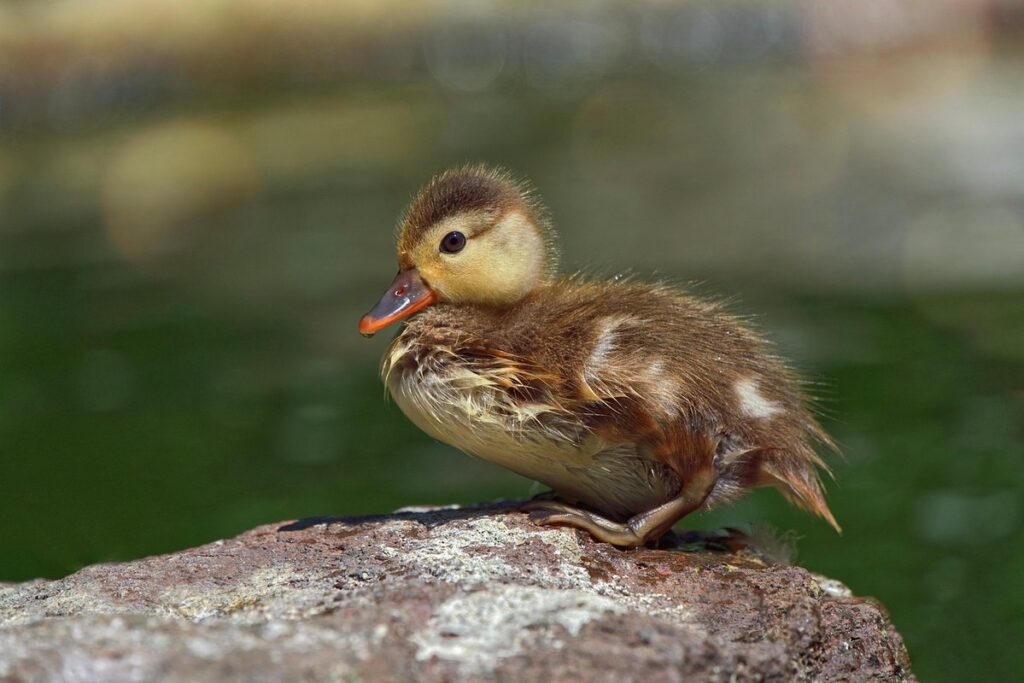
Understanding Ducklings and Their Needs
If you’re considering bringing a duckling home, understanding their needs is crucial for providing them with a happy and healthy life. Let’s dive into what you need to know about their unique requirements.
What to Expect from Your New Pet
When you bring home your new duckling, it’s essential to understand their unique characteristics and needs. Ducklings are social creatures that thrive on interaction with their human caregivers and other ducks. They require a stimulating environment that includes plenty of space to move around, exercise, and play.
In the first few weeks, ducklings need constant supervision to prevent them from getting into trouble or injuring themselves. Provide a safe and secure enclosure where they can roam freely under your watchful eye. As they grow older, you’ll want to create a more expansive outdoor area for swimming and exercise. A general rule of thumb is to allocate about 10 square feet of space per duckling inside the coop and at least 20 square feet outside.
Ducklings also require regular social interaction with other ducks or even other pets, such as chickens or geese. Introducing them to their new environment gradually will help prevent stress and anxiety. Make sure you’ve set up a comfortable nesting area for your ducklings to rest and sleep safely.
Choosing the Right Breed
When it comes to choosing the right breed for backyard keepers, there are several factors to consider. Temperament is a crucial aspect, as you want ducks that will get along with other pets and family members. Some popular breeds known for their friendly nature include Khaki Campbells, Silver Appleyards, and Cayugas.
Size is another consideration, as larger breeds require more space to roam. Muscovy and wood ducks are examples of larger breeds, but they can be quite territorial and loud. If you have a small backyard or live in an urban area, it’s best to opt for a smaller breed like Call Ducks or Melleruds.
Egg-laying ability is also an important factor for many backyard keepers. Khaki Campbells and Silver Appleyards are known to lay around 300 eggs per year, making them ideal for families who want fresh eggs. On the other hand, Muscovy ducks are prolific layers but tend to be more aggressive.
Lastly, noise level is something to consider if you live in a residential area or have close neighbors. Wood ducks and Muscovy ducks can be quite vocal, while quieter breeds like Cayugas and Call Ducks might be a better fit for noise-sensitive areas. By considering these factors, you can choose the perfect breed that suits your lifestyle and needs.
Understanding Duckling Development Stages
Ducklings go through several distinct growth stages as they develop from hatch to maturity. From day-old ducklings to fully grown ducks, their feeding requirements and health checks change significantly.
In the first week after hatching, ducklings rely heavily on their yolk sac for nutrition. As they begin to eat solid food around 1-2 days old, a high-quality starter feed should be introduced in small amounts to prevent digestive issues. Monitor their droppings closely, as changes in color or consistency can indicate health problems.
Between weeks 2-4, ducklings start to explore and get into mischief, making regular health checks crucial. Look for signs of illness such as labored breathing, loss of appetite, or lethargy. During this stage, continue to provide starter feed, gradually increasing the amount as they grow.
Common developmental issues include stunted growth due to inadequate nutrition or poor ventilation. Regularly clean and maintain their living space to prevent respiratory problems. With proper care and attention, your ducklings will thrive through each stage of development, reaching maturity in around 5-6 months.
Preparing Your Home for Ducklings
Before bringing home your new duckling, you’ll want to prepare a safe and welcoming space that meets its unique needs. This includes setting up a secure enclosure and providing adequate shelter and water sources.
Creating a Safe Environment
When bringing home ducklings, it’s essential to create a safe environment that meets their specific needs. This includes setting up an enclosure that provides ample space for exercise and exploration, as well as protecting them from potential predators.
To start, you’ll need to set up a secure enclosure with sturdy fencing that’s at least 3 feet high. Make sure the fencing is buried at least 12 inches underground to prevent digging escape artists. You can use hardware cloth or chicken wire, but avoid using wooden fences as they can be damaged by sharp claws and beaks.
Another crucial aspect of creating a safe environment is predator protection. Ducks are natural prey for foxes, coyotes, and other predators, so you’ll need to take measures to safeguard your ducklings. Consider investing in a fence that’s at least 6 feet tall or using an electric fence to deter predators. You can also add protective features like a roofed run or covering the enclosure with netting to prevent aerial attacks.
Remember, a safe environment is not just about physical barriers – it’s also essential to provide your ducklings with adequate shelter and protection from the elements. Provide a warm, dry spot for them to escape extreme weather conditions and consider adding a roofed area for shade and shelter.
Health Requirements and Vaccinations
Before bringing your new ducklings home, it’s essential to ensure they are healthy and up-to-date on their vaccinations. The specific health requirements and vaccination schedule may vary depending on the breed of duckling you’re getting and local regulations.
For example, Muscovy ducks require a different set of vaccinations than Pekin or Khaki Campbell ducks. Research your chosen breed’s specific needs to avoid any potential health issues down the line. Additionally, some states have laws regulating the vaccination requirements for domesticated waterfowl.
Typically, ducklings should receive their first round of vaccinations between 1-3 days old, followed by booster shots at 4-6 weeks and again at 12 weeks. Consult with a local veterinarian experienced in caring for ducks to determine the best vaccination schedule for your new feathered friends.
Remember to ask the breeder or supplier about any health records or vaccination certificates they may have on file. This will help ensure you’re getting healthy ducklings and can provide them with the best possible start in life. It’s always better to be safe than sorry, so don’t hesitate to take extra precautions when it comes to your new duckling’s health.
Setting Up the Coop and Run
When it comes to preparing your home for ducklings, setting up a coop and run is an essential step. A well-designed coop and run will not only provide a safe environment for your new feathered friends but also ensure their health and happiness.
First and foremost, you’ll need to create a nesting box area where your female duck can lay her eggs in peace. This typically consists of a small enclosure with a perch or ledge for the duck to roost on while laying. A good rule of thumb is to provide one nesting box per two ducks, so if you’re planning to get multiple females, make sure to have enough boxes.
Ventilation is also crucial in a coop and run setup. You’ll want to ensure that there’s adequate airflow to prevent ammonia buildup from your duck’s droppings. A simple way to do this is by installing windows or vents in the coop walls and ceiling. This will not only keep your ducks healthy but also reduce odors.
In terms of feeding stations, you can either use a separate feeder attached to the coop wall or incorporate feeding troughs into the run itself. Whichever option you choose, make sure it’s easy for your ducklings to access food without having to navigate through obstacles.
When setting up your coop and run, also consider the following:
* A secure entrance that prevents predators from getting in
* Adequate space for your ducks to move around (at least 2-3 square feet per bird)
* Protection from extreme weather conditions (such as wind, rain, or sun exposure)
Remember to research local building codes and regulations before starting your coop and run project. Consult with experienced duck breeders or poultry keepers if you’re unsure about any aspect of the setup process.
Buying Ducklings: Where to Find Them
You’ve decided to bring home a new feathered friend, but now you’re wondering where to find adorable ducklings for sale. Let’s explore your options and find the perfect place to buy yours!
Reputable Breeders and Suppliers
When it comes to buying ducklings from reputable breeders or suppliers, research and personal recommendations are key. It’s essential to find a trustworthy source for your new feathered friends, as this will ensure you’re getting healthy, well-cared-for ducklings.
Start by asking fellow duck keepers or local breed clubs for recommendations on reliable breeders in your area. You can also search online for breeders who specialize in the specific breed of duckling you’re interested in. Look for websites and social media profiles that showcase their facilities, breeding programs, and customer reviews.
Additionally, check if the breeder is a member of national or local associations, such as the American Bantam Association (ABA) or the Poultry and Waterfowl Association. These organizations often have directories of reputable breeders who adhere to strict standards for animal welfare and genetics.
When selecting a breeder, make sure they’re willing to provide health clearances, pedigree information, and guarantees on their ducklings’ quality and temperament. Trust your instincts – if something feels off or you can’t find the necessary information, it’s best to keep looking.
Adopting from Local Rescues or Shelters
Adopting from local animal shelters or rescue organizations is a fantastic way to give a loving home to a duckling in need. Not only will you be saving a life, but you’ll also gain the satisfaction of knowing that your new feathered friend has been given a second chance.
When adopting from a local shelter or rescue, it’s essential to research and choose an organization with experience in rehabilitating waterfowl. This ensures that the duckling has received proper care and socialization before being available for adoption. Some shelters may also offer post-adoption support, which can be invaluable as you navigate caring for your new pet.
One of the primary benefits of adopting from a shelter or rescue is the opportunity to give a home to a duckling that might otherwise have limited options. You’ll often find a wide range of ages, breeds, and personalities available for adoption, allowing you to choose the perfect match for your family’s lifestyle.
Be prepared for potential challenges, such as integrating your adopted duckling with existing pets or dealing with any health issues the shelter may not be aware of. However, with patience and love, these ducks can thrive in their new homes. As you explore this option, consider visiting local shelters or rescue organizations to meet the available ducklings and learn more about their personalities and needs.
Caring for Your Ducklings: Nutrition and Health
When it comes to raising healthy ducklings, proper nutrition is crucial to their growth and development. In this section, we’ll cover essential dietary needs and common health issues to watch out for.
Feeding Strategies and Recommendations
When it comes to feeding your ducklings, providing a balanced diet is crucial for their growth and development. A starter feed specifically formulated for young waterfowl should be the main staple of their diet. Look for feeds that contain around 16-18% protein to support rapid growth and feathering.
In addition to starter feed, you can also supplement your ducklings’ diet with a small amount of fresh vegetables daily. Leafy greens like kale and spinach are excellent choices, but avoid giving them too much as they can cause an imbalance in their digestive system. Fresh fruits like berries or apples can be given occasionally, but limit the quantity to prevent overfeeding.
Remember, treats should not make up more than 10% of your ducklings’ diet. Avoid giving them high-sodium foods like bread or junk food, as these can lead to serious health issues down the line. Always provide fresh water and a clean feeding area to keep your ducklings healthy and happy.
Common Health Issues and Prevention
Ducklings are susceptible to various health issues that can be distressing for their owners. One common problem is mites, tiny parasites that feed on the duckling’s blood and cause discomfort, weight loss, and skin irritation. To prevent mite infestations, maintain a clean living environment, dust regularly with diatomaceous earth or permethrin powder, and monitor your ducklings closely for signs of infestation.
Respiratory infections are another significant concern. These can be caused by bacteria, viruses, or fungi and often result from poor ventilation, dirty water, or inadequate nutrition. Ensure good air circulation in the enclosure, disinfect food and water containers regularly, provide a balanced diet rich in vitamins and minerals, and isolate infected ducklings to prevent the spread of disease.
Parasites like worms can also affect ducklings. To prevent infestations, provide fresh water, feed a high-quality commercial starter mash or pellets, and offer clean bedding material daily. Regularly inspect your ducklings for signs of parasitic infections, such as lethargy, loss of appetite, or changes in stool consistency.
Regular health checks are essential to identify potential issues early on. Monitor your ducklings’ behavior, appetite, and physical condition regularly. Consult a veterinarian experienced with waterfowl if you notice any unusual symptoms.
Integrating Ducklings into Your Family
Now that you’ve brought home your new duckling, it’s time to introduce them to their forever family and start building a harmonious household dynamic together. This means getting everyone on board with some basic rules and routines.
Training and Socialization
Socializing and training your ducklings from an early age is crucial for their emotional and behavioral development. It’s essential to handle them gently and frequently to help them become confident and calm in the presence of humans.
Begin by gently picking up your duckling, making sure to support its body and not just lift it by its legs or tail. This will help prevent injury and promote trust. Spend short periods with your ducklings daily, starting from 5-10 minutes, gradually increasing the duration as they grow.
To teach basic obedience commands, use positive reinforcement techniques like offering treats for sitting or staying still. Introduce a leash to your duckling by placing it on their back while giving them treats, allowing them to get accustomed to wearing it without stress.
For walking on a leash, begin in a quiet area with minimal distractions and gradually increase the environment’s complexity as your ducklings become more confident. Be patient, consistent, and gentle during training sessions to ensure a strong bond between you and your feathered friends.
Establishing Boundaries and Rules
As you bring home your new duckling, it’s essential to establish clear boundaries and rules to ensure a harmonious household. This includes setting expectations for noise levels, waste management, and public safety.
When it comes to noise levels, consider the type of ducks you have and their natural vocalizations. Muscovy ducks, for example, are known to be relatively quiet, while Moulard ducks can be quite loud. Establish a “quiet time” policy in your home, especially if you live in a residential area or have neighbors close by.
For waste management, make sure to allocate enough space in your yard for a dedicated duck enclosure and a designated waste disposal area. This will prevent the spread of disease and maintain a clean living environment. Regularly clean up after your ducks, removing any droppings and ensuring the area is free from debris.
Public safety should also be a top priority. Supervise children when they’re interacting with the ducks to avoid accidental drowning or other injuries. If you plan on taking your ducks for walks outside, research local ordinances and regulations regarding duck ownership in your area. Always ensure your duck’s enclosure is securely fenced and escape-proof to prevent any potential risks to nearby residents or wildlife.
Frequently Asked Questions
What’s the ideal age to introduce ducklings to their coop and run?
When introducing ducklings to their coop and run, it’s essential to ensure they’re at least 4-6 weeks old. This allows them enough time to develop their feathers and learn basic survival skills. Younger ducklings may be more susceptible to predators or stress from new environments.
Can I raise different breeds together if they have similar size and temperament requirements?
While it’s possible to raise multiple breeds together, ensure compatibility by selecting breeds with similar space needs, energy levels, and temperament characteristics. Research each breed’s specific requirements to avoid potential conflicts or competition for resources.
How often should I clean the ducklings’ coop and run to prevent health issues?
Regular cleaning is crucial for maintaining a healthy environment. Aim to clean the coop at least once a week and the run daily by removing soiled bedding, droppings, and refreshing water sources. This helps control odors, bacteria growth, and reduces stress on your feathered friends.
Can I provide ducklings with free-range access if they’re not yet vaccinated?
While tempting to give ducklings free-range freedom, it’s crucial to prioritize their health and safety. If they haven’t received vaccinations yet, restrict their outdoor time or create a secure, predator-proof area for exercise and exploration.
Are there specific veterinary recommendations for regular health check-ups for my ducklings?
Regular health checks are vital for monitoring your ducklings’ well-being. Schedule an initial consultation with a local avian veterinarian within the first few weeks after bringing them home. Regular check-ups should occur every 6-12 months, depending on your location and specific breed requirements.