
If you’ve ever gazed out at a serene lake or strolled through a vibrant city park, chances are you’ve spotted a duck waddling around. But have you ever wondered where these charismatic birds actually call home? From bustling urban areas to vast wetlands and everything in between, ducks can be found living in diverse environments all over the world. But as human activities continue to shape our planet, it’s essential to understand how our actions impact the habitats of these lovable creatures.
In this article, we’ll take a closer look at where ducks live, including their migration patterns, social structures, and the ways in which human activities affect their habitats. We’ll explore everything from wetlands and forests to urban parks and backyards, and examine the surprising adaptability of these birds. Whether you’re a seasoned birdwatcher or just curious about the world around you, this article will provide a fascinating glimpse into the lives of ducks and the environments they inhabit.
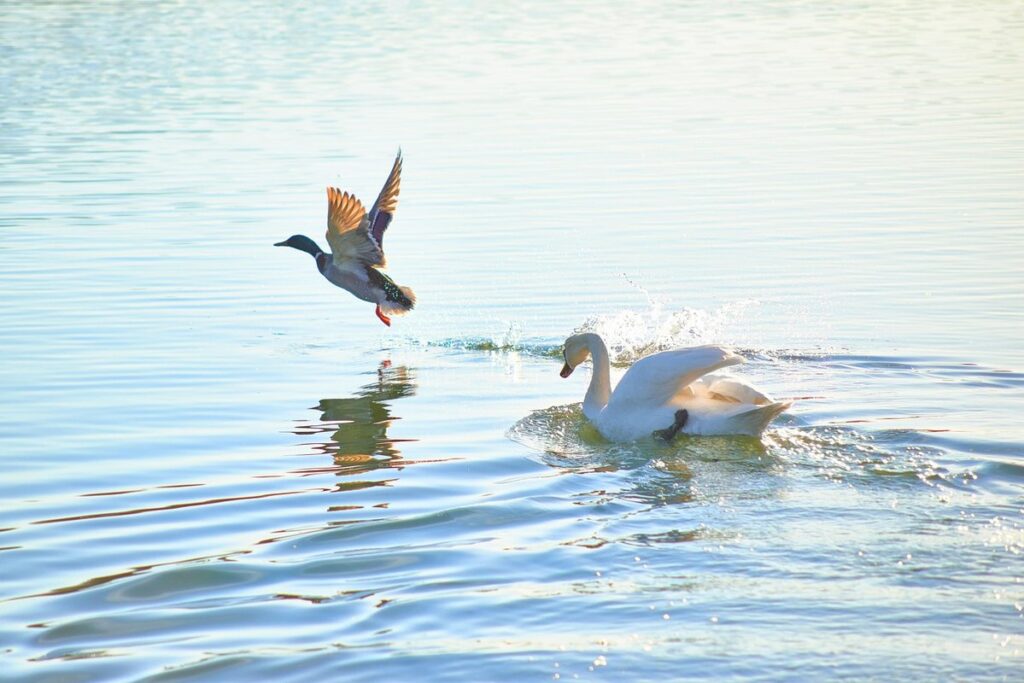
Habitat and Distribution
Ducks can be found living in a wide range of habitats, from freshwater wetlands to urban parks and backyards. Let’s explore where these amazing birds make their homes around the world.
Types of Duck Habitats
Ducks can be found living in various types of environments around the world. One of the most common habitats for ducks is wetlands, such as marshes, swamps, and bogs. These areas provide a perfect environment for ducks to thrive, with abundant food sources like plants, insects, and small aquatic animals. For example, the American White Pelican’s primary habitat is in shallow wetlands, where they feed on fish and other aquatic prey.
Ducks can also be found living in forests, particularly those with slow-moving rivers or streams. Some species of ducks, such as the Wood Duck, prefer to inhabit dense woodlands where they can forage for berries, seeds, and insects. Additionally, grasslands and prairies provide an ideal habitat for some duck species, like the Mallard, which roams freely in open areas searching for food.
Urban areas have also become a new home for many duck species. As human settlements expand, natural habitats are being destroyed or altered, forcing ducks to adapt to their surroundings. In cities, you can spot ducks living near parks, lakes, and rivers, feeding on bread crumbs and other human-provided food sources.
Climate Preferences
When it comes to climate preferences, different duck species have adapted to thrive in various environments. Temperature plays a crucial role in determining which habitats ducks occupy and their migration patterns. For instance, some duck species like the Wood Duck and Merganser are found in boreal forests where winters are harsh, while others like the Mallard and Pekin prefer warmer climates.
In general, most duck species require temperatures between 32°F (0°C) and 85°F (30°C) to survive. Temperatures below 24°F (-4°C) can be detrimental, causing frostbite in ducks’ exposed skin. Conversely, prolonged exposure to temperatures above 95°F (35°C) can lead to heat stress.
To attract duck species, gardeners and wildlife enthusiasts often create habitats with temperature ranges that cater to these needs. For example, providing a shallow water source and vegetation for shelter can help keep ducks comfortable during extreme weather conditions. In areas where winters are cold, creating a pond or pool with a depth of at least 12 inches (30 cm) can provide essential winter habitat for some duck species.
Human Impact on Duck Habitats
Ducks and their habitats are facing numerous challenges due to human activities. One of the most significant impacts is deforestation, which has led to the destruction of wetlands and natural habitats that ducks call home. For instance, the construction of dams and reservoirs has resulted in the loss of vast areas of wetlands, forcing many duck species to adapt or migrate to new territories.
Pollution is another major concern for duck habitats. The presence of pesticides, industrial waste, and agricultural runoff can contaminate water sources, affecting the quality of food and habitats available to ducks. Urbanization also plays a significant role in altering duck habitats. As cities expand, natural areas are converted into residential or commercial spaces, leading to habitat fragmentation and reduced populations.
To mitigate these effects, it’s essential for individuals to get involved. You can start by reducing your carbon footprint, using eco-friendly products, and supporting conservation efforts. Moreover, consider planting native vegetation in your backyard or community garden to create a haven for local wildlife. By taking small steps, we can collectively make a significant difference in preserving duck habitats and promoting their well-being.
Breeding and Nesting
When it comes to finding a safe place to call home, ducks have some specific needs when it comes to breeding and nesting. Let’s take a closer look at how they go about building their families and creating cozy habitats.
Mating and Pair Bonding
When it comes to breeding and nesting, ducks are monogamous birds that form long-term pair bonds with their mates. This unique relationship plays a crucial role in the success of their breeding endeavors. Ducks typically begin forming pairs during their first year of life, and these relationships can last for several years.
During mating season, which usually occurs between March and May, males will often engage in elaborate courtship displays to attract females. These displays may include posturing, vocalizations, and even gift-giving of twigs or other plant material. Once a pair is formed, the female will choose a nesting site, typically on the ground or in a hidden location near water.
The importance of pair bonding cannot be overstated, as it provides a sense of security and stability for both partners. A strong pair bond also allows ducks to work together during breeding and chick-rearing, increasing their chances of success. In fact, studies have shown that pairs that are bonded can increase their reproductive success by up to 50% compared to solitary individuals.
In the wild, observing a duck’s mating rituals can be a fascinating experience, providing insight into the complex social dynamics of these amazing birds.
Nesting Sites and Behaviors
When it comes to nesting sites and behaviors, ducks are quite particular about their surroundings. They typically choose areas with dense vegetation, such as cattails, reeds, or grasses, which provide excellent cover from predators. Water features like ponds, lakes, or slow-moving streams are often preferred, as they offer a reliable source of food and water.
Ducks will often construct their nests in a hidden location, such as under a thick patch of vegetation or behind a fallen log. They may also reuse existing nests, especially if they’re familiar with the area from previous breeding seasons.
When building their nests, ducks will line them with soft materials like grasses, leaves, and feathers to create a comfortable spot for laying eggs. The female duck will usually take sole responsibility for incubating the eggs, which can number anywhere from 8-13 depending on the species.
Some species of ducks are more particular about their nesting sites than others. For example, Wood Ducks are known to prefer areas with tall trees and dense shrubs, while Mallards tend to favor open areas near water.
Duckling Development and Care
Once duck eggs hatch, the journey to becoming a fully grown duck begins. The process of duckling development from egg to fledgling is remarkable and requires attentive parental care. Newborn ducklings are blind, helpless, and rely heavily on their parents for warmth, food, and protection.
For the first few weeks, ducklings are brooded under their mother’s feathers, where they receive essential heat and safety. During this period, both parents take turns feeding their ducklings a diet rich in protein and nutrients. The ideal feeding strategy involves offering a mix of commercial duckling feed, insects, and aquatic plants to ensure the young ones grow strong and healthy.
As the ducklings grow, their parents gradually introduce them to water and teach them how to swim and forage on their own. By around 6-8 weeks old, the ducklings are almost fully fledged and can fend for themselves. It’s crucial for breeders and owners to provide a safe and nurturing environment for their young ducks to develop properly and thrive.
By following these natural development stages and offering proper care, you can ensure your duckling grows into a happy, healthy adult duck.
Migration Patterns
As you explore where ducks live, let’s dive into their fascinating migration patterns, which take them across continents and through diverse ecosystems. From Arctic tundras to tropical wetlands, they navigate incredible journeys each year.
Annual Migration Routes
Many duck species are known to migrate between their breeding and wintering grounds, with some incredible annual journeys. For instance, the Arctic-breeding Common Eider makes a 2,500-mile round trip to reach its southern coastal habitats each year.
In North America, the Wood Duck is famous for its epic migration from Canada’s boreal forests to Mexico’s Gulf Coast wetlands. These ducks travel in flocks, often stopping over at key waterfowl refuges and urban parks along the way.
Some migratory duck species also exhibit altitudinal migrations, where they move up or down mountains as seasons change. For example, the Andean Avocet inhabits grassy high-altitude plains during summer but descends to lower valleys in winter.
It’s worth noting that not all duck species migrate – some populations remain resident throughout their range, while others only make short-distance movements in search of food or shelter. However, understanding the migration patterns of various duck species can help us appreciate these birds’ remarkable adaptability and resilience.
Migration Barriers and Challenges
Ducks migrating across different parts of the world face numerous barriers and challenges. Habitat loss is one of the most significant obstacles they encounter. As natural habitats are destroyed or fragmented due to human activities like deforestation, urbanization, and agriculture, ducks struggle to find suitable places to rest, feed, and breed.
Hunting also plays a significant role in disrupting duck migration patterns. Many species of ducks are hunted for their meat, feathers, and eggs, leading to population declines and threatening the long-term survival of these birds. For instance, the lesser whistling-duck is listed as Vulnerable on the IUCN Red List due to overhunting.
Additionally, human activities like damming rivers have altered water flow patterns, making it difficult for ducks to migrate between their breeding and wintering grounds. In some regions, dams have also disrupted the natural food chain, leaving ducks without their usual sources of food.
It’s essential for us to be aware of these challenges and take steps to mitigate them. By supporting conservation efforts and advocating for sustainable practices, we can help protect duck habitats and reduce hunting pressure on these magnificent birds.
Adaptations for Long-Distance Flight
When it comes to their migration patterns, ducks have evolved remarkable adaptations to enable them to undertake long-distance flights. One of the key physiological changes is the development of larger livers and more efficient metabolisms, allowing them to burn fat reserves during extended periods of flight. For instance, some species of ducks can store up to 50% of their body weight in fat before embarking on a migration journey.
Behavioral strategies also play a crucial role in long-distance flight. Ducks have been observed migrating in large flocks, often with experienced leaders guiding the way. This communal behavior helps them conserve energy and stay vigilant for potential predators. Additionally, some species of ducks are known to make use of wind currents and thermal updrafts to aid their journey, reducing the need for constant flapping.
As an avid birdwatcher or enthusiast, you can observe these remarkable adaptations in action by heading to a nearby migration hotspot during peak season. By understanding the incredible feats that ducks accomplish on their migratory journeys, we can develop a deeper appreciation for the natural world and its inhabitants.
Duck Social Structure
Let’s dive into how ducks organize themselves in groups, from small family units to large communities that work together for survival. You’ll learn about their social hierarchies and behaviors.
Flocking Behavior
In a typical duck social structure, you’ll often find ducks living together in groups known as flocks. This behavior is essential for their survival and well-being. One of the primary reasons ducks form flocks is to avoid predators. When ducks stick together, they can keep a watchful eye out for potential threats, making it more difficult for predators like hawks, owls, or foxes to sneak up on them.
Foraging is another significant benefit of group living for ducks. By working together, they can scour larger areas in search of food, increasing their chances of finding a nutritious meal. This cooperative approach also allows ducks to take advantage of specialized skills within the flock, such as one duck’s expertise in sniffing out aquatic plants or another’s talent for locating insects.
In addition to these benefits, flocks provide emotional support and social interaction, which are vital for the mental health and stability of individual ducks. By living together, they can establish a pecking order, learn from each other, and even form close bonds with specific flock members.
Dominance Hierarchies and Conflict Resolution
When it comes to social groups of ducks, establishing dominance hierarchies is a crucial aspect of their daily lives. These hierarchies are not just about pecking order; they determine which duck gets access to the best feeding spots, nesting areas, and even mating opportunities. In a group of ducks, you’ll often see a dominant male leading the flock, with a smaller number of dominant females following suit.
These dominance hierarchies can lead to conflicts within the group, particularly during breeding season or when resources are scarce. However, ducks have an interesting way of resolving these conflicts – through vocalizations and displays of aggression. For example, if two ducks are vying for the same food source, they’ll often engage in loud quacking matches, flapping their wings, and even charging at each other. The dominant duck will assert its dominance by winning this “battle,” while the subordinate duck will retreat to a lower position in the hierarchy.
If you’re trying to observe or care for ducks in a social group, it’s essential to recognize these dominance dynamics and conflicts. By doing so, you can better understand their behavior and create a more harmonious environment for them.
Communication Methods
When interacting with each other and their surroundings, ducks rely heavily on various forms of communication. One primary method is through vocalizations, which can convey a range of emotions and intentions. Different duck species produce unique sounds, such as quacks, whistles, and grunts, to signal alarm, courtship, or warning calls.
In addition to vocalizations, ducks also employ visual displays to communicate. For instance, they may raise their feathers, spread their wings, or perform elaborate courtship rituals to attract mates or deter rivals. Visual cues can be particularly important in dense habitats where vocalizations may not carry far.
Ducks also use scent marking as a means of communication. They deposit pheromones on plants, rocks, and other surfaces, which convey information about their identity, sex, and reproductive status. This form of communication is especially useful for maintaining social bonds and establishing territories. By being aware of these various forms of communication, you can better understand the complex social dynamics at play in duck populations.
Frequently Asked Questions
What are some ways to support duck habitats in urban areas?
If you live in a city, you can contribute to creating duck-friendly environments by planting native vegetation that attracts insects and provides shelter for ducks. You can also install birdhouses or nesting boxes specifically designed for ducks. Additionally, consider supporting local conservation efforts or joining community garden initiatives that promote green spaces and wildlife habitats.
How do I identify the type of duck species living in my backyard?
To determine which duck species is visiting your yard, observe their plumage, beak shape, and size. You can also note the time of year they’re present and any distinctive behaviors or sounds. Consult with local birding communities or wildlife experts for guidance on identifying specific duck species. Keep a journal to record your observations and track seasonal changes in duck populations.
Can ducks adapt to living near human settlements, and what are some benefits?
Yes. Ducks have shown remarkable adaptability to living near human settlements. By inhabiting urban areas, they can benefit from abundant food sources, reduced predation risks, and increased protection from harsh weather conditions. However, it’s essential for humans to provide suitable habitats and minimize the impact of urban development on duck populations.
How can I report a large gathering of ducks in my local park or wetland?
If you witness an unusual concentration of ducks in your area, contact your local wildlife authority or conservation organization. They will assess the situation and determine if any measures are needed to mitigate potential conflicts between humans and ducks. Your report can help inform management decisions that balance human activities with duck welfare.
What are some common mistakes people make when trying to attract ducks to their backyard?
Common pitfalls include over-feeding, which can lead to dependency on human sources and undermine natural foraging behaviors. Another mistake is introducing non-native plants or structures that may harm local ecosystems. Always research and consult with experts before implementing duck-attracting measures in your yard, ensuring you’re creating a welcoming environment without compromising the health of these birds.