
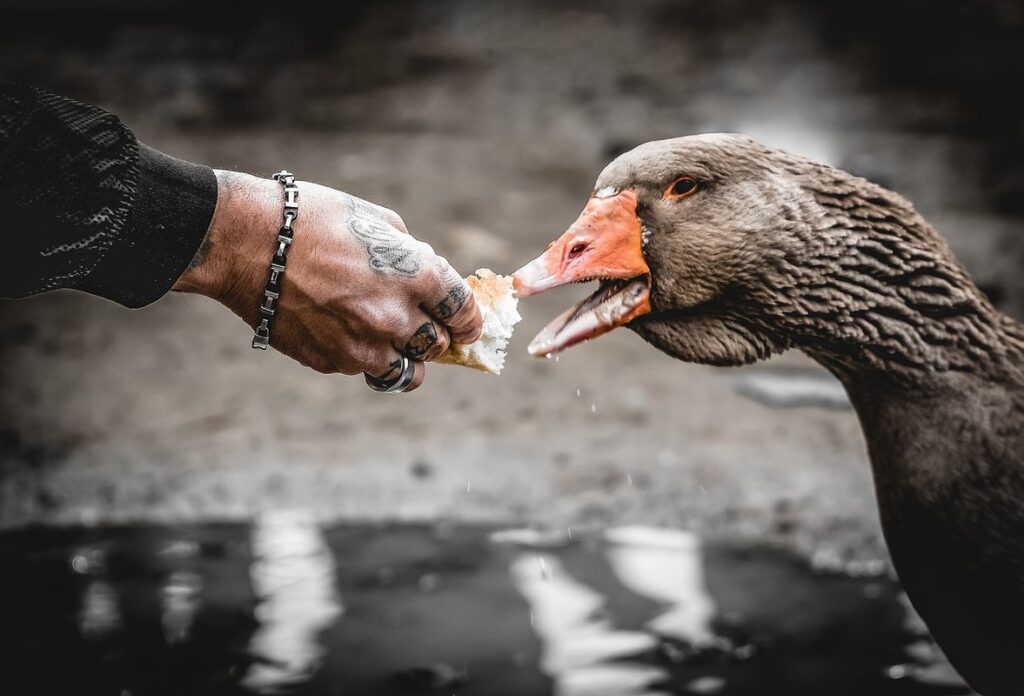
When we visit our local parks or lakes, it’s not uncommon to see people feeding bread to the ducks that inhabit these areas. While it may seem harmless, feeding bread to ducks can actually have serious consequences for their health and well-being. A diet rich in bread can lead to nutritional imbalance, causing problems such as obesity, malnutrition, and even organ damage in our feathered friends.
As we’ll explore in this article, the effects of bread on duck health are just one aspect of a larger issue. We’ll also delve into the environmental impacts of feeding bread to ducks, including pollution and disruption of natural ecosystems. Fortunately, there are healthy alternatives to bread that can provide ducks with the nutrients they need without harming them or their surroundings. By the end of this article, you’ll have a better understanding of responsible duck feeding practices and be able to make informed decisions about how to interact with these amazing creatures.
The Importance of a Balanced Diet for Waterfowl
A balanced diet is crucial for waterfowl, providing them with essential nutrients and energy to thrive. We’ll explore what makes up a healthy diet for ducks in this section.
Understanding Duck Nutrition Basics
When it comes to understanding what’s best for ducks, grasping their fundamental nutritional needs is crucial. Ducks are omnivores, which means they require a balanced diet consisting of protein, carbohydrates, and fat content. A duck’s ideal feed composition should comprise around 15-20% protein, 50-60% carbohydrates, and 10-15% fat.
In the wild, ducks forage for plant-based foods like aquatic plants, grasses, and grains, as well as insects and small invertebrates. This varied diet provides them with essential nutrients, including vitamins and minerals. However, when kept in captivity or fed by humans, their nutritional needs must be met through commercial duck feed or a well-planned supplement.
A common misconception is that bread can provide ducks with the necessary protein and energy they need. Unfortunately, this is not the case. Bread lacks essential nutrients like calcium, vitamin D3, and omega-3 fatty acids, making it an incomplete food source for ducks. In fact, feeding bread to ducks regularly can lead to malnutrition and related health problems.
By understanding a duck’s fundamental nutritional needs, you can make informed choices about their diet. Always opt for high-quality commercial duck feed or supplements that meet their specific requirements. If you’re unsure what to feed your feathered friends, consult with a veterinarian or poultry expert for personalized advice.
Common Foods That Are Toxic to Ducks
Ducks can be tempted by human food, but some common foods are toxic to them. Chocolate is one such example, as it contains a compound called theobromine that’s toxic to waterfowl. Consuming chocolate can cause vomiting, diarrhea, and even heart problems in ducks.
Avocados are another item on this list, with their pit, skin, and leaves being particularly toxic. While duck owners might think avocados make a nutritious treat, they can cause pancreatitis and other digestive issues if fed to ducks.
Onions belong to the Allium family, which includes garlic, leeks, and chives. These plants contain a compound called N-propyl disulfide that causes damage to a duck’s red blood cells when ingested in large amounts. Eating onions or their relatives can lead to anemia and even organ failure.
When it comes to feeding ducks, bread might not be the healthiest option, but at least it doesn’t poison them like these foods do.
The Risks of Feeding Bread to Ducks
Feeding bread to ducks may seem harmless, but it can actually lead to some serious health issues for our feathered friends. Let’s explore these risks up close.
Nutritional Imbalance Leading to Health Issues
Feeding bread to ducks may seem harmless, but it can lead to a nutritional imbalance that causes a host of health problems. When ducks are fed bread regularly, they start relying on it as their primary source of food, ignoring the nutrients they need from their natural diet. This can result in obesity, as excess carbohydrates from bread contribute to weight gain.
Research has shown that feeding bread to ducks can lead to malnutrition, particularly a lack of essential vitamins and minerals like vitamin A, calcium, and phosphorus (1). These deficiencies can cause various health issues, including weakened immune systems, poor feather condition, and reproductive problems. In severe cases, it can even lead to liver damage.
Feeding your ducks a balanced diet rich in fruits, vegetables, and whole grains can prevent these health issues. Limit or avoid giving them bread altogether and instead opt for nutrient-rich foods like leafy greens, squash, and sunflower seeds. This will ensure they receive the essential nutrients they need to thrive.
Impact on Water Quality and Ecosystems
Feeding bread to ducks may seem harmless, but it has far-reaching consequences that affect not just the ducks themselves, but also the water quality and ecosystems surrounding their habitats. When you throw bread into a pond or lake, it can lead to an overabundance of nutrients in the water. This excess nutrient load can cause algae growth, which in turn depletes the oxygen levels in the water, making it difficult for other aquatic life to breathe.
As a result, natural food chains are disrupted, and native plants and animals that rely on these ecosystems begin to struggle or even disappear. For instance, the invasive zebra mussel, which has already caused significant problems in many North American lakes, can outcompete native mussels for food and habitat when nutrient levels are high.
By avoiding bread feeding altogether, you’re doing a crucial service to both the ducks and their environments. Instead, consider bringing other healthy treats like lettuce, spinach, or kale to feed them. This simple switch can go a long way in maintaining the delicate balance of these ecosystems.
Alternatives to Bread for Feeding Ducks
If you’re looking to feed your feathered friends something other than bread, there are several alternatives that are not only healthier but also more nutritious. Let’s explore some options together!
Suitable Foods That Mimic Natural Diet
When it comes to feeding ducks, we want to make sure we’re providing them with foods that are not only healthy but also mirror their natural diet. Leafy greens like kale, spinach, and collard greens are excellent alternatives to bread for ducks. These nutrient-rich foods will keep your feathered friends happy and healthy.
Fruits such as berries, melons, and apples are also a great option. Cut them into bite-sized pieces or chop them up into smaller chunks to prevent choking hazards. You can even try offering vegetables like carrots, sweet potatoes, and squash.
To introduce these new foods into their diet, start by mixing a small amount with their regular bread-based food. Gradually increase the proportion of healthy foods over time to give their digestive system a chance to adjust. For example, you could begin with 25% leafy greens and 75% bread, then gradually move up to 50-50 or even 100% leafy greens.
Remember, it’s essential to provide ducks with fresh water at all times, and consider setting up a shallow dish for them to forage in. This will help keep them stimulated and engaged while they eat their healthy meals.
Creating a Safe and Healthy Feeding Environment
When feeding ducks, it’s essential to create a safe and healthy environment for both the birds and yourself. To do this, start by choosing a location at least 10-15 feet away from any water source, such as ponds or lakes. This distance helps prevent the spread of diseases like avian cholera.
Once you’ve selected your feeding spot, make sure to clean up after yourselves. Use biodegradable bags or containers to collect food scraps and waste, and dispose of them in designated trash cans. Regularly cleaning the area also prevents attracting other pests, like rodents or flies.
When interacting with ducks, remember to keep a safe distance and avoid touching them excessively. Wash your hands thoroughly with soap and water after feeding, and discourage others from doing so. By minimizing human interaction, you help reduce stress on the birds and prevent potential disease transmission.
To create an inviting space for ducks, consider adding shallow water features or mud areas where they can splash and play. This will encourage natural behavior and make their visit more enjoyable.
The Role of Bread in Human Culture and Duck Behavior
Bread has been a staple in human culture for centuries, but did you know it’s also become a favorite snack for ducks in our parks and gardens? We’re about to explore why this is.
Historical Significance and Cultural Practices
Bread feeding has become an integral part of human interaction with ducks, but its historical significance and cultural practices are multifaceted. In ancient times, bread was a staple food that provided sustenance for both humans and animals. The tradition of offering bread to ducks likely originated from this era, where it served as a symbol of nourishment and friendship.
However, as time passed, the practice took on more sentimental value. In modern times, feeding bread to ducks has become a popular activity in many parks and lakes. It’s not uncommon for people to bring loaves of bread specifically to feed the local duck population. While this may seem like a harmless act, it can have unintended consequences for the ducks’ health.
Some argue that bread feeding supports the local ecosystem by providing an easy source of food for ducks. On the other hand, others claim that bread is nutritionally poor and contributes to obesity in ducks. Ultimately, the decision to feed bread to ducks depends on one’s understanding of their nutritional needs and the potential environmental impact.
Understanding Duck Behavior and Natural Foraging Habits
In their natural habitats, ducks exhibit fascinating behaviors that are essential to their survival and well-being. These waterfowl are highly social creatures that thrive on interaction with their environment and fellow ducklings. They spend most of their day foraging for food, primarily consisting of aquatic plants, insects, and small invertebrates. Their keen sense of smell and visual acuity help them locate the best sources of nutrition.
Bread feeding disrupts these natural behaviors, causing ducks to rely on humans for sustenance instead of exploring and exploiting their environment. This dependence can lead to a range of problems, including over-reliance on a single food source, which can be detrimental to their health. By providing bread as an alternative to their natural diet, we inadvertently alter their social dynamics and foraging patterns.
Ducks that are fed bread regularly often exhibit abnormal behaviors, such as becoming aggressive or lethargic, particularly when they’re not provided with food by humans. This reliance on humans can also lead to a decline in their overall health, making them more susceptible to disease and parasites.
Debunking Common Myths About Feeding Bread to Ducks
Many people assume that feeding bread to ducks is harmless, but there are some misconceptions that can actually harm our feathered friends. Let’s explore these common myths and set the record straight.
Separating Fact from Fiction
The idea that bread is harmless in moderation when fed to ducks has been a persistent myth. However, studies have shown that even small amounts of bread can cause significant harm to these waterfowl. According to the National Audubon Society, bread can lead to malnutrition and digestive problems in ducks, as it lacks essential nutrients and fiber.
Ducks are not actually fond of bread; they prefer a varied diet rich in aquatic plants, insects, and small crustaceans. In fact, a study by the University of Wisconsin-Madison found that ducks fed bread were more likely to develop behavioral problems and aggressive tendencies due to the nutritional imbalance caused by the bread.
Some pet owners may claim that their ducks love bread, but this is often due to the ducks being habituated to eating human food, rather than any natural preference. If you’re concerned about providing a healthy diet for your feathered friends, consider supplementing with nutrient-rich foods like lettuce, spinach, or mealworms.
The Impact of Misinformation on Public Behavior
When we feed bread to ducks, it may seem like a harmless act of kindness, but the impact of this misinformation can be far-reaching and even harm the very animals we’re trying to help. Widespread misconceptions about feeding bread to ducks have led many people to believe that it’s a suitable food source for these waterfowl. However, in reality, bread has no nutritional value for ducks and can even cause malnutrition and other health problems.
One of the most insidious effects of misinformation is the perpetuation of harmful practices. When we’re convinced that feeding bread is beneficial, we may overlook more pressing issues like habitat destruction or pollution that are threatening duck populations. This misplaced focus on bread-feeding can also distract from efforts to provide ducks with healthier food options and a safe environment.
To break this cycle of misinformation, it’s essential to seek out credible sources and verify the information before acting. If you’re concerned about feeding ducks, consider visiting your local wildlife center or consulting reputable online resources for guidance. By making informed choices, we can work together to create a safer and healthier environment for these amazing creatures.
Conclusion: Promoting Responsible Duck Feeding Practices
Now that we’ve explored the effects of bread on duck health, let’s talk about promoting responsible feeding practices that prioritize their well-being. By doing so, you can help make a positive impact on your local duck population.
Summary of Key Points and Recommendations
When it comes to feeding bread to ducks, we’ve established that it’s far from a healthy choice for them. In fact, bread lacks essential nutrients and can lead to malnutrition, while its high carbohydrate content can cause weight gain and other health problems.
Providing alternative foods is crucial in promoting responsible duck feeding practices. You can start by introducing aquatic plants, such as duckweed or water lilies, into their enclosure. These plants are nutrient-rich and easy for ducks to digest. Additionally, consider offering a balanced commercial feed specifically formulated for waterfowl.
To promote healthy behavior, avoid feeding bread at all costs. Instead, create an environment where ducks can engage in natural behaviors like foraging and swimming. This means keeping their living space clean and free from debris, as well as providing adequate exercise and mental stimulation.
By choosing to feed your feathered friends a balanced diet and creating a duck-friendly environment, you’ll be contributing to the long-term health and happiness of these magnificent creatures.
Call to Action for a More Sustainable Future
As we’ve explored the potential risks of feeding bread to ducks, it’s essential to take action towards creating a more sustainable future for these amazing creatures. Let’s make a collective effort to adopt responsible duck-feeding practices and promote environmentally friendly behaviors within our communities.
When visiting areas where ducks congregate, consider the impact of your actions on their health and habitat. Instead of feeding bread, try offering alternative snacks like leafy greens or cracked corn, which are more nutritious for ducks. You can also support local initiatives that provide healthy food options for ducks or participate in park cleanups to maintain their living spaces.
As community members, we have the power to make a difference by influencing our friends and family to adopt sustainable behaviors. Share your knowledge about responsible duck feeding on social media, write letters to local authorities advocating for change, or simply encourage others to join you in offering healthier snacks to ducks. Together, we can create a ripple effect that promotes a more sustainable coexistence between humans and wildlife.
Frequently Asked Questions
Can I still feed bread to ducks if it’s a cultural tradition?
While some communities view feeding bread as a long-standing tradition, it’s essential to prioritize the health and well-being of our feathered friends. Yes, there are healthier alternatives that can provide a similar experience while promoting responsible duck feeding practices.
How do I transition from feeding bread to healthier options for ducks in my community?
When introducing new foods, start by observing what types of vegetation or food sources are naturally available in the area. You can also consider consulting with local wildlife experts or animal control services to ensure you’re providing a balanced diet that meets the nutritional needs of the ducks.
Are there any specific concerns I should have when feeding ducklings versus adult ducks?
Ducklings require a different nutrient profile than adult ducks, especially when it comes to protein and fat content. It’s essential to provide ducklings with starter feed specifically formulated for their age group to ensure they receive the necessary nutrients for growth and development.
Can I use any leftover human food for feeding ducks, or are there specific dietary restrictions?
No, not all human food is safe for ducks. Avoid giving them high-sugar foods like bread, as well as fatty meats and processed snacks that can lead to nutritional imbalances. Opt instead for nutrient-rich options such as fruits, vegetables, and whole grains that mimic their natural diet.
How can I educate others about the risks of feeding bread to ducks and promote responsible duck feeding practices in my community?
Raising awareness is a crucial step in promoting sustainable practices. You can start by sharing articles or videos on social media platforms, organizing community events or workshops, and engaging with local park rangers or wildlife experts to develop educational materials and campaigns that highlight the importance of responsible duck feeding.