
Keeping ducks as pets can be a delightful experience, but it requires attention to their specific needs. These fascinating birds thrive in an environment that caters to their natural behavior and ensures they stay healthy. A well-informed approach to duck keeping is crucial for maintaining happy and thriving feathered friends.
This guide will walk you through the essential aspects of caring for your ducks, including understanding their unique behavior, providing a balanced diet, creating a suitable environment, managing water quality effectively, performing regular health checks, and learning first aid techniques. By following these expert tips, you’ll be able to create an ideal living space that meets your duck’s needs, promoting long-term health and happiness. With this comprehensive guide, you’ll be well-equipped to become a confident duck parent.
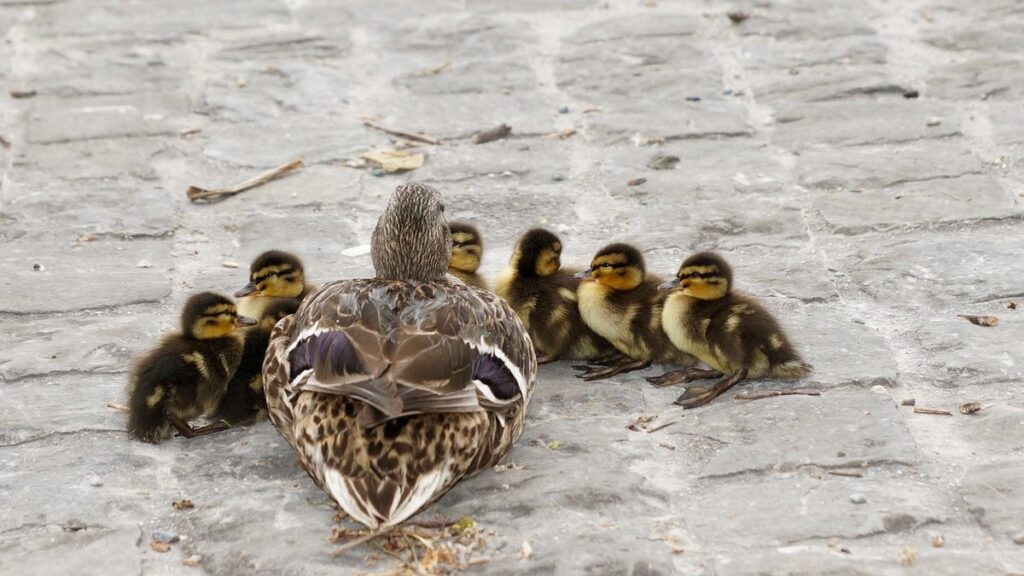
Understanding Duck Behavior and Needs
To care for your ducks properly, it’s essential to understand their behavior and specific needs, including social requirements and exercise demands. Let’s dive into what makes them tick.
Understanding Duck Communication
When it comes to understanding duck communication, it’s essential to recognize that they convey their messages through body language, vocalizations, and visual cues. One of the most distinctive features of ducks is their loud quacking, which can be a startling experience for new owners. However, this noise is not just a sign of annoyance; it’s a primary means of communication.
Ducks use various body postures to convey emotions and intentions. For example, when they feel threatened or scared, they will lower their heads, spread their wings, and make a hissing sound. Conversely, when they’re relaxed and content, they’ll often bob their heads, waddle around, and emit soft grunts.
Pay attention to visual cues like raised feathers on the neck or head, which can indicate aggression or excitement. By understanding these non-verbal signals, you’ll become more attuned to your ducks’ needs and be able to respond accordingly. With time and observation, you’ll learn to decipher their unique language and build a stronger bond with your feathered friends.
By being attentive to vocalizations, body language, and visual cues, you’ll develop a deeper connection with your ducks and create a harmonious living environment for both you and your birds.
Identifying Duck Health Issues
As a duck owner, it’s essential to be aware of common health issues that can affect your feathered friends. Respiratory problems are one of the most prevalent issues, often caused by poor ventilation or exposure to cold temperatures. Keep an eye out for labored breathing, wheezing, or coughing sounds from your ducks.
Another significant concern is parasites, such as mites, lice, and fleas. Check your ducks regularly for signs like excessive scratching, feather loss, or visible pests on their bodies. Regular cleaning of the coop and run can help prevent infestations.
Feather pecking, a common behavior in duck colonies, can lead to serious health issues if left unchecked. Monitor your ducks’ behavior and intervene early by providing enough space, exercise, and nutritious food to reduce stress and competition for resources.
Regular monitoring of your ducks’ behavior, health, and environment is crucial in identifying potential issues before they become severe problems.
Choosing the Right Environment for Your Ducks
When it comes to keeping ducks, providing a suitable environment is crucial for their health and happiness. Let’s dive into selecting the perfect space for your feathered friends.
Creating a Safe and Secure Enclosure
When it comes to creating a safe and secure enclosure for your ducks, there are several key factors to consider. Firstly, ensure that the enclosure provides ample space for your birds to move around comfortably. A general rule of thumb is to provide at least 2-3 square feet of space per duck inside the coop, and an additional 5-10 square feet in the run.
In addition to adequate space, your enclosure should also offer shelter from the elements. This can be achieved with a sturdy coop that provides protection from wind, rain, and sun exposure. Consider incorporating features such as windows for ventilation, a sloping roof to allow snow to slide off easily, and a secure door to prevent predators from getting in.
When it comes to predator protection, you’ll want to consider the types of threats that are prevalent in your area. For example, if you live in an area with foxes or coyotes, you may need to take extra measures such as using hardware cloth or netting around the enclosure’s perimeter.
Regular maintenance is also crucial for keeping your ducks safe and secure. This includes cleaning out droppings regularly, checking for signs of wear on the coop and run, and making repairs promptly to prevent damage from spreading.
Ultimately, the key to a safe and secure enclosure is planning ahead and being proactive about potential issues. By taking the time to build or select an enclosure that meets your ducks’ needs, you can help ensure their health and happiness for years to come.
Providing Adequate Space for Exercise
Ducks need space to move around, exercise, and engage in natural behaviors. When it comes to providing adequate space for your ducks, it’s essential to consider their needs beyond just a coop. While the coop will protect them from predators and harsh weather conditions, they’ll still require a safe area where they can roam freely.
Aim for at least 2-4 square meters of outdoor space per duck, depending on breed size and climate. For example, smaller breeds like Muscovy ducks can thrive in smaller spaces, while larger breeds need more room to move around. Make sure the enclosure is sturdy, secure, and escape-proof to prevent any potential risks.
In addition to physical space, also consider providing enrichment activities that stimulate their minds and bodies. This could include adding water features, such as a pond or pool, for swimming and exercise, or incorporating obstacles like tunnels or climbing structures to encourage exploration. By prioritizing your ducks’ spatial needs, you’ll help ensure they stay happy, healthy, and active.
Nutrition and Feeding Requirements
To keep your ducks healthy, it’s essential that you provide them with a balanced diet and access to fresh water at all times. A well-planned feeding schedule will also help maintain their weight and overall health.
Understanding Duck Dietary Needs
Ducks have specific dietary needs that vary depending on their age, sex, and level of activity. As a duck owner, it’s essential to provide a balanced diet that meets these nutritional requirements.
At different stages of their lives, ducks require varying amounts of protein, carbohydrates, and fiber. For example, growing ducklings need high-quality protein sources like commercial starter feed or hard-boiled eggs to support muscle growth and development. As they mature, the amount of protein can be gradually reduced while increasing the proportion of fiber-rich foods such as oats, barley, and leafy greens.
In addition to a varied diet, ducks also require access to fresh water for drinking and swimming. Aim to provide at least 1/4 cup of pellets or 1-2 cups of grains per duck per day. You can supplement their diet with fruits and vegetables, but avoid giving them avocado, onions, or garlic as they can cause harm.
Some essential nutrients that ducks need include calcium, phosphorus, and vitamins A, D, and E. To ensure your ducks receive these nutrients, consider adding crushed eggshells to their feed for calcium enrichment.
Creating a Feeding Plan
Developing a feeding plan is essential for ensuring your ducks receive the necessary nutrients. To create an effective feeding schedule, start by determining the age and breed of your ducks. Baby ducklings, for example, require more frequent feedings than adult ducks.
Ducks need a balanced diet that includes proteins, carbohydrates, and vitamins. A good starting point is to provide a commercial duck pellet as their main source of nutrition. This should be supplemented with fresh fruits and vegetables daily. Leafy greens like kale, spinach, and lettuce are excellent choices. Fruits such as berries, apples, and bananas also make great treats.
In addition to pellets and fruits/vegetables, you’ll need to provide a source of calcium for strong eggshell development in laying hens. Oyster shells or crushed eggshells work well for this purpose. It’s also crucial to ensure your ducks always have access to clean water.
Consider creating a feeding station with individual feeders to prevent fighting and stress among the birds. You can adjust the amount and type of food based on their age, health, and activity level. For instance, ducks that are molting or laying eggs may require more protein-rich foods.
Water Quality and Management
Maintaining good water quality is crucial for your duck’s health, so let’s dive into the importance of proper filtration and management systems.
Maintaining Clean Water Sources
Providing ducks with access to clean, fresh water at all times is crucial for their health and well-being. Not only does it help prevent diseases, but it also encourages them to stay hydrated and maintain a healthy digestive system. To ensure this essential need is met, it’s vital to establish a reliable source of clean water.
Firstly, make sure the water is free from contaminants such as debris, algae, or bacteria. Change the water in their pool at least twice a week to prevent any buildup of toxins. You can also add a pond skimmer or a net to manually remove any floating particles.
For optimal water quality, consider using a filter system specifically designed for ponds and pools. This will help maintain crystal-clear water and reduce the risk of waterborne diseases. It’s essential to check the pH levels regularly, as fluctuations can cause stress to your ducks. Aim for a neutral range between 6.5 and 8.5.
By following these simple steps, you’ll be providing your ducks with the clean, fresh water they need to thrive.
Managing Pond or Pool Water Quality
Maintaining healthy water conditions is crucial for your duck’s well-being and your pool or pond’s longevity. Regular testing of pH levels, ammonia, and nitrite will help you identify potential issues early on. You can purchase a water test kit at most pet stores or online. Typically, pH levels should range between 6.5 and 8.5, while ammonia and nitrite levels should be as close to zero as possible.
To prevent algae growth, introduce plants such as cattails, water lilies, or duckweed to your pond. These aquatic plants help maintain a balance of oxygen and nutrients in the water. You can also use UV filters or ponds with built-in filters to control algae growth.
It’s essential to change 25-50% of the pool or pond water every two weeks, depending on usage and climate. This helps remove waste products that could harm your ducks or contaminate the water further. Regular cleaning, such as removing debris and skimming the surface, is also necessary to maintain a healthy environment for your feathered friends.
Health Checks and First Aid
To keep your feathered friends healthy, it’s essential to perform regular health checks on your ducks and know how to provide basic first aid when needed. Regular inspections will help identify potential issues early on.
Performing Regular Health Checks
As a duck owner, it’s essential to perform regular health checks on your feathered friends to identify potential health issues early on. This will help you provide the necessary care and prevent more serious problems from arising.
Start by observing your ducks’ behavior and overall appearance. Look for signs of stress, such as excessive preening or pacing. Check their eyes, beak, and feathers for any changes or abnormalities. Monitor their appetite and stool quality, as these can indicate digestive issues.
During health checks, also inspect the ducks’ feet and legs for signs of injury or infection. Make sure to check their vents (the area around their cloaca) for cleanliness and any discharge. If you notice any unusual behavior or physical changes, consult a veterinarian experienced in treating waterfowl as soon as possible.
For regular health checks, aim to inspect your ducks daily, ideally at the same time each day. This will help you become familiar with their normal behavior and appearance, making it easier to spot any potential issues.
Providing First Aid for Common Injuries
When it comes to keeping ducks, accidents can happen, and being prepared for common injuries is essential. Basic first aid techniques can help you respond quickly and effectively in case of an emergency.
For minor cuts and scrapes, clean the area with mild soap and water. Apply a thin layer of antibiotic ointment and cover with a bandage to prevent infection. If your duck has broken feathers due to injury or molting, be gentle when handling the area and avoid pulling on loose feathers as this can cause further irritation.
More severe injuries may require immediate veterinary attention. Keep a record of any medical procedures or treatments you administer to your ducks. It’s also crucial to keep a well-stocked first aid kit nearby for quick access to essential supplies like bandages, antiseptic wipes, and tweezers. Regularly inspecting your ducks’ living space can help prevent accidents from occurring in the first place.
Conclusion
Now that you’ve learned how to care for your feathered friends, let’s summarize what we’ve covered so far and review the key takeaways from our comprehensive guide.
Recap of Essential Care Requirements
As you conclude your journey of learning about keeping ducks, it’s essential to recap the key takeaways from this comprehensive guide. By now, you should have a solid understanding of duck behavior and their unique needs.
A suitable environment is crucial for the well-being of your feathered friends. This includes providing ample space for exercise, shelter from harsh weather conditions, and protection from predators. Think of it as setting up a comfortable home for them to thrive in. Make sure to consider factors like fencing, drainage, and access to clean water.
Nutrition plays a vital role in maintaining the health of your ducks. A balanced diet rich in protein, calcium, and other essential nutrients is necessary. You can provide commercial duck pellets or feed as the main staple, supplemented with fruits, vegetables, and insects. Freshwater should always be available for drinking, and a separate area for swimming and bathing.
Water quality management is another critical aspect to consider. Regularly test the water’s pH level and bacteria count to ensure it remains safe for your ducks. Change the water frequently, and provide a clean feeding area to prevent contamination.
Health checks are essential to identify any potential health issues early on. Look out for signs of illness, such as changes in appetite, droppings, or behavior. Establish a relationship with a local veterinarian who specializes in poultry care to ensure prompt advice when needed.
In case of an emergency, having basic first aid skills can be lifesaving. Learn how to treat common injuries like cuts and wounds, and know what to do if your duck becomes ill or injured. With these essential care requirements met, you’ll be well-equipped to provide a happy and healthy life for your feathered companions.
Frequently Asked Questions
Can I Keep Ducks Indoors with My Other Pets?
While ducks are social animals, keeping them indoors can be challenging, especially if you have other pets that may not get along with them. It’s generally recommended to provide a secure outdoor enclosure where your ducks can roam and exercise safely. However, if you do decide to keep them indoors, ensure their space is large enough for movement and consider separating them from other pets during the first few weeks to prevent any conflicts.
How Do I Prevent Water Borne Diseases in My Pond?
Regularly maintaining clean water sources is crucial for your ducks’ health. Test your pond or pool water regularly for pH levels, bacteria, and contaminants. Make sure to change 10-20% of the water every week, and consider installing a biological filter to help break down waste and keep the water quality high.
What Should I Do If I Notice an Unusual Change in My Duck’s Behavior?
If you notice any unusual changes in your duck’s behavior, such as lethargy, loss of appetite, or difficulty walking, it’s essential to perform a health check immediately. Look for signs of injury, illness, or stress, and consult with a veterinarian if necessary. Keep a close eye on your ducks’ behavior and be prepared to address any potential health issues quickly.
Can I Mix Different Duck Breeds in the Same Enclosure?
While some duck breeds can get along well together, others may have specific needs or requirements that don’t mix with other breeds. Research different breeds before introducing them to your enclosure, and consider starting with a single breed to ensure you understand their specific needs and personalities.
How Often Should I Clean My Duck’s Living Area?
A clean living area is essential for maintaining healthy ducks. Aim to clean the enclosure at least once a week, removing any waste, debris, or contaminated food. Disinfect all surfaces with a pet-safe cleaner, and replace bedding materials as needed to prevent the buildup of bacteria and odors.