
When visiting the park or enjoying a day out by the pond, it’s hard to resist the charm of quacking ducks. Many of us have been tempted to feed them, but are you aware that not all foods are safe for our feathered friends? One common question on many minds is: can you feed ducks oats? While oats might seem like a harmless and healthy option, there’s more to consider than just its nutritional value. In this article, we’ll delve into the world of duck feeding and explore whether oats are suitable for these waterbirds. We’ll discuss the potential health risks associated with feeding ducks oats, as well as provide guidance on how to prepare and offer them in a safe and responsible manner. By the end of this piece, you’ll have all the information you need to make informed decisions about what to feed the ducks during your next visit.
The Basics of Feeding Ducks
To make sure you’re feeding your feathered friends safely, let’s start by covering the essentials of what ducks can and cannot eat. This includes their dietary needs and some common foods to avoid.
What Do Ducks Typically Eat in the Wild?
In their natural habitats, ducks are opportunistic feeders, which means they’ll eat a wide variety of foods that are readily available. A typical duck’s diet consists mainly of aquatic plants, such as water lilies, cattails, and algae, which grow in ponds, lakes, and slow-moving streams.
Ducks will also forage for insects, including mosquitoes, flies, and snails, which provide a rich source of protein. They’ll also eat small crustaceans like crayfish and crabs, as well as seeds from aquatic plants. In some cases, ducks may even eat the roots and tubers of aquatic plants.
It’s worth noting that wild ducks don’t have a single “go-to” food source. Instead, they adapt to their environment and make the most of what’s available. This flexibility is crucial for their survival, as it allows them to thrive in diverse ecosystems with varying resources. By understanding what ducks typically eat in the wild, you can better appreciate the importance of providing a balanced diet when feeding them oats or other human-provided foods.
Understanding Duck Nutrition Requirements
When it comes to feeding ducks oats, it’s essential to understand their nutritional requirements first. Ducks are omnivores and need a balanced diet that includes proteins, fats, carbohydrates, vitamins, and minerals to survive.
Ducks require about 18-20% protein from plant-based sources such as grains, fruits, and vegetables. Oats can provide some of the necessary protein, but it’s essential to supplement their diet with other protein-rich foods like mealworms or duck pellets. Carbohydrates are also crucial for energy and can be obtained from oats, but in moderation.
Vitamins and minerals are equally important for ducks’ overall health. They need vitamin A for vision, immune function, and skin health, as well as calcium for strong bones. Oats are relatively low in calcium, so it’s recommended to add crushed eggshells or dark leafy greens like kale to their diet.
When feeding oats to ducks, make sure to provide them with a variety of other foods to ensure they get all the necessary nutrients. A general rule of thumb is to provide 1-2 cups of oats per duck daily, mixed with other treats and supplements. By understanding their nutritional needs and providing a balanced diet, you can keep your feathered friends happy and healthy.
Common Foods That Are Safe for Ducks
When it comes to feeding ducks, it’s essential to know what foods are safe for them. While oats might be a tempting choice, there are several common foods that you can safely offer to ducks without worrying about harming them.
Some of the best options include leafy greens like kale, spinach, and collard greens. These are rich in nutrients and fiber, making them an excellent addition to your duck’s diet. You can also provide fruits such as berries, apples, and grapes (cut into small pieces to avoid choking hazards). Grains like wheat bread and corn on the cob are also acceptable, but be sure to limit their intake due to their high caloric content.
Vegetables like carrots, sweet potatoes, and squash are also safe for ducks. As a general rule, you should only feed your duck what they would naturally find in the wild – avoid giving them human junk food or anything processed. Also, remember that treats should make up no more than 10% of their daily diet; ensure they’re getting a balanced meal from their main source of nutrition.
Avoid feeding ducks anything high in salt, fat, or sugar, such as table scraps, nuts, or seeds. A good rule of thumb is to stick with fruits and vegetables that are fresh, clean, and free of pesticides. By choosing the right foods for your feathered friends, you can help keep them healthy and happy.
Oats: A Suitable Food Source for Ducks?
When it comes to oats and ducks, you’re likely wondering if they can be a suitable food source. We’ll explore this question in more detail below.
The Nutritional Value of Oats for Ducks
Oats are an excellent source of nutrition for ducks, providing them with essential proteins and fiber that promote overall health. A single cup of oats contains around 5-6 grams of protein, which is approximately 10% of a duck’s daily recommended intake. This high protein content supports muscle growth, repair, and maintenance in ducks.
In addition to protein, oats are rich in dietary fiber, containing both soluble and insoluble fibers. These fibers aid in digestion, preventing constipation and maintaining a healthy gut microbiome in ducks. A diet rich in fiber also helps reduce the risk of obesity-related issues in waterfowl.
For example, a study on duck nutrition found that incorporating oats into their diet resulted in improved feather quality, stronger egg production, and overall better health outcomes. To incorporate oats into your duck’s diet, start by mixing 1/4 cup of rolled oats with their regular feed for every 10 ducks. Gradually increase the portion size over time to avoid digestive upset.
Can Oats Provide a Balanced Diet for Ducks?
While oats can be a nutritious and filling addition to a duck’s diet, they are not a complete meal on their own. Ducks require a balanced mix of protein, vitamins, and minerals to stay healthy, and oats lack some essential nutrients.
To illustrate this point, consider that oats contain complex carbohydrates but are relatively low in protein (about 9% per pound). In contrast, ducklings need around 20-25% protein to support their growth and development. Supplementing oats with a high-protein food source, like mealworms or commercial duck feed, is essential to ensure the ducks get enough of this critical nutrient.
For example, you can mix cooked oats with fresh vegetables, fruits, and leafy greens for added fiber and nutrients. However, it’s crucial to provide a variety of foods daily to prevent nutritional deficiencies. A balanced duck diet should also include calcium sources like crushed eggshells or oyster shells to support strong beak and feather growth.
When using oats as part of your duck’s diet, make sure to provide a constant supply of fresh water and monitor their overall health closely.
Factors to Consider When Feeding Ducks Oats
When feeding ducks oats, there are several factors to consider to ensure their health and well-being. Firstly, it’s essential to provide a balanced diet that meets the nutritional needs of your feathered friends. Oats can be a nutritious addition, but they should not make up more than 10-15% of their daily intake.
When choosing oats for your ducks, opt for rolled oats or steel-cut oats, as these are easier to digest than instant oats. It’s also crucial to introduce oats gradually to prevent digestive upset. A good rule of thumb is to start with small amounts (about 1/4 cup per duck) and gradually increase the serving size over time.
Another factor to consider is the quality of the oats. Look for organic or non-GMO options, which are less likely to contain pesticides or other contaminants that can harm your ducks. It’s also essential to store oats properly to maintain their nutritional value. Keep them in a cool, dry place, and use airtight containers to preserve freshness.
Make sure to provide fresh water alongside oats, as dehydration is a common concern when introducing new foods to duck diets. A happy and healthy duck will appreciate the occasional oat treat, but always prioritize their regular duck food for balanced nutrition.
Risks Associated With Feeding Ducks Oats
While oats might seem like a harmless treat for your feathered friends, there are some serious risks to consider before feeding them. Let’s explore what can go wrong.
Potential Health Issues Caused by Overfeeding Oats
Overfeeding oats to ducks can lead to some serious health issues. One of the most common problems is obesity, which can cause a range of related conditions, including fatty liver disease and heart problems. Ducks that are fed too much oats can quickly become overweight, which puts additional strain on their internal organs and increases their risk of developing chronic diseases.
In addition to obesity, overfeeding oats can also lead to digestive issues such as wet droppings and soft feathers. This is because ducks have a unique digestive system that requires them to eat a balanced diet of grains, vegetables, and proteins in the right proportions. When they are fed too much oats, their gut bacteria become unbalanced, leading to a range of unpleasant symptoms.
To avoid these health problems, it’s essential to feed your ducks a varied and balanced diet that includes plenty of fresh fruits and vegetables alongside oats. A good rule of thumb is to provide them with 50-75% of their daily calories from grains like oats, while reserving the remaining 25-50% for fruits and veggies. By striking this balance, you can keep your ducks healthy and happy.
Other Possible Consequences of Feeding Ducks Oats
Feeding ducks oats can lead to several other consequences beyond just over-reliance on humans for food. For one, it can cause nutritional imbalances if the ducks are not receiving a balanced diet. A lack of essential nutrients such as vitamins and minerals can lead to weakened immune systems, poor feather growth, and even organ damage.
Moreover, feeding ducks oats in excess can also contribute to an over-reliance on carbohydrate-rich foods, which can lead to obesity and other metabolic problems. According to the American Animal Hospital Association (AAHA), ducks require a balanced diet that includes protein, fiber, and vitamins to maintain optimal health.
Ducks fed only oats may not be getting enough of these essential nutrients, potentially leading to malnutrition. It’s also worth noting that feeding ducks oats in urban areas can lead to conflicts between humans and other wildlife, as well as the spread of diseases from wild animals to domesticated ones.
To avoid these complications, it’s best to stick to a balanced diet for your feathered friends.
Safe Ways to Feed Oats to Ducks
When feeding oats to ducks, it’s essential to do so safely to avoid choking hazards and ensure they digest the grain properly. Here are some guidelines for offering oats as a treat.
Preparing Oats for Feeding
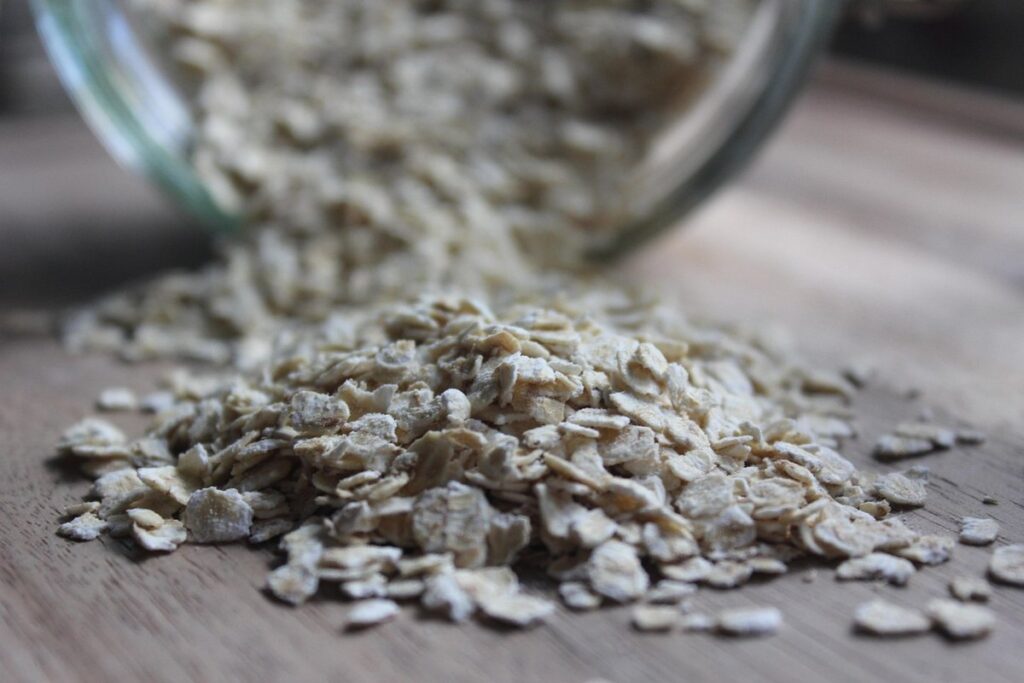
When feeding oats to ducks, it’s essential to properly prepare them to ensure their digestive health and safety. One of the most critical steps is soaking the oats. This process helps to break down the phytic acid, a compound that can inhibit nutrient absorption, making the oats more easily digestible for your feathered friends.
To soak oats, simply add water to cover the oats in a container, and let it sit for 8-12 hours. You can also add a pinch of Epsom salt or apple cider vinegar to enhance the soaking process. After soaking, drain the excess water and rinse the oats with clean water. Cooking the oats is another option, but be cautious not to overcook them, as this can make them too mushy for duck consumption.
When preparing oats for ducks, it’s also crucial to note that you should avoid using instant or flavored oats, as these may contain additives that are toxic to ducks. Stick to plain, rolled, or steel-cut oats, and always introduce new foods gradually to prevent digestive upset.
Best Practices for Feeding Oats in a Pond or Lake Setting
When feeding oats to ducks in a pond or lake setting, it’s essential to follow best practices to ensure their well-being and minimize the risk of water pollution. Start by choosing a feeding location that’s far from the water’s edge, where the oats can’t be washed into the lake. This will prevent excess nutrients from entering the water.
A good rule of thumb is to feed ducks in the morning or late afternoon when they are most active. Avoid feeding during peak sunlight hours to prevent algae growth. As for quantity, a general guideline is to offer 1/4 cup of oats per duck per day. However, this can vary depending on the size and age of the duck.
When feeding outdoors, it’s also crucial to store oats in airtight containers to keep them fresh and dry. You should also clean up any leftover food to prevent attracting other wildlife. By following these guidelines, you can enjoy watching ducks forage for oats while maintaining a healthy environment for both the birds and the ecosystem.
Ensuring the Oats Are Accessible for All Ducks
Ensuring the oats are accessible for all ducks is crucial to maintain their health and well-being. To do this, consider providing a shallow dish or tray filled with oats near the water’s edge where they can easily access it without having to leave the water. This also allows them to eat comfortably while taking breaks from swimming.
You may need to adjust the height of the feeding area depending on your duck population’s size and age, as well as their individual needs. For example, if you have older ducks or those with mobility issues, you might want to place the oats in a slightly higher location that they can easily access without straining themselves.
Another crucial aspect is ensuring that the oats are fresh and not spoiled. Regularly clean the feeding area and check for mold or mildew on the oats. Also, consider changing the water frequently to keep it free from bacteria and other contaminants. By following these guidelines, you can create an accessible environment where all ducks feel welcome to feed on the oats at their own pace.
Alternatives to Oats for Feeding Ducks
If you’re concerned that oats might not be suitable for your feathered friends, there are plenty of other options to consider when it comes to duck food. Let’s explore some alternatives to oats.
Other Grains That Can Be Used as Duck Food
In addition to oats, there are several other grains that can be used as a substitute or supplement for feeding ducks. Barley is one such option, which provides essential nutrients like fiber and vitamins B1 and B6. You can offer barley in moderation, about 20-30% of their regular diet, by mixing it with water to create a gruel-like consistency.
Another grain that’s suitable for duck feed is wheat. It’s an excellent source of carbohydrates, making it perfect as an energy supplement. However, be cautious not to overfeed your feathered friends with wheat, as excessive consumption can lead to digestive issues. A mix of 10-20% wheat and oats or other grains can be a good starting point.
Millet is yet another nutritious option that’s rich in fiber, iron, and phosphorus. It’s an excellent choice for ducks during molting season when they require extra nutrients for feather growth and maintenance. To incorporate millet into your duck’s diet, simply add it to their regular feed mix in moderation – about 10-15%.
Remember, it’s always best to consult with a local veterinarian or poultry expert before making any significant changes to your duck’s diet. They can provide personalized advice based on the specific needs of your flock and ensure you’re offering the most nutritious options for your feathered friends.
Fruits and Vegetables That Are Safe for Ducks
When it comes to providing a balanced diet for ducks, incorporating fruits and vegetables can be an excellent alternative to oats. In fact, many fruits and veggies are rich in essential nutrients that promote healthy growth and overall well-being.
For instance, leafy greens like kale, spinach, and collard greens are packed with vitamins A, C, and K, as well as iron and calcium. These nutritious leaves can be added fresh or dried to your duck’s diet. Some other safe options include carrots, which provide a boost of vitamin A and beta-carotene; apples and berries, rich in fiber and antioxidants; and sweet potatoes, high in vitamin A and fiber.
It’s essential to introduce new fruits and veggies gradually and in moderation to prevent digestive upset. Start by mixing small amounts into their regular feed or offering them as treats. Remember, a varied diet is key, so rotate the selection regularly to ensure your ducks receive a broad spectrum of nutrients.
Some specific serving sizes include: 1-2 cups of chopped kale per duck daily; 1/4 cup of diced carrots per duck daily; and 1 small apple or handful of berries as an occasional treat.
Conclusion and Recommendations
Now that we’ve explored the ins and outs of feeding ducks oats, it’s time to summarize our findings and provide you with some final advice on how to care for these lovely waterfowl.
Recap of Key Points
In reviewing the information presented throughout this article, it’s essential to recall the key takeaways regarding feeding ducks oats. As we’ve established, oats can be a nutritious supplement for ducks when given in moderation and as part of a balanced diet. However, their nutritional value should not replace the need for high-quality duck feed.
It’s also crucial to remember that overfeeding oats can lead to digestive issues and potentially even malnutrition due to an imbalance of essential nutrients. To minimize risks, consider introducing oats gradually into your ducks’ diets, ideally no more than 10-15% of their total daily intake. Additionally, ensure the oats are properly cleaned and free from contaminants before offering them to your feathered friends.
Remember, always prioritize consulting with a veterinarian or poultry expert for personalized advice on feeding your ducks. By understanding the nutritional value of oats and adopting responsible feeding practices, you can provide your waterfowl companions with a healthy and happy life.
Final Thoughts on Feeding Ducks Oats
In conclusion to our exploration on feeding ducks oats, it’s essential to summarize our findings and offer guidance on incorporating this practice into your daily interactions with waterfowl. Oats are a nutritious option for ducks, rich in fiber and carbohydrates that support their energy needs.
However, it’s crucial to maintain a balanced diet by supplementing oats with other food sources, including aquatic plants and insects. A lack of diversity can lead to nutritional deficiencies, compromising the duck’s overall health.
As we’ve discussed, not all oats are created equal – whole oats, steel-cut oats, and rolled oats have varying levels of nutrients. Choose a reputable supplier or opt for organic options when possible.
When feeding your feathered friends, remember to keep portions small to prevent overfeeding and maintain their natural foraging behavior. By following these guidelines, you can safely and responsibly feed ducks oats as an occasional supplement to their regular diet.
Frequently Asked Questions
Can I feed ducks oats if they’re not readily available in their natural habitat?
Yes, while oats might be an unusual food source for ducks in the wild, it can still be a nutritious option when offered responsibly in a controlled environment like a park or pond. However, always consider the duck’s overall diet and nutrient balance to avoid overfeeding.
How do I prepare oats for feeding ducks safely?
To prepare oats for feeding ducks, make sure they’re free from contaminants and debris. Rinse them with clean water, then boil or cook them lightly to reduce phytates and increase bioavailability of nutrients. Let the cooked oats cool before offering them to the ducks.
Can I feed oats to ducklings along with their mother?
While oats can be a nutritious addition to a duck’s diet, it’s best to avoid feeding them to ducklings along with their mother unless you’re under direct guidance from an experienced aquaculture professional. Young birds have specific nutritional needs that may not align with the oats’ composition.
What are some common mistakes people make when feeding ducks oats?
Common mistakes include overfeeding, which can lead to water pollution and negative health impacts on the ducks. Another mistake is failing to provide a balanced diet that meets the duck’s nutrient requirements. Be sure to monitor your local park or pond regulations and follow responsible feeding practices.
How do I ensure the oats are accessible for all ducks in the pond?
To make oats accessible for all ducks, consider using feeders that allow multiple birds to access food at once. Place these feeders near water’s edge but avoid disturbing their natural environment. This setup will help you distribute oats evenly and prevent overcrowding around feeding areas.