
Are you curious about duck eggs? You’re not alone. Many people have questions about these large, dark-colored eggs that are often seen as a delicacy in some cultures. But do you eat duck eggs? If so, what’s behind this choice and what benefits can you expect from incorporating them into your diet?
In this article, we’ll delve into the world of duck eggs, exploring their nutritional content, cultural significance, and safety considerations. From protein-packed goodness to creative preservation methods, we’ll cover it all. Whether you’re a health enthusiast or a foodie looking for new inspiration, this comprehensive guide will give you the lowdown on what makes duck eggs a valuable addition to your diet. With its unique flavor profile and versatility in cooking, is there anything holding you back from giving duck eggs a try?
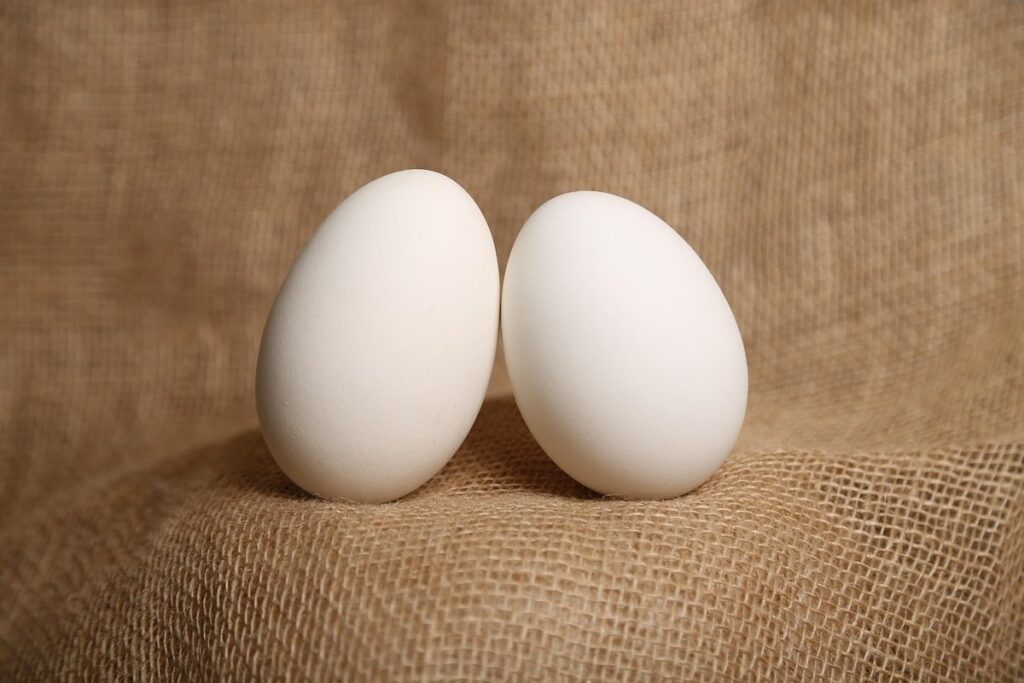
Nutritional Value of Duck Eggs
Duck eggs are often touted as a superior alternative to chicken eggs, but what exactly makes them more nutritious? Let’s break down their unique nutritional profile.
Protein Content and Amino Acid Profile
Duck eggs are an excellent source of high-quality protein, making them a popular choice among athletes and health enthusiasts. The protein content in duck eggs is comparable to that of chicken eggs, but with a unique amino acid profile that sets it apart.
One of the standout features of duck egg protein is its rich content of essential amino acids (EAAs), particularly lysine. Lysine is an important EAA that’s often deficient in many plant-based diets, making duck eggs a great option for vegetarians and vegans looking to boost their protein intake. In fact, a large duck egg can provide up to 6 grams of lysine per serving, which is more than double the amount found in a large chicken egg.
To maximize the benefits of duck egg protein, it’s essential to consume them in moderation as part of a balanced diet. A general rule of thumb is to aim for 1-2 duck eggs per day, depending on your individual protein needs and dietary goals.
Vitamin and Mineral Content
Duck eggs are an excellent source of various essential vitamins and minerals that can significantly boost one’s nutritional intake. For instance, vitamin D is present in duck eggs, which plays a crucial role in maintaining strong bones and teeth, as well as regulating the immune system. Furthermore, iron content in duck eggs makes them an ideal choice for individuals suffering from iron deficiency.
In addition to these essential nutrients, duck eggs are also rich in other vitamins such as B12 and E. Vitamin B12 is vital for the production of red blood cells, while vitamin E acts as an antioxidant that helps protect against cell damage. These vitamins combined with minerals like potassium, magnesium, and zinc make duck eggs a nutritious addition to one’s diet.
It’s worth noting that the nutritional content of duck eggs can vary depending on factors such as the breed of the duck, its diet, and living conditions. However, when consumed in moderation, duck eggs can provide an excellent source of vital nutrients that are often lacking in modern diets.
Cholesterol Levels
When it comes to duck eggs and cholesterol levels, many people assume they’re off-limits due to their high fat content. However, the reality is that duck eggs contain relatively low levels of cholesterol compared to other egg types.
On average, a large duck egg contains about 240-270 milligrams of cholesterol per yolk, which may seem alarming at first glance. To put this into perspective, a large chicken egg typically contains around 280-300 milligrams of cholesterol per yolk. So, while duck eggs do contain some cholesterol, the difference is not as significant as many people think.
In fact, if you’re concerned about your dietary cholesterol intake, it’s worth noting that one large duck egg provides approximately 1/5 to 1/4 of the recommended daily value for cholesterol. This means that moderation is key when consuming duck eggs as part of a balanced diet. If you’re looking to incorporate more duck eggs into your meals, consider pairing them with healthier fats and vegetables to minimize any potential impact on your cholesterol levels.
Cultural Significance and Uses
Duck eggs have been a staple food in many cultures for centuries, playing a significant role in traditional medicine, spiritual practices, and everyday meals. Let’s explore their cultural significance and uses around the world.
Culinary Traditions
Duck eggs have been a staple ingredient in many cultural cuisines around the world. In Asian culture, they are particularly prized for their rich flavor and versatility. From China’s steamed egg custards to Korea’s spicy stir-fries, duck eggs add depth and complexity to dishes.
In Japan, tamagoyaki – a sweet rolled omelette made with duck eggs – is a popular snack or side dish. Meanwhile, in Southeast Asia, balut, a developing duck embryo boiled and eaten from the shell, is a popular street food. These examples illustrate how different cultures have adapted duck eggs into unique and delicious dishes.
When incorporating duck eggs into your cooking, consider their rich flavor profile. Pair them with ingredients that complement their savory taste, such as soy sauce or fish sauce in Asian-inspired dishes. Experiment with different cooking methods, like steaming or frying, to bring out the best texture and flavor of the eggs.
Some traditional recipes, like Chinese tea egg or Korean-style duck egg porridge, are worth trying for a unique culinary experience.
Preservation Methods
In some parts of the world, duck eggs are preserved through techniques like pickling or fermenting to enhance their flavor and shelf life. This is particularly common in Asian cultures, where fermented duck egg dishes like century eggs or preserved eggs are considered delicacies.
Fermentation is a simple yet effective method for preserving duck eggs. It involves submerging the eggs in a brine solution, which is typically made from salt, sugar, and spices. The acidity of the brine helps to break down the proteins in the egg, giving it a creamy texture and nutty flavor.
In some regions, duck eggs are also pickled or cured with vinegar or other acidic solutions to create tangy snacks. For example, Korean-style fried pickled duck eggs are a popular street food. These bite-sized treats are crunchy on the outside and soft on the inside, with a burst of sour flavor from the pickling liquid.
To try your hand at fermenting or pickling duck eggs, start by gathering the necessary ingredients – salt, sugar, spices, and of course, fresh duck eggs. Be patient, as fermentation can take several weeks to months to complete. Research local recipes and guidelines for specific preservation methods and follow proper food safety protocols when handling fermented foods.
Comparison with Chicken Eggs
When it comes to duck eggs, many people wonder how they stack up against their more familiar counterparts, chicken eggs. Let’s take a closer look at some key differences.
Yolk Color and Taste
When it comes to duck eggs versus chicken eggs, one of the most noticeable differences lies in their yolk color and taste. The reason behind this difference is primarily due to the unique characteristics of ducks themselves. Ducks are herbivores and have a distinct liver enzyme that breaks down lipids more efficiently than chickens do.
As a result, duck egg yolks tend to be darker in color, almost orange or yellow-orange, whereas chicken eggs typically have pale yellow yolks. The taste of duck eggs is also richer and creamier due to the higher fat content and smaller yolk-to-white ratio compared to chicken eggs. This distinct flavor profile makes duck eggs a popular choice for baking and cooking, especially when it comes to rich desserts or savory dishes like omelets.
To make the most of your duck egg purchase, consider using them in recipes where you’d normally use high-quality cheese or butter. The extra fat content will add depth without overpowering other flavors. Whether you’re an adventurous cook or just starting to explore the world of duck eggs, experimenting with different recipe combinations is key to unlocking their full potential.
Shelf Life and Storage
Duck eggs tend to have a shorter shelf life than chicken eggs due to their higher moisture content. This means they require special care when it comes to storage to maintain their freshness.
A key factor in extending the shelf life of duck eggs is proper handling and storage. When storing duck eggs, it’s essential to keep them in a cool, dry place away from direct sunlight. A temperature range between 35°F and 45°F (2°C to 7°C) is ideal for storing duck eggs. This can be achieved by storing them in the refrigerator or using an egg storage container with ventilation.
To prevent moisture buildup and contamination, store duck eggs pointy end down. This helps keep bacteria from entering the egg through the air sac. You can also consider storing them in a sealed container or wrapping them individually in plastic wrap to maintain humidity control.
Remember to always check your duck eggs regularly for any visible signs of spoilage before consuming them.
Safety Considerations
When it comes to duck eggs, there are some essential safety considerations to keep in mind before cracking open one at home. Here’s what you need to know.
Salmonella Risk
When handling and consuming duck eggs, it’s essential to be aware of the risk of salmonella bacteria. Like chicken eggs, duck eggs can carry this potentially deadly pathogen, which is a major concern for people with weakened immune systems, such as pregnant women, young children, and older adults.
To minimize the risk of salmonella, it’s crucial to handle duck eggs safely. First, always wash your hands thoroughly after touching duck eggs or their shells. Next, store duck eggs in the refrigerator at a temperature below 40°F (4°C) within two hours of purchase. Crack open duck eggs only on a clean surface, and then immediately cook them until the yolks are firm and the whites are set.
Raw or undercooked duck egg yolks can contain salmonella bacteria, so it’s best to cook them thoroughly before consumption. Scrambled eggs, omelets, and frittatas are all safe options. Hard-boiled eggs are also a good choice, but be sure to refrigerate them within two hours of cooking.
When purchasing duck eggs, choose those from reputable sources, such as local farms or grocery stores with high standards for egg safety. Always check the packaging for any visible signs of cracks or damage, which can compromise the integrity of the egg.
Handling and Storage Best Practices
When handling and storing duck eggs, it’s crucial to take extra precautions to prevent contamination. Always wash your hands thoroughly with soap and warm water before and after handling the eggs. This simple step can help reduce the risk of Salmonella or other bacteria entering the egg.
For storage, keep the eggs in their original carton, pointed end down, in a cool, dry place away from direct sunlight. A refrigerator is ideal, as it maintains a consistent temperature between 40°F and 45°F (4°C and 7°C). Store them at least two inches apart to prevent moisture buildup.
When transporting duck eggs, consider using an insulated container or bag with a thermometer to maintain the optimal storage temperature. If storing eggs in a carton that’s not specifically designed for egg storage, be sure to label it clearly as “raw eggs” and store it on the lowest shelf of the refrigerator to minimize cross-contamination.
It’s also essential to check your duck eggs regularly for any signs of spoilage or damage before consuming them.
Conclusion
Now that we’ve explored the benefits and potential drawbacks of duck eggs, let’s summarize our key takeaways and provide a final perspective on incorporating them into your diet.
Recap of Benefits and Considerations
As we conclude our exploration of duck eggs, let’s take a moment to reflect on the key points discussed and what they mean for you. We’ve covered the rich nutritional profile of duck eggs, from their high protein content to their unique fatty acid composition. We’ve also examined the cultural significance of duck eggs in various parts of the world, where they’re often considered a delicacy or a staple food.
On the one hand, consuming duck eggs can be incredibly beneficial for your health. They’re an excellent source of essential nutrients like vitamin B12, iron, and zinc, which are vital for maintaining healthy red blood cells, immune function, and energy production. Additionally, duck eggs contain more omega-3 fatty acids than chicken eggs, making them a great choice for those looking to reduce their intake of inflammatory compounds.
However, it’s also essential to consider the potential drawbacks of eating duck eggs. For one, they can be significantly higher in cholesterol than chicken eggs, which may pose a risk for individuals with high cholesterol levels or heart disease. Moreover, duck eggs are often more expensive and harder to find than their chicken counterparts, making them less accessible to some consumers.
To make the most of duck eggs while minimizing potential risks, we recommend the following:
* Choose duck eggs from reputable sources that prioritize animal welfare and humane treatment.
* Consume duck eggs in moderation as part of a balanced diet.
* Be mindful of individual nutritional needs and health status when deciding whether to incorporate duck eggs into your diet.
* Experiment with different cooking methods, such as poaching or scrambling, to reduce the cholesterol content.
By weighing the benefits and potential drawbacks, you can make an informed decision about incorporating duck eggs into your diet. Whether you’re a seasoned foodie or just starting to explore new culinary options, duck eggs offer a unique opportunity to experience new flavors and textures while nourishing your body.
Frequently Asked Questions
Can I substitute duck eggs for chicken eggs in my favorite recipes without any issues?
Yes, you can use duck eggs as a direct substitute in most recipes, but keep in mind that the larger size may affect cooking times and textures. Start with a small batch to adjust ratios and seasonings according to your taste.
Are duck eggs safe to eat raw or need they be cooked like chicken eggs?
Similar to chicken eggs, duck eggs can pose a risk of salmonella contamination if not handled properly. Always store them in the refrigerator at 40°F (4°C) or below, wash hands before handling, and cook duck eggs until the yolks are firm.
How do I differentiate between fresh and spoiled duck eggs?
Check for any visible cracks or breaks, which can indicate spoilage. Fresh duck eggs will have a clean, slightly sweet smell; avoid those with strong odors or visible mold. Always store eggs in their original carton to prevent moisture accumulation and contamination.
Can I freeze duck eggs for later use?
Yes, you can freeze duck eggs, but they’re best used in cooked dishes due to changes in texture after thawing. Beat the eggs before freezing to mix the yolks with the whites, then place them in airtight containers or freezer bags at 0°F (-18°C) or below.
Are there any health considerations for individuals with high cholesterol who consume duck eggs?
While duck eggs are higher in fat than chicken eggs, their unique fatty acid profile may be beneficial for those with high cholesterol. Consult with a healthcare professional before making significant changes to your diet.