
Ducks are often associated with serene lakesides or bustling city parks, but did you know that some ducks are truly one-of-a-kind? These “cool” ducks possess captivating appearances and intriguing behaviors that set them apart from their fellow feathered friends. From majestic plumage to unique vocalizations, these fascinating birds have adapted to thrive in a variety of ecosystems. As we delve into the world of cool ducks, you’ll learn about their history, essential role in maintaining healthy environments, and the efforts being made to conserve their populations. We’ll also explore how to care for these magnificent creatures, providing valuable insights for both seasoned bird enthusiasts and those just discovering the joys of duck ownership. Get ready to meet some truly remarkable waterfowl!
What are Cool Ducks?
So, you’re wondering what exactly makes a duck cool? Well, let’s dive into some of the fascinating characteristics that set these amazing birds apart from the rest.
Characteristics of Cool Ducks
When you think of cool ducks, it’s not just about their cute quacks and waddling steps. It’s about their unique characteristics that set them apart from the rest. Let’s take a closer look at some physical and behavioral traits that make a duck truly “cool”.
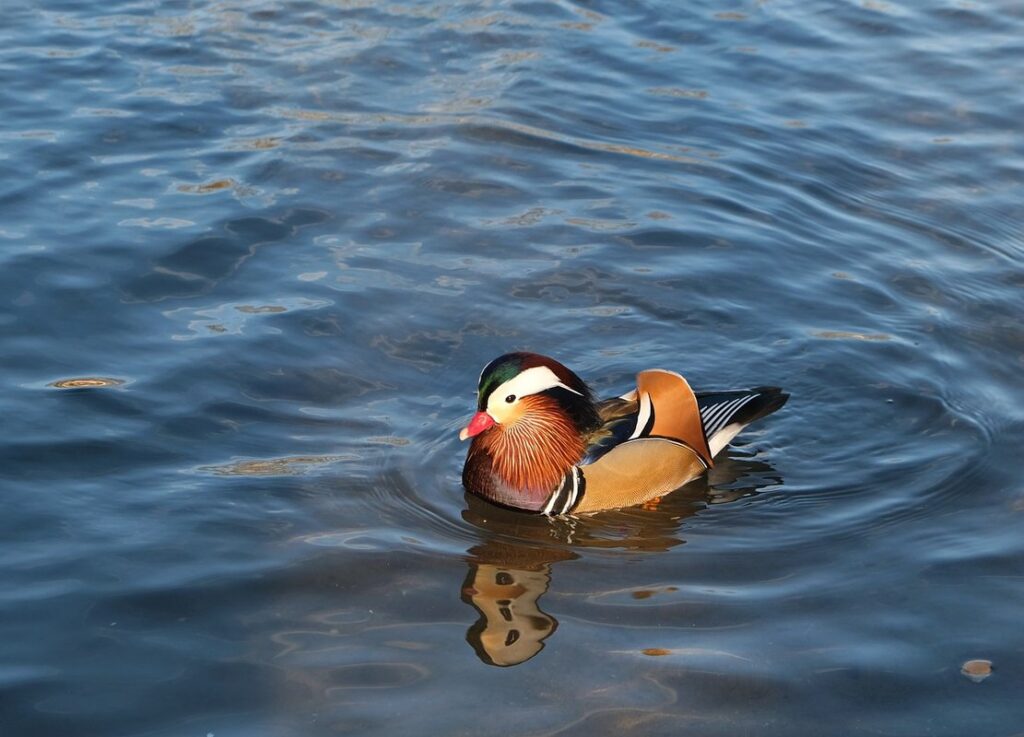
Firstly, let’s talk about plumage. Have you ever seen a Mandarin Duck with its vibrant orange crest and emerald green head? Or maybe you’ve spotted a Wood Duck with its striking white patches on its sides? These colorful feathers are not only stunning but also serve as an important form of communication for cool ducks.
But it’s not just about looks – cool ducks also have distinctive calls. For example, the Northern Pintail has a unique whistle-like sound that echoes through the wetlands, while the Blue-winged Teal has a soft, raspy call that sounds like a gentle whisper. And then there are fascinating behaviors like mating rituals and courtship displays.
For instance, did you know that some cool duck species, such as the Harlequin Duck, will even jump from rock to rock in pursuit of their mate? That’s what we call “cool”!
Examples of Famous Cool Ducks in Pop Culture
Cool ducks have made their mark on popular culture in various forms of media. In movies like “DuckTales” and “Babe,” these charismatic waterfowl capture our hearts with their unique personalities and abilities. On TV shows such as “The Muppet Show” and “Looney Tunes,” cool ducks are often depicted as wisecracking, fast-talking companions to other main characters.
In literature, the famous character of Donald Duck in the Disney universe is an iconic representation of a cool duck. His quick wit, adventurous spirit, and memorable catchphrases have made him a beloved figure among readers and audiences worldwide.
These depictions not only entertain but also contribute significantly to our collective perception of cool ducks. By showcasing their humor, bravery, and loyalty, they help shape the idealized image of these amazing birds. Whether you’re an animation enthusiast or simply a fan of nature documentaries, cool ducks have undoubtedly made a lasting impact on popular culture.
History of Duck Domestication
Let’s dive into the fascinating history of duck domestication, where we’ll explore how these incredible birds went from wild swimmers to beloved backyard companions.
Early Domestication Efforts
Domesticating waterfowl was an ancient pursuit, with early civilizations attempting to tame ducks around 4000 BCE. The earliest recorded evidence of duck domestication comes from China during the Shang Dynasty. Archaeologists have discovered remains of duck breeds that date back over 3,000 years.
Ancient civilizations faced significant challenges in domesticating waterfowl. For example, the Egyptians encountered difficulties managing duck populations due to their natural migratory patterns. To overcome this, Egyptian farmers developed innovative strategies like building artificial ponds and using nets to contain ducks.
The discovery of key breeds and genetic traits also played a crucial role in modern duck-keeping practices. The development of the Muscovy duck breed in South America marked an important milestone in duck domestication. Its unique characteristics allowed for improved egg-laying capabilities, contributing significantly to the evolution of modern domesticated ducks.
While the history of duck domestication is complex and nuanced, it’s clear that early civilizations made significant contributions to our understanding of waterfowl behavior and biology. By studying these efforts, we can gain a deeper appreciation for the fascinating world of cool ducks.
The Evolution of Breeding Programs
As we’ve explored throughout this journey into the world of cool ducks, it’s clear that these incredible birds have been shaped by human interaction and intentional breeding over thousands of years. The evolution of breeding programs has played a significant role in creating the remarkable diversity of cool ducks seen today.
From backyard flocks to commercial operations, careful selection for desirable traits has been instrumental in shaping the unique characteristics of various duck breeds. Breeders have sought out specific traits such as egg-laying ability, meat production, and even temperament, which has led to the development of numerous specialized breeds. For example, Khaki Campbells are prized for their high egg production, while Muscovy ducks are renowned for their rich flavor and succulent meat.
A key aspect of breeding programs is selecting individuals that demonstrate the desired traits consistently over generations. This involves a deep understanding of genetics and the importance of working with healthy stock to avoid inherited diseases or weaknesses. As you consider starting your own duck-keeping journey, remember to research reputable breeders and prioritize careful selection to ensure the health and well-being of your birds.
By embracing this process, you’ll be able to create your very own thriving backyard flock or develop a commercial operation that showcases the unique qualities of cool ducks.
Benefits of Keeping Cool Ducks as Pets
Keeping cool ducks as pets can be a fantastic decision for you and your family, offering a unique set of benefits that will bring joy and companionship. Let’s explore these wonderful advantages together!
Reasons Why People Love Having Cool Ducks Around
For many people, having cool ducks around is a source of endless joy and entertainment. These birds are incredibly social creatures that thrive on interaction with their human caregivers. They’re often described as “dogs with feathers” because of their ability to form strong bonds with their owners. One of the main reasons why people love having cool ducks is their entertaining nature – they’re always up for a game, whether it’s chasing after sticks or playing in puddles.
Beyond their playful personalities, cool ducks also offer an opportunity for social interaction and connection with others who share similar interests. Many backyard duck enthusiasts join online communities or local clubs to swap stories, share tips, and learn from one another. Whether you live on a farm, in the city, or anywhere in between, having cool ducks can be a great way to meet new people and build relationships.
In addition to their social benefits, cool ducks are also hardworking birds that provide a steady supply of fresh eggs. With proper care and management, they can become valuable additions to your household – not just as pets, but also as contributing members of the family.
Space Requirements and Feeding Tips for Happy Healthy Cool Ducks
When it comes to bringing cool ducks into your home as pets, providing them with the right space and nutrition is crucial for their happiness and health. Cool ducks are active birds that require a minimum of 2-3 square feet of space per duck inside the coop, and at least 8 hours of direct sunlight outside each day.
When it comes to feeding your cool ducks, offer a high-quality commercial duck feed as the main staple, supplemented with fruits and vegetables. Leafy greens like kale and spinach are excellent choices, while fruits such as berries and melons provide essential vitamins and minerals.
Some key health considerations for cool ducks include maintaining clean living conditions, ensuring access to fresh water at all times, and monitoring their body weight regularly. A healthy duck should weigh around 5-7 pounds, with any significant deviations indicating potential health issues.
In terms of feeding strategies, it’s recommended to offer a variety of treats to stimulate the ducks’ natural foraging behavior. Consider scattering feed on the ground or hiding it in puzzle toys to encourage mental and physical stimulation.
Cool Duck Behavior: Understanding Their Quirks and Habits
Cool ducks have some seriously weird and wonderful habits, and it’s time to dive into what makes them so lovably quirky in this section. From unique communication styles to fascinating foraging behaviors.
Social Structure of Flocks
When it comes to their social structure, cool ducks are incredibly fascinating creatures. Within a flock, these birds establish a strict hierarchy, with dominant individuals leading the way. Dominance is often determined by factors such as age, size, and experience, but even within this hierarchy, there’s still room for individual personalities to shine.
In terms of communication, cool ducks rely heavily on visual cues, using body language to convey information and intentions. They’ll often use postures, preening, and even vocalizations to signal aggression, courtship, or warning calls to other flock members. For example, when a predator is spotted, cool ducks will sound an alarm call, alerting the rest of the group to potential danger.
Interestingly, cool ducks also form strong bonds with each other, often showing affection through preening and mutual grooming. By understanding their social dynamics, you can even encourage similar behaviors in your own flock by providing plenty of space for interaction and playtime. For instance, create a safe area where your cool ducks can engage in natural foraging behavior, promoting social bonding and reducing stress levels.
Foraging and Feeding Strategies in the Wild
When it comes to finding food, cool ducks have evolved some remarkable foraging strategies that enable them to thrive in their aquatic habitats. These clever birds know exactly where and how to dig up the tastiest morsels from beneath the water’s surface.
One of the key adaptations that allow cool ducks to excel at foraging is their incredibly sensitive sense of touch. They use their beaks to probe into the mud, feeling out any hidden treasures like seeds, tubers, or insects. It’s not uncommon to see a cool duck poking its head underwater, pecking away with lightning speed and accuracy.
In addition to their impressive tactile abilities, cool ducks also rely on their keen eyesight to scan the surrounding waters for signs of food. They can spot tiny fish swimming just beneath the surface or detect the slightest ripple in the water that might indicate a school of tasty crustaceans lurking nearby.
To replicate this level of foraging success, try incorporating more aquatic plants and insects into your cool duck’s diet. You can also provide a shallow dish of mud or sand for them to scratch and dig in – just be sure to supervise closely to avoid any accidents!
Health and Wellness of Cool Ducks
Maintaining the health and wellness of cool ducks is crucial, so let’s dive into how to ensure they stay happy and healthy from beak to feather.
Common Health Issues Affecting Cool Ducks
As a cool duck owner, it’s essential to be aware of the common health issues that can affect these amazing birds. Respiratory problems are one of the most prevalent health concerns in cool ducks. Prolonged exposure to dust and mold can lead to conditions such as tracheal rings and respiratory infections. Recognize symptoms like labored breathing, coughing, and sneezing.
Parasites, particularly mites and lice, can also infest cool ducks. These unwanted critters feed on the duck’s skin and feathers, causing discomfort, stress, and potential health issues. Regular monitoring of your bird’s plumage and behavior is crucial in identifying a parasite infestation. Use gentle shampoos or powders specifically designed for waterfowl to help eliminate these pests.
Nutritional deficiencies can also impact cool ducks. Ensure that their diet includes a balanced mix of proteins, vitamins, and minerals. A lack of essential nutrients can lead to conditions like rickets, where the duck’s bones become soft and weakened.
To prevent these health issues, maintain a clean living environment, provide regular exercise and mental stimulation, and schedule annual check-ups with an avian veterinarian.
Nutritional Requirements for Happy Healthy Cool Ducks
Cool ducks are known for their vibrant feathers and playful personalities, but they also require specific nutritional needs to thrive. A balanced diet is essential to maintain the energy levels of cool ducks, and it should consist of high-quality duck pellets or grains as the main staple.
In addition to a nutrient-rich commercial feed, it’s recommended to supplement your cool duck’s diet with fresh fruits and vegetables daily. Leafy greens like kale, spinach, and collard greens are excellent choices due to their rich iron content. Fresh berries such as strawberries, blueberries, and raspberries provide essential antioxidants that boost the immune system.
It’s also crucial to ensure your cool ducks have access to fresh water at all times. A clean and well-maintained water source is vital for their overall health, especially during hot summer months when they may lose fluids quickly through evaporation. Regular veterinary check-ups will help identify any potential health issues early on and prevent more severe problems from arising.
Remember, every cool duck has a unique nutritional profile based on age, sex, weight, and genetics. Work closely with your veterinarian to determine the best dietary plan for your cool ducks and schedule regular check-ins to ensure their optimal well-being.
The Role of Cool Ducks in Ecosystems and Conservation
Cool ducks play a vital role in maintaining healthy ecosystems, serving as both predators and prey for other animals in their environments.
Their presence also has significant implications for conservation efforts worldwide.
Ecological Importance of Cool Ducks as Seed Predators and Pollinators
When it comes to the often-overlooked contributions of cool ducks to maintaining ecosystem balance, their role as seed predators and pollinators cannot be overstated. These small but mighty birds play a significant part in shaping the diversity of plant species in their habitats.
As seed predators, cool ducks help regulate the distribution of seeds across different ecosystems. By dispersing seeds through their droppings, they ensure that plants can germinate in new areas, promoting genetic variation and adaptation among species. This process is especially crucial for maintaining biodiversity in urban and agricultural landscapes.
In addition to their seed predation activities, cool ducks also contribute to pollination by transferring pollen between flowers as they forage for nectar. By facilitating the reproduction of plants, these birds support the growth of new vegetation, which in turn provides habitat and food resources for other wildlife.
Efforts to Conserve and Protect Cool Duck Habitats
Conservation efforts are underway to safeguard the unique habitats of cool ducks. The Wetlands Preservation Society is spearheading a restoration initiative focused on reviving natural waterways and replenishing native vegetation. This approach aims to recreate conditions that allow cool ducks to thrive, with a notable increase in populations observed in areas where these projects have been implemented.
Other organizations are exploring innovative conservation methods. For instance, researchers at the Cool Duck Institute are developing sustainable agriculture practices that minimize environmental impact on cool duck habitats. These approaches involve incorporating beneficial plants and reducing chemical usage, which has shown promising results in maintaining water quality and biodiversity.
Moreover, community-based conservation programs are gaining traction. Local residents can participate in citizen science initiatives to monitor cool duck populations and identify areas of high conservation value. By empowering individuals with knowledge and tools, these efforts foster a sense of stewardship for the environment and promote long-term habitat preservation.
Conclusion: Celebrating the Unique Allure of Cool Ducks
As you’ve explored the fascinating world of cool ducks, it’s time to reflect on what makes these birds so special. You’ve learned about their unique characteristics, habits, and habitats, and perhaps even gained a new appreciation for these often-overlooked creatures. One thing is certain: cool ducks are more than just quirky companions – they’re also an integral part of our ecosystem. By embracing their individuality and celebrating their differences, we can work towards preserving their populations and protecting their natural habitats. As you share your newfound knowledge with friends and family, remember to encourage others to join in on the fun and appreciate these amazing birds for who they are.
Frequently Asked Questions
Can I keep a Cool Duck as a pet if I live in an apartment?
While it’s possible to keep some duck breeds in small spaces, many Cool Ducks require regular exercise and space to roam. If you’re considering keeping a Cool Duck as a pet, research the specific needs of the breed you’re interested in and ensure you can provide a suitable environment.
How do I choose the right food for my Cool Duck?
Providing the right nutrition is crucial for your Cool Duck’s health. Research the nutritional requirements for your duck breed, and consider consulting with a veterinarian or experienced breeder to determine the best diet for your feathered friend.
What are some common health issues affecting Cool Ducks in captivity?
Common health issues in captive Cool Ducks include respiratory problems, parasites, and obesity. Regular veterinary check-ups, proper nutrition, and maintaining a clean environment can help prevent these issues.
Can I breed my own Cool Duck?
Breeding Cool Ducks requires expertise, specialized knowledge of genetics, and adherence to local regulations. If you’re interested in breeding, research the specific requirements for your region and seek guidance from experienced breeders or avian experts.
How do I introduce a new Cool Duck to my existing flock?
Introducing new birds to an existing flock can be challenging. Gradual introductions under close supervision, ensuring adequate space and resources, and providing a familiar environment can help minimize stress and promote harmonious coexistence.