
Do you find yourself torn between your love for cats and your concern for local bird populations? You’re not alone. Many cat owners struggle with the reality that their feline friends have an innate instinct to hunt, leading them to kill birds and other small animals. This behavior is both heartbreaking and frustrating, especially when we consider the devastating impact on our environment. But don’t worry, there’s hope for a harmonious coexistence between cats and birds. In this article, we’ll explore why cats kill birds, and most importantly, provide effective ways to stop this behavior through training, deterrents, and lifestyle changes that balance your cat’s needs with bird conservation efforts.
The Science Behind Cat Hunting Instincts
Let’s dive into the fascinating world of feline instincts, where a natural predator’s reflexes are triggered by instinct, driving your cat to stalk and kill birds.
Unleashing the Predator in Your Pet
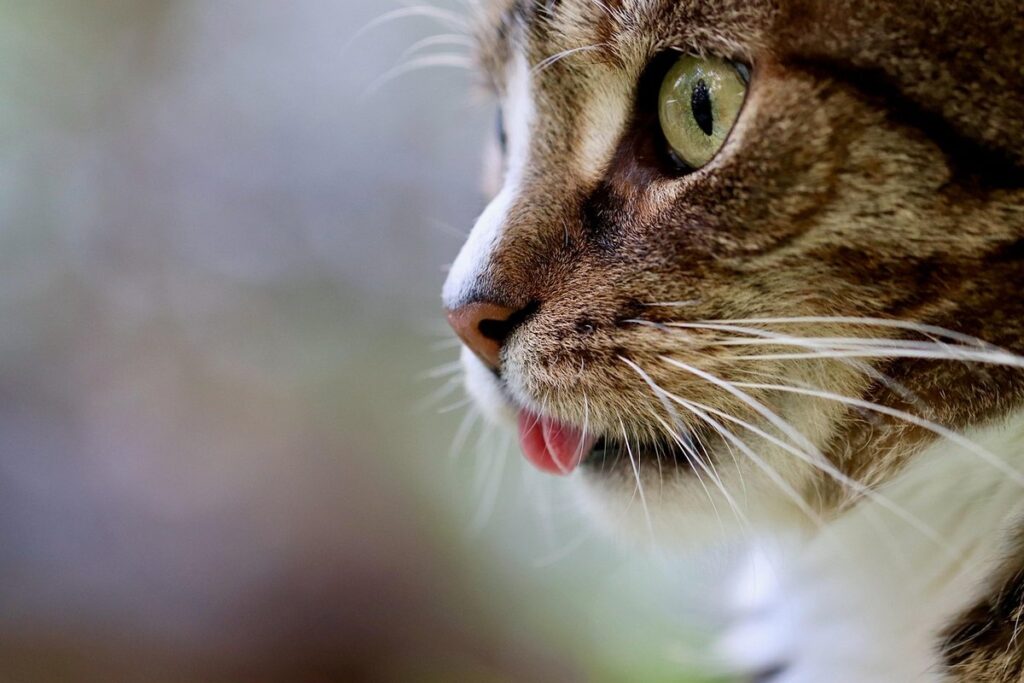
When you watch your cat stalk its prey, it’s almost as if they’re channeling their wild ancestors. The science behind cat hunting instincts is rooted in a combination of natural behaviors that have been honed over centuries. Your pet’s prey drive is one such instinct – it’s an innate urge to chase and capture small creatures. This drive is often triggered by the sight, sound, or even scent of potential prey.
Cats are territorial animals, which means they feel a strong need to defend their territory from other predators. In your backyard, this can manifest as a cat defending its hunting grounds from other birds. Stalking techniques play a crucial role in your pet’s hunting strategy – observing from a distance, waiting for the perfect moment to pounce, and using cover to get close to their target.
To combat these instincts, it’s essential to redirect your cat’s energy towards more acceptable prey – like toys or feather wands. By engaging your pet in playtime activities that mimic the thrill of the hunt, you can satisfy their natural urges without harming local wildlife. Encourage this behavior by using high-pitched sounds to stimulate their hunting instinct, then rewarding them with treats when they successfully “catch” their toy.
Recognizing the Signs of a Hunting Feline
When it comes to recognizing the signs of a hunting feline, being aware of their body language and behavioral cues is crucial. One of the most common indicators is ear position – when your cat’s ears perk up or rotate forward, it can signal that they’ve caught wind of prey. This subtle change in ear position can be an early warning sign that your cat is on high alert.
Another telltale sign is tail twitching. A slow, deliberate twitch often precedes a pounce, so if you notice this behavior, it’s essential to intervene quickly. Sometimes, cats will also freeze in place, becoming perfectly still as they stalk their prey – this sudden stillness can be an ominous sign that your cat has spotted a bird.
By paying close attention to these cues, you can take action before the hunt begins. When you notice any of these signs, calmly and firmly redirect your cat’s attention to a toy or treat. Consistency is key in breaking the hunting habit – remember, every missed opportunity for hunting reinforces this behavior in cats.
Creating a Bird-Friendly Environment
To create a cat-friendly outdoor space, it’s essential to incorporate elements that encourage birds to visit and stay while also keeping your cat safe from temptation. This includes plants, water features, and shelter.
Removing Attractions and Hazards
When it comes to reducing bird-related fatalities in your yard, one effective approach is to make it less appealing to birds. This involves removing food sources that might attract them and eliminating water sources they need to survive.
Start by removing bird feeders and other sources of food from your yard. Not only do these attract birds, but they can also create a feeding frenzy when cats are present. Consider using cat-deterrent plant species or rearranging existing plants to minimize areas where birds might congregate around food sources. Next, eliminate water sources such as pet water dishes, birdbaths, and even standing puddles. Cats often stalk birds near these sites.
Additionally, reduce hiding spots by pruning dense vegetation, cutting back shrubs, and removing any debris that could serve as a refuge for birds. Consider replacing tall grasses with low-growing alternatives or installing a physical barrier to block access to potential hideaways. By making these changes, you’ll be taking steps towards creating an environment where birds are less likely to become prey for your cat.
Using Deterrents to Protect Birds
If you’re looking for a way to stop your cat from killing birds without removing them as pets, using deterrents is an effective solution. These non-lethal devices can be placed around the house and yard to discourage cats from hunting.
One type of deterrent is ultrasonic repellent devices that emit a high-frequency sound undetectable to humans but unpleasant for cats. These devices are programmed to activate when a cat approaches, scaring them away without causing harm. You can place them near bird habitats or areas where your cat tends to hunt.
Motion-activated sprinklers are another option to consider. When triggered by movement, these sprinklers shoot water at the cat, startling it and deterring it from approaching further. This is a humane way to teach your cat that hunting in this area isn’t tolerated.
Fencing materials can also be used to create barriers around bird feeders or birdbaths, preventing cats from accessing them. Burying the fencing material 12 inches underground will prevent digging and ensure cats can’t squeeze through. By incorporating these deterrents into your yard design, you can create a safe haven for birds while keeping your cat engaged with playtime activities.
Training Your Cat: The Power of Positive Reinforcement
When training your cat, positive reinforcement techniques can make a significant difference in changing their behavior. By rewarding desired actions, you can steer them away from bird-hunting habits.
Teaching “Leave It” and “Go Away”
When you’re out in the yard with your cat, it’s not uncommon for them to spot a bird and instinctively go into hunting mode. However, as we’ve discussed earlier, this can lead to unwanted behavior like killing birds. To prevent this from happening, it’s essential to teach your cat basic commands that will help them understand what’s expected of them.
One crucial command is “leave it.” This means teaching your cat to let go of whatever they’re currently fixated on – in this case, the bird. To do this, start by placing a treat in front of your cat and saying “leave it” as soon as they try to take it. If they ignore the treat or leave it alone, reward them with praise and another treat. Gradually increase the difficulty by using smaller treats and hiding them in plain sight.
Another essential command is “go away.” This will help remove your cat from areas where birds are likely to be present, reducing the likelihood of an encounter. To train this command, start by calling your cat into a designated area when you notice they’re becoming fixated on a bird outside. Reward them with treats and praise for leaving the area voluntarily.
Remember to practice these commands regularly so that your cat understands what’s expected of them. With patience and consistency, you can teach your cat to respond to “leave it” and “go away,” reducing the risk of them killing birds in the process.
Desensitizing Your Cat to Birds
Desensitizing your cat to birds is a gradual process that requires patience and careful planning. The goal is to help your cat become comfortable with the presence of birds without feeling the urge to hunt them. To start, you’ll need to identify a safe location where your cat can view birds without being able to catch them. This might be a room with a window or a catio (an outdoor enclosure specifically designed for cats).
Begin by having your cat observe birds from a distance, perhaps through a closed door or window. Reward your cat with treats and praise when they remain calm in the presence of birds. Gradually increase the exposure over time, allowing your cat to become accustomed to the sights and sounds of birds without feeling threatened.
As you progress, incorporate visual cues such as pictures or videos of birds into your training sessions. This will help your cat associate the concept of birds with a positive experience rather than one of prey.
Alternative Lifestyles for High-Risk Cats
If your cat is a serial bird-killer, it’s essential to consider alternative lifestyles that can satisfy their hunting instincts without harming wildlife. We’ll explore some innovative options here.
Indoor Living: A Safe Haven for Hunting Cats
Keeping your cat indoors full-time can be a game-changer for their behavior and safety. One of the primary benefits is that it significantly reduces the risk of them killing birds. Without access to outdoor prey, cats are less likely to engage in this instinctual behavior. However, it’s essential to consider the potential challenges that come with indoor living.
Cats who are used to being outdoors may experience boredom and frustration when confined indoors. They might exhibit behaviors like excessive meowing, pacing, or even destructive scratching. To mitigate these issues, provide your cat with a stimulating environment through toys, climbing structures, and scratching posts. Engage them in playtime activities that mimic hunting, such as laser pointers or feather wands.
To ensure a smooth transition to indoor living, introduce new spaces gradually, allowing your cat to become familiar with their surroundings. This will help reduce stress and make it easier for them to adapt to their new environment. By doing so, you can create a safe haven for both your cat and local bird populations.
Providing Stimulation and Exercise Indoors
When you’re trying to redirect your cat’s hunting instincts away from birds and other wildlife, it’s essential to provide them with adequate physical and mental stimulation. A bored or under-exercised cat is more likely to seek out entertainment elsewhere – including the great outdoors. So, how can you engage your high-risk cat indoors?
Consider investing in puzzle toys that challenge your cat to figure out how to get a treat out. This type of activity not only provides mental stimulation but also rewards problem-solving skills. Climbing structures or vertical space can help meet their physical needs by giving them room to climb and play.
For interactive play, try laser pointers or feather wands, which mimic the movement of prey without posing an actual threat to birds. You can also engage your cat in a game of hide-and-seek, where you conceal treats around the house for them to find. With time and patience, these activities should help channel their natural instincts towards more productive pursuits.
Managing Multi-Cat Households
If you’re a multi-cat household owner, managing their behavior is crucial to preventing bird-related fatalities. Learn how to effectively manage your cats’ interactions in this next section.
Reducing Conflicts Over Hunting Territory
Managing multi-cat households can be a delicate matter, especially when hunting behavior is involved. One effective way to reduce conflicts over territory and resources is by creating separate feeding areas for each cat. This simple measure can make a significant difference in minimizing tensions and competing for prey. Allocate vertical space strategically by providing multiple perches or shelves, allowing cats to claim their own territories without feeling the need to defend shared spaces.
When introducing new cats to your household, do it slowly and carefully to avoid territorial disputes. Start by keeping them separated, allowing each cat to become familiar with its environment before gradually introducing them under close supervision. Monitor body language and behavior for signs of stress or aggression, intervening promptly if you notice any adverse reactions.
By implementing these strategies, you can reduce the likelihood of conflicts over hunting territory and create a more harmonious multi-cat household. Remember that every cat is different, so be patient and adjust your approach as needed to suit their individual needs.
Supervising Interactions Between Cats and Birds
When introducing cats to birds, whether in the same room or outdoors under controlled conditions, it’s essential to maintain close supervision. This not only helps you gauge their behavior but also provides an opportunity to intervene if necessary. If your cat is new to bird interactions, start with visual introductions where they can see and smell each other without being physically present. Gradually increase exposure time as you monitor their behavior.
If introducing them outdoors, choose a secure area where the bird can’t escape, and ensure the cat’s access is controlled through a gate or fence. Keep the initial encounters short and closely supervise your cat’s behavior. Look out for signs of stalking or aggressive posturing, such as stiffness, lowered ears, or fixed gaze.
If you notice any of these behaviors, it’s crucial to separate the animals immediately and provide alternative stimulation for your cat. This might involve playing with toys or engaging in interactive activities to redirect their attention away from the bird.
Conclusion: Creating a Harmonious Coexistence
Now that we’ve explored the reasons behind your cat’s behavior, it’s time to discuss practical steps you can take to prevent bird-related incidents from occurring in the future. Let’s create a harmonious coexistence between your pet and the local wildlife.
Balancing Your Cat’s Needs with Bird Conservation
As we conclude our exploration of why cats kill birds and what you can do to stop this habit, it’s essential to remember that responsible cat ownership is not just about providing for your pet’s needs but also about contributing to a larger cause – bird conservation. By acknowledging the impact of domestic cats on local wildlife, you’re taking the first step towards creating a harmonious coexistence.
To balance your cat’s needs with bird conservation efforts, it’s crucial to understand that these are not mutually exclusive goals. In fact, by implementing a few simple changes to your cat’s lifestyle and environment, you can help reduce the likelihood of bird killings while still meeting their natural instincts. For instance, providing your cat with regular exercise through playtime or engaging activities will satiate their hunting drive.
Consider also investing in some stimulating toys that mimic prey behavior, such as feather wands or laser pointers, to redirect their energy towards more productive pursuits. By doing so, you’ll be teaching your cat to channel its natural instincts into harmless games rather than deadly hunts.
Moreover, ensure that your cat’s outdoor access is limited and closely monitored, either through a catio or screened-in porch. This way, your pet can still enjoy fresh air and sunlight while minimizing the risk of encountering birds in the wild.
Ultimately, responsible cat ownership requires acknowledging our role as stewards for both our pets and local wildlife. By making these conscious choices, we can promote a coexistence that benefits all parties involved – our feline companions, the environment, and the avian population alike.
Frequently Asked Questions
Can I completely eliminate my cat’s hunting instinct?
While it’s challenging to eradicate the hunting instinct entirely, you can significantly reduce your cat’s desire to hunt by addressing underlying causes and implementing deterrents. Focus on removing attractions and hazards, using deterrents, and teaching your cat alternative behaviors through positive reinforcement training.
How long does it take for a cat to adjust to indoor living?
The adjustment period varies depending on individual cats. Some may adapt quickly within a few days or weeks, while others might need several months. Be patient and consistent in providing adequate stimulation, exercise, and attention to ensure your cat’s transition is smooth.
Can I use deterrents near my garden if I have multiple birds visiting?
Yes, using deterrents around the garden can be effective in protecting both plants and birds. However, ensure you place them at a safe distance from your house and pets to avoid any potential harm or discomfort.
How do I balance my cat’s hunting instinct with bird conservation efforts?
By acknowledging that your cat’s natural behavior is not inherently malicious but rather driven by instinct, you can take proactive steps to mitigate its impact. Implement deterrents, create a bird-friendly environment, and consider training or adopting alternative lifestyles for high-risk cats.
Can desensitizing my cat to birds cause any harm?
Desensitization should be approached with caution and under professional guidance. If not done correctly, it can lead to over-stimulation or even aggression. Ensure you work with a certified animal behaviorist to develop a tailored plan that prioritizes your cat’s safety and well-being.
What if my neighbor’s cat is the primary bird hunter in our area?
While you may not have direct control over your neighbor’s actions, consider discussing the issue with them amicably and exploring local solutions together. You can also seek guidance from local animal welfare organizations or consult with your veterinarian for advice on how to address this situation effectively.