
As a proud parent or caregiver to a young waterfowl, there’s nothing more heartbreaking than seeing your little duckling shudder with fear. It’s not uncommon for baby ducks to exhibit phobic behaviors, but it’s essential to recognize and address these issues early on to ensure their overall well-being and happiness. In this article, we’ll delve into the common causes of fear in young waterfowl, such as loud noises or new environments, and explore desensitization techniques that can help your scared duckling overcome phobias and thrive. By understanding how to identify and address these issues, you’ll be better equipped to provide a nurturing environment for your feathered friend, setting them up for a lifetime of health, happiness, and growth.
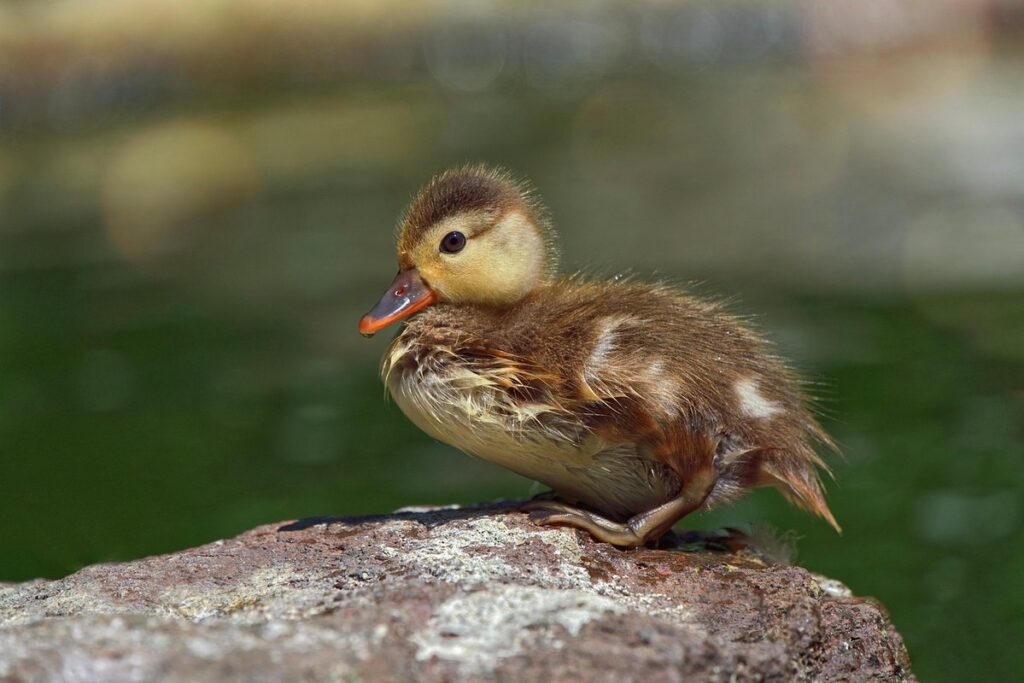
Recognizing Fear in Ducklings
Recognizing fear in ducklings can be a delicate process, as it often manifests differently than in adult waterfowl. By understanding these subtle signs, you can better identify and address your duckling’s anxieties.
Common Signs of Fear in Ducklings
When you notice your duckling acting strangely, it’s essential to recognize the signs of fear that may be underlying its behavior. One common sign is hiding. If your duckling frequently disappears from view or seeks out enclosed spaces like a coop or nesting box, it could be indicating fear. Another physical indication of fear in ducklings is trembling. When they’re scared, their bodies may shudder or vibrate, making them appear unsteady on their feet.
Behavioral signs can also be telling. If your duckling consistently avoids certain situations, such as encountering new objects or meeting other animals, it’s likely experiencing fear. You might notice that it hesitates to move towards food or water sources if they’re placed in a location it perceives as threatening. To address these fears, try providing a safe and comfortable environment for your duckling. Ensure its living space is free from potential hazards and provide plenty of opportunities for exploration and socialization under controlled circumstances.
Environmental Factors Contributing to Fear
When it comes to understanding fear in ducklings, it’s essential to consider the role of environmental factors. Genetics play a significant part in shaping a duckling’s temperament, with some breeds naturally being more timid than others. However, socialization and early life experiences also have a profound impact on a duckling’s development.
A duckling that is constantly handled roughly or exposed to loud noises may develop a fear of humans. Similarly, if a mother duck is stressed or aggressive, her ducklings are likely to pick up on these cues and become fearful themselves. In fact, studies have shown that ducklings raised in enriched environments with plenty of toys and stimulation tend to be less anxious than those kept in bare cages.
As a responsible duck keeper, you can play a crucial role in helping your young duckling overcome its fears. Provide a safe and nurturing environment, with plenty of space to roam and explore. Handle them gently and regularly, rewarding calm behavior with treats. By doing so, you’ll be giving your duckling the best possible start in life, equipping it with the confidence it needs to thrive.
Breed-Specific Traits and Temperament
When it comes to ducklings, each breed has its unique characteristics that can influence their temperament and behavior. For instance, Muscovy ducklings are known for being more aggressive and territorial than other breeds. Their natural instincts as semi-wild animals make them prone to defending themselves and their space.
On the other hand, Pekin ducklings tend to be friendlier and more docile, which can sometimes make them more susceptible to stress and anxiety. This is because they are bred for their gentle nature, making them less inclined to defend themselves in situations that might trigger fear or panic.
It’s essential to remember that every duckling is an individual, regardless of breed. However, being aware of the potential breed-specific traits can help you tailor your care and handling approach to better suit each duckling’s needs. For example, if you have a Muscovy duckling, it may be beneficial to provide them with more space and separate housing from other ducks to minimize territorial behavior.
Keep in mind that fear and phobias can still develop in any breed of duckling due to various factors such as handling, environment, or life experiences. By being knowledgeable about the potential breed-specific traits, you’ll be better equipped to recognize and address any signs of fear or anxiety in your young waterfowl.
Causes of Fear in Ducklings
So, what triggers fear in ducklings? Let’s explore some common causes, from loud noises and new environments to separation anxiety and social stress.
Genetics and Predisposition
When it comes to understanding why some ducklings might be naturally more fearful than others, genetics play a significant role. Research has shown that inherited traits from their parents can contribute to the development of fearfulness in young waterfowl.
One key area to consider is the concept of temperament, which refers to an individual’s inherent personality and behavior tendencies. Ducklings with high-strung or nervous temperaments may be more prone to developing fears and phobias due to their genetic predisposition.
For example, a duck mother who is naturally skittish or easily startled may pass on these traits to her offspring through epigenetics, which is the study of how environmental factors affect gene expression. This means that even if a duckling has never experienced a traumatic event, its genetic makeup could still influence its fear response.
As a duck breeder or owner, understanding genetics can help you identify and work with your ducklings’ natural tendencies, rather than trying to overcome them through training alone. By recognizing the role of inherited traits in shaping their behavior, you can develop more effective strategies for helping your scared duckling feel safe and secure.
Traumatic Events and Stressors
Traumatic events such as sudden changes in environment, loss of a parent or sibling, or even a frightening encounter with a predator can have a profound impact on a duckling’s development and behavior. Chronic stressors like overcrowding, inadequate nutrition, or poor sanitation can also contribute to the formation of fear or phobias. For instance, if a duckling is repeatedly exposed to loud noises or harsh handling, it may become wary of certain sounds or textures.
It’s essential for waterfowl caregivers to be aware of these potential stressors and take steps to mitigate them. This includes providing a safe and stable environment, monitoring for signs of stress or anxiety, and implementing gentle and gradual introductions to new situations. By doing so, you can help your duckling build confidence and resilience, reducing the likelihood of fear-based behaviors.
Some practical tips include: observing your ducklings’ behavior and responding promptly to any signs of distress; ensuring a balanced diet and access to clean water; and creating a predictable routine that includes regular feeding times, exercise, and social interaction.
Learning Theory and Conditioning
Learning theory and conditioning play a significant role in shaping the fears of young waterfowl. One key concept is classical conditioning, which was first introduced by Ivan Pavlov. In this process, a neutral stimulus is paired with an unconditioned stimulus to elicit an unconditioned response. For ducklings, a loud noise or sudden movement can be an unconditioned stimulus, causing them to become alert and defensive. If this stimulus is repeatedly paired with a threat, such as a predator, the duckling will eventually learn to associate the neutral stimulus (e.g., a specific sound) with danger.
This learning process can occur unconsciously, leading to an irrational fear of certain stimuli. For example, if a duckling experiences repeated stress due to loud noises from a nearby road or construction site, it may develop a phobia of similar sounds in the future. By understanding classical conditioning, you can take steps to prevent these fears from forming in the first place. Provide a calm and predictable environment for your ducklings, and avoid associating certain stimuli with threats. Instead, focus on positive reinforcement techniques that promote confidence and reduce anxiety.
Fostering Resilience and Overcoming Fear
When working with scared ducklings, it’s essential to focus on building their resilience and equipping them with coping strategies to overcome phobias that can hold them back. By doing so, you’ll set them up for a happier, healthier life.
Environmental Enrichment and Stimulation
When creating an environment that promotes resilience and reduces fearfulness in ducklings, it’s essential to provide them with mental and physical stimulation. This can be achieved through a combination of environmental enrichment and social interaction.
Environmental Enrichment Ideas:
• Rotate toys and objects regularly to prevent boredom and stimulate exploration.
• Provide natural elements such as sticks, rocks, and logs for the ducklings to peck at and explore.
• Incorporate water features like small pools or misting systems to create a calming atmosphere and encourage swimming and splashing.
Social interaction is also vital in promoting resilience. Ducklings thrive on social bonding, so ensure they have access to other ducks of similar age and temperament. This can be achieved by introducing ducklings gradually, under close supervision, to prevent any potential conflicts.
By implementing these strategies, you can create a nurturing environment that supports the emotional well-being of your scared duckling, helping them build resilience and overcome fears.
Social Interaction and Training
Social interaction and training play a vital role in helping ducklings overcome their fears and phobias. A scared duckling’s social environment can either exacerbate or alleviate its anxiety. Providing a stable and supportive flock dynamic is crucial for the young waterfowl to feel secure and develop confidence.
In the wild, a mother duck leads her brood through various experiences, gradually exposing them to new environments and situations. This social learning process helps the ducklings become familiar with potential threats and learn coping mechanisms. You can replicate this by introducing your scared duckling to other calm and friendly waterfowl in a controlled environment.
Some practical tips for fostering resilience include:
* Gradually increasing exposure to novel stimuli
* Encouraging exploration and play
* Rewarding brave behavior with treats and praise
* Establishing a predictable routine and providing a safe space for the duckling to retreat when feeling overwhelmed
Desensitization and Counterconditioning Techniques
When working with a scared duckling, it’s essential to employ desensitization and counterconditioning techniques to help them overcome their fears. Desensitization involves gradually exposing the duckling to the feared stimulus at a level that is not overwhelming, allowing them to become comfortable with it over time.
One way to achieve this is by using a gradual exposure plan. For example, if the duckling is afraid of water, start by placing them near a shallow pool or a birdbath, then gradually increase their exposure to deeper waters. The goal is to make the feared stimulus seem less threatening and more manageable.
Counterconditioning involves associating the feared stimulus with something pleasant. This can be done by offering treats or toys during exposure to the feared stimulus. For instance, if the duckling is afraid of loud noises, you could offer a treat each time they tolerate a slight increase in volume. By pairing the feared stimulus with positive outcomes, we can help rewire their response and build resilience.
It’s also crucial to remember that patience and consistency are key when implementing these techniques. Building trust and creating a safe environment will greatly enhance the effectiveness of desensitization and counterconditioning strategies.
Prevention and Early Intervention
By recognizing signs of anxiety early on, you can take proactive steps to help your duckling feel more secure and build confidence from an early age. We’ll explore effective prevention techniques in this next section.
Identifying Potential Risk Factors
When it comes to identifying potential risk factors for fear development in ducklings, understanding breed-specific traits is crucial. Some waterfowl breeds are naturally more timid than others, and this can be influenced by their genetic makeup. For instance, Khaki Campbell ducks are known to be a more anxious breed compared to some other varieties.
Early life experiences also play a significant role in shaping fear responses in ducklings. Ducklings that experience trauma or stress during critical periods of development may be more prone to developing fears and phobias later on. This can include events such as being separated from their mothers too early, being handled excessively by humans, or exposure to loud noises.
As a responsible waterfowl breeder or owner, it’s essential to consider these potential risk factors when raising ducklings. By being aware of breed-specific traits and minimizing stressors during critical periods, you can help reduce the likelihood of fear development in your young charges. Regular monitoring of their behavior and providing a safe, stable environment can also go a long way in promoting healthy emotional development.
Implementing Preventive Measures
Implementing preventive measures is crucial to reducing the likelihood of fearfulness developing in young waterfowl. One effective way to do this is by providing a stable and nurturing environment from an early age. This can be achieved by ensuring that ducklings are kept with their mothers for at least six weeks, allowing them to imprint on their natural caregivers.
Another key aspect is socialization. Introduce your ducklings to various stimuli, such as different sounds, textures, and environments, in a controlled and gentle manner. This will help them become confident and calm in the face of new experiences. For example, you can start by placing a towel or cloth with an unfamiliar scent near their enclosure, then gradually increase the intensity and variety of stimuli.
Additionally, handling your ducklings regularly from an early age can also help prevent fearfulness. Start with short sessions, perhaps 5-10 minutes daily, and gradually increase the duration as they become more comfortable with human interaction. This will not only help them develop a sense of trust but also make handling easier for you in the long run.
By implementing these preventive measures, you can significantly reduce the likelihood of your ducklings developing fearfulness and phobias later on in life.
Conclusion and Future Directions
As we conclude our exploration of scared ducklings, let’s discuss the future implications of our findings for waterfowl behavior and potential avenues for further research.
Recap of Key Takeaways
In conclusion to our exploration of scared ducklings, let’s recap the key takeaways for you as a duck owner or caregiver. It’s essential to recognize that young waterfowl can develop fears and phobias due to various factors, including genetics, environment, and social interactions.
One crucial takeaway is the importance of gentle handling and gradual exposure to new experiences when raising your duckling. This helps build confidence and reduces anxiety, making it easier for them to cope with stressors in the future. Be mindful of loud noises, sudden movements, or unexpected changes in their environment, as these can trigger fear responses.
Another significant point is the role of social interaction in shaping a duckling’s behavior. Providing a calm and stable environment where your duckling feels secure and connected to its caregivers is vital for developing emotional resilience. By doing so, you’ll be better equipped to identify signs of distress or anxiety in your feathered friend, allowing you to intervene early and provide the necessary support.
Ultimately, understanding and addressing fears and phobias in young waterfowl requires patience, empathy, and a tailored approach to each individual’s needs. By applying these key takeaways, you’ll be well on your way to helping your scared duckling grow into a confident and happy adult bird.
Future Research and Recommendations
As we conclude our exploration of fears and phobias in ducklings, it’s essential to acknowledge that there is still much to be learned about this phenomenon. Future research should focus on identifying the root causes of specific phobias in ducklings, such as their fear of water or humans. For instance, studies have shown that young ducks are more likely to develop fears when they experience stress or trauma during critical periods of development.
To better understand the complex relationships between environmental factors and phobic behavior in ducklings, researchers should conduct longitudinal studies that track the development of phobias over time. This could involve monitoring duckling behavior in various settings, from natural habitats to controlled laboratory environments.
One promising area of investigation is the use of behavioral therapy to address phobic behaviors in ducklings. By applying techniques similar to those used in human anxiety disorders, researchers may be able to develop effective treatments for scared ducklings.
Frequently Asked Questions
Can I start desensitization techniques with my duckling right away?
Yes, it’s essential to begin addressing your duckling’s fear early on. However, consult with a veterinarian or experienced waterfowl breeder before implementing any new techniques, especially if your duckling is young or has existing health concerns.
How often should I practice desensitization exercises with my scared duckling?
Consistency is key when it comes to helping your duckling overcome fears. Aim for daily sessions, ideally 10-15 minutes long, but be sure not to overdo it and cause additional stress. Gradually increase duration and frequency as you progress through the desensitization process.
What’s the difference between habituation and counterconditioning in desensitization techniques?
Habituation involves exposing your duckling to a feared stimulus at a low intensity, allowing them to become accustomed to it over time. Counterconditioning, on the other hand, associates the feared stimulus with something pleasant or neutral, helping to rewire your duckling’s emotional response. A combination of both can be effective in addressing complex phobias.
How do I know if my desensitization efforts are working?
Monitor your duckling’s behavior closely for signs of improvement, such as increased confidence, reduced trembling, and a willingness to explore their environment. Keep detailed records of your progress to adjust the desensitization plan as needed and ensure you’re making steady gains.
Can environmental enrichment alone help my scared duckling overcome fear?
While environmental enrichment is an essential aspect of creating a nurturing environment for waterfowl, it may not be enough on its own to address severe phobias. Supplementing enrichment with targeted desensitization techniques will likely yield better results in helping your duckling overcome their fears.