
Raising ducklings can be a delightful experience for backyard farmers and animal enthusiasts alike. Not only do they bring joy and entertainment, but they also provide an excellent source of fresh eggs and meat. However, taking care of these adorable creatures requires attention to their unique needs and behavior. A happy and healthy duckling starts with proper nutrition, which includes a balanced diet that meets their specific requirements. In this comprehensive guide, we’ll cover everything you need to know about raising ducklings, from understanding their behavior and body language to providing optimal health care and training tips. We’ll also explore the importance of socialization, habitat setup, and handling techniques to ensure your feathered friends thrive under your care. By following these expert tips and advice, you can raise happy and healthy ducklings that will bring endless joy to your family.
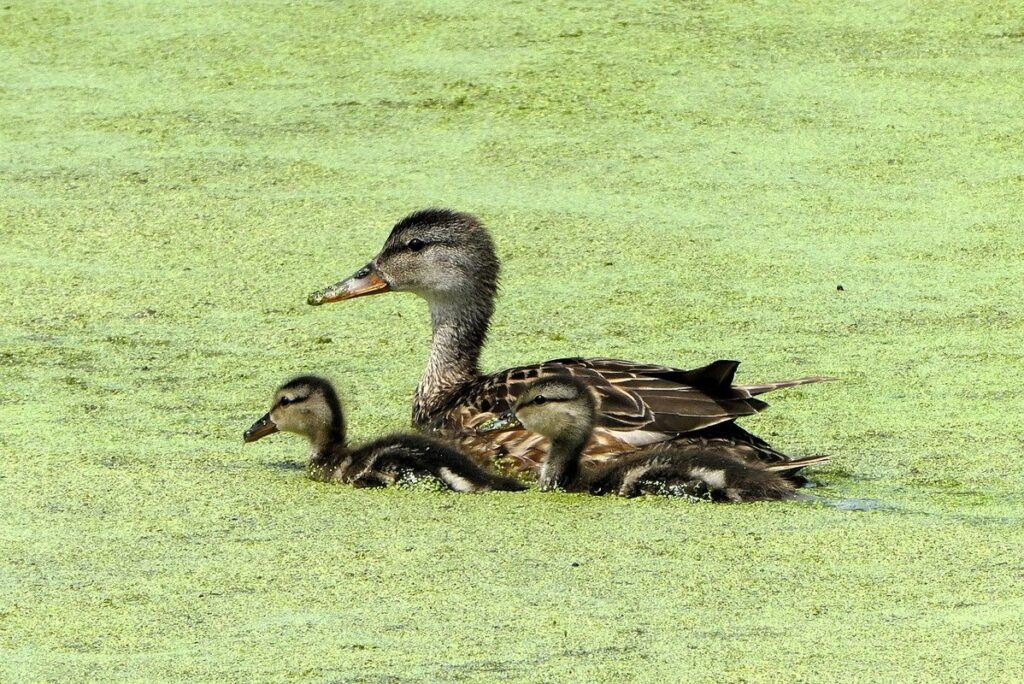
Understanding Duckling Behavior and Needs
Understanding ducklings’ behavior is crucial for their growth, so let’s dive into what to expect from these adorable birds during their first few weeks of life.
Recognizing Signs of Stress and Distress in Ducklings
Recognizing signs of stress and distress in ducklings is crucial to provide them with the best possible care. Changes in behavior can be a significant indicator of stress in ducklings. For instance, if they’re acting lethargic, hiding excessively, or becoming aggressive towards their siblings, it may be a sign that something’s amiss. Also, monitor their appetite – if they’re not eating as much as usual or showing disinterest in food, it could be a warning sign.
Pay attention to physical changes as well. Ducklings with stress-related issues might experience weight loss, fluffed feathers, or labored breathing. In some cases, you may notice changes in their droppings – if they’re runny or watery instead of firm and regular. Keep an eye out for these warning signs and address them promptly to prevent more serious problems from developing.
If you notice any unusual behavior or physical symptoms in your ducklings, take a closer look at their environment. Ensure that their enclosure is clean, spacious enough, and free from drafts. Provide adequate ventilation, proper lighting, and maintain a comfortable temperature between 90°F to 100°F (32°C to 38°C).
Providing a Suitable Environment for Ducklings
Providing a suitable environment for ducklings is crucial to their health and development. When it comes to housing, you’ll want to provide a safe and secure enclosure that protects them from predators and harsh weather conditions. A covered area or a coop with adequate ventilation will ensure they stay dry and comfortable.
Temperature plays a significant role in the early days of duckling care. Keep the brooder warm at around 90-95°F (32-35°C) for the first week, then gradually reduce it to about 70-75°F (21-24°C). Monitor their behavior; if they appear uncomfortable or lethargic, adjust the temperature accordingly.
Lighting is also essential, especially in the first few weeks. Provide a heat lamp or infrared light to simulate daylight and promote growth. However, be cautious not to overdo it, as excessive light can cause discomfort. A photoperiod of 24 hours with a gradual reduction will help ducklings develop naturally.
Remember, consistency is key when creating an environment for your ducklings. Stick to a regular routine for feeding, cleaning, and monitoring their surroundings to ensure they thrive under your care.
Nutrition and Feeding Strategies
When it comes to raising happy and healthy ducklings, a well-planned nutrition strategy is essential for their growth and development. In this section, we’ll cover key feeding tips to get you started.
Choosing the Right Feed for Your Ducklings
Choosing the right feed for your ducklings is crucial to ensure they grow and thrive. With so many types of feed available, it can be overwhelming to decide which one to choose. Let’s break down the different options.
Starter feeds are specifically designed for young ducklings (0-4 weeks old) and provide a balanced mix of nutrients essential for growth and development. These feeds usually contain higher levels of protein and energy to support rapid growth. For example, a starter feed with 20% protein content can help your ducklings develop strong muscles and feathers.
As your ducklings grow and mature (4-8 weeks old), you’ll need to switch to a grower feed that contains slightly lower levels of protein (around 16%). These feeds are formulated to promote continued growth while also supporting the development of reproductive organs. Specialized diets, such as layers or breed-specific feeds, may be necessary if you’re raising ducks for specific purposes like egg production.
When selecting a feed, make sure to check the ingredient list and nutrition labels to ensure they meet your ducklings’ needs. Consider factors like protein content, calcium levels, and added vitamins and minerals. Always transition your ducklings gradually (over 7-10 days) to prevent digestive upset. By providing the right feed at each stage of development, you’ll be well on your way to raising happy and healthy ducklings.
Supplementing with Fresh Fruits and Vegetables
When it comes to raising happy and healthy ducklings, providing them with a balanced diet is crucial for their growth and development. While commercial duck feed should be the main staple of their diet, supplementing with fresh fruits and vegetables can offer numerous benefits. Not only do they add essential vitamins and minerals, but they also help promote diversity in your duckling’s gut microbiome.
Start by introducing small amounts of finely chopped fruits and vegetables into their daily meal. For example, you can add shredded carrots or chopped apples to their feed. Leafy greens like kale and spinach are also excellent choices. Some fruits, such as berries, blueberries, and raspberries, are a great way to provide antioxidants.
When selecting fresh produce for your ducklings, make sure they are free of pesticides and other chemicals. Grow your own garden or purchase from local farmers to ensure their safety. Also, introduce new foods gradually to prevent digestive upset. Limit the amount of fruits and vegetables you add at first, allowing your duckling’s gut to adjust before increasing the quantity.
Health and Hygiene Practices
To keep your ducklings happy and healthy, it’s essential to establish good health and hygiene practices from an early age. This means providing a clean environment and regular veterinary check-ups.
Common Health Issues in Ducklings and How to Prevent Them
As a duckling owner, it’s essential to be aware of the common health issues that can affect these adorable birds. Respiratory problems are one of the most prevalent issues in young ducklings. This can be caused by poor ventilation, overcrowding, or even a cold draft. To prevent respiratory issues, ensure your brooder has adequate ventilation and maintain a clean environment.
Parasites such as mites, lice, and worms can also infest ducklings. Regularly check for signs of parasites like excessive scratching, lethargy, or weight loss. Treat any infestation promptly with the help of a veterinarian. Bacterial infections are another common issue, often caused by contaminated water or feed. Ensure you’re using clean equipment and regularly changing your ducklings’ water to prevent bacterial growth.
To keep your ducklings healthy, maintain a clean brooder, wash your hands before handling them, and ensure their enclosure is well-ventilated. Regularly inspect your ducklings for any signs of illness and consult with a veterinarian if you notice anything unusual.
Maintaining a Clean Environment for Your Ducklings
Keeping a clean environment is crucial for the health and well-being of your ducklings. As they grow and develop, their surroundings can quickly become dirty and unsanitary if not properly maintained. Make it a habit to clean the duckling enclosure daily by removing soiled bedding material, such as wood shavings or straw, and replacing it with fresh ones.
Waste management is another critical aspect of maintaining cleanliness. Ducklings produce a significant amount of droppings, which can lead to ammonia buildup if not managed properly. Place the duckling’s feeding area in one end of the enclosure and keep their bedding dry and free from urine stains by changing it frequently. Consider using a manure scraper or shovel to remove solid waste daily.
Proper sanitation practices will also help prevent disease transmission among your ducklings. Keep a clean supply of fresh water, which should be changed daily, and ensure that food dishes are cleaned regularly to avoid contamination. Regularly inspect the enclosure for signs of pest infestations or structural damage, and address any issues promptly to maintain a healthy environment for your growing ducklings.
Introduction to Vaccination and Medication
As you care for your adorable ducklings, it’s essential to understand how vaccination and medication play a crucial role in their health and well-being. Let’s explore the basics of keeping them safe from disease.
Understanding the Importance of Vaccination in Ducklings
Vaccination is an essential aspect of raising healthy ducklings. As their mother figure, it’s crucial to protect them from diseases that can be fatal if left untreated. Common diseases such as Avian Influenza and Duck Plague are prevalent among young ducks and can spread rapidly.
Administering vaccines to your ducklings may seem daunting at first, but with the right guidance, you’ll be able to keep them safe. The key is to start vaccinating early, ideally within the first few weeks of life. This helps build their immune system and prevents future outbreaks. Begin by consulting a veterinarian for advice on which vaccinations are suitable for your ducklings.
When administering vaccines, it’s vital to follow the recommended dosages and guidelines carefully. Always wash your hands before handling the vaccine and ensure you’re wearing gloves to prevent cross-contamination. A typical vaccination schedule involves multiple doses over several weeks, so mark your calendar accordingly to stay on track.
When to Use Medication in Your Ducklings
When you notice that one or more of your ducklings are not thriving as they should be, it’s natural to wonder if medication is necessary. While vaccines can protect against diseases, there may come a time when your ducklings require medication to recover from an illness or infection.
Some common situations where medication might be necessary include: respiratory infections, bacterial infections such as septicemia or pasty butt, parasitic infestations like mites or lice, and eye or skin infections. If you suspect any of these conditions, it’s essential to consult with a veterinarian who has experience in treating ducklings.
To use medications safely and effectively for your ducklings, always follow the instructions provided by your vet. This typically involves measuring out the correct dosage according to the label and mixing it with water or another suitable liquid. Administering medication can be tricky, so it’s crucial to do this carefully, making sure not to spill any of the mixture.
Keep in mind that overuse or misuse of medication can have severe consequences for your ducklings’ health. So, work closely with your vet to determine the best course of treatment and ensure you’re following their guidelines precisely.
Training and Socialization
To raise happy and healthy ducklings, it’s essential that you teach them basic training skills and socialize them well to other ducks from an early age. This process will set the foundation for a harmonious flock dynamic.
Teaching Your Ducklings to Follow a Routine
Establishing a daily routine is essential for raising happy and healthy ducklings. A consistent schedule helps them feel secure and develop good habits from an early age. Start by creating a routine that includes regular feeding times, exercise periods, and sleep schedules.
For example, you can feed your ducklings at the same time every morning and evening, making sure they have access to fresh water throughout the day. Exercise periods can be as simple as letting them out of their enclosure for a few hours each day to explore and play. As they grow older, you can gradually increase the duration and intensity of their exercise sessions.
Sleep schedules are also crucial, especially during the first few weeks when ducklings need plenty of rest. Provide a quiet and comfortable space for them to sleep, and make sure it’s dark enough to help regulate their circadian rhythms. By sticking to a routine, you’ll be helping your ducklings develop good habits that will benefit them throughout their lives.
It’s also essential to provide variety in their daily routine to prevent boredom and stress. This can include changing the location of their exercise sessions or introducing new toys and activities.
Introducing Your Ducklings to Other Animals
Socializing your ducklings with other animals is an essential part of their development. Not only does it help them become confident and calm in the presence of others, but it also teaches them important skills like communication and conflict resolution. By introducing your ducklings to other animals from a young age, you’ll be giving them the best possible start in life.
When choosing animals to socialize with your ducklings, consider their temperament and size. For example, if you have a large dog that’s friendly and gentle, it could make an excellent playmate for your ducklings. On the other hand, small dogs or cats may not be suitable, as they might see the ducklings as prey.
When introducing your ducklings to new animals, do so gradually and under close supervision. Start by keeping them in adjacent enclosures or rooms, allowing them to become familiar with each other’s sounds and smells before allowing face-to-face interactions. Be patient and monitor their behavior closely, intervening if you notice any signs of stress or aggression.
It’s also essential to introduce your ducklings to animals that have a calm and gentle nature, such as horses, goats, or sheep. These animals can provide valuable lessons on cooperation and empathy for your ducklings.
Troubleshooting Common Issues
Don’t worry if things don’t go as planned, because ducklings can be prone to a few common issues. We’ve got some troubleshooting tips to help you get back on track.
Dealing with Escaped or Missing Ducklings
Losing a duckling can be distressing, especially if you’ve formed an attachment to them. However, it’s essential to remain calm and take immediate action. The first step is to conduct a thorough search of the area where the duckling was last seen.
If you have multiple ducklings, keep an eye on them as they tend to stick together. Check for any hidden spots or areas that might be difficult to access, such as under bushes or near water sources. You can also enlist help from family members or friends to increase your chances of finding the missing duckling.
To minimize future losses, make sure your ducklings’ enclosure is secure and escape-proof. Regularly inspect the area for any gaps or holes that could allow them to slip out. Consider using a covered run or a fenced-in area with netting to prevent flying predators from getting in.
It’s also crucial to keep an eye on your ducklings during peak molting periods when they are more vulnerable and may wander off on their own. By being proactive, you can reduce the likelihood of losing a duckling and ensure their safety.
Handling Aggressive Behavior in Your Ducklings
As you watch your adorable ducklings grow, you may start to notice signs of aggressive behavior. This can be a worrying sign, especially if left unchecked. Aggressive behavior in ducklings is often a result of over-handling or excessive interaction with their human caregivers. When handled too much, ducklings can become stressed and anxious, leading them to act out in aggressive ways.
Another common cause of aggression in ducklings is competition for food and resources. If your ducklings are not receiving enough space or food, they may start to fight each other for what little they have. This can lead to serious injuries and health problems if left unchecked.
To address this issue, it’s essential to provide a safe and stress-free environment for your ducklings. Make sure to give them plenty of space to roam and explore without feeling overcrowded or competed with. Ensure that their diet is well-balanced and that they have access to fresh water at all times. If you notice signs of aggression in your ducklings, try separating the aggressive individual from the rest of the group for a few days to see if it helps calm them down.
By being aware of these potential causes of aggression and taking steps to address them, you can help prevent this behavior from becoming a serious problem. Remember, a happy and healthy duckling is one that’s well-cared for and receives plenty of attention and interaction in moderation.
Conclusion and Additional Resources
Now that you’ve learned how to raise happy and healthy ducklings, let’s summarize what you need to know for future reference. This concludes our comprehensive guide to raising thriving ducklings.
Recap of Key Takeaways for Raising Happy and Healthy Ducklings
When it comes to raising happy and healthy ducklings, there are several key takeaways that we want to reinforce from our comprehensive guide. First and foremost, proper nutrition is essential for their growth and development. This means providing a balanced diet of high-quality feed supplemented with fresh fruits and vegetables.
In addition to a nutritious diet, adequate shelter and living conditions are also crucial. Make sure your ducklings have access to a clean and draft-free enclosure with adequate ventilation. You’ll also want to provide a shallow pool of water for swimming and exercise.
Regular health checks and monitoring for signs of illness or stress are vital to preventing the spread of disease among your flock. Establishing a routine vaccination schedule and keeping up-to-date on local regulations regarding duckling vaccinations can help safeguard their well-being.
Lastly, remember that raising happy and healthy ducklings requires patience, attention to detail, and lots of love! By following these key takeaways, you’ll be well on your way to creating a thriving and joyful environment for your feathered friends.
Additional Resources for Further Learning
If you’re eager to dive deeper into the world of raising happy and healthy ducklings, there are numerous resources available for further learning. Start by checking out some expert websites that specialize in backyard poultry keeping. The Livestock Conservancy (livestockconservancy.org) is an excellent resource for guidance on raising ducks and other livestock sustainably.
For a more comprehensive understanding of duckling care, consider enrolling in online courses offered by reputable platforms like Udemy or Coursera. “Backyard Chickens and Ducks” by Karen Muggli (Udemy) covers essential topics such as nutrition, health, and behavior. Additionally, the National Poultry Board’s website (nationalpoultryboard.org) is a treasure trove of information on poultry husbandry.
If you prefer learning through books, consider checking out “The Backyard Duck Keeper” by Christine Heineman or “Duck and Goose Keeping” by Gillian Cooper for practical advice on raising happy and healthy ducklings.
Frequently Asked Questions
How often should I provide fresh water for my ducklings?
Fresh water is essential for your ducklings’ health, so make sure to change the water frequently to prevent bacterial growth. Provide a shallow dish of clean water and place it in a safe location where they can easily access it without drowning risks. Change the water at least twice a day or more often if necessary.
What are some common mistakes beginners make when raising ducklings?
Some common mistakes include underestimating the space needed for your ducklings, failing to provide adequate nutrition, and neglecting their socialization needs. Make sure to research thoroughly and plan ahead to avoid these common pitfalls.
How can I identify and address aggressive behavior in my ducklings?
Aggressive behavior in ducklings can be caused by overcrowding, inadequate diet, or stress. Identify the root cause of the aggression and take steps to correct it. This may involve separating aggressive birds, adjusting their diet, or increasing space for exercise and relaxation.
Can I vaccinate my ducklings too early or too late?
Vaccination timing is crucial for your ducklings’ health. Consult with a veterinarian to determine the best vaccination schedule for your area and breed of ducks. Generally, it’s recommended to start vaccinations at 2-3 weeks old, but this may vary depending on local regulations and specific needs.
How do I know when my ducklings are ready for outdoor access?
When your ducklings reach about 5-6 weeks old, they’re usually ready for outdoor access. Look for signs of maturity, such as strong swimming abilities, feather growth, and decreased dependence on you for food. Introduce them gradually to the outdoors under close supervision to prevent stress and predators.