
Strawberry plant runners – they’re one of the most fascinating aspects of growing strawberries. For many gardeners, these underground stems can be both a blessing and a curse. On one hand, they allow you to easily propagate new strawberry plants and expand your harvest. But on the other hand, they can also spread out of control, taking over entire beds and making it difficult to manage pests.
In this article, we’ll dive into the world of strawberry plant runners, exploring their types, growth habits, and challenges. You’ll learn how to identify different types of runners, how to care for them, and tips for optimal production and pest management. Whether you’re a seasoned gardener or just starting out, understanding strawberry plant runners is essential for getting the most out of your strawberry patch.
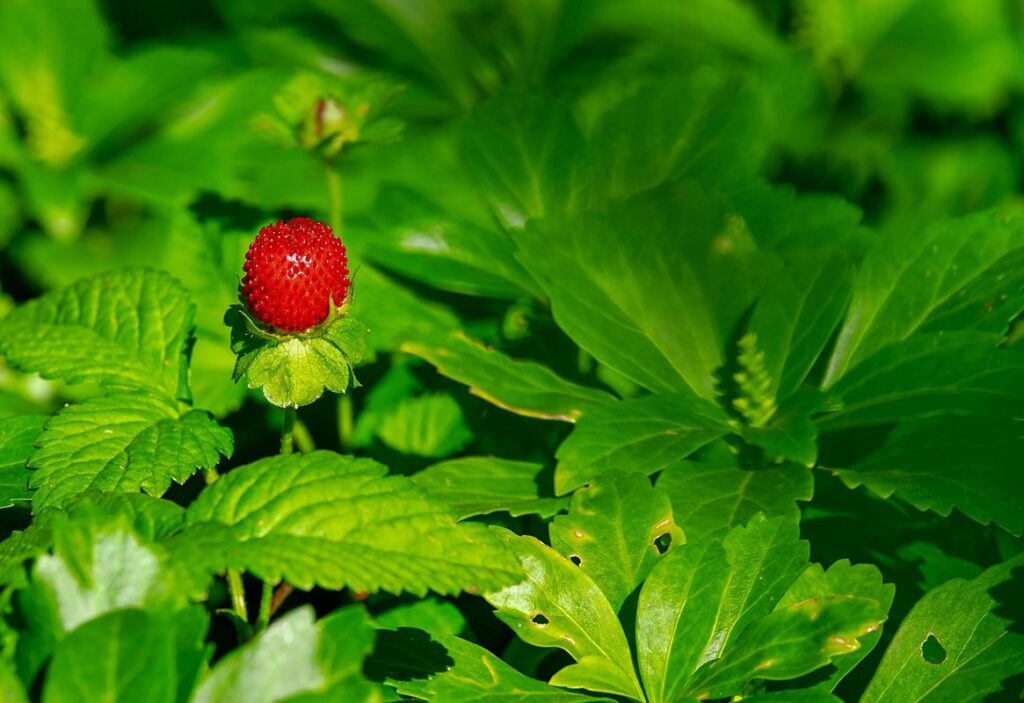
What Are Strawberry Plant Runners?
So, you’ve heard of strawberry plant runners but aren’t quite sure what they are or how they work. Let’s take a closer look at these clever plants.
Definition and Purpose of Runners
At the heart of strawberry plant runners is their primary function: producing new plants. These long stems that sprout from the crown of a mature strawberry plant are designed to propagate and spread its genetic material. As the runner grows, it will eventually reach the ground or other nearby surfaces, allowing the mother plant to produce an entirely new strawberry plant.
This process is essential for strawberry cultivation, as it enables farmers and gardeners to quickly and efficiently expand their strawberry crop. By producing multiple runners, a single strawberry plant can generate dozens of new plants in just a few seasons. This rapid reproduction allows strawberry farmers to harvest more fruit while minimizing labor costs.
To encourage healthy runner production, make sure your strawberry plants receive adequate sunlight, water, and nutrients. Prune your plants regularly to promote bushy growth and direct the energy of the mother plant towards producing runners. With proper care and conditions, you can unlock the full potential of your strawberry plant’s reproductive capabilities.
How Runners Differ from Other Stems
When you examine a strawberry plant, you’ll notice that it has multiple types of stems, each with its own distinct characteristics and functions. Among these are runners, flower stalks, and petioles. While they all play important roles in the growth and development of the plant, runners stand out from the rest due to their unique features.
Unlike flower stalks, which produce flowers and eventually seeds, runners are long stems that grow along the ground or on other plants, producing new daughter plants at their tips. They allow strawberry plants to propagate quickly and efficiently, spreading out to form large patches of fruiting plants. Petioles, on the other hand, support individual leaves and connect them to the plant’s crown.
One key difference between runners and other stems is that they are highly adaptable and can thrive in a variety of environments. This makes strawberry plants incredibly resilient and able to survive in areas with poor soil or limited space. By understanding how runners work, you can take advantage of their benefits and improve your strawberry patch’s productivity.
Types of Strawberry Plant Runners
Strawberry plant runners can be classified into two main types: June-bearing and ever-bearing, each producing distinct varieties of fruit. We’ll explore these differences in more detail below.
June-Bearing and Everbearing Runners
June-bearing and Everbearing runners are two of the most common types of strawberry plant runners. June-bearers produce one large crop in the spring, typically around late May to early June. They tend to grow more upright, making them easier to support with stakes or trellises. This growth habit also allows for better air circulation, reducing the risk of disease. The advantages of June-bearing runners include high yields and larger fruit size.
Everbearing runners, on the other hand, produce multiple crops throughout the growing season. They tend to spread out more, making them well-suited for container gardens or hanging baskets. Everbearers require more maintenance than June-bearers, as they need regular pruning to encourage new growth. However, their production pattern provides a longer harvest season and can be beneficial in areas with short springs.
When choosing between these two types of runners, consider your climate, available space, and desired harvest schedule. If you’re looking for high yields and don’t mind the wait, June-bearers might be the better choice. However, if you prefer multiple harvests throughout the season, Everbearers could be the way to go.
Day-Neutral and Short-Day Runners
When it comes to day-neutral and short-day runners, their response to light exposure is quite different from that of long-day runners. Day-neutral strawberry plant runners are not affected by the length of daylight hours, meaning they will produce flowers and fruit regardless of whether they receive 12 hours of daylight or just 8.
In fact, some varieties of day-neutral strawberries can even tolerate shade conditions, making them ideal for growing in containers or under a trellis. This flexibility is beneficial for gardeners who want to maximize their strawberry production without being tied to specific planting times based on seasonal light patterns.
Short-day runners, on the other hand, require a shorter daylight period (typically 10-12 hours) to induce flowering and fruiting. These plants are often used in commercial strawberry production due to their high yields and ability to be grown year-round using artificial lighting.
When growing day-neutral or short-day runners, keep in mind that consistent light exposure is essential for optimal production. Aim for a minimum of 4-6 hours of direct sunlight per day, supplementing with LED grow lights if necessary. By understanding the unique characteristics of these runner types, you can create an ideal environment for your strawberries to thrive.
Growing Strawberry Plant Runners
If you’re eager to multiply your strawberry harvest, learning how to grow and care for strawberry plant runners is a crucial step. In this section, we’ll dive into the process of encouraging healthy growth and reproduction.
Conditions for Runner Formation
To encourage healthy runner formation, you need to provide your strawberry plants with an optimal growing environment. One crucial factor is soil pH, which should be between 5.5 and 6.5 for optimal growth. If the pH level is too high or too low, it can negatively impact plant development and reduce the chances of runner production.
Temperature also plays a significant role in promoting healthy runners. Strawberries thrive in temperatures between 60°F to 70°F (15°C to 21°C), which is why they’re often grown outdoors during spring and summer months. Avoid exposing your plants to extreme temperature fluctuations, as this can stress them out and hinder runner development.
Proper moisture levels are also essential for healthy runner formation. Strawberries need consistent moisture, especially when they’re producing flowers and runners. Water your plants regularly, but avoid overwatering, which can lead to root rot and other problems. Aiming for about 1-2 inches of water per week should be sufficient.
By providing your strawberry plants with the right soil pH, temperature, and moisture levels, you’ll set them up for success in producing healthy runners that will reward you with delicious fruit and a bountiful harvest.
Techniques for Encouraging Runner Growth
When you’re cultivating strawberry plants, one of the most exciting aspects is watching them produce runners. These plant extensions are not only visually appealing but also a sign that your strawberries are thriving. To encourage runner growth and promote healthy plant development, consider implementing the following techniques:
Pruning is an essential practice to stimulate runner production. Regularly removing spent flowers and weak growth encourages the plant to channel its energy into producing new runners. Timing is crucial – prune when the plants begin to slow down in summer, around July or August, depending on your region’s climate.
Fertilization also plays a significant role in promoting runner growth. Feed your strawberry plants with a balanced fertilizer during spring and early summer to provide essential nutrients for growth. Organic options like fish emulsion or compost tea work well too.
By combining pruning and fertilization techniques, you’ll be well on your way to encouraging healthy runner production. These simple practices not only boost plant growth but also increase the chances of successful runners producing new plants.
Harvesting Strawberries from Runners
Now that we know what strawberry plant runners are, let’s dive into how to harvest fresh strawberries directly from these long stems. It’s surprisingly easy!
Timing and Frequency of Harvests
When it comes to harvesting strawberries from runners, timing and frequency are crucial for optimal flavor, texture, and disease management. Strawberries produced by runners tend to mature faster than those on parent plants, typically within 60-90 days after flowering.
It’s essential to check the strawberries regularly, as they can become overripe quickly, especially in warm weather. Harvest them when the berries are fully colored and give slightly to pressure. Avoid picking strawberries that are too green or unripe, as this can lead to a decrease in flavor and texture.
For optimal frequency of harvests, aim to pick strawberries from runners every 2-3 days during peak production periods. This will not only ensure that you enjoy the best flavors but also help prevent over-ripening and disease buildup. Remember to remove any weak or spindly growth from the mother plant to direct energy towards producing more runners and subsequent fruit sets.
To maintain a healthy crop, rotate picking locations to avoid spreading diseases like powdery mildew or botrytis. This simple practice will not only ensure a longer harvest season but also promote a balanced ecosystem within your strawberry patch.
Picking the Right Berries
When it’s time to harvest your strawberries from runners, you’ll want to ensure you’re picking only the ripest and sweetest berries. Ripe strawberries typically have a bright red color with green leaves that are still attached to the plant. Gently grasp the strawberry near its stem, twisting it slightly to release it without damaging the crown.
To select the sweetest and tastiest berries from your patch, look for those that are plump but not mushy, as this is usually an indicator of optimal sweetness. Avoid any strawberries with white or pale green skin, as these may be underripe or overripe. Also, check the stem end for a slight indentation – this indicates where the strawberry was attached to the plant.
When harvesting strawberries from runners, try to pick them in the morning after the dew has dried but before the heat of the day sets in. This is when they are typically at their sweetest and most flavorful.
Propagation Using Strawberry Runners
If you’re growing strawberries, chances are you’ve already spotted tiny plantlets emerging from your plants’ crowns. In this section, we’ll explore how to use these runners to propagate new strawberry plants.
Creating New Plants from Runners
Creating new plants from strawberry runners is a simple and effective way to propagate strawberries. To do this, take 3-4 inch sections of runner with at least two nodes (the joint where the leaf meets the stem) from mature mother plants. Remove lower leaves, leaving only the top pair or set of leaves to prevent waterlogged soil.
Plant the cutting in a propagation tray or a small pot filled with a good quality seed starting mix. Water well and provide a warm environment with indirect light. Roots will develop within 2-3 weeks, and new growth will start appearing. Transplant the new plants into larger containers or directly into your garden when they have developed two sets of leaves.
This method is suitable for both in-ground gardens and container growing. For example, you can plant strawberries in hanging baskets or large tubs to create a beautiful display on your patio or balcony. Alternatively, you can use this technique to refresh your strawberry patch by introducing new plants with different characteristics, such as disease resistance or improved flavor profiles. With a little patience, you’ll have brand new strawberry plants ready for harvest within months.
Advantages and Considerations of Runner Propagation
Using strawberry plant runners for propagation can be an efficient and cost-effective way to multiply your favorite varieties. One of the primary advantages is that it allows you to maintain genetic diversity within your plants, which is essential for their overall health and adaptability. By using runners, you can propagate a wide range of cultivars, including heirloom and hybrid varieties, ensuring that your strawberry patch remains diverse and resilient.
However, there are potential drawbacks to consider. For instance, strawberry plant runners can also transmit diseases from parent plants to newly propagated ones. To minimize this risk, make sure to inspect the runners carefully for signs of disease before planting them. This involves checking for any visible symptoms such as yellowing leaves or black spots on the fruit.
To propagate using runners safely, follow these steps: carefully dig up a mature strawberry plant with healthy runners, trim the tips of the new growth to encourage more branching, and then replant them in a suitable location. By taking these precautions, you can enjoy the benefits of runner propagation while minimizing its potential drawbacks.
Challenges and Pests Associated with Strawberry Runners
As you’ve learned how strawberry plants produce runners, let’s talk about some of the challenges they can bring, including common pests and diseases that target these vulnerable new growths.
Common Issues Affecting Runner Growth
Growing strawberries from runners can be a rewarding experience, but like any form of plant propagation, it’s not without its challenges. One of the most common issues that may arise is crown rot, which occurs when the crown (the area where the leaves meet the roots) becomes waterlogged and susceptible to disease. This can be caused by overwatering or poor drainage, so make sure your strawberry bed has good air circulation and isn’t too water-logged.
Another potential problem is botrytis, a fungal disease that can cause the runners to rot and die. To prevent this, it’s essential to provide adequate space between each plant and keep the area around them clean and free of debris. Aphid infestations are also common on strawberry plants grown from runners, so be sure to monitor your plants regularly for signs of these pesky insects.
To avoid these issues, start by selecting healthy strawberry crowns or runners with no visible signs of disease or damage. Also, ensure you’re providing the right amount of water and nutrients for your plants. Regularly inspecting your plants will also help you catch any potential problems early on, allowing you to take corrective action before they become serious issues.
Integrated Pest Management Strategies for Runners
As you cultivate strawberry plants from runners, it’s essential to adopt integrated pest management (IPM) strategies to minimize the impact of pests and diseases on your crop. This approach combines physical, cultural, biological, and chemical controls to maintain a balanced ecosystem.
When growing strawberries from runners, watch out for common pests like aphids, spider mites, and slugs. To manage these threats, use techniques such as introducing beneficial insects like ladybugs or lacewings that prey on aphids. For example, research has shown that ladybugs can reduce aphid populations by up to 90% in strawberry fields.
Regularly inspect your plants for signs of disease, including powdery mildew and botrytis. Cultural controls like pruning, crop rotation, and sanitation can help prevent the spread of diseases. For instance, removing infected plant parts and disposing of them properly can reduce the risk of infection by up to 75%.
By implementing these IPM strategies, you’ll not only protect your strawberry runners from pests and diseases but also promote a healthier and more sustainable growing environment.
Frequently Asked Questions
Can strawberry plant runners be used to propagate new plants year-round?
Yes, with proper care and conditions, strawberry plant runners can produce new plants throughout the growing season. This makes them an ideal choice for gardeners looking to expand their harvest or introduce new varieties to their patch. To encourage continuous runner production, ensure that your strawberries receive consistent moisture, are fertilized regularly, and experience a period of cool temperatures during the winter months.
How do I manage strawberry plant runners if they’re taking over my entire bed?
Identifying the problem is key in managing wayward strawberry runners. Start by carefully digging around the mother plant to separate it from its runner offspring. You can then replant the new strawberries at a distance of about 12-18 inches, allowing them to establish their own root systems. Regular pruning and removal of unwanted runners will also help keep your bed under control.
Can I use strawberry plant runners in containers or indoor spaces?
Yes, you can successfully grow strawberries using plant runners in containers or indoor spaces. Just make sure the container has good drainage holes to prevent waterlogged soil. Use a well-draining potting mix and provide at least 6 hours of direct sunlight per day for optimal production. Keep the temperature between 60-70°F (15-21°C) during the growing season.
How do I know when strawberry plant runners are ready to be harvested?
For June-bearing strawberries, you can start harvesting runner-produced flowers about a week after they’ve finished blooming. For everbearing and day-neutral varieties, pick berries continuously throughout the summer months as they ripen. Look for berries that are plump, bright in color, and have a sweet aroma.
Can I use strawberry plant runners to control pests and diseases?
While strawberry plant runners can be an effective means of propagation, they can also spread pests and diseases from mother plants to new ones. To minimize this risk, maintain good garden hygiene by removing weeds, debris, and infected plants regularly. You can also consider using natural pest control methods like neem oil or introducing beneficial insects to your patch.