
When it comes to our feathered friends, ducks are often seen as one species. But did you know that there are distinct differences between male and female ducks? From their physical characteristics to their behaviors and reproductive patterns, these differences are crucial for understanding and caring for your duck flock.
In this article, we’ll delve into the unique traits of male and female ducks, including their plumage, mating habits, and health susceptibility. You’ll learn how to identify a male or female duck at different stages of life, what to expect from their behavior and social interactions, and how to provide the best care for each sex. Whether you’re a seasoned duck owner or just starting out, understanding these differences will help you build stronger relationships with your feathered companions and ensure they lead happy and healthy lives.
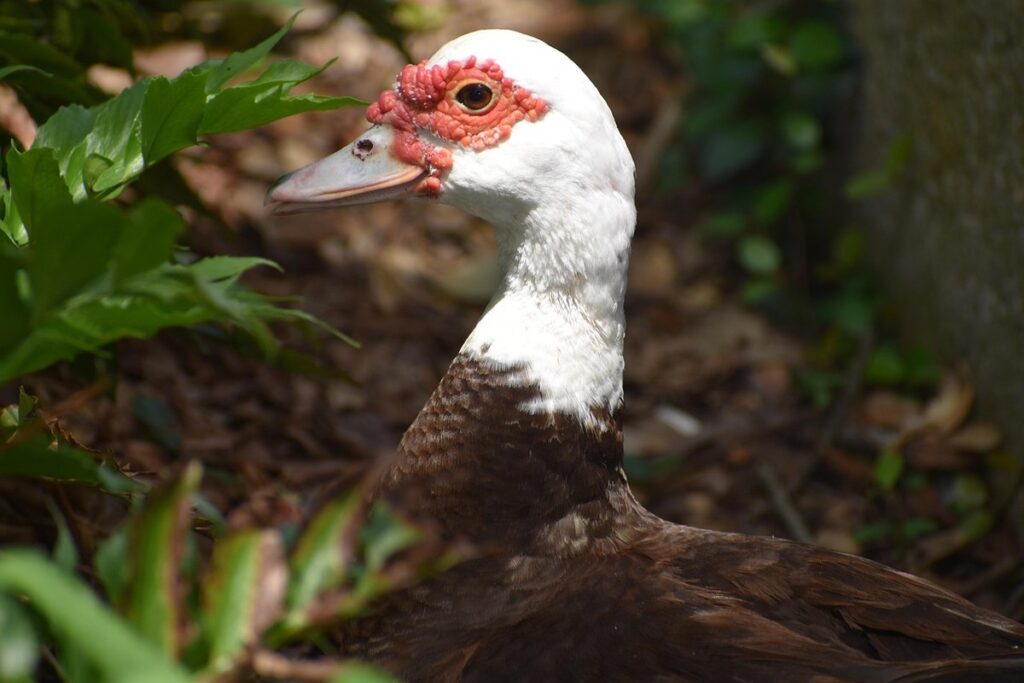
Physical Characteristics
When it comes to physical differences, some of the most noticeable variations between male and female ducks lie in their plumage, size, and beak shape. Let’s dive into these distinctive features together.
Beak Size and Shape
When it comes to identifying male and female ducks, beak size and shape can play a crucial role. Research has shown that there is no significant difference in the overall length of a duck’s beak between males and females. However, a closer look reveals some notable differences.
For example, male wood ducks tend to have thicker, more pronounced beaks compared to their female counterparts. This is because males need to feed on tougher seeds, nuts, and fruits to establish dominance during breeding season. On the other hand, female wood ducks often opt for softer plant material like aquatic vegetation and grasses.
Beak shape also varies between sexes in some duck species. For instance, male Mallards have a slight hook at the tip of their beaks, which is thought to aid in food gathering and combat during mating season. In contrast, females tend to have straighter or less pronounced hooks.
When observing ducks, pay attention to both the size and shape of their beaks. While it’s not always possible to determine sex based solely on beak characteristics, these differences can provide valuable clues when combined with other physical attributes and behavioral cues.
Plumage Patterns and Colors
One of the most striking differences between male and female ducks is their plumage patterns and colors. While it’s true that some species exhibit similar coloration, many others display distinct characteristics that can be used to identify males from females.
In general, male ducks tend to have more vibrant and intense colors than females, which often appear duller or washed out by comparison. For example, the Mallard drake boasts a stunning green head and yellow bill, while his female counterpart sports a mottled brown cap and grayish-black bill. This is because males produce more testosterone during breeding season, which leads to increased melanin production and more intense coloration.
Seasonal changes also play a role in plumage differences. During molting, both male and female ducks may lose their bright feathers and replace them with duller, brownish ones. However, this process typically occurs at the same time for both sexes, allowing observers to continue identifying males from females based on subtle differences in color intensity and pattern.
Weight and Body Type
When it comes to weight and body type, male and female ducks exhibit noticeable differences. Generally, males tend to be larger than females, with a more muscular build. On average, a male duck can weigh anywhere from 2.5 to 4 pounds (1.1 to 1.8 kilograms), depending on the breed.
Female ducks, on the other hand, typically weigh between 2 and 3.5 pounds (0.9 to 1.6 kilograms). While both sexes have a similar body shape, males often have longer necks and larger heads in proportion to their bodies.
These physical differences can be attributed to the role each sex plays in the duck’s life cycle. Males need to be stronger and more robust to attract mates and defend their territory. Females, while still capable of defending themselves, tend to prioritize reproduction and nurturing over physical aggression.
Keep in mind that these are general guidelines, as specific breeds can exhibit varying levels of size and body type differences between males and females. However, this gives you a good starting point for distinguishing between the two sexes based on weight and body type alone.
Behavioral Differences
When it comes to behavioral differences, male and female ducks exhibit distinct patterns of behavior that can be fascinating to observe. Let’s explore some key differences you might notice in their daily habits.
Mating and Courtship Behaviors
During mating season, male ducks exhibit unique behaviors that are essential for attracting females and establishing dominance. One of the most notable displays is their courtship dance, which involves a series of intricate steps, including bowing, strutting, and preening. This elaborate display serves as a way to showcase the male’s strength, vitality, and genetic quality.
Female ducks, on the other hand, respond to these displays by choosing the most appealing suitor. They will often watch from a safe distance, assessing the male’s courtship skills before making a decision. Once a female has chosen her mate, she will signal her acceptance through a series of gentle quacks and body language cues.
To encourage successful mating and courtship behaviors in your ducks, provide them with a suitable environment that promotes social interaction and visual displays. This can be achieved by creating a large pond or lake with adequate space for males to strut their stuff and females to observe from a distance. By mimicking natural conditions, you’ll increase the chances of successful pair bonding and breeding.
Brooding and Parenting
When it comes to parenting responsibilities, male and female ducks exhibit distinct differences. While both parents play a crucial role in raising their ducklings, their division of labor is often more pronounced than you might think.
One notable difference lies in incubation duties. Female ducks, or hens, are primarily responsible for laying eggs and keeping them clean and safe until they hatch. They will often sit on the nest for extended periods, ensuring the eggs remain at a consistent temperature. Meanwhile, male ducks, or drakes, tend to focus on protecting their territory from predators and other potential threats.
Once the ducklings hatch, both parents take turns feeding and caring for them. However, females typically assume the majority of chick-rearing duties, teaching their young essential survival skills like swimming and foraging. Males, on the other hand, continue to provide protection and support, often acting as a buffer between their family and potential dangers.
It’s worth noting that some breeds exhibit more balanced division of labor than others. For example, Muscovy ducks are known to be highly cooperative parents, with both males and females sharing incubation and chick-rearing duties equally.
Dominance and Pecking Order
In duck flocks, social dynamics play a crucial role in establishing dominance and hierarchy. Males and females interact differently in terms of dominance, which is often linked to their age, size, and aggression levels. Typically, dominant males will lead the flock, while subordinate males will follow.
Female ducks can also be quite aggressive when defending their territory or young, but they tend to prioritize foraging over dominating the male hierarchy. In some cases, older females may challenge younger, more dominant males for leadership positions, leading to interesting social dynamics within the flock.
If you’re keeping a duck flock, understanding these social interactions is essential for creating a harmonious and healthy environment. To establish dominance, provide enough space and resources for your ducks, including separate areas for eating, sleeping, and breeding. By doing so, you can minimize conflicts between males and females and ensure that each bird has its place in the pecking order.
By recognizing these social dynamics, you can take steps to promote balance within your flock and create an environment where all birds thrive.
Reproductive Differences
Let’s dive into the reproductive differences between male and female ducks, a key aspect of understanding their unique characteristics. Male and female ducks have distinct reproductive roles, shaped by their physical and behavioral traits.
Breeding Seasons and Cycles
Breeding seasons and cycles vary significantly between male and female ducks. For instance, Pekin hens will lay an average of 300 eggs per year, with a peak production period typically occurring within the first two years of laying. On the other hand, drakes (male ducks) have no role in producing eggs but play a crucial part in fertilizing them.
Female ducks usually reach reproductive maturity at around six months, while males take slightly longer, reaching maturity between nine to 12 months. However, it’s essential to note that some breeds can mature earlier or later than these general guidelines suggest.
Breeding cycles for male and female ducks differ due to the presence of a single ovary in females compared to multiple testes in males. This anatomical difference affects their reproductive patterns and responsiveness to seasonal changes. As a result, it’s vital to understand these variations when managing breeding programs or caring for individual ducks on your property.
In general, most duck breeds exhibit strong seasonal adaptations to maximize reproduction during favorable times. For example, Muscovy ducks are known to breed throughout the year in warmer climates but exhibit more pronounced seasonal fluctuations in colder environments.
Egg-Laying and Incubation
When it comes to egg-laying habits, there are some significant differences between male and female ducks. Female ducks, also known as hens, are responsible for laying eggs while their counterparts do not lay eggs at all. The average female duck will lay around 280-300 eggs per year, although this number can vary depending on breed and living conditions.
One of the main reasons why female ducks lay eggs is due to their unique reproductive system. They have a larger ovary than male ducks, which allows them to produce eggs more efficiently. In contrast, male ducks have smaller ovaries and are not capable of laying eggs.
When it comes to incubation, both male and female ducks play important roles. Female ducks will typically sit on the eggs for around 28 days before they hatch, while males will often help to keep the eggs warm by huddling over them. If a female duck is injured or unable to incubate her eggs, a male duck can take over this role.
In many cases, breeders and backyard duck owners will use artificial incubation methods to ensure that all eggs have an equal chance of hatching successfully. This method involves placing the eggs in a controlled environment where they are kept at the right temperature and humidity levels until they hatch.
Chick-Rearing and Fledging
When it comes to chick-rearing and fledging, male and female ducks exhibit some fascinating differences. While both sexes are capable of incubating eggs and caring for their young, the division of labor often falls along distinct lines.
Females typically take on a more primary role in chick-rearing, producing eggs with a specialized membrane that helps keep them moist during incubation. They also display stronger brooding behavior, tucking their feathers over their bodies to conserve heat and protect their eggs from predators.
Males, however, contribute significantly to the care of their young by foraging for food and defending the family against potential threats. This is crucial in early stages when ducklings are most vulnerable. As they grow older, males will help teach them essential survival skills such as swimming and foraging.
Once the ducklings reach around 4-6 weeks old, the parents begin to wean them off their dependence on brood care. At this stage, both male and female ducks start to encourage their young to venture out of the nest and explore their surroundings. This marked shift in behavior signals the transition from chick-rearing to fledging.
Practically speaking, if you’re a duck breeder or owner, recognizing these differences can help you better support your birds during this critical period. By acknowledging the distinct roles each sex plays in raising their young, you’ll be well-equipped to provide optimal care and create a healthy environment for your feathered family to thrive.
Health and Longevity
When it comes to maintaining a happy, healthy duck, understanding the differences between male and female ducks is crucial. Let’s dive into how their health needs vary over time.
Disease Susceptibility
When it comes to disease susceptibility, male and female ducks do exhibit some differences. Research has shown that female ducks tend to be more resilient against certain diseases than their male counterparts. For instance, a study on Muscovy ducks found that females were less prone to Marek’s disease, a common avian virus that can lead to tumors and paralysis.
On the other hand, males are often more susceptible to respiratory issues such as pneumonia and bronchitis, likely due to their larger size and higher metabolic rates. This makes them more prone to airborne pathogens. As a duck owner, it’s essential to be aware of these differences to provide targeted care for your birds. For example, if you notice a male duck exhibiting labored breathing or wheezing sounds, take extra precautions to ensure good ventilation in the coop and consider administering antibiotics as a preventative measure.
Additionally, factors such as nutrition, living conditions, and genetic predisposition can also impact disease susceptibility. By understanding these sex-specific differences, you can make informed decisions about your ducks’ health and take proactive steps to prevent illness.
Lifespan Expectations
When it comes to the lifespan of ducks, there are some interesting differences between males and females. In the wild, female ducks generally live longer than their male counterparts. According to a study by the University of Michigan, the average lifespan of a female duck in the wild is around 5-7 years, while males typically live for only 3-5 years.
However, in captivity, such as on a farm or in a backyard pond, the difference in lifespan between male and female ducks is less pronounced. With proper care and nutrition, both males and females can live into their teens, with some reports of ducks living up to 20 years or more in captivity.
It’s worth noting that many factors can influence the lifespan of a duck, including diet, health conditions, and exposure to predators. Female ducks may have an advantage in terms of longevity due to their tendency to form strong pair bonds and social relationships, which can help them avoid stress and maintain good physical health.
By providing optimal living conditions and care, you can help ensure that both your male and female ducks live long, healthy lives.
Common Health Issues
As you care for your feathered friends, it’s essential to be aware of common health issues that can affect male and female ducks. One significant difference lies in the incidence of respiratory problems. Female ducks are more prone to lung infections due to their smaller size and compact body structure, making them more susceptible to breathing difficulties.
On the other hand, male ducks often suffer from reproductive-related health issues. Males may experience conditions like prostatitis or testicular abnormalities, which can significantly impact fertility and overall well-being.
Another area of concern is molting. Both male and female ducks experience feather loss during molting, but females tend to be more affected by this process. Their body undergoes significant changes during breeding season, leading to a higher risk of stress-related health issues.
To mitigate these risks, maintain a clean and safe living environment for your ducks. Ensure their coop is well-ventilated to reduce respiratory problems. Regularly inspect male ducks’ reproductive organs to detect any potential issues early on. By being aware of these common health concerns and taking proactive measures, you can help ensure the longevity and overall health of both your male and female ducks.
Conclusion
As we’ve explored the various differences between male and female ducks, it’s essential to remember that these distinctions are not only physical but also behavioral. If you’re new to duck-keeping, observing and learning from your birds’ unique characteristics will help you build a stronger bond with them. For example, males tend to be more aggressive during mating season, so it’s crucial to keep this in mind when introducing new ducks to your flock. By being aware of these differences, you can create a harmonious environment for both male and female ducks to thrive.
In conclusion, understanding the sex-specific traits of ducks is key to providing optimal care and ensuring their well-being. Whether you’re an experienced or novice duck breeder, recognizing these differences will help you make informed decisions about your flock’s management and care.
Frequently Asked Questions
What’s the best way to identify a male or female duck at different stages of life?
Identifying a duck’s sex can be challenging, especially when they’re young or molting. One effective method is to observe their plumage patterns and colors. Males often have brighter, more vibrant feathers, while females tend to have duller tones. Additionally, males typically grow larger than females, so size can also be an indicator.
Can ducks of the same species exhibit different behaviors depending on their sex?
Yes, male and female ducks can exhibit unique behavioral traits based on their sex. For instance, males are often more aggressive during mating season, while females tend to focus on nesting and brooding. Understanding these differences is crucial for creating a harmonious environment within your duck flock.
How do I ensure my duck’s health needs are met based on their sex?
Providing the right care for each sex requires attention to specific nutritional needs and health concerns. For example, males tend to be more susceptible to diseases like gout due to their larger size and higher metabolic rate. Females, on the other hand, may require more calcium-rich foods during egg-laying periods.
Can I breed ducks of different species if I want to produce a hybrid offspring?
While it’s technically possible to breed ducks from different species, it can be challenging and may not always yield desirable results. Different species have varying reproductive requirements and may not interbreed successfully. Consult with a poultry expert before attempting cross-breeding.
What are some common health issues affecting male versus female ducks?
Both sexes can be prone to various health issues, but males tend to suffer more from diseases like bumblefoot and respiratory infections due to their larger size and increased metabolic rate. Females, however, may experience reproductive problems or stress-related disorders during breeding seasons. Regular veterinary check-ups and maintaining a clean living environment are essential for overall health and well-being.