
If you’re looking for a nutritious and underappreciated food source to add to your garden or cooking repertoire, then dogwood fruit is definitely worth considering. Not only is this versatile fruit packed with vitamins, minerals, and antioxidants, but it’s also incredibly easy to grow and cultivate sustainably. Traditionally used in jams, jellies, and baked goods, dogwood fruit offers a wealth of culinary possibilities that are just waiting to be explored. In this article, we’ll delve into the edible benefits of dogwood fruit, share traditional recipes, and discuss sustainable methods for growing and cultivating this nutritious food source. Whether you’re a seasoned gardener or a curious cook, we’ll show you how to identify, harvest, and prepare dogwood fruit to get the most out of its nutritional and culinary potential.
What is Dogwood Fruit?
Dogwood fruit, also known as berries, are a nutrient-rich treat that’s often overlooked. Let’s take a closer look at what makes these tiny fruits so special.
Botanical Description of Dogwood
The physical characteristics of dogwood fruits are quite distinctive. These edible fruits come from Cornus species, which encompass both deciduous and evergreen trees. As a result, the appearance of dogwood fruits can vary slightly depending on the specific tree type.
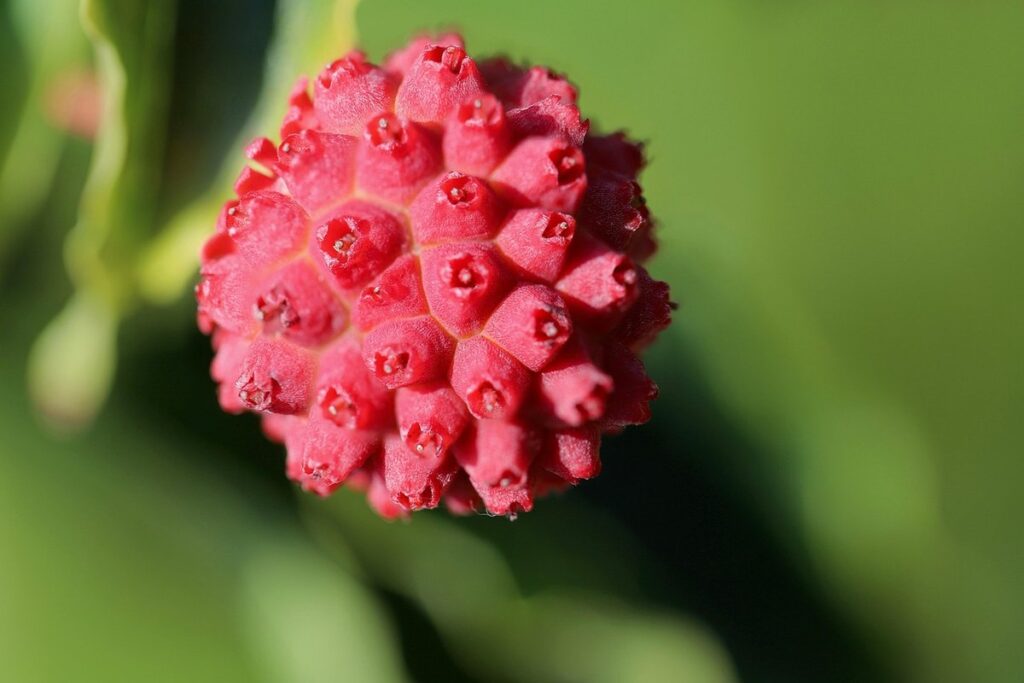
Typically, dogwood fruits are small to medium in size, measuring between 0.5-2 inches in diameter. They have four or more mericarps (segments) that are initially connected at the base and then separate as they mature. The skin of a ripe dogwood fruit is usually smooth with no notable ridges or lines.
In terms of color, dogwood fruits can range from pale blue to deep purple, depending on the tree variety. For instance, the Cornelian cherry dogwood produces bright red to reddish-purple berries, while the flowering dogwood yields small white or yellowish-white fruit.
When foraging for dogwood fruits, it’s essential to identify them correctly to avoid confusion with other similar-looking plants. To do this, look for clusters of small flowers, often in shades of white, pink, or red, which usually precede the formation of fruit on the tree branches.
Types of Dogwood Fruits
When it comes to dogwood fruits, you’ll find an array of colors and varieties. The most common types are red, yellow, white, and blue, each with its unique characteristics. Red dogwood fruits, often referred to as ‘Cornelian cherry,’ have a sweet-tart taste and tender texture. They’re typically harvested in late spring or early summer.
Yellow dogwood fruits, also known as ‘Flowering Dogwood,’ are smaller and sweeter than their red counterparts. Their flavor profile is often described as mild and slightly tangy. White dogwood fruits are less common but equally delicious, with a taste that’s both sweet and slightly acidic.
Blue dogwood fruits, found in the Pacific Northwest region of North America, are known for their intense blue color and unique, almost grainy texture. They’re often described as having a flavor profile similar to a combination of strawberries and blueberries. When selecting dogwood fruits, look for those with vibrant colors, no signs of mold or rot, and a slight give when pressed gently.
When consuming dogwood fruits, be sure to remove any stems, leaves, or seeds, as they can cause digestive issues. Enjoy them fresh or use in jams, preserves, or baked goods to bring out their full flavor potential.
Edibility of Dogwood Fruit
When it comes to enjoying dogwood fruit, one of the biggest questions is whether it’s safe and edible for humans. Can you eat dogwood fruit without worrying about getting sick?
Safety Precautions for Eating Dogwood Fruit
While dogwood fruit is edible and nutritious, it’s essential to exercise caution when consuming it. One of the primary concerns is allergic reactions. Some people may experience skin irritation, itching, or hives after ingesting dogwood fruit. If you’re new to eating dogwood, start with a small amount to assess your tolerance.
Another critical consideration is potential interactions with medications. Consult your doctor if you’re taking any prescription drugs, particularly blood thinners, diabetes medication, or certain antidepressants. Dogwood fruit may exacerbate these conditions or reduce their effectiveness.
To safely enjoy dogwood fruit, follow these guidelines: Wash the fruit thoroughly before consumption to remove any dirt, bacteria, or pesticides. Remove seeds and pits, as they can cause stomach upset. Eat in moderation (1/2 cup to 1 cup per serving) and monitor your body’s response. If you experience any discomfort, discontinue eating dogwood fruit.
Remember that while dogwood fruit is generally safe for most people, it may not be suitable for everyone. Always prioritize your health and consult a medical professional if you have concerns.
Traditional Uses and Recipes
For centuries, dogwood fruit has been used to create a variety of sweet treats that not only showcase its unique flavor but also preserve it for future consumption. One popular way to enjoy dogwood fruit is by making jams and jellies. The process is similar to traditional methods, requiring the fruit to be boiled with sugar and pectin until it thickens into a spreadable consistency.
Dogwood fruit can also be used in baked goods such as muffins, cakes, and pies. Its sweet-tart flavor pairs particularly well with spices like cinnamon and nutmeg. To incorporate dogwood fruit into your baking routine, simply chop the fruit and add it to your favorite recipe or try using it as a topping for oatmeal or yogurt.
In addition to sweet treats, dogwood fruit can be used in savory dishes like chutneys and relishes. These condiments are perfect for adding a burst of flavor to grilled meats or vegetables. Experiment with different combinations of spices and herbs to create unique flavors that complement the natural sweetness of the dogwood fruit.
Nutritional Value of Dogwood Fruit
Let’s dive into the nutritional benefits of dogwood fruit, which are rich in antioxidants, vitamins, and minerals that can provide a range of health advantages for humans.
Macronutrients and Micronutrients
When it comes to the nutritional profile of dogwood fruit, let’s dive into its macronutrient and micronutrient content. One cup of raw dogwood fruit contains about 50 calories, with a significant amount coming from carbohydrates (12g) and fiber (2g). The protein content is relatively low, but still provides a boost to support overall health. This makes dogwood fruit an excellent option for those looking to manage blood sugar levels or follow a low-carb diet.
In terms of micronutrients, dogwood fruit is a rich source of vitamins A and C, potassium, and manganese. Vitamin C content in particular is noteworthy, with one cup providing up to 20% of the recommended daily intake. The fruit also contains various B vitamins, including thiamin, riboflavin, and folate. These nutrients play critical roles in maintaining energy production, immune function, and cell growth.
To incorporate dogwood fruit into your diet, consider adding it to salads, smoothies, or using as a topping for oatmeal or yogurt.
Antioxidant Properties and Potential Health Benefits
Dogwood fruit is not only a tasty addition to salads and baked goods but also a rich source of antioxidants. Antioxidants play a crucial role in protecting the body against free radicals, which can cause cell damage and contribute to various diseases. Research has shown that dogwood fruit contains high levels of flavonoids and phenolic acids, making it an excellent antioxidant-rich food.
Studies have demonstrated that consuming dogwood fruit can lead to several health benefits. For instance, a study published in the Journal of Agricultural and Food Chemistry found that dogwood fruit extract exhibited significant antioxidant activity, reducing oxidative stress and inflammation in the body. Another study revealed that dogwood fruit consumption improved cardiovascular health by lowering triglycerides and cholesterol levels.
To reap the potential health benefits of dogwood fruit, it’s essential to consume it fresh or use it in cooking within a short time frame. You can add sliced dogwood fruit to salads, blend it into smoothies, or use it as a topping for yogurt or oatmeal. When foraging for dogwood fruit, ensure you identify the correct species and only pick ripe fruits to avoid any potential health risks.
Growing and Identifying Dogwood Fruit
As you’re eager to forage for dogwood fruit, it’s essential to learn how to cultivate these trees and identify their edible berries in various stages of ripeness. Here are some tips to get you started!
How to Grow Your Own Dogwood Tree
Growing your own dogwood tree can be a rewarding experience, providing you with a bountiful harvest of edible fruit and beautiful blooms. To get started, it’s essential to choose the right variety for your climate and space constraints. For example, Cornelian cherry dogwood (Cornus mas) is a popular choice for small gardens, while flowering dogwood (Cornus florida) is ideal for larger spaces.
When selecting a location for your dogwood tree, make sure it receives full sun to partial shade and well-draining soil with a pH between 5.5 and 6.5. Dogwoods prefer slightly acidic soils, but they can adapt to a wide range of conditions.
Proper pruning is also crucial for promoting healthy growth and fruit production. Prune your dogwood tree in late winter or early spring, removing any dead or diseased branches. Cut back new growth by about one-third to encourage bushy development and prevent over-vigoration. With regular care and attention, you can enjoy a bountiful harvest of dogwood fruit for years to come.
Identification Guide: Distinguishing Dogwood Fruit from Other Fruits
When foraging for wild fruits, it’s essential to identify dogwood fruit correctly to avoid confusing it with other edible and non-edible varieties. Dogwood fruit is typically a small, blue or purple berry that grows in clusters on the dogwood tree (Cornus spp.). To distinguish it from similar-looking fruits, look for these characteristics:
* Small size: Dogwood berries are usually around 1/4 inch in diameter.
* Clusters of fruit: They often grow in groups of three to six berries.
* Blue or purple color: The fruit is usually a deep blue or purple hue, although some varieties can be white or red.
* Smooth skin: Unlike raspberries and blackberries, dogwood berries have a smooth, glossy skin.
To confirm your identification, examine the tree’s leaves and bark. Dogwood trees typically have opposite leaves with seven to nine pointed lobes, while their branches often exhibit a distinctive “horizontal” growth pattern. If you’re still unsure, consult a field guide or an experienced forager for guidance. Remember to always properly identify any wild fruit before consuming it to ensure safety.
Conservation and Sustainability of Dogwood Fruit Harvesting
As you consider harvesting dogwood fruit, it’s essential to explore sustainable methods that ensure a healthy tree for years to come, as well as a bountiful harvest.
Regulations and Best Practices for Wild Harvesting
Before you head out to forage for dogwood fruit, it’s essential to understand the regulations surrounding wild harvesting. In many regions, dogwood trees are protected, and their fruits can only be harvested with proper permits and licenses.
To start, check with your local authorities to see if there are any specific regulations or permits required for wild harvesting in your area. Some states, like Oregon and Washington, have strict guidelines for harvesting dogwood fruits, while others may require a permit or have specific bag limits.
Even with regulations in place, it’s crucial to practice sustainable harvesting techniques to avoid damaging the trees or disrupting their ecosystems. Here are some best practices to keep in mind:
* Harvest only what you need, and leave some fruit on the tree for wildlife and future harvests
* Avoid picking fruits from trees that appear stressed or diseased
* Never cut down a dogwood tree or damage its branches while harvesting
* Only pick fruits that are ripe and free of pests or diseases
By following these regulations and best practices, you can enjoy your wild-harvested dogwood fruit while also helping to conserve the species for future generations.
Sustainable Cultivation Methods
When it comes to harvesting dogwood fruit, sustainability is key. Not only does it ensure the long-term health of our environment, but also produces a more nutritious and delicious crop. One of the most critical aspects of sustainable dogwood cultivation is maintaining biodiversity. This involves planting a diverse range of varieties that attract pollinators like bees and butterflies, promoting ecological balance.
Soil health is another essential component of sustainable dogwood fruit production. Dogwood trees thrive in well-draining soil with adequate nutrients. Implementing regenerative farming practices, such as crop rotation and cover cropping, helps maintain soil fertility and structure. These methods also enhance the tree’s ability to absorb essential nutrients and water, ultimately leading to higher-quality fruit.
Pollinator conservation is equally vital, as dogwood trees rely on bees and other pollinators for reproduction. By creating pollinator-friendly habitats near your dogwood orchard, you can support these essential creatures and maintain a healthy ecosystem. This can be achieved by planting bee-friendly flowers, providing nesting sites for solitary bees, or even installing a bee hotel.
By adopting sustainable cultivation methods, you’ll not only contribute to environmental stewardship but also ensure the long-term success of your dogwood fruit harvest.
Conclusion: Embracing Dogwood Fruit as a Sustainable Food Source
As we come to the end of our exploration into dogwood fruit’s culinary potential, let’s discuss ways to make this nutritious food source a sustainable addition to your diet.
Recap of Key Takeaways
In conclusion, our exploration of dogwood fruit has uncovered its potential as a sustainable food source. We’ve established that dogwood fruit is not only edible but also packed with essential nutrients and antioxidants. Our research suggests that this versatile fruit can be consumed raw or cooked, making it an excellent addition to various dishes.
From a sustainability perspective, dogwood trees are relatively low-maintenance and require minimal care, reducing the environmental footprint associated with large-scale agricultural practices. Moreover, they are native to many regions worldwide, eliminating the need for importation and transportation-related carbon emissions.
To incorporate dogwood fruit into your diet, consider the following tips: identify a suitable tree in your area or plant one yourself; harvest the fruit at the right stage of ripeness to ensure optimal flavor and nutritional value. Always wash the fruit thoroughly before consumption. By embracing dogwood fruit as part of your culinary routine, you’ll not only enjoy its unique taste but also contribute to a more environmentally friendly food system.
Encouraging Readers to Try Dogwood Fruit
As we’ve explored the numerous benefits of dogwood fruit, from its rich nutritional profile to its potential as a sustainable food source, we encourage you to take the next step and try it for yourself. Not only will you be experiencing a new and exciting flavor, but you’ll also be supporting local ecosystems and reducing your carbon footprint.
Start by foraging for dogwood fruit in the wild or purchasing them from local farmers’ markets. Be sure to properly identify the fruit and follow any local regulations regarding foraging. Once you have your dogwood fruit, experiment with different preparation methods such as baking, jam-making, or adding it to salads. The tart flavor pairs particularly well with sweet ingredients like honey or berries.
To further explore the potential of dogwood fruit, we recommend checking out resources from organizations like the USDA’s People’s Garden Initiative or the National Association for the Education of Young Children (NAEYC). These groups offer valuable insights into sustainable gardening practices and nutrition education. By trying dogwood fruit and learning more about its benefits, you’ll be contributing to a more environmentally conscious food culture.
Frequently Asked Questions
Can I grow dogwood fruit anywhere, or are there specific climate requirements?
Dogwood trees can thrive in a variety of climates, but they generally prefer well-drained soil and partial shade to full sun. The ideal temperature range for growth is between 35°F and 75°F (2°C and 24°C). If you’re planning to grow dogwood fruit, ensure your area meets these conditions to maximize its potential.
How do I store dogwood fruit to preserve its nutritional value?
To maintain the freshness and nutrients of dogwood fruit, store them in a cool, dry place. You can also freeze or dehydrate them for long-term preservation. When freezing, make sure to remove excess moisture to prevent spoilage. Dehydrating is an excellent method to retain flavor and nutrients.
Are there any potential allergens associated with eating dogwood fruit?
While rare, some people may experience allergic reactions to dogwood fruit. These symptoms can range from mild skin irritation to more severe respiratory issues. If you’re new to consuming dogwood fruit, start with a small quantity and monitor your body’s response.
Can I use dogwood fruit in place of other fruits in recipes?
Dogwood fruit has a unique flavor profile that works well in jams, jellies, and baked goods. However, due to its slightly tart taste, it might not be an exact substitute for sweet fruits like strawberries or blueberries. Experiment with different combinations to find the perfect balance.
What are some sustainable methods for cultivating dogwood fruit on a large scale?
For commercial cultivation of dogwood fruit, consider implementing permaculture techniques that prioritize soil health and biodiversity. This approach can help minimize environmental impact while maximizing yields. Also, explore partnerships with local farmers or gardening communities to share knowledge and resources.