
Are you ready to welcome some feathered friends into your backyard? Building a safe and happy home for your ducks is easier than you think, but it requires some planning and know-how. As any duck owner knows, a well-designed duck house is essential for keeping your birds healthy and content. But what makes a good duck house design plan, exactly?
In this comprehensive guide, we’ll walk you through the process of designing, building, and maintaining a duck house that meets all their needs. From planning and budgeting tips to construction advice and safety features, we’ve got you covered. Whether you’re a seasoned poultry owner or just starting out, our expert insights will help you create a happy haven for your ducks. Let’s dive in and learn how to design the perfect duck house for your backyard flock!
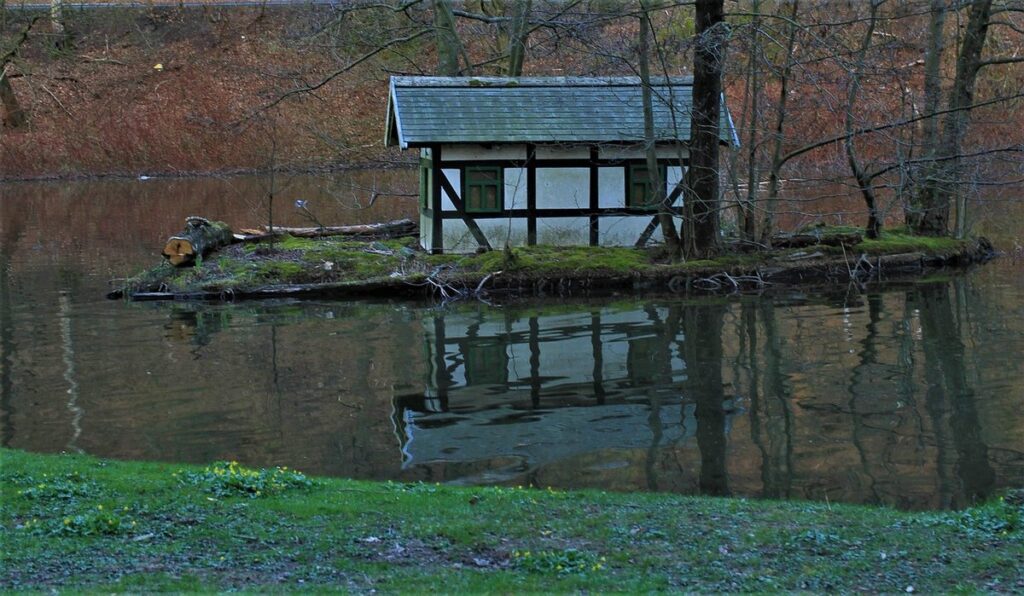
Planning Your Dream Duck House
When planning your dream duck house, it’s essential to consider factors such as size, material, and location to ensure your feathered friends have a safe and happy home.
Choosing the Perfect Location
When it comes to planning your dream duck house, selecting the perfect location is crucial for your feathered friends’ comfort and well-being. A good location will not only provide your ducks with a safe and healthy environment but also make maintenance and upkeep easier.
Start by considering sunlight exposure. Ducks need access to direct sunlight to stay warm, especially in colder climates, so choose a spot that receives at least 4-6 hours of direct sunlight per day. Avoid areas shaded by trees or buildings as they can create pockets of cold air that may lead to health issues.
Wind direction is another essential factor to consider. A duck house exposed to harsh winds may not be ideal for your birds’ comfort, so choose a location that offers some protection from prevailing winds. Proximity to water sources is also vital; ensure the duck house is situated near a pond or pool to provide your ducks with a convenient source of drinking and swimming water.
When selecting a location, keep in mind the slope and drainage of the land as well. A spot with good drainage will prevent water accumulation around the duck house, which can lead to health issues and unpleasant odors.
Assessing Your Yard’s Space Requirements
When planning your dream duck house, one of the most crucial factors to consider is the size of the enclosure. The ideal size will depend on several key elements: the number of ducks you plan to keep, their breed, and the available space in your yard.
To determine the minimum required space for your flock, start by considering the recommended stocking density for duck houses. A general rule of thumb is to provide at least 2-4 square feet per duck, depending on the breed. For example, Muscovy ducks require more space than Khaki Campbells due to their larger size.
As you assess your yard’s available space, also consider factors like ventilation, sunlight, and access for maintenance and cleaning. A general guideline is to allocate a minimum of 10% of your yard’s total area for the duck house and surrounding run. For instance, if you have a 1,000 square foot yard, designate at least 100 square feet for your duck house.
Ultimately, it’s essential to strike a balance between providing enough space for your ducks’ comfort and health while also respecting your yard’s limitations. Take note of local building codes and regulations regarding backyard poultry keeping and ensure compliance with these guidelines when designing your duck house.
Considering Local Regulations and Zoning Laws
Before breaking ground on your dream duck house, it’s essential to research and understand local regulations regarding backyard poultry keeping. Zoning laws can vary significantly from one area to another, so it’s crucial to familiarize yourself with the specific rules that apply to your location.
Start by visiting your city or county website to review zoning ordinances and permits required for building a duck house. You may need to obtain a permit before construction begins, and some areas have specific requirements for size, material, or placement of the structure. For instance, you might find that certain materials are prohibited due to noise concerns or environmental regulations.
To ensure compliance with local regulations, it’s a good idea to speak directly with your local planning department or zoning office. They can provide guidance on any specific requirements and help you navigate the permitting process. Remember, ignoring these regulations can lead to costly fines or even forced removal of the structure. Take the time to research and understand local regulations to avoid these potential issues. By doing so, you’ll be well on your way to building a duck house that meets both your needs and local requirements.
Designing Your Duck House
Now that you have a sense of what makes a great duck house, let’s dive into designing your own coop from scratch, covering the essentials and must-haves.
Essential Features for a Happy and Healthy Flock
When designing your duck house, it’s essential to prioritize features that promote happiness and health for your feathered friends. A well-planned duck house should have adequate ventilation to prevent ammonia buildup from droppings and maintain a comfortable temperature. Consider installing windows or vents that allow fresh air to circulate while keeping predators out.
Proper insulation is also crucial, especially in areas with extreme temperatures. Use materials like straw bales, wood shavings, or recycled denim to keep your duck house warm in winter and cool in summer. Don’t forget to provide a safe and cozy space for your ducks to nest and lay eggs – at least one nesting box per 3-4 hens is recommended.
To safeguard your flock from predators like foxes, coyotes, and raccoons, consider adding a secure door with a lock or using hardware cloth around the perimeter. Also, keep in mind that a safe duck house should be elevated off the ground to prevent flooding and make cleaning easier. By incorporating these essential features into your design, you’ll create a happy and healthy environment for your ducks to thrive in.
Aesthetics and Customization Options
When it comes to designing your duck house, aesthetics and customization options can make all the difference in creating a harmonious blend with your yard’s landscape. You can choose from various design styles that cater to different tastes and preferences, such as modern, rustic, or farmhouse-inspired designs.
Selecting the right materials for your duck house is also crucial. For instance, you can opt for sustainable materials like reclaimed wood, bamboo, or recycled plastic. These options not only reduce environmental impact but also add a unique touch to your yard’s design. Consider using natural colors and textures that blend seamlessly with the surroundings, such as cedar shakes or corrugated metal.
Customization options are vast, allowing you to tailor your duck house to suit your needs and preferences. You can incorporate features like windows, skylights, or even solar panels to provide ample light and energy for your feathered friends. Don’t forget to consider the size and layout of your duck house, ensuring it’s both functional and visually appealing. By incorporating these design elements, you’ll create a unique and inviting space that not only provides comfort but also becomes a beautiful addition to your yard’s landscape.
Integrating Your Duck House with Other Backyard Features
When designing your duck house, it’s essential to consider its integration with other backyard features. This will not only create a harmonious and functional outdoor space but also enhance the overall experience for both you and your feathered friends.
Start by choosing a location that takes into account existing features such as gardens, ponds, or animal enclosures. For example, if you have a pond, consider placing your duck house nearby to make it easier to collect eggs and feed the ducks without disturbing them. You can also incorporate plants around the duck house that are friendly to ducks, such as lettuce and herbs, which will provide them with a nutritious snack.
When integrating your duck house with gardens or other animal enclosures, consider using a shared fence or wall to create a cohesive look and simplify maintenance. For instance, you could share a garden fence with a nearby chicken coop or rabbit enclosure, making it easier to manage multiple animals while maintaining a clean and organized outdoor space.
Ultimately, the key is to think creatively about how your duck house can fit into your overall backyard ecosystem. By doing so, you’ll create a thriving and self-sustaining environment that benefits both your ducks and the rest of your outdoor space.
Building Your Duck House
Now that you have a basic design plan, let’s get started on building your duck house! This section will walk you through the essential steps to construct a safe and cozy home for your feathered friends.
Choosing the Right Materials and Tools
When it comes to building your duck house, choosing the right materials and tools is crucial for creating a safe and durable structure for your feathered friends. You’ll want to select materials that can withstand the elements and provide adequate ventilation and insulation.
For the frame of your duck house, you’ll need sturdy lumber such as 2x4s or 2x6s. Consider using pressure-treated wood to resist rot and insect damage. For the roof, you’ll need roofing felt, shingles, or corrugated metal to keep the elements out. Don’t forget nails and screws for assembly – use galvanized or stainless steel fasteners to prevent rust.
In addition to these basics, you may also want to include features like nesting boxes, perches, and a door. For these components, you can use smaller pieces of wood, such as 1x2s or 1x4s. Remember to choose materials that are easy to clean and maintain, such as vinyl or plastic-coated options.
In terms of tools, you’ll need the usual suspects: hammer, saw, drill, and measuring tape. But don’t forget a level and a square for ensuring your duck house is built straight and true!
Step-by-Step Construction Guide
Building your duck house requires careful planning and execution. To ensure a sturdy and safe structure for your feathered friends, follow these steps:
Begin by preparing the foundation of your duck house. Clear the area where you’ll be building, removing any debris or obstructions. Next, mark out a square or rectangle with dimensions suitable for your needs – typically around 2×3 feet. Dig shallow holes at each corner and fill them with compacted gravel to provide drainage.
Framing is the next step. Cut four vertical posts (two longer than the others) and two shorter ones to create the frame. Assemble the structure using screws or nails, ensuring it’s square and sturdy. For wall construction, use 2×4 lumber for the exterior and 1×3 for the interior, attaching them to the frame with screws.
When constructing the walls, consider adding a sloping roof to allow rainwater to run off easily. You can also add windows and doors as needed. Finally, add a coat of waterproof paint or sealant to protect your duck house from the elements. Add bedding such as straw or hay for your ducks’ comfort.
Tips for Maintaining Your Duck House
Maintaining your duck house is crucial to ensure the health and happiness of your feathered friends. Regular upkeep not only prevents issues but also extends the lifespan of your duck house. Cleaning should be done regularly, ideally every 1-2 weeks, depending on the number of ducks you have. Remove soiled bedding, replace with fresh material like straw or hay, and disinfect all surfaces.
Regular inspections will help identify potential problems before they become major issues. Check for signs of wear and tear, such as broken twigs or loose boards. Make necessary repairs promptly to prevent damage from spreading. Consider upgrading your duck house periodically by adding new features like nesting boxes, perches, or ventilation systems.
For example, installing a roof overhang can shield the entrance from rain and provide shade during hot summer months. Additionally, incorporating easy-to-clean surfaces and storage compartments for supplies will save you time and effort in the long run. By following these simple tips, you’ll be able to keep your duck house in excellent condition, providing a safe and comfortable environment for your ducks to thrive.
Safety Considerations and Health Risks
When designing a duck house, it’s essential to consider the potential safety risks and health hazards that can affect both your ducks and yourself. We’ll explore these concerns in detail below.
Protecting Your Ducks from Predators
When it comes to raising ducks, protecting them from predators is a top priority. As you design your duck house, keep in mind that common threats come from outside the coop as well as inside. Foxes and coyotes are notorious for attacking ducks, while hawks and other birds of prey can swoop down at any time.
To safeguard against these threats, consider the following:
* Choose a location for your duck house that’s at least 10 feet away from any nearby wildlife habitats or escape routes.
* Use hardware cloth (a metal mesh material) to cover ventilation openings and any gaps around doors or windows. This will prevent predators from reaching your ducks through the coop’s air intake.
* Install netting or chicken wire around the perimeter of your yard to prevent coyotes, foxes, and stray animals from accessing your duck house.
* Regularly inspect your duck house for signs of damage or weakness that could be exploited by predators. Make any necessary repairs promptly.
By taking these precautions, you can create a safe haven for your ducks where they can thrive without worrying about predators lurking nearby.
Managing Health Risks for You and Your Flock
When building and caring for your duck house, maintaining good hygiene practices is crucial to preventing the spread of diseases and keeping both you and your flock healthy. Proper waste management is a vital aspect of this, as ducks can be carriers of harmful bacteria like E. coli and Salmonella.
To manage waste effectively, ensure that your duck house has easy-to-clean surfaces, such as concrete or rubber flooring, and that droppings are collected regularly using a litter tray or designated area. You should also provide an adequate amount of bedding material, like straw or wood shavings, to absorb moisture and odors. Regularly cleaning and disinfecting the coop will help prevent disease-causing pathogens from building up.
In addition to proper waste management, it’s essential to implement strategies for disease prevention. This includes providing a balanced diet, ensuring access to fresh water, and monitoring your flock regularly for signs of illness or stress. By taking these proactive steps, you can minimize the risk of health problems in both yourself and your ducks.
Budgeting and Financial Planning
Creating a duck house on a budget is achievable, but it requires careful planning to ensure your design stays within your financial means without compromising on quality. We’ll help you make informed decisions about materials and costs.
Estimating Costs for Materials and Labor
When it comes to building a duck house, estimating costs is crucial to ensure you stay within budget. A well-planned and executed duck house not only provides a safe haven for your feathered friends but also adds value to your property. To give you a better idea of what to expect, let’s break down the estimated costs associated with materials, labor, and other expenses.
For a basic duck house design, you can expect to spend between $500 to $1,000 on materials alone, depending on the size and complexity of the project. This includes lumber, roofing materials, nesting boxes, and any additional features like windows or doors. Labor costs will depend on whether you’re hiring a professional contractor or building it yourself. Assuming an 8-hour workday, labor costs can range from $200 to $500.
Other expenses to consider include permits, inspections, and any necessary electrical or plumbing work. To minimize costs, choose locally sourced materials, reuse or repurpose existing structures, and consider DIY projects whenever possible. A detailed breakdown of estimated costs will help you create a realistic budget for your duck house design project, ensuring it stays within your means and provides years of enjoyment for both you and your feathered friends.
Tips for Managing Your Budget and Finding Affordable Options
When building a duck house, it’s essential to consider costs and find ways to save money without compromising on quality. One of the most effective ways to do this is by repurposing materials you already have at home, such as old pallets or wooden crates. These can be easily transformed into functional and cozy spaces for your feathered friends.
Another great resource is online DIY tutorials, which offer a wealth of information and inspiration on building duck houses without breaking the bank. Websites like YouTube and Pinterest are treasure troves of creative ideas and step-by-step guides that you can follow to build your dream duck house.
If you’re not comfortable with DIY projects or don’t have the time, consider hiring local contractors who can help you build a beautiful and functional duck house at competitive rates. Many small-scale builders offer affordable services without sacrificing quality, so be sure to shop around and compare prices before making a decision. By being mindful of your budget and exploring cost-effective options, you’ll be well on your way to creating a happy and healthy home for your ducks.
Frequently Asked Questions
What if I don’t have a large backyard, can I still build a duck house?
You can definitely build a duck house even with a small yard. Consider using space-saving designs or vertical construction to maximize your area. Research different compact duck house plans that can accommodate your specific needs and the number of ducks you plan to keep.
How often should I clean and maintain my duck house to ensure my ducks’ health?
Regular cleaning is crucial for maintaining a healthy environment for your ducks. Clean the duck house at least once a week, removing any debris, droppings, or uneaten food. Disinfect all surfaces with a pet-safe cleaner to prevent bacterial growth.
Can I build a multi-level duck house to meet my ducks’ different needs?
Yes! Building multiple levels can provide your ducks with separate areas for sleeping, eating, and preening. Consider adding a nesting box on the upper level for breeding ducks or a shallow area for young ducklings to swim in.
How do I protect my duck house from predators like foxes, raccoons, and hawks?
To safeguard your duck house from predators, consider adding secure latches or locks, using hardware cloth or chicken wire with openings of 1 inch or less, and elevating the structure off the ground. You can also use visual deterrents like reflective tape or scare balloons to discourage predators.
Are there any specific materials I should avoid when building a duck house?
Yes, some materials are not suitable for building a duck house. Avoid using pressure-treated wood, as it contains toxic chemicals that can harm your ducks. Also, steer clear of plastics and metals, which can be slippery or sharp. Opt for eco-friendly materials like cedar, pine, or reclaimed wood instead.