
Are you ready to add some stunning beauty to your garden or landscape design? Look no further than the Chinese dogwood flower! This ornamental plant is not only breathtakingly gorgeous, but it also offers unique characteristics and medicinal properties that make it a must-have for nature lovers and gardening enthusiasts alike. With its showy white or pink blooms, the Chinese dogwood flower is a true standout in any garden setting.
In this article, we’ll delve into the world of Chinese dogwood flowers, exploring their various varieties, expert care tips, and the benefits they bring to your outdoor space. Whether you’re a seasoned gardener or just starting out, our guide will walk you through everything you need to know about growing and maintaining these beautiful plants. So, let’s get started on this fascinating journey into the world of Chinese dogwood flowers!
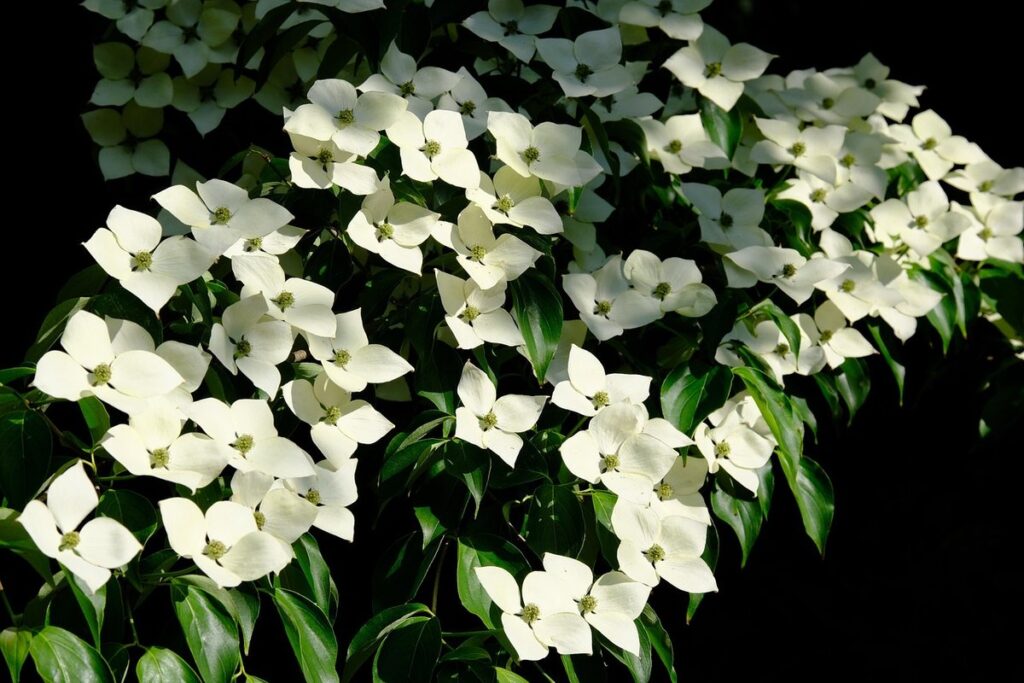
What is a Chinese Dogwood Flower?
Let’s take a closer look at what makes a Chinese dogwood flower truly unique and how it stands out from other flowering trees. We’ll start by explaining its fascinating characteristics.
Overview of the Plant
The Chinese dogwood plant is a stunning addition to any garden or landscape. Also known as Cornus kousa, this flowering tree is native to East Asia and has been prized for its beauty and durability for centuries. Originally found in the mountainous regions of China, Korea, and Japan, the Chinese dogwood has been cultivated worldwide for its unique characteristics.
The plant grows into a deciduous shrub or small tree, typically reaching heights between 15 to 25 feet. Its oval-shaped leaves are a vibrant green on top with a grayish-green underside, providing year-round interest in the garden. In late spring and early summer, showy white, pink, or red flowers emerge from clusters of tiny bracts, creating a dramatic display that attracts pollinators and hummingbirds alike.
To grow Chinese dogwood successfully, choose a location with well-draining soil and full sun to partial shade. Plant multiple trees for the best flower display, as this tree produces more blooms when cross-pollinated. Regular watering and fertilization will also ensure optimal growth and flowering performance.
Description of the Flower
The Chinese dogwood flower is a stunning and intricate bloom that adds to the tree’s charm. Measuring around 2-4 inches (5-10 cm) in diameter, these flowers are typically cup-shaped, with five petal-like bracts that form a rounded shape at the base. The color of the Chinese dogwood flower can vary from white to pink to red, often with a slight yellow or purple tint.
One notable feature of the Chinese dogwood flower is its showy clusters, which can be composed of anywhere from 5-20 individual flowers. These blooms are not only visually striking but also highly fragrant, emitting a sweet and slightly spicy scent that attracts pollinators like bees and butterflies. When in full bloom, the tree’s branches are covered with a profusion of flowers, creating a vibrant display of color and texture.
In terms of shape, the Chinese dogwood flower is often described as having a loose, irregular shape, which adds to its charm and uniqueness. Whether growing on a mature tree or a younger sapling, these flowers are sure to captivate and delight with their delicate beauty.
Types of Chinese Dogwood Flowers
You’re probably eager to learn more about the stunning variety of Chinese dogwood flowers, and fortunately for you, there are several types to discover. Let’s take a closer look at each one.
Varieties with Unique Characteristics
One of the most exciting aspects of Chinese dogwood flowers is their incredible diversity. Among the many varieties available, some stand out for their unique characteristics that make them particularly interesting to gardeners and nature enthusiasts alike.
For instance, ‘Tardiva’ boasts an extended blooming period, producing white flowers from late summer through fall, while ‘Variegata’ features variegated foliage with white margins, adding a touch of elegance to the landscape. Meanwhile, ‘Stellaluna’ boasts deep pink flowers that fade to white, creating a captivating color transition.
Another notable variety is ‘Auricoma’, known for its vibrant yellow flowers that bloom in early spring and its compact growth habit, making it ideal for small gardens or containers. If you’re looking for a unique feature, consider ‘Kleine Schwarz’ with its dark purple flowers and blackish-purple stems, adding an intriguing pop of color to the garden.
These exceptional varieties are just a few examples of what Chinese dogwood has to offer. Experimenting with different types can lead to finding the perfect fit for your garden’s specific needs and style, ensuring years of beauty and enjoyment from these stunning flowers.
Ornamental Value and Uses
The ornamental value of Chinese dogwood flowers lies in their versatility and adaptability to various landscaping needs. Different types of Chinese dogwood flowers can be used as accent plants, hedges, or specimen trees, adding beauty and character to gardens, parks, and other outdoor spaces.
For example, the Kousa Dogwood (Cornus kousa) is a popular choice for its showy white or pink bracts that bloom in late spring. This compact tree grows well in container gardens, making it ideal for small yards or patios. On the other hand, the Red Osier Dogwood (Cornus sericea) boasts vibrant red stems that add a pop of color to winter landscapes.
When selecting Chinese dogwood flowers for ornamental use, consider factors such as mature size, growth habit, and bloom time to ensure they thrive in your specific climate and conditions. Plant multiple varieties together to create a stunning display of colors and textures, or pair them with other flowering shrubs and trees for a cohesive landscape design.
By incorporating Chinese dogwood flowers into your outdoor space, you can add year-round interest, attract pollinators, and enhance the aesthetic appeal of your garden or yard.
Growing Conditions for Chinese Dogwood Flowers
To encourage Chinese dogwood flowers to bloom, you’ll want to provide them with the right growing conditions, including full sun and well-drained soil. This section will cover those essential details.
Climate and Soil Requirements
When it comes to growing Chinese dogwood flowers, you’ll want to consider the ideal climate and soil requirements. These plants thrive in temperate climates with warm summers and cool winters.
In terms of temperature, Chinese dogwood flowers prefer areas with moderate temperatures ranging from -20°F to 80°F (-29°C to 27°C). They can tolerate some heat but may drop their leaves if exposed to extreme temperatures above 90°F (32°C).
As for soil type, Chinese dogwood flowers prefer well-draining acidic soils with a pH range of 5.5 to 6.5. Avoid planting in areas with heavy clay or alkaline soils, as this can cause root rot and other issues.
To achieve the right conditions, test your soil pH and amend it if necessary. Mix in some organic matter like compost or peat moss to improve drainage and fertility. A south-facing location with morning sun will also provide the ideal light requirements for these beautiful flowers. By providing the right climate and soil conditions, you’ll be well on your way to enjoying a vibrant display of Chinese dogwood flowers every spring.
Planting and Care Instructions
To ensure that your Chinese dogwood flowers thrive, follow these essential planting and care instructions. When selecting a location for your plants, choose a spot with full sun to partial shade and well-drained soil. Dig a hole twice as wide and just as deep as the root ball of your dogwood tree.
Next, gently remove any tangled roots from the root system, then place the plant in the hole. Fill with a mix of 50% original soil and 50% compost or fertilizer to provide essential nutrients for growth. Water thoroughly after planting and keep the soil consistently moist during its first growing season.
As your dogwood tree matures, prune it annually to maintain shape and promote healthy growth. Remove any dead, diseased, or damaged branches, cutting them at a 45-degree angle just above an outward-facing bud. Fertilize with a balanced, slow-release fertilizer in early spring and again after pruning for optimal results.
Water your dogwood tree regularly during dry spells, but avoid overwatering which can lead to root rot and disease. Keep the area around the plant free of weeds and debris to prevent competition for nutrients and promote overall health. By following these planting and care instructions, you’ll be well on your way to enjoying beautiful Chinese dogwood flowers in your garden or landscape.
Benefits and Uses of Chinese Dogwood Flowers
The beautiful blooms of Chinese dogwood flowers are not only stunning, but they also offer a range of practical benefits for your garden. Let’s explore some of these advantages together!
Medicinal Properties and Uses
The Chinese dogwood flower has been used in traditional medicine for centuries, and modern research has confirmed its potential medicinal properties. Studies have shown that extracts from the flowers possess antiviral activity, making them a promising natural remedy against viral infections. The flavonoids present in the flowers are believed to be responsible for this effect, which could potentially inhibit the replication of viruses.
In traditional Chinese medicine, the Chinese dogwood flower is used to treat various conditions, including fever, rheumatism, and gastrointestinal disorders. Its antiviral properties make it a potential treatment option for viral diseases such as influenza and herpes simplex. However, more research is needed to fully understand its therapeutic effects and determine safe dosages.
If you’re interested in using Chinese dogwood flowers medicinally, consult with a qualified herbalist or healthcare professional first. They can guide you on how to prepare the extracts safely and effectively. You can also consider growing your own Chinese dogwood plant to harvest the flowers for medicinal use.
Ornamental and Decorative Applications
The beauty of Chinese dogwood flowers lies not only in their delicate petals but also in their versatility when it comes to ornamental and decorative applications. With their vibrant colors and unique shape, they can add a touch of elegance to various arrangements and wreaths.
One popular way to incorporate Chinese dogwood flowers is into floral arrangements. Their stems are relatively long, making them perfect for adding depth and height to bouquets. Pair them with other spring-blooming flowers like tulips or daffodils for a stunning combination. Consider using greenery like eucalyptus or ferns to add some texture and contrast.
When creating wreaths, Chinese dogwood flowers can be used as a focal point. Simply wire the stems onto a grapevine base, securing them with floral wire or floral tape. You can also mix them with other dried flowers or branches for a more rustic look. To preserve the flowers, air-dry them or use a silica gel to maintain their shape and color.
Remember to pick fresh Chinese dogwood flowers in the morning, when they’re still dewy and vibrant, for the best results in your arrangements and wreaths. With their stunning appearance and easy-to-work-with stems, it’s no wonder why Chinese dogwood flowers have become a favorite among florists and DIY enthusiasts alike.
Pests and Diseases Affecting Chinese Dogwood Flowers
Chinese dogwood flowers can be susceptible to various pests and diseases, which can cause damage and affect their beauty. Let’s take a closer look at some common issues that may arise during their growth cycle.
Common Pests and Their Management
Aphids and whiteflies are common pests that can affect Chinese dogwood flowers. These tiny insects feed on plant sap, causing curled or distorted leaves and stunted growth. Spider mites, on the other hand, are microscopic arachnids that spin webs on infected plants, sucking out their sap.
To manage these pests, inspect your Chinese dogwood regularly for signs of infestation. Look for sticky honeydew droplets on the undersides of leaves or the trunk, which can be a sign of aphid or whitefly activity. For spider mites, check for fine webbing on the plant’s surfaces.
If you notice any of these pests, treat your Chinese dogwood with insecticidal soap or neem oil. These gentle yet effective solutions will help control infestations without harming beneficial insects like bees and butterflies that visit your flowers. Always follow product instructions and take necessary precautions to avoid exposure.
Remember, preventing pest issues is easier than treating them. Regular watering, fertilizing, and pruning can help keep your Chinese dogwood healthy and less susceptible to pest problems.
Disease Prevention and Treatment
Preventing diseases like powdery mildew, root rot, and leaf spot is crucial to maintaining the health of your Chinese dogwood flowers. These issues can arise due to factors such as excessive moisture, poor air circulation, and fungal spores.
To prevent these conditions, ensure good air circulation around your plants by pruning nearby trees or shrubs. This will reduce humidity levels and minimize the risk of fungal diseases. Regularly inspect your plants for any signs of powdery mildew, which appears as a white, powdery coating on leaves.
To prevent root rot, avoid overwatering, especially during the winter months when the plant is dormant. Use well-draining soil to prevent water from accumulating in the roots. Inspect your plant’s roots periodically and repot it if you notice any signs of decay.
Additionally, consider implementing integrated pest management techniques, such as spraying neem oil or insecticidal soap on your plants. These natural products can help control fungal diseases without harming the environment.
Regularly water and fertilize your Chinese dogwood flowers as needed to maintain their overall health and resilience against disease.
Propagation and Maintenance of Chinese Dogwood Flowers
To keep your beautiful Chinese dogwood flowers thriving, you’ll want to learn about the best methods for propagating new plants as well as regular maintenance tips.
Methods for Propagation
Propagating Chinese dogwood flowers can be achieved through various methods, allowing you to multiply this beautiful plant and share it with friends. One of the most common methods is seed germination. This process involves collecting seeds from mature fruits and sowing them in a well-draining mix. Keep the soil consistently moist, but not waterlogged, as this can lead to rot. It’s essential to note that seed-propagated Chinese dogwood flowers may not retain their parents’ unique characteristics.
For more control over the resulting plant’s traits, consider using stem cuttings or layering. Stem cuttings involve cutting a section from a mature branch and rooting it in a propagation tray filled with a well-draining mix. Water thoroughly, then maintain high humidity by covering the tray with plastic wrap or a cloche. Layering involves bending a long stem of Chinese dogwood over a trench or container and securing it with soil or a U-shaped wire. Roots will develop along the buried section, allowing you to separate and transplant it when mature.
Stem cuttings are typically more successful than seed germination, while layering can be more time-consuming but still effective.
Regular Maintenance Tasks
To keep your Chinese dogwood flowers healthy and thriving, regular maintenance tasks are essential. Pruning is one of the most critical tasks, as it promotes bushy growth and encourages new blooms. Prune your dogwood tree in late winter or early spring, removing any dead, diseased, or damaged branches.
Watering is also crucial, especially during its first year after planting. Water your Chinese dogwood regularly, but avoid overwatering, which can lead to root rot. Aim for about 1 inch of water per week, either through rainfall or irrigation. Mulching around the base of the tree helps retain moisture and suppress weeds.
Fertilizing is another vital task, providing essential nutrients for healthy growth and blooming. Use a balanced, slow-release fertilizer in early spring, following the manufacturer’s instructions. Avoid overfertilizing, which can damage the roots. By performing these regular maintenance tasks, you’ll be able to enjoy your Chinese dogwood flowers’ stunning beauty for years to come.
It’s also essential to monitor your tree for pests and diseases, such as powdery mildew or aphids. Regularly inspect your tree and take action promptly if you notice any issues.
Conclusion: Appreciating the Beauty of Chinese Dogwood Flowers
In conclusion, the beauty of Chinese dogwood flowers is truly something to appreciate. These stunning blooms not only add a touch of elegance to any landscape but also attract a variety of pollinators and birds to your garden. As we’ve discussed throughout this guide, choosing the right cultivar for your climate and soil type is crucial to ensure healthy growth and blooming. By doing so, you can enjoy the full splendor of these gorgeous flowers for years to come.
To make the most of your Chinese dogwood’s beauty, consider adding a few companion plants that will complement its blooms. For example, pair it with lavender or coneflowers for a striking combination of colors and textures. Alternatively, create a fragrant garden by planting roses, herbs like rosemary, or lilacs nearby.
Remember to appreciate the fleeting nature of these flowers by taking time to enjoy their blooms during peak season. Stand back, breathe in their sweet scent, and let the gentle rustle of leaves transport you to a peaceful oasis. By doing so, you’ll develop a deeper connection with your garden and its beautiful inhabitants.
Frequently Asked Questions
What is the ideal climate for growing Chinese dogwood flowers?
A temperate climate with warm summers and mild winters is suitable for Chinese dogwood growth, but it can tolerate a range of conditions from USDA zones 5-8. This versatility makes it an excellent choice for gardeners in various regions.
How do I prevent diseases affecting Chinese dogwood flowers?
To prevent disease, ensure good air circulation around the plant, water at the base rather than getting leaves wet, and remove any infected branches promptly. Regular pruning also helps maintain a healthy tree structure and reduces susceptibility to disease.
Can I grow Chinese dogwood flowers in containers?
Yes, with proper care and attention, you can successfully grow Chinese dogwood flowers in large containers (at least 12-14 inches deep). Choose a well-draining potting mix, provide adequate sunlight, and maintain regular watering schedules to achieve the desired results.
What are some common pests that target Chinese dogwood flowers?
Japanese beetles and scale insects are known to infest Chinese dogwood flowers. Regularly inspect your plant for signs of pest activity and treat promptly with targeted pesticides or horticultural oils to prevent further damage.
How do I propagate Chinese dogwood flowers for new plants?
Chinese dogwood can be propagated through seed, layering, or grafting. The most successful method is often through stem cuttings taken in late summer or fall, which allows the cutting to root before winter dormancy.