
If you’re considering a new egg-cellent addition to your diet, you might want to crack open the conversation about duck eggs. These popular alternatives to chicken eggs have been gaining traction for their impressive nutritional benefits and versatility in cooking. But are duck eggs good to eat? With their richer flavor and firmer texture compared to chicken eggs, it’s no wonder many people are curious about incorporating them into their meals.
In this article, we’ll dive deeper into the world of duck eggs, exploring their protein-packed nutrition and cultural significance around the globe. From baking to boiling, we’ll examine how these unique eggs can be used in a variety of dishes and share some expert tips for cooking with duck eggs. Whether you’re looking for a new culinary adventure or seeking out healthier food options, discover why duck eggs are becoming a favorite among chefs and home cooks alike.
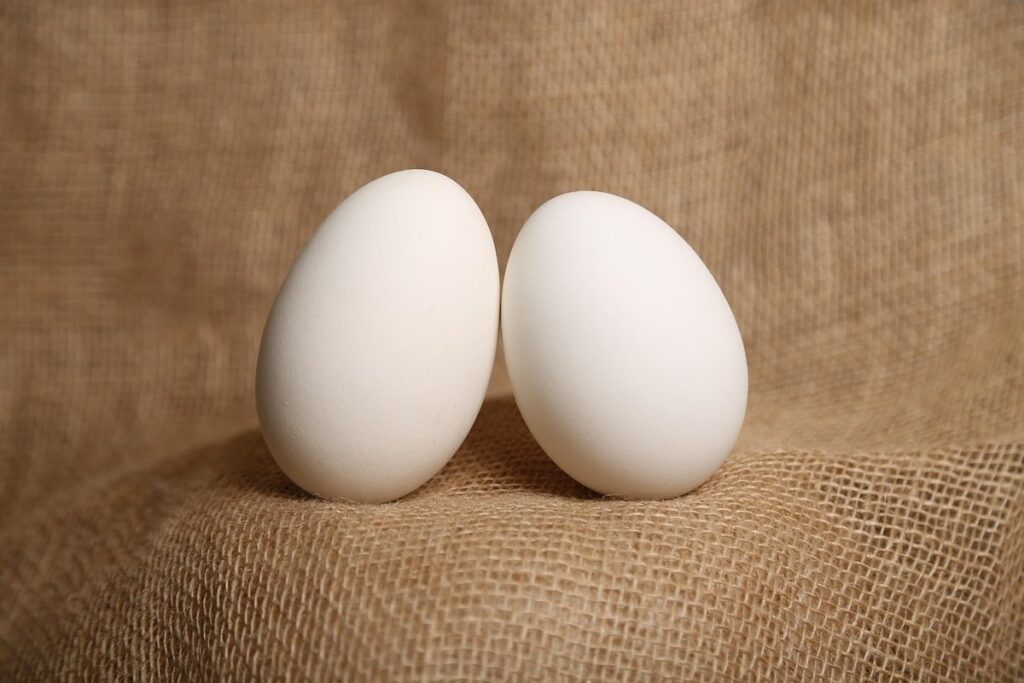
Benefits and Nutritional Value
Duck eggs offer a range of benefits, from high-quality protein to increased nutrition. Let’s dive into the details on what makes them a great choice for your diet.
Rich in Protein and Essential Amino Acids
Duck eggs are often touted as a more nutrition-dense alternative to chicken eggs. Let’s take a closer look at their protein content and amino acid profile.
When it comes to protein, duck eggs deliver a significantly higher amount compared to their chicken counterparts. On average, a large duck egg contains about 14 grams of protein, whereas a large chicken egg contains around 9-10 grams. This is because ducks are larger birds with more muscle mass, which translates to a greater requirement for protein in their diet.
But it’s not just the quantity of protein that matters – it’s also the quality. Duck eggs contain an impressive range of essential amino acids (EAAs), including histidine, isoleucine, leucine, lysine, methionine, phenylalanine, threonine, tryptophan, and valine. These EAAs are crucial for growth and repair in the human body.
In fact, a study published in the Journal of Food Science found that duck eggs contain higher levels of several EAAs compared to chicken eggs. This makes them an excellent choice for individuals looking to boost their protein intake or support muscle growth and recovery.
Higher Fat Content for Better Nutrition
When it comes to nutrition, most of us are familiar with the benefits of healthy fats. These essential nutrients play a crucial role in various bodily functions, from absorbing vitamins and minerals to maintaining brain health. However, when comparing duck eggs to chicken eggs, it’s clear that duck eggs boast a significantly higher fat content.
On average, duck eggs contain about 10-15% fat, whereas chicken eggs typically have around 5-6% fat. This increased fat content is due in part to the duck’s more efficient metabolism and its ability to convert nutrients into energy more effectively. As a result, duck eggs offer a more balanced nutritional profile compared to their chicken counterparts.
The importance of healthy fats in our diet cannot be overstated. Not only do they support heart health by lowering bad cholesterol levels, but they also aid in the absorption of essential vitamins and minerals. By incorporating duck eggs into your diet, you can enjoy these benefits while providing your body with a rich source of nutrients. Just remember to consume them in moderation as part of a balanced meal plan.
Other Nutritional Benefits
In addition to their high omega-3 content and protein profile, duck eggs are also an excellent source of other essential nutrients. When compared to chicken eggs, duck eggs have a slightly different nutrient profile. For instance, duck eggs contain more vitamins A and E than chicken eggs, with duck eggs providing around 10% of the recommended daily intake per large egg. Vitamin E is particularly important as it acts as an antioxidant in the body, protecting cells from damage caused by free radicals.
Duck eggs are also a good source of iron and zinc, two minerals that play crucial roles in maintaining healthy red blood cells and immune function respectively. Iron deficiency is a common problem worldwide, and incorporating duck eggs into your diet can be a simple way to boost your iron intake. To get the most out of duck egg nutrition, it’s essential to cook them lightly to preserve the delicate balance of nutrients. Scrambling or poaching duck eggs is an excellent way to do this, as overcooking can lead to nutrient loss.
When compared to chicken eggs, duck eggs have a slightly higher fat content which makes them more calorie-dense. However, this extra fat is mostly unsaturated, making it healthier for consumption.
Cooking Methods for Duck Eggs
When cooking duck eggs, there are a few key methods you should know to bring out their rich flavor and creamy texture. You’ll want to master techniques like boiling, steaming, and frying for perfectly cooked results.
Boiled and Poached: Simple Preparation Methods
Boiling duck eggs is a straightforward process that yields perfectly cooked eggs with a tender texture. To boil duck eggs, start by placing them gently into a single layer at the bottom of a saucepan or pot. Fill the pan with enough cold water to cover the eggs by about an inch and add 1-2 tablespoons of salt. Bring the water to a rolling boil over high heat, then reduce the temperature to a simmer. Let the eggs cook for 10-12 minutes for large duck eggs and adjust cooking time based on egg size.
Poaching duck eggs is another great way to prepare them. To poach, fill a saucepan with enough water to cover an egg by about an inch. Add vinegar or lemon juice to the water as it heats up – this helps set the whites quickly. Bring the water to a simmer and create a whirlpool in the pan by stirring the water with a spoon. Crack an egg into the center of the whirlpool, then cook for 3-5 minutes or until the whites are set and the yolks reach your desired doneness.
Keep in mind that duck eggs tend to have thicker whites than chicken eggs, so cooking times may vary slightly. Regardless of method, ensure you immediately submerge cooked eggs in an ice bath after removal from heat to stop cooking and prevent overcooking.
Scrambled and Fried: Versatile Options for Brunch or Breakfast
When it comes to cooking duck eggs, scrambling and frying are two of the most versatile methods that yield delicious results. To scramble duck eggs, start by cracking 2-3 eggs into a bowl and whisk them together with a fork until the whites and yolks are fully incorporated. Add a pinch of salt and pepper to taste, then heat a non-stick pan over medium heat with a small amount of oil or butter. Once hot, pour in the egg mixture and let it cook for about 30 seconds before breaking it up into fluffy curds with a spatula.
For frying duck eggs, crack an egg directly into a hot skillet coated with a thin layer of oil over medium-low heat. Cook until the whites are set and the yolks reach your desired doneness, flipping halfway through. One great tip is to fry duck eggs in a cast-iron skillet, as they retain heat well and add a nice crust to the egg.
Whether scrambled or fried, duck eggs can be incorporated into various dishes, such as breakfast burritos, omelets, or even as a topping for salads. They’re also an excellent choice for brunch options like quiches, strata, or frittatas.
Baked and Steamed: Low-Carb and Healthy Cooking Methods
When it comes to cooking duck eggs, two popular methods that offer numerous benefits are baking and steaming. These low-carb and healthy techniques allow you to prepare duck eggs without adding excess calories or carbs.
Baking is an excellent way to cook duck eggs because it retains their nutrients while making them tender and easy to digest. Simply crack 2-3 duck eggs into a ramekin, add some salt and pepper to taste, and bake at 375°F (190°C) for 15-20 minutes. This method is perfect for those who want a protein-rich snack or meal without the hassle of cooking a full-fledged dish.
Steaming is another great option for cooking duck eggs. It helps retain their moisture and flavor while minimizing nutrient loss. To steam duck eggs, place them in a steamer basket over boiling water, cover with a lid, and cook for 10-12 minutes. This method is ideal for preparing large quantities of duck eggs or for those who want to add some variety to their meals.
Both baking and steaming are great alternatives to traditional frying methods, which can add extra calories and carbs to your diet. By incorporating these techniques into your cooking repertoire, you’ll be able to enjoy the nutritional benefits of duck eggs while maintaining a healthy lifestyle.
Health Considerations
When considering duck eggs as a regular part of your diet, there are several health factors to be aware of and discuss with your doctor before making a decision. This includes potential risks for certain populations and conditions.
Cholesterol Content: A Common Concern for Egg Lovers
One common concern about duck eggs is their cholesterol content, with some people assuming they have higher levels than chicken eggs. However, research suggests this may not be the case.
A 2019 study published in the Journal of Food Science found that duck eggs had a similar cholesterol profile to chicken eggs. The study analyzed the cholesterol and fatty acid composition of both egg types and concluded that duck eggs are not significantly higher in cholesterol.
This is consistent with previous studies, which have shown that moderate consumption of egg yolks (including those from ducks) does not increase cardiovascular risk for most people. In fact, eggs are a rich source of essential nutrients like choline, protein, and vitamins B12 and D, making them a nutritious addition to a balanced diet.
To put this into perspective, the American Heart Association recommends limiting dietary cholesterol to 300 milligrams per day. A large egg yolk contains about 180 milligrams of cholesterol, so it’s possible to enjoy duck eggs as part of a heart-healthy diet in moderation.
Allergy Concerns and Cross-Reactivity with Chicken Eggs
If you’re considering incorporating duck eggs into your diet, it’s essential to address potential allergy concerns. One critical aspect is cross-reactivity with chicken eggs, which can be a challenge for individuals who are already sensitive to them. Cross-reactivity occurs when the immune system mistakenly identifies proteins in duck eggs as similar to those found in chicken eggs.
If you have an egg allergy or experience symptoms after consuming chicken eggs, it’s crucial to consult a healthcare professional before trying duck eggs. They may recommend testing your sensitivity to duck eggs through an elimination diet or blood tests. This approach can help you determine whether you’re at risk for cross-reactivity and develop a personalized plan to safely enjoy duck eggs.
Even if you don’t have an established egg allergy, it’s still possible to experience symptoms like hives, itching, or digestive issues after consuming duck eggs. If these symptoms persist, consult your healthcare provider for guidance on managing them.
Cultural Significance and Availability
Now that you know a bit about duck eggs, let’s dive into their cultural significance and how widely available they are, including where to find them.
Global Consumption and Traditional Dishes
Duck eggs are a staple ingredient in many traditional dishes around the world, reflecting their rich cultural significance. In Southeast Asia, for example, duck eggs are used extensively in stir-fries and curries, such as Hainanese chicken rice and Indonesian beef rendang. The use of duck eggs in these recipes not only adds flavor but also provides a richer texture compared to chicken eggs.
In some African countries, like Nigeria and Ghana, duck eggs are boiled or roasted and served with fufu, a starchy dish made from cassava flour or yams. In China, the use of duck eggs dates back centuries, and they’re often used in braises, where they’re slow-cooked with meats and vegetables.
To incorporate duck eggs into your cooking, start by experimenting with Asian-inspired recipes that call for duck eggs, such as omelets or scrambles. When using duck eggs, keep in mind that their richer flavor can overpower other ingredients, so balance them accordingly. Don’t be afraid to get creative and combine duck eggs with your favorite ingredients to create new dishes.
Where to Find Duck Eggs and Online Resources
If you’re eager to get your hands on some duck eggs, there are several options available. Local farms and specialty stores often carry them, especially those that focus on organic or heritage breed products. Consider visiting farmers’ markets or online directories like Local Harvest to find a farm near you that sells duck eggs.
For those who prefer the convenience of shopping online, numerous websites now sell duck eggs directly to consumers. Some popular options include Amazon, ButcherBox, and Egg Innovations. Be sure to research each seller’s shipping policies and product guarantees before making a purchase.
Additionally, online forums and social media groups dedicated to cooking and food enthusiasts can be excellent resources for learning more about working with duck eggs. Websites like Reddit’s r/Cooking and r/Foodie, as well as Facebook groups focused on egg-related topics, offer a wealth of information and advice from experienced cooks and chefs.
When shopping online or in-person, don’t forget to inspect the eggs carefully before purchasing. Look for clean storage conditions, fresh packaging, and no visible cracks or damage. With a little research and planning, you can easily incorporate duck eggs into your diet and explore their unique flavors and textures.
Comparison with Chicken Eggs
When it comes to choosing between duck eggs and chicken eggs, let’s dive into the key differences that might make one a better fit for your cooking needs. How do they compare in taste, nutrition, and usage?
Taste, Texture, and Appearance: A Comparative Analysis
When it comes to taste, texture, and appearance, duck eggs differ significantly from their chicken counterparts. In terms of taste, many people describe duck eggs as richer, creamier, and more buttery than chicken eggs. This is due to the higher fat content in duck eggs, which makes them more indulgent and satisfying.
In contrast, chicken eggs tend to be leaner and have a slightly sweet flavor. But what about texture? Duck egg whites are often described as firmer and more rubbery than chicken egg whites, while the yolks are thicker and creamier. This can make duck eggs feel more substantial on the palate.
Appearance-wise, duck eggs typically have a thicker, smoother shell than chicken eggs, which can be a bit rougher to the touch. The yolk of a duck egg is also larger in proportion to the white, giving them a distinctive appearance when sliced open. Overall, the unique taste, texture, and appearance of duck eggs make them a standout choice for adventurous eaters and chefs looking to add some excitement to their dishes.
Practical Considerations: Storage, Handling, and Cost
When it comes to incorporating duck eggs into your diet, there are several practical considerations to keep in mind. One key difference between duck and chicken eggs is their size: duck eggs are typically larger and heavier than their chicken counterparts. This can make them more difficult to store and handle, especially if you’re planning on using them for baking or cooking.
In terms of storage, it’s essential to note that duck eggs have a thicker shell membrane, which makes them less prone to moisture loss. However, this also means they may not be as easily transportable as chicken eggs. When storing duck eggs, make sure to keep them in the refrigerator at a consistent temperature below 40°F (4°C). It’s also crucial to handle them gently to avoid cracking.
Cost-wise, duck eggs are often pricier than chicken eggs due to factors like breed, feed quality, and production volume. On average, you can expect to pay around $3-$5 per half-dozen duck eggs compared to $1-$2 for chicken eggs. While the higher price may be a deterrent for some, many chefs and home cooks swear by the rich flavor and texture of duck eggs, making them well worth the extra cost.
Conclusion
Now that we’ve explored the nutritional benefits and cooking options, let’s summarize the key takeaways from our discussion on duck eggs. Here are the final thoughts on their edibility.
Recap of Key Findings and Recommendations
Incorporating duck eggs into your diet can be a nutritious and delicious addition to your meal routine. Throughout this article, we’ve explored the benefits of duck eggs compared to chicken eggs, including their higher protein content, richer nutritional profile, and versatility in cooking. We’ve also addressed potential health concerns associated with consuming duck eggs, such as the risk of salmonella contamination and high cholesterol levels.
One key takeaway is that duck eggs can be a great alternative for those looking to mix up their egg game or follow a specific dietary requirement. For instance, individuals with gluten intolerance may find it easier to digest duck eggs due to their lower levels of lysozyme, an enzyme that breaks down gluten. Moreover, the richer yolk and higher fat content in duck eggs make them an excellent choice for those seeking a more satisfying breakfast or snack.
While some may worry about the potential health risks associated with duck eggs, it’s essential to note that these concerns can be mitigated by proper handling, cooking, and storage. To get started, begin by incorporating one to two duck eggs into your diet per week and observe how you feel. You can try substituting them for chicken eggs in omelets, scrambled eggs, or baked goods.
When selecting duck eggs, opt for those from local farms that follow safe handling practices and provide a balanced feed to their ducks. This ensures the highest quality and reduces the risk of contamination. By making informed choices and being mindful of cooking methods, you can reap the benefits of duck eggs while minimizing potential risks.
Frequently Asked Questions
Can I use duck eggs as a direct substitute for chicken eggs in all recipes?
While duck eggs can be used in many recipes, their higher fat content and richer flavor may affect the final product’s texture and taste. It’s best to start with a small batch or experiment with a simple recipe before making large-scale substitutions.
How do I store duck eggs properly to ensure they remain fresh for a longer period?
Duck eggs can be stored in the refrigerator, just like chicken eggs. Keep them in their original carton or a covered container to maintain humidity and prevent damage. It’s essential to consume duck eggs within 5-7 days of purchase or freezing them for up to 12 months.
Can I use duck eggs as a low-carb option for baking?
Yes, duck eggs can be an excellent choice for baked goods, especially those requiring high-quality protein. Their higher fat content also contributes to richer flavors and textures in cakes, cookies, and pastries. However, keep in mind that duck eggs may affect the final product’s structure and appearance.
What are some common allergy concerns related to duck eggs?
Similar to chicken eggs, duck eggs can cause allergic reactions in some individuals. Cross-reactivity with chicken egg allergies is also possible, making it essential for people with known allergies to consult a healthcare professional before consuming duck eggs.
How do I cook duck eggs safely to prevent foodborne illness?
To avoid the risk of salmonella and other bacteria, always handle duck eggs safely: wash your hands thoroughly after handling; keep eggs refrigerated at 40°F (4°C) or below; and cook duck eggs until the yolks are firm and the whites are set.