
Ducks love bread – it’s a fact that many of us have witnessed at parks, lakes, or even our own backyards. But have you ever stopped to think about why they adore it so much? And more importantly, is feeding ducks bread actually good for them and the environment? While it may be tempting to share your crusty loaf with these feathered friends, the truth is that traditional duck feeding methods can have some pretty surprising consequences – not just for the ducks themselves but also for their ecosystems. In this article, we’ll delve into the world of ducks and bread, exploring why they’re so drawn to it and what you can do instead to feed them in a healthier, more sustainable way.
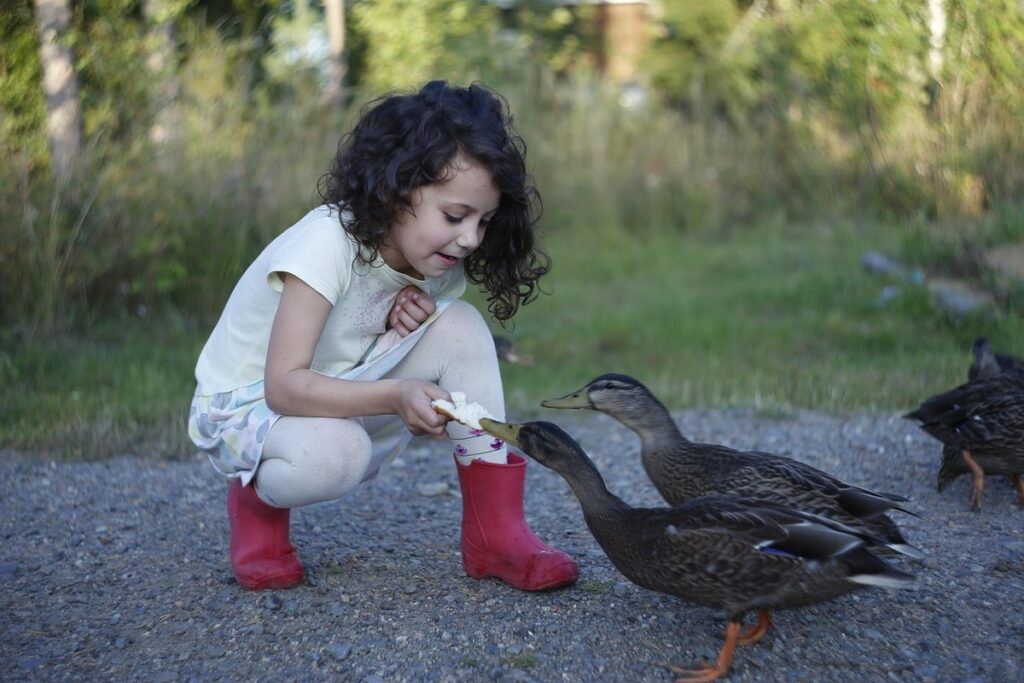
What is Duck Bread?
So, you’re curious about duck bread, but what exactly is it? Let’s start by diving into the basics and exploring the origins of this popular bread.
Brief History of Duck Bread
Duck bread has its roots in ancient cultures where ducks were considered a staple food source. The earliest recorded evidence of duck bread-making dates back to around 2000 BCE in China, where it was known as “yuyi bao” or “duck bun.” This traditional Chinese pastry consisted of a soft dough wrapped around roasted duck, often served during special occasions and holidays.
As civilizations evolved and trade routes expanded, so did the concept of duck bread. In medieval Europe, cooks adopted various methods to prepare duck-based breads, incorporating local ingredients and flavors. One such example is the French “pain d’agneau,” which was essentially a bread loaf infused with shredded duck meat and herbs.
Over time, regional twists on duck bread emerged, reflecting the unique cultural identities of their creators. For instance, in Japan, you can find “torikatsu” – a crispy, deep-fried breaded duck cutlet sandwich often served as an appetizer or snack. In some African countries, duck bread is made with locally-grown spices and herbs to create a distinct flavor profile.
Today, duck bread has transcended its humble origins to become a global phenomenon, reflecting the adaptability and creativity of human cuisine.
Types of Duck Bread
Duck bread comes in various forms, each suited to different needs and preferences. For backyard duck keepers, stale bread is a convenient option for feeding their ducks. However, it’s essential to use day-old bread to prevent attracting pests or causing digestive issues. Specialized bread mixes specifically designed for ducks are also available in the market. These mixes often contain added nutrients that can be beneficial for ducks.
In some parts of the world, alternative types of duck bread are used. For instance, in Japan, a sweet bread called “anko” is given to ducks as a treat. In other regions, crushed crackers or wheat germ are used as duck food. If you’re considering using these alternatives, make sure they don’t contain any added preservatives or artificial flavorings that can harm your ducks.
When choosing a type of duck bread, consider the nutritional needs and preferences of your feathered friends. You may also want to experiment with different types to see what works best for your flock.
Why Do Ducks Love Bread?
Ducks love bread, but why do they go wild for it? We’ll dive into the reasons behind their affinity for this staple food.
Nutritional Value of Bread for Ducks
While bread may seem like a harmless snack for our feathered friends, its nutritional value is worth considering. As a treat, bread can provide ducks with a quick energy boost due to its high carbohydrate content. However, this excessive sugar intake can lead to digestive issues, such as diarrhea and stomach cramps. In fact, studies have shown that feeding ducks bread regularly can alter their gut microbiome, making them more susceptible to diseases.
When it comes to choosing bread for your duck visitors, opt for whole-grain or brown bread instead of white bread. These options contain more fiber and nutrients compared to refined white bread. However, even with healthier choices, bread should only be given in moderation as an occasional treat. It’s essential to maintain a balanced diet for ducks that includes a variety of fruits, vegetables, and commercial duck feed.
A good rule of thumb is to limit bread treats to no more than 10% of your duck’s total daily intake. This way, you can satisfy their craving without compromising their digestive health. Remember, it’s always best to prioritize nutrient-rich foods over bread as the main staple in a duck’s diet. By doing so, you’ll be ensuring the long-term health and well-being of these wonderful waterfowl friends.
Behavioral Aspects of Duck-Bread Interaction
Ducks are drawn to bread due to its high caloric content, which is an unusual characteristic among their natural food sources. In the wild, ducks primarily feed on aquatic plants, insects, and small crustaceans, whereas bread provides a readily available energy source.
The allure of bread can alter duck behavior in various ways. For instance, it might cause them to become habituated to human interaction, leading to aggressive behavior when bread is withheld or unavailable. Furthermore, feeding ducks bread often disrupts their social structures as dominant birds may aggressively defend food sources from subordinates.
Moreover, relying on humans for bread can significantly impact a duck’s natural feeding habits. As they begin to associate people with an easy meal source, their natural inclination to forage and find food in the wild is diminished, potentially affecting their overall health and well-being.
It’s worth noting that some bird species have adapted to thrive on human-provided food sources, but for ducks, it’s essential to maintain a balance between bread feeding and preserving their natural behaviors.
The Impact of Feeding Ducks Bread
When we feed ducks bread, it may seem harmless, but the consequences can be surprising. In this next part, let’s explore how our good intentions affect these feathered friends.
Effects on Local Ecosystems
Feeding bread to ducks may seem harmless, but it has severe consequences on local ecosystems. When bread is thrown into waterways, it breaks down slowly, leading to excessive nutrients that fuel algae growth. This creates a perfect environment for harmful algal blooms (HABs), which can be toxic to both humans and animals. In 2015, a HAB in Lake Erie contaminated drinking water supplies, causing widespread health concerns.
Excess nutrients from bread also contribute to the overgrowth of aquatic plants, depleting oxygen levels in the water. This can lead to the decline or even extinction of native species that rely on specific oxygen levels to survive. The introduction of invasive species through bread-feeding is another issue; ducks may become dependent on humans for food, altering their natural behavior and potentially outcompeting native bird populations.
By choosing not to feed bread to ducks, we can help preserve the delicate balance of local ecosystems. Instead, consider offering them their natural diet – aquatic plants, insects, and small invertebrates.
Health Risks for Humans and Animals
Consuming bread contaminated with bacteria or other pathogens can have serious health implications for both humans and animals. For instance, when ducks feed on bread that’s been left out for too long, it can harbor bacteria like E. coli, Salmonella, and Campylobacter. These pathogens can cause food poisoning in humans who accidentally ingest the contaminated bread.
Furthermore, feeding ducks bread increases the risk of spreading diseases among duck populations. For example, when ducks gather to feed on bread, they’re more likely to come into close contact with one another, which facilitates the transmission of diseases like avian cholera and botulism. In severe cases, these diseases can lead to mass die-offs.
To minimize health risks, it’s essential to refrain from feeding ducks bread altogether. If you must provide food for ducks, opt for nutritious alternatives like lettuce, spinach, or birdseed specifically formulated for waterfowl. Always wash your hands thoroughly after handling bread or interacting with ducks, and ensure that any leftover food is disposed of properly to prevent attracting pests.
Homemade Duck Bread Recipes
Get ready to indulge in some quack-tastic baking as we share our favorite homemade duck bread recipes, perfect for snacking or gifting to fellow fowl enthusiasts.
Basic Recipe for Stale Bread for Ducks
When it comes to feeding your feathered friends, stale bread is often a convenient and nutritious option. However, not all bread is created equal for our fine-feathered friends. To ensure that you’re providing the best possible treat, follow this simple recipe for stale bread suitable for ducks.
To start, purchase a day-old baguette or crusty loaf from your local bakery. This type of bread is perfect because it’s dense and less likely to fall apart when dipped into water. Next, slice the bread into 1-2 inch pieces, depending on the size of your duck’s beak. It’s essential to cut the bread into manageable sizes to prevent choking hazards.
For storage, keep the stale bread in an airtight container at room temperature or freeze it for up to two weeks. When preparing the bread, simply dip each piece into a bowl of water and serve to your duck. You can also soak the bread overnight in water to make it even more palatable. Remember to provide fresh water and vegetables as part of your duck’s balanced diet.
Specialized Recipes for Healthy Duck Treats
When it comes to feeding our feathered friends, we want to provide them with treats that not only tantalize their taste buds but also support their overall health and well-being. Traditional duck bread can be high in carbohydrates and added sugars, which may lead to digestive issues or contribute to weight gain. That’s why I’m excited to share some specialized recipes for healthy duck treats that are perfect for a balanced diet.
One of the simplest ways to create healthier duck treats is by using sweet potato as a primary ingredient. Try mixing cooked and mashed sweet potatoes with oats, sunflower seeds, and dried herbs like parsley or thyme. This recipe offers a rich source of fiber, vitamins, and minerals while keeping carbohydrate levels in check.
Another great option is to incorporate leafy greens into your duck treats. Spinach and kale are both excellent choices, as they provide essential nutrients and antioxidants without adding extra sugar. Simply blend cooked spinach with oats, almond meal, and grated carrots for a nutritious snack that’s both tasty and healthy.
When creating your own duck treats, remember to choose ingredients that are fresh, whole, and free from additives. A few more tips include using coconut oil instead of butter or vegetable oils, reducing the amount of sugar in recipes, and avoiding fillers like cornmeal or wheat flour. By following these simple guidelines, you can create a variety of healthy duck treats that your feathered friends will love.
Creative Ways to Feed Your Backyard Ducks
Are you tired of giving your backyard ducks the same old bread treats every day? Let’s explore some creative ways to mix things up and keep them happy and healthy.
Using Bread-Free Feeding Options
If you’re looking for creative ways to feed your backyard ducks beyond bread, there are plenty of alternatives that are not only healthier but also more nutritious. Mealworms, for instance, can be a great source of protein and calcium for your feathered friends. You can offer them live or dried mealworms, depending on their preference.
Another option is duck pellets, which provide a balanced diet specifically formulated for ducks. These pellets are often enriched with vitamins and minerals that support healthy growth and development. However, it’s essential to choose high-quality pellets from reputable brands to ensure your ducks get the best nutrition.
You can also incorporate vegetables into your ducks’ diet. Leafy greens like kale, spinach, and collard greens are rich in fiber, vitamins, and antioxidants. Carrots, sweet potatoes, and apples are also excellent choices. Remember to introduce new foods gradually to prevent digestive issues and offer a variety of treats to keep things interesting for your ducks.
Encouraging Natural Foraging Behavior
Encouraging natural foraging behavior in your backyard ducks is essential to promote their overall health and well-being. By doing so, you can also reduce their dependence on bread, which can lead to malnutrition and other health issues.
Start by providing a variety of plants that are safe for ducks to eat, such as leafy greens like kale, spinach, and collard greens. You can also offer fruits like berries, apples, and bananas. Place these plants in areas where your ducks can easily access them, such as near their coop or in a designated foraging area.
Another way to encourage natural foraging is to create a “duck-friendly” garden by incorporating native plants that are attractive to ducks. Some examples include dandelions, clover, and cattails. These plants not only provide a source of food but also help maintain the ecosystem balance.
As you introduce new plants, observe your ducks’ preferences and adjust accordingly. You may need to experiment with different types of plants or placement to ensure they’re using them as intended. By doing so, you’ll create a thriving environment where your ducks can engage in natural foraging behavior and live their best lives.
Common Misconceptions About Ducks and Bread
You may have heard that feeding ducks bread is harmless, but the truth is more complicated than you think. Let’s debunk some common myths surrounding this popular practice.
Debunking Myths and Stereotypes
It’s time to set the record straight. One of the most common misconceptions about ducks and bread is that feeding them is harmless or even beneficial. However, this couldn’t be further from the truth. Feeding ducks bread can lead to a range of problems, including malnutrition, digestive issues, and even death.
Ducks have complex nutritional needs that cannot be met by a diet of bread alone. In fact, bread lacks essential nutrients like protein, fiber, and vitamins that are vital for duck health. As a result, fed-up ducks may resort to eating their own droppings or other pollutants in the water, which can lead to serious health issues.
The idea that feeding bread is harmless also overlooks the impact on local ecosystems. When ducks rely too heavily on human handouts, they become dependent on them and lose their natural foraging behavior. This can disrupt the delicate balance of the ecosystem and have a ripple effect on other wildlife. By refusing to feed bread to ducks, you’re not only protecting their health but also preserving the beauty of your local environment.
Separating Fact from Fiction
When it comes to duck-bread interactions, there’s often more myth than fact. One of the most enduring misconceptions is that ducks need bread to survive. However, a 2017 study published in the journal “Wildlife Society Bulletin” found that feeding bread to ducks can actually be detrimental to their health.
The study revealed that bread can lead to malnutrition and digestive problems in ducks, as it lacks essential nutrients like protein and fiber. In fact, the researchers discovered that ducks fed a diet of bread were more likely to develop liver disease and have impaired immune function.
So, what can you do instead? For one, try offering your feathered friends some healthier alternatives like fresh vegetables or fruits. Many parks and wildlife areas now offer duck-friendly feeding stations with these options. You can also consider supporting local duck conservation efforts by donating bread-free treats to their programs. By making a few simple changes, we can help protect the health of ducks while still enjoying our interactions with them.
Frequently Asked Questions
Can I still feed my ducks bread occasionally, even if it’s not the best option?
Yes, while it’s recommended to shift towards bread-free feeding options, an occasional treat of bread is unlikely to cause significant harm. However, be mindful of overfeeding and ensure your ducks have access to a balanced diet and clean water sources.
How do I transition my backyard ducks from bread to healthier treats without creating a riot?
To avoid withdrawal symptoms or chaos, gradually introduce new foods alongside bread, letting the ducks become accustomed to their flavors and textures. Start by adding small amounts of healthy treats like fruits, vegetables, or commercial duck pellets to their bread portions.
What’s the best way to store homemade duck treats to keep them fresh for a longer period?
Store your homemade treats in airtight containers at room temperature or refrigerate them if you prefer to freeze or store long-term. Label containers with dates and contents to ensure you use the oldest items first, preventing spoilage.
Can I make bread-free feeding options work for ducks that live in urban areas or have limited space?
Yes, even with minimal space, you can create a balanced environment by using vertical gardening, wall-mounted feeders, or specialized containers that fit your space. Incorporate edible plants and fruits to encourage natural foraging behavior.
Are there any health risks associated with feeding ducks bread when they’re molting or experiencing other life stages?
Yes, as ducks undergo molting or significant growth phases, their nutritional needs change. Feeding them bread during these periods can lead to digestive issues, malnutrition, or reduced immune function. Focus on offering nutrient-rich treats specifically formulated for their unique needs during these times.