
Are you thinking of bringing some adorable ducklings into your family? Before you do, have you thought about creating a safe and healthy environment for them to thrive in? A duckling’s habitat is crucial for their growth, well-being, and survival. From natural habitats like ponds and lakes to artificial environments like backyard ponds or enclosures, there are many options to consider.
In this article, we’ll guide you through the process of creating a thriving duckling habitat that meets all their needs. We’ll cover everything from designing a suitable environment to providing the right nutrition and considering essential health factors. Whether you’re a seasoned poultry owner or just starting out, our comprehensive guide will help you create a happy and healthy home for your feathered friends. By the end of this article, you’ll be well-equipped to give your ducklings the best possible start in life.
Understanding Duckling Needs
When creating a thriving duckling habitat, understanding their unique needs is crucial for their development and well-being. This includes their specific dietary requirements and temperature tolerance.
Natural Habitat vs. Artificial Environments
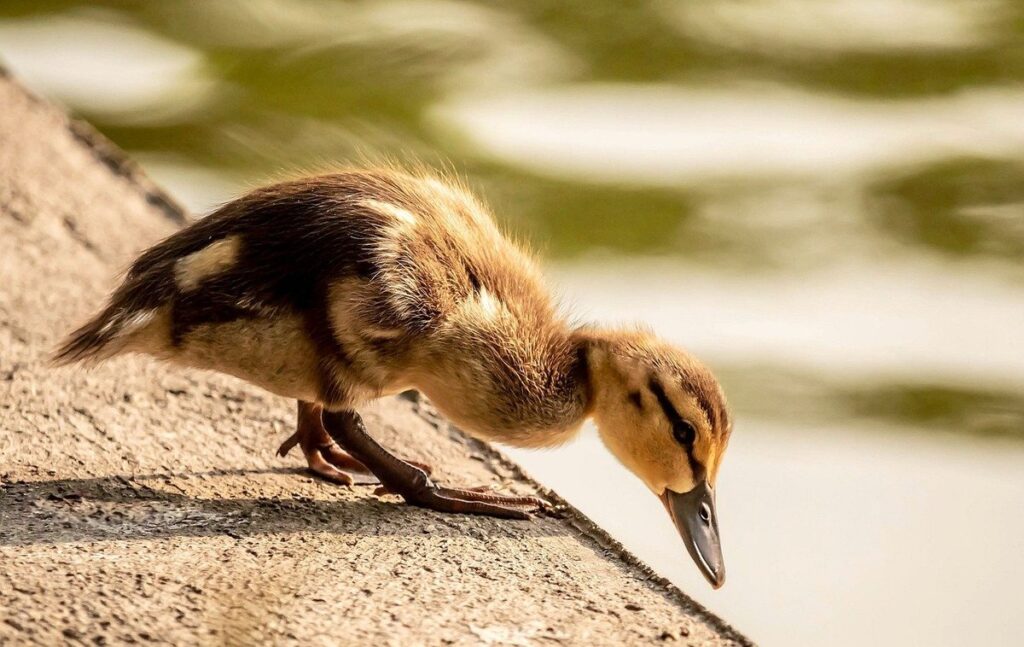
When considering creating a suitable environment for ducklings, it’s essential to understand their natural habitat and make informed decisions about artificial environments. In the wild, ducklings live in wetlands, ponds, and other bodies of water where they can swim, forage, and socialize with their peers.
These natural habitats are designed by nature, providing ducklings with a sense of security and comfort that’s hard to replicate in an artificial environment. For instance, the vegetation around a pond provides shelter from predators, while the shallow waters allow ducklings to exercise and hunt for food. By understanding these needs, you can create artificial habitats that mimic their natural surroundings.
For example, when building a duck pen or pool, consider incorporating features such as water depth, vegetation, and hiding places to make it more duckling-friendly. A pond with a gradual slope allows young ducks to enter the water safely, while built-in perches provide them with areas to rest and observe their surroundings.
By studying their natural habitats, you can create artificial environments that meet ducklings’ essential needs, making their lives safer and healthier in your care.
Factors Affecting Habitat Quality
When it comes to creating an optimal environment for ducklings, several factors significantly impact habitat quality. Temperature and humidity levels are crucial, as ducklings can quickly become stressed if they’re too hot or cold. Aim for a temperature range of 80°F to 90°F (27°C to 32°C) and maintain relative humidity between 50% and 60%. Avoid placing the enclosure near drafts or extreme temperature sources.
Lighting also plays a vital role in duckling development. Provide adequate natural light, but avoid direct sunlight during peak hours, as this can lead to overheating. If using artificial lighting, invest in low-wattage bulbs specifically designed for indoor use.
Water quality is another critical aspect of habitat quality. Ensure the water is fresh and clean by changing it regularly and maintaining a suitable pH level between 6.5 and 8.5. Regularly inspect the enclosure for signs of contamination or bacterial growth. Maintain a water depth that allows ducklings to swim comfortably, but not so deep they become exhausted.
Cleanliness is also essential, as ducklings are prone to respiratory issues if their environment becomes dirty. Clean the enclosure daily by removing waste and disinfecting surfaces with pet-safe cleaning products.
Choosing the Right Duckling Housing
When it comes to choosing the perfect duckling housing, there are several factors to consider to ensure your feathered friends have a safe and healthy environment. Let’s dive into the key considerations for selecting top-notch duckling quarters.
Pond-Based Housing Options
When it comes to pond-based housing options for your ducklings, there are several types to consider. A plastic pond is a popular choice due to its affordability and ease of maintenance. However, it may not provide the most naturalistic environment for your ducklings.
A wooden pool, on the other hand, offers a more rustic and natural appearance. It can be made from durable woods like cedar or cypress, which are resistant to rot and insect damage. Additionally, wooden pools can be designed with water features and plants to create a thriving ecosystem.
If you’re looking for a more immersive experience for your ducklings, consider building a naturalistic pond with plants and water features. This type of pond mimics the ducks’ natural habitat and allows them to exercise their natural behaviors. When choosing a pond-based housing option, remember to consider factors like size, depth, and durability to ensure your ducklings have a safe and thriving environment.
A minimum size of 4 feet by 8 feet is recommended for a small group of ducklings. The water should be at least 12 inches deep to allow them to swim comfortably.
Indoor vs. Outdoor Housing
When it comes to housing your ducklings, you have two primary options: indoor and outdoor. Both have their pros and cons, which we’ll dive into below.
Indoor housing offers a controlled environment that’s easy on the wallet and can be tailored to meet specific temperature requirements. However, it requires significant space and can get messy quickly. A general rule of thumb is to provide at least 2-3 square feet per duckling for indoor housing. You’ll also need to invest in ventilation and lighting systems to ensure air quality and prevent stress on your feathered friends.
Outdoor housing, on the other hand, provides natural light and allows your ducklings to engage in foraging behavior. However, it exposes them to predators like hawks, foxes, and raccoons. You’ll need to take extra precautions with fencing that’s at least 3 feet high and securely buried around the perimeter. Climate control is also a concern, as extreme temperatures can be detrimental to duckling health.
Ultimately, the choice between indoor and outdoor housing comes down to your specific situation and what works best for you and your feathered flock.
Creating a Safe Duckling Environment
When it comes to creating a safe and healthy environment for your ducklings, providing them with proper shelter and protection is essential. This section will cover the key elements to ensure their safety from predators.
Predator Protection Measures
When it comes to protecting ducklings from predators, taking proactive measures is crucial. Fencing is an effective way to secure your duckling habitat, but make sure the enclosure is at least 3 feet high and extends 12 inches below ground level to prevent digging. Consider using chicken wire or hardware cloth with openings of 1 inch or less.
Netting can also be used to cover top-heavy plants, such as bushes or shrubs, that may attract predators like hawks or owls. You can drape netting over a frame or attach it directly to the plant. Additionally, consider using protective devices like guard birds, which are trained to deter predators by attacking them.
Some other creative ways to safeguard your ducklings include installing motion-activated sprinklers or lights that shine bright enough to scare off nocturnal predators. Another option is to use visual deterrents like shiny reflective surfaces or predator decoys placed strategically around the enclosure.
Water Quality Management
Proper water quality management is crucial for maintaining a safe and healthy environment for your ducklings. When it comes to their habitat, ducks are incredibly sensitive to water conditions, making regular testing an essential part of their care.
You should test the water at least once a week, ideally every 2-3 days if possible. This allows you to catch any issues before they become major problems. There are several key parameters to monitor: pH levels, ammonia, nitrite, and nitrate concentrations. Aim for a pH range between 6.5 and 8.5.
Maintaining adequate oxygen levels is also vital. You can check the water’s dissolved oxygen by using a specialized meter or performing the “bubble test”: adding a few drops of dish soap to the surface, which will break down if there isn’t enough oxygen present. Aim for at least 5 parts per million (ppm).
Preventing contamination should be an ongoing effort. Keep their enclosure clean and free from debris, and ensure that any new additions – like toys or plants – are sanitized before introducing them to the ducklings’ environment. This will minimize the risk of waterborne diseases and keep your feathered friends happy and healthy.
Providing a Nutritious Diet
When it comes to raising healthy ducklings, feeding them a well-rounded and nutritious diet is crucial for their growth and development. We’ll walk you through creating a balanced food plan in this section.
Duckling Nutrition Requirements
When it comes to providing a nutritious diet for ducklings, it’s essential to understand their nutritional needs at different stages of development. From brooder to layer, each phase requires a balanced mix of protein sources, vitamins, and essential nutrients.
During the brooder stage (0-4 weeks), ducklings require high-quality starter feed that contains 18-20% protein. You can also supplement with crushed eggs or mealworms for added nutrition. Vitamin D3 is crucial during this period, as it supports bone growth and development. Ensure you provide a calcium-rich source, such as crushed eggshells or dark leafy greens.
As ducklings transition to the grower stage (4-12 weeks), their protein requirements decrease slightly to 16-18%. Continue to offer a balanced starter feed, along with fresh fruits and vegetables like carrots, apples, and spinach. Vitamin A is also essential for healthy growth and development during this period. For layer ducks (beyond 12 weeks), focus on providing a high-quality layer feed that contains around 14-16% protein.
When selecting duckling feed, look for products containing natural ingredients and minimal additives. Always provide fresh water and ensure access to calcium-rich sources to support strong bone growth.
Offering a Balanced Diet
When it comes to creating a balanced diet for ducklings, there are several key considerations to keep in mind. First and foremost, you’ll want to establish a regular feeding schedule that meets their nutritional needs at each stage of development.
A good rule of thumb is to feed ducklings 20% protein starter crumbles until they’re about three weeks old, then transition them to 16-18% grower pellets. You can supplement with crushed oyster shells or grit to provide essential minerals like calcium and phosphorus.
It’s also essential to introduce whole foods gradually, starting with soft fruits like mashed bananas or cooked carrots around two weeks of age. As they get older, you can add leafy greens like kale or spinach, but make sure to remove any seeds or pits that may cause choking.
Be sure to provide fresh water at all times and consider setting up a separate feeding area to prevent contamination. By following this balanced diet plan, you’ll be well on your way to raising healthy and thriving ducklings in their new habitat.
Health Considerations in Duckling Habitat Design
When designing a duckling habitat, it’s essential to consider several health-related factors that can impact your feathered friends’ well-being and happiness. This includes protecting them from predators, diseases, and other potential hazards.
Disease Prevention Strategies
When it comes to creating a safe and thriving environment for ducklings, disease prevention strategies are crucial. A clean and well-maintained habitat is essential to prevent the spread of diseases among ducklings.
First and foremost, maintaining proper sanitation is vital. This includes regular cleaning of food and water containers, as well as disinfecting any surfaces that come into contact with duckling droppings. You can use a 1:10 ratio of white vinegar to water solution or a commercial pet-safe disinfectant to clean the area.
Adequate ventilation is also essential in preventing the buildup of ammonia from duckling urine, which can cause respiratory problems and stress. Make sure your habitat has proper airflow by installing windows, vents, or fans to circulate fresh air.
Using disinfectants specifically designed for poultry habitats is another effective way to prevent disease transmission. Always read the label carefully and follow the instructions for application to ensure you’re using it safely and effectively.
Common Health Issues in Duckling Habitats
As you design and set up your duckling habitat, it’s essential to consider potential health issues that can arise. Respiratory infections are a common problem, especially during the first few weeks of life when ducklings are most vulnerable. Symptoms may include labored breathing, sneezing, and runny eyes or nostrils. In severe cases, respiratory infections can be fatal.
Parasites such as mites and lice can also infest your duckling habitat, causing discomfort and stress for the birds. Look for signs like excessive feather pecking, lethargy, or areas of bare skin on the ducklings’ heads, necks, or bellies.
Nutritional deficiencies are another critical concern. Ensure that your water is clean and fresh, and provide a balanced diet that meets the ducklings’ energy needs. Offer a variety of nutritious foods like starter crumbles, oats, and vegetables to prevent picky eating habits.
Regular observation of your ducklings will help you identify potential health issues early on. Keep an eye out for changes in appetite, droppings, or behavior. If you notice any unusual symptoms or concerns, consult with a veterinarian experienced in poultry care.
Conclusion: Creating a Thriving Duckling Environment
As you’ve now read through our comprehensive guide on creating a safe and thriving duckling environment, it’s time to put everything into practice. Remember that every detail matters when it comes to providing a happy and healthy home for your feathered friends. Make sure to keep their enclosure clean and well-maintained at all times, as this will prevent the spread of diseases and parasites. You should also provide ample space for exercise and exploration, such as a securely fenced area or a large pool for swimming. By following these simple yet essential tips, you’ll be creating an ideal environment that allows your ducklings to grow into strong and confident birds.
In addition, don’t forget about the importance of social interaction. Ducklings thrive on companionship, so consider getting multiple pairs or even keeping them with other friendly animals like chickens. This will help stimulate their minds and keep them entertained throughout the day. With these final tips in mind, you’re now well-equipped to create a thriving duckling environment that your family will love for years to come.
Frequently Asked Questions
Can I start introducing ducklings to my pond right away?
No, it’s essential to establish a safe and healthy environment before bringing your ducklings to the pond. This includes setting up adequate predator protection measures, ensuring proper water quality management, and providing a nutritious diet for your feathered friends. Give yourself at least 2-3 weeks to prepare before introducing ducklings to their new home.
How do I balance the needs of different age groups in my duckling habitat?
Ducklings have unique developmental stages, requiring different environmental conditions as they grow. Ensure you provide a gradual transition from juvenile to adult housing by creating separate areas for each age group or sectioning off specific zones within your main enclosure. This will help cater to their changing needs and prevent overcrowding.
Can I keep ducklings indoors during extreme weather conditions?
Yes, keeping ducklings indoors can be beneficial during harsh weather conditions like heavy rain, intense heat, or freezing temperatures. Ensure you provide enough ventilation to maintain air quality while protecting them from outdoor threats. A well-insulated indoor space with adequate light and a consistent temperature range is crucial for their comfort and safety.
What are some common mistakes I should avoid when setting up my duckling habitat?
Avoid underestimating the space requirements for growing ducklings, as they need ample room to move around and exercise. Don’t overlook water quality management, which can be critical in maintaining a healthy environment. Also, be cautious not to overcrowd your pond or enclosure, as this can lead to disease transmission among your feathered friends.
How do I manage the predator threat when introducing ducklings to my outdoor habitat?
Implement multiple layers of protection, including fencing around your pond or enclosure, netting above water surfaces, and secure latches on any openings. Consider using motion-activated sprinklers or other deterrents to scare away potential predators like foxes, raccoons, or hawks. Regularly inspect your surroundings for signs of predator activity and adjust your protection measures accordingly.