
Feeding ducks has become a beloved pastime for many, but have you ever wondered if using bird seed is safe and responsible? As it turns out, feeding ducks can be both beneficial and detrimental to their well-being. While it may seem harmless, offering duck bread or bird seed can lead to some serious consequences for these waterfowl.
In this article, we’ll explore the potential risks and benefits of feeding ducks bird seed, including its impact on their health, habitats, and even local ecosystems. We’ll also discuss why alternative options might be a better choice for our feathered friends.
As you learn more about responsible duck-feeding practices, you may be surprised by what you discover – so keep reading to find out whether feeding ducks bird seed is truly safe and sustainable.
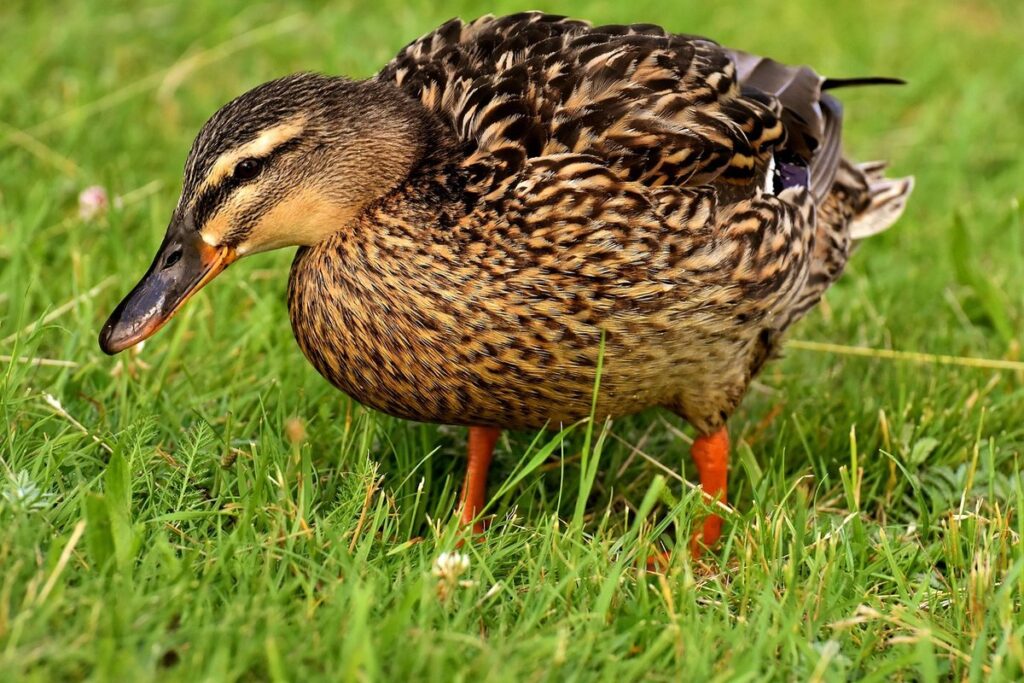
Understanding Duck Behavior and Nutrition
To keep our feathered friends happy and healthy, it’s essential to understand their natural behavior and nutritional needs when deciding what to feed them. Let’s dive into duck behavior and nutrition basics.
What Do Ducks Normally Eat in the Wild?
Ducks are omnivores and their natural diet consists of a variety of plants and animals. In the wild, they forage for food on land and in water. Their staple foods include aquatic plants like algae, duckweed, and water lilies. They also eat insects, snails, and small crustaceans. Additionally, ducks have been known to feed on grains like oats, barley, and wheat.
In terms of berries, ducks love to munch on wild fruits such as blueberries, raspberries, and blackberries. They also enjoy feeding on seeds, particularly those from grasses and weeds. It’s worth noting that ducks are most active during dawn and dusk when searching for food.
By understanding what ducks normally eat in the wild, we can better appreciate their preferences and needs. This knowledge is especially relevant when considering whether to feed them bird seed or not. While it may seem like a harmless gesture, feeding birds seeds high in processed grains can be detrimental to their health. In our next section, we’ll explore why this is the case and what alternatives are available for duck-friendly snacks.
The Importance of a Balanced Diet for Domesticated Ducks
When it comes to domesticated ducks, a balanced diet is crucial for their overall health and well-being. Unlike wild ducks that forage for food, domesticated ducks rely on their owners for nutrition. A diet rich in protein, carbohydrates, and healthy fats is essential to keep them thriving.
Ducks require about 15-20% of their daily calories from protein, which can come from sources like mealworms, crickets, or commercial duck pellets. Carbohydrates make up a significant portion of their diet, with grains like oats, barley, and wheat being good options. However, it’s essential to provide a variety of fruits and vegetables to ensure they get all the necessary vitamins and minerals.
A diet lacking in these essential nutrients can lead to health issues such as weak immunity, feather plucking, and even organ damage. On the other hand, providing a balanced diet can help prevent diseases like avian cholera and promote healthy growth and development. Consider supplementing their commercial feed with fresh vegetables like kale, spinach, or carrots, and fruits like berries or apples.
When it comes to feeding ducks bird seed, it’s essential to remember that many bird seeds are formulated for birds like sparrows or finches, not waterfowl. This can lead to nutritional deficiencies in domesticated ducks. It’s always best to consult with a veterinarian or experienced duck breeder to determine the specific dietary needs of your feathered friends.
Common Foods That Are Toxic to Ducks
When it comes to feeding ducks, it’s essential to be aware of certain foods that can be toxic to them. While bird seed may seem like a harmless offering, there are other common foods that you should avoid giving to ducks altogether.
For instance, avocado is highly toxic to ducks due to its high fat content and a compound called persin. If ingested, it can cause respiratory distress, heart problems, and even death. Similarly, onions belong to the Allium family, which contains a compound that can damage a duck’s red blood cells, leading to anemia.
Chocolate is another food item that should be kept away from ducks. It contains a stimulant called theobromine, which can cause vomiting, diarrhea, increased heart rate, and even seizures in ducks. Other foods to avoid include grapes, raisins, and currants, as well as macadamia nuts, which are toxic to ducks due to their high fat content.
Remember, when it comes to feeding ducks, stick to the basics – duck pellets or grains specifically formulated for waterfowl. If you’re unsure about what to feed your feathered friends, consult with a local animal shelter or a wildlife expert for guidance.
Bird Seed as an Alternative Food Source
While it may seem convenient to feed ducks bird seed, there are potential drawbacks and limitations you should be aware of. Let’s explore the feasibility of using bird seed as a food source for ducks in more detail.
Types of Bird Seed Suitable for Feeding Ducks
When it comes to feeding ducks bird seed, it’s essential to choose the right type of seed that provides them with the necessary nutrients. Sunflower seeds are a popular choice among duck feeders, and for good reason. They’re high in fat and protein, making them an excellent energy source for ducks. However, not all sunflower seeds are created equal – look for hulled or striped varieties to avoid any potential choking hazards.
Millet is another nutritious option that’s often overlooked. This small-grained seed is rich in carbohydrates, fiber, and essential minerals like potassium and magnesium. It’s also relatively inexpensive and can be easily mixed with other types of bird seed.
Cracked corn is a common ingredient in many commercial bird seed mixes, but it’s not the best choice for ducks due to its high carbohydrate content and potential for malnutrition. If you do choose to feed cracked corn, make sure to supplement with other nutrient-rich foods like leafy greens or aquatic plants.
Pros and Cons of Using Bird Seed to Feed Ducks
Using bird seed as a food source for ducks can be both beneficial and detrimental to their well-being. On one hand, bird seed is an easily accessible and convenient option for feeding ducks, especially in urban areas where natural food sources may be scarce.
One of the main advantages of using bird seed is that it provides a quick energy boost for ducks, particularly during migration periods or when they’re recovering from illness. However, relying too heavily on human-provided bird seed can lead to over-reliance and neglect of their natural diet.
This can cause a range of problems, including malnutrition, digestive issues, and an increased risk of disease. For instance, if ducks are fed only bird seed, they may not be getting the essential nutrients found in aquatic plants, insects, or small crustaceans that make up their natural diet.
If you do choose to use bird seed as a food source for ducks, it’s essential to offer a balanced mix that includes seeds from various sources, such as sunflower seeds and millet. It’s also crucial to provide fresh water and to limit the amount of bird seed offered to avoid overfeeding.
Potential Risks and Consequences of Feeding Ducks Bird Seed
While feeding ducks bird seed may seem harmless, it’s essential to understand the potential risks that can harm not only the birds but also yourself. Let’s explore these consequences together.
Impact on Duck Behavior and Social Structure
Feeding ducks bird seed can have far-reaching consequences on their behavior and social structure. For instance, ducks are naturally inclined to forage for aquatic plants, seeds, and insects. However, when provided with a steady supply of bird seed, they may begin to neglect these natural feeding habits.
This shift in behavior can lead to malnutrition as the birds may not be getting the essential nutrients they require from their diet. Moreover, relying on human-provided food can also make them dependent on humans for sustenance, which can result in aggressive behavior when they’re not fed.
In terms of social dynamics, feeding ducks bird seed can disrupt their natural pecking order and social hierarchy. For example, dominant birds may bully weaker ones to get access to the seed, leading to stress and tension within the group.
Disease Transmission and Spread Among Waterfowl
When waterfowl are fed human-provided food, including bird seed, it can lead to disease transmission and spread among these birds. Avian cholera is one such disease that has been linked to feeding ducks human food. This bacterial infection causes diarrhea, vomiting, and eventually death in severe cases.
Botulism is another risk associated with feeding waterfowl human-provided food. It occurs when ducks consume decaying organic matter, such as bread or bird seed, contaminated with the bacterium Clostridium botulinum. The symptoms of botulism in ducks include lethargy, drooping eyelids, and paralysis.
It’s essential to understand that feeding waterfowl human-provided food can lead to dependence on these resources, causing them to lose their natural foraging behavior. This alteration in their dietary habits makes them more susceptible to disease transmission.
To minimize the risk of disease transmission among waterfowl, consider the following: avoid feeding ducks bread and other processed foods that are high in carbohydrates; instead opt for nutrient-rich plants like lettuce or spinach. Also, maintain cleanliness when visiting areas where waterfowl congregate by not littering or throwing food on the ground.
Considerations for Responsible Duck Feeding Practices
When feeding ducks, it’s essential to consider their dietary needs and the potential impact on local ecosystems. Let’s discuss some key considerations for responsible duck feeding practices.
Creating a Healthy Environment for Wild Ducks
When creating a healthy environment for wild ducks, it’s essential to consider their natural feeding habits. Wild ducks thrive on diverse food sources, including aquatic plants, insects, and small crustaceans. To support these habits, choose a location with access to shallow water, ideally with a mix of vegetation and open areas.
Avoid areas with direct sunlight or extreme wind conditions, which can stress the birds. Consider the safety of nearby structures, such as bridges or piers, as ducks may fly into them when startled.
For a truly duck-friendly environment, incorporate native plants that provide food, shelter, and habitat for these waterfowl. Examples include cattails, bulrushes, and water lilies. Be mindful of invasive species, which can outcompete native vegetation and alter the ecosystem.
When creating or restoring an area, consider incorporating features such as:
* Shallow water pools with gentle slopes
* Sandy or gravelly areas for nesting and foraging
* Native plant species that provide food and shelter
By designing a habitat that mirrors their natural environment, you can create a welcoming space for wild ducks to thrive.
Setting Boundaries and Managing Human-Duck Interactions
When interacting with ducks, it’s essential to set boundaries and manage human-duck interactions safely and respectfully. One of the most common mistakes people make is getting too close to the ducks, thinking they’re friendly or harmless. However, this can be problematic, especially when feeding them bird seed.
Ducks have a natural instinct to defend themselves if they feel threatened or territorial. By keeping a safe distance, you can avoid any potential conflicts. A good rule of thumb is to maintain at least 6-8 feet (1.8-2.4 meters) of space between yourself and the ducks.
When feeding, use small handfuls of bird seed, and let the ducks come to you. Avoid touching or petting them, as this can be perceived as aggressive behavior. By setting clear boundaries and respecting their personal space, you can enjoy a safe and enjoyable experience with these beautiful creatures. Remember, it’s essential to prioritize both your safety and theirs when interacting with wild animals like ducks.
The Role of Local Authorities and Conservation Efforts
Local authorities often have rules and regulations in place to protect both ducks and their habitats, so it’s essential to know how these efforts impact feeding.
Conservation groups are also working hard to educate people about responsible wildlife feeding practices, and understanding their role is crucial for making informed choices.
Regulations and Guidelines for Feeding Ducks in Public Spaces
When visiting public spaces like parks and gardens, you might be tempted to feed the ducks with bird seed. However, it’s essential to familiarize yourself with local regulations and guidelines regarding duck feeding. These rules are often designed to protect both humans and wildlife.
In many areas, park rules explicitly prohibit feeding ducks with bird seed or any other type of food. This is because unregulated feeding can lead to over-reliance on human handouts, making the ducks dependent on these resources instead of foraging for natural food sources. Moreover, it can also cause disruptions in local ecosystems and even spread diseases.
For example, in some cities, wildlife protection laws specifically regulate the type of food that can be fed to ducks. It’s not uncommon to find signs advising visitors not to feed bread or bird seed, as these foods can harm the ducks’ digestive systems.
Before feeding ducks, it’s crucial to check with local authorities for specific guidelines and regulations. This ensures you’re respecting the environment and contributing positively to the conservation efforts in your area.
Initiatives to Promote Sustainable and Responsible Duck Feeding Practices
In many parks and waterways, you’ll notice duck feeding stations or signs advising visitors not to feed ducks with bird seed. But have you ever wondered why? It’s because of the negative impact it can have on these beautiful creatures and their habitats.
Conservation organizations like the World Wildlife Fund (WWF) and local authorities are working together to promote sustainable and responsible duck feeding practices. For instance, some cities have implemented “duck-friendly” policies that encourage visitors to feed ducks with aquatic plants or specially formulated duck food instead of bird seed.
You can make a difference too! If you’re planning to visit a park or waterway where ducks live, consider bringing your own duck food or supporting local vendors who sell sustainable options. By making these small changes, we can collectively reduce the pressure on wild duck populations and help protect their habitats for future generations. It’s also essential to clean up after feeding, disposing of any waste responsibly.
Frequently Asked Questions
Can I feed ducks a mix of bird seed and other foods to supplement their diet?
Yes, you can create a balanced food mix for ducks by combining bird seed with other healthy options like fruits, vegetables, and grains. However, be cautious not to overdo it on the treats, as this can lead to an imbalance in their natural diet. Research local regulations regarding duck feeding and consider consulting with experts to ensure your supplement is safe and beneficial.
How often should I feed ducks bird seed versus other food sources?
Feeding ducks a varied diet that includes different types of food throughout the day is essential for maintaining their health. Consider offering a mix of bird seed, fruits, and vegetables at regular intervals, rather than relying on a single food source. Monitor the ducks’ behavior and adjust your feeding schedule accordingly to prevent overfeeding.
Are there any specific precautions I should take when feeding ducks in public spaces?
Yes, when feeding ducks in public areas, be mindful of local regulations and guidelines for duck feeding. Ensure that you’re not contributing to water pollution by disposing of uneaten food properly. Also, keep an eye out for signs of disease transmission among the ducks and wash your hands after handling any equipment or surfaces.
Can I use bird seed as a convenient option when traveling to areas with no other food sources?
No, while bird seed can be a temporary solution in emergency situations, it’s not recommended as a regular alternative. Feeding ducks a steady diet of bird seed can lead to nutritional deficiencies and health problems over time. Instead, aim to bring healthy alternatives like fruits or vegetables that are less likely to cause harm.
How do I know if the bird seed I’m using is safe for ducks?
Choose bird seed specifically formulated for waterfowl, as these blends typically exclude ingredients toxic to ducks. Research the brand and ingredients of your chosen bird seed to ensure it meets local standards and guidelines for duck feeding.