
If you’re an animal lover or just someone who appreciates the great outdoors, chances are you’ve had a run-in with a skunk’s infamous stink at some point. But did you know that cats can also produce their own version of this pungent defense mechanism? Yes, cat skunk spray is a real thing, and it’s not just limited to felines – other animals like dogs and even humans have fallen victim to its potent effects. In this article, we’ll delve into the world of cat skunk spray, exploring its causes, symptoms, and how to prevent those dreaded “skunk attacks.” We’ll also share expert advice on genetics, treatment options, and home remedies to help you navigate this stinky situation with confidence. Whether you’re a seasoned pet owner or just curious about animal behavior, keep reading to learn more about cat skunk spray and how to protect yourself and your loved ones.
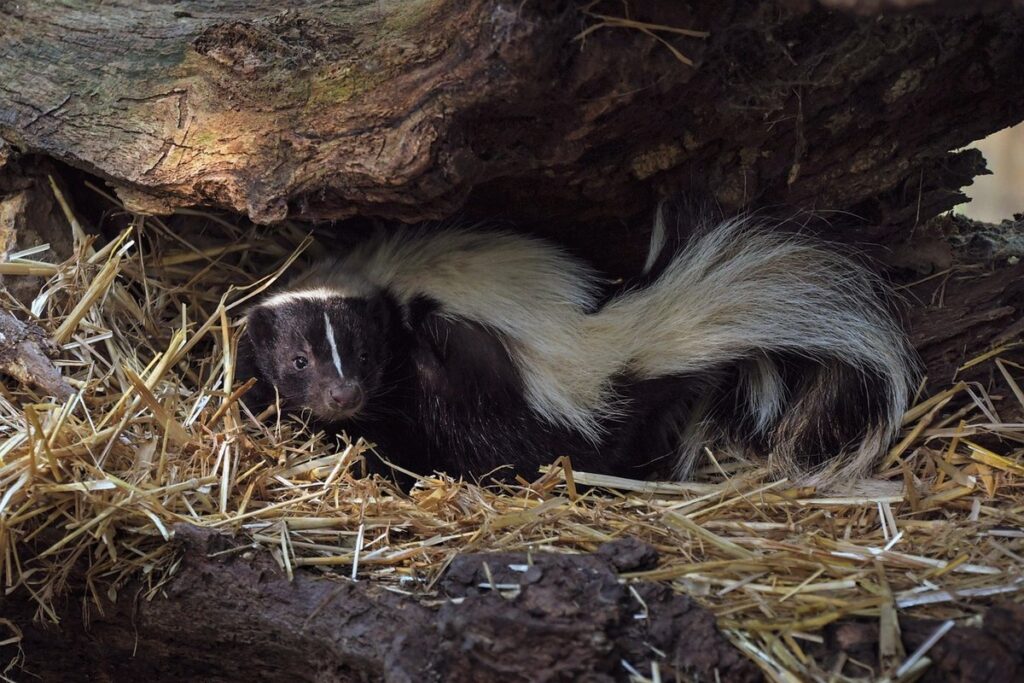
Understanding Cat Skunk Spray
Let’s dive into what cat skunk spray is and how it differs from regular skunk odor, which can be a crucial distinction for pet owners.
What is Cat Skunk Spray?
Cat skunk spray is a unique defense mechanism used by cats, particularly wild ones, to deter predators. It’s produced by glands located near the cat’s anus, which store a pungent secretion composed of volatile organic compounds (VOCs). These VOCs are responsible for the characteristic smell and are produced when the cat feels threatened or scared.
When a cat uses its skunk spray, it releases these VOCs into the air as a cloud-like mist. The unique characteristics of cat skunk spray lie in its ability to travel long distances and remain potent even after being dispersed by wind or other external factors. This allows cats to effectively deter predators without having to physically confront them.
Cats use their skunk spray as a last resort, usually when they feel trapped or cornered. The strong smell serves as a warning signal, alerting potential threats to stay away. While domesticated cats are less likely to use this defense mechanism, it’s essential for cat owners to understand the underlying reasons behind their cat’s behavior and take steps to prevent accidental spraying.
How Does Cat Skunk Spray Work?
When you think of cat skunk spray, you likely picture a potent and pungent odor that can leave humans scrambling for fresh air. But have you ever stopped to consider the science behind this signature smell? Cat skunk spray is made up of a complex mixture of volatile organic compounds (VOCs), primarily thiol-containing molecules.
These VOCs are responsible for the characteristic “rotten egg” or sulfur-like odor that’s both potent and persistent. When released, these molecules interact with the olfactory receptors in our noses, which can detect an astonishing array of smells. The thiol compounds in cat skunk spray bind to specific receptors on the surface of olfactory neurons, triggering a response that we perceive as a strong, unpleasant smell.
Interestingly, humans have a limited ability to detect certain VOCs like those found in cat skunk spray, which is why it can be so overwhelming for us. This difference in sensitivity has led scientists to study the unique chemistry behind cat skunk spray, with implications for understanding human perception of smells and developing new odor-neutralizing technologies.
Why Do Cats Use Skunk Spray?
When a cat uses its skunk spray, it’s not just a random reflex – there’s usually a reason behind it. Cats have scent glands located on either side of their anus, which produce a strong-smelling secretion that they can release when threatened or defending themselves.
One primary reason cats use skunk spray is for self-defense. If a cat feels cornered, attacked, or senses danger, it will often use its skunk spray to deter the threat. This is an instinctual response that’s been passed down from their wild ancestors, who used scent markings to ward off predators. Think of it like a loud alarm system – when your cat lets out a stinky blast, it’s essentially saying, “Stay away, I’m not going down without a fight!”
Cats also use skunk spray for territorial marking and communication. When your cat feels secure in its environment, it may release a small amount of skunk spray to mark its territory and signal to other animals that this is their domain. This scent marking serves as a form of nonverbal communication, helping your cat establish boundaries and relationships with other cats in the area.
By understanding why your cat uses skunk spray, you can take steps to prevent it from happening in the first place – or at least be better prepared for the aftermath! If your cat does let out a stinky blast, make sure to have some baking soda on hand to neutralize the smell.
The Effects of Cat Skunk Spray on Humans and Animals
When cat skunks spray, their potent liquid can cause irritation and discomfort in humans and animals alike. Let’s explore the effects this powerful odor has on different living creatures.
What Happens When You Get Sprayed by a Cat?
When you get sprayed by a cat, it can be a truly unpleasant experience. The immediate effects of cat skunk spray on humans are often underestimated, but they can be quite intense. Within seconds of being sprayed, you may feel a burning sensation on your skin, which can range from mild to severe. This discomfort is usually caused by the presence of thiol compounds in the skunk’s secretion, which can cause redness, itching, and inflammation.
The pain and discomfort caused by cat skunk spray are not just limited to the immediate area affected. Some people have reported experiencing headaches, nausea, and even respiratory issues due to inhaling the strong odor. In rare cases, skin irritation can lead to more serious health concerns, such as blistering or scarring.
If you find yourself on the receiving end of a cat’s skunk spray, act quickly to minimize discomfort. Immediately rinse the affected area with soap and water, and avoid using hot water, which can spread the thiol compounds further into your skin. You may also want to consider taking an over-the-counter antihistamine or hydrocortisone cream to help alleviate itching and inflammation.
How Long Does Cat Skunk Spray Last?
When it comes to cat skunk spray, its potency can be overwhelming for both humans and animals. The duration of its effects is a common concern for many people who have encountered this potent substance.
The good news is that cat skunk spray’s effects typically last between 30 minutes to several hours, depending on the individual’s sensitivity and the amount of spray inhaled or contacted. In most cases, the symptoms will begin to subside within a few hours, but it may take up to 24 hours for the full effects to dissipate.
In terms of long-term consequences, there is no conclusive evidence to suggest that cat skunk spray can cause permanent damage to humans or animals. However, repeated exposure can lead to skin irritation and allergic reactions in some individuals. To minimize the risks, it’s essential to wash affected areas thoroughly with soap and water as soon as possible, and seek medical attention if symptoms persist.
It’s also worth noting that cats typically only use their spray as a defense mechanism when they feel threatened or scared. By recognizing and addressing the underlying cause of their stress, you can help prevent future encounters with cat skunk spray altogether.
Treating Cat Skunk Spray Exposure
If you’ve been on the receiving end of cat skunk spray, you know it’s no joke. The strong odor can linger for days, causing discomfort and distress. Fortunately, there are ways to treat exposure, both at home and with medical treatments.
Home remedies can provide quick relief from the stench. One effective approach is using baking soda and water to neutralize the smell. Mix 1 tablespoon of baking soda with 1 quart of water, and apply it directly to affected skin or clothing. Let it sit for a few minutes before rinsing off. You can also try using tomato sauce or ketchup to help break down the oils in cat skunk spray.
If home remedies don’t provide sufficient relief, medical treatments may be necessary. In severe cases, exposure can cause skin irritation, burns, and even respiratory issues. In such situations, consult a doctor for professional advice and treatment. To prevent future occurrences, keep an eye out for signs of skunk presence in your area and take preventative measures like wearing protective clothing or using repellents when interacting with stray cats.
Remember, prompt action is key to minimizing the effects of cat skunk spray exposure. Act fast, stay calm, and follow these guidelines to ease discomfort and get back to normal life quickly.
Identifying the Cause of Cat Skunk Spray Smell in Your Home
If you’re dealing with a stinky situation at home, let’s figure out what’s causing that infamous cat skunk spray smell. We’ll break down the possible reasons behind it.
Common Causes of Cat Skunk Spray Odor in Homes
You might be wondering why you’re suddenly experiencing the pungent smell of cat skunk spray in your home. Before you go searching for a stray skunk, it’s essential to understand that there are several common causes behind this odor. One reason is that cats often transfer their scent from other animals or contaminated objects onto surfaces within your home. This can happen when they rub against furniture or carpets that have come into contact with the skunk spray of another animal.
Another possible cause is a cat’s natural instinct to self-groom and mark its territory by rubbing its face, paws, and body on various surfaces. If these areas have come into contact with cat skunk spray, the smell can spread throughout your home through everyday activities like walking or sitting in areas where the scent has accumulated.
Cats can also bring the smell of cat skunk spray indoors by tracking it onto their fur or paws. This can happen if they encounter an animal that has been sprayed and then come into contact with you, other pets, or household items.
How to Remove Cat Skunk Spray Smell from Your Home
Removing cat skunk spray odor from your home can be a daunting task, but with the right approach, it’s achievable. When dealing with affected surfaces and fabrics, act quickly to prevent the smell from setting in permanently.
For surfaces like countertops, sinks, and floors, mix one part white vinegar with two parts water in a spray bottle. Spray the solution onto the affected area and let it sit for 10-15 minutes before wiping clean with a damp cloth. If the odor persists, try using baking soda as a natural absorbent: sprinkle liberally over the surface, let it sit overnight, then vacuum up.
For fabrics like upholstery and carpets, consider professional cleaning or consult a veterinarian for advice on treating specific cases. In general, however, follow these steps: remove any items that may have come into contact with the affected area, use an odor-neutralizing spray according to manufacturer instructions, and let it air out thoroughly before reintroducing furnishings.
To eliminate lingering odors in the air, activate your HVAC system or open windows for ventilation. If the smell persists, consider using activated charcoal or essential oils like lavender or lemon to help mask and neutralize the odor. Remember, patience is key – removing cat skunk spray smell can take time, but with persistence and the right techniques, you’ll be successful in restoring a fresh, clean environment.
Preventing Future Incidents
Preventing future cat skunk spray incidents requires a combination of knowledge, preparation, and proactive measures. As a cat owner, it’s essential to understand that not all cats are naturally inclined to use their musk glands. However, with the right environment and stimuli, even the most well-behaved cat can become a perpetrator.
Start by creating a safe and skunk-free zone in your home. This includes removing any potential attractants such as food waste, dirty litter boxes, or strong-smelling chemicals. Regularly clean and disinfect areas where your cat spends most of its time, including beds, toys, and scratching posts. Additionally, consider providing alternative outlets for your cat’s natural behaviors, like scratching and marking.
By taking these precautions, you can reduce the likelihood of a future skunk spray incident. For example, if your cat is prone to spraying in specific areas, such as near its food or litter box, try moving these items to a different location. Also, keep an eye on your cat’s behavior and body language, which may indicate they’re about to use their musk glands.
By being proactive and taking steps to prevent incidents, you can create a safer and more enjoyable environment for both yourself and your feline companion.
The Role of Genetics in Cat Skunk Spray Production
Genetics play a surprising role in cat skunk spray production, and understanding how it works can help you better manage your cat’s odor problems.
Research has shown that certain breeds are more prone to strong-smelling secretions due to their genetic makeup.
Why Do Some Cats Produce More Skunk Spray Than Others?
It’s not uncommon for cat owners to notice significant variations in their pet’s ability to produce skunk spray. Some cats seem to have an impressive arsenal of this potent defense mechanism, while others barely emit a whiff. The reason behind these differences lies in the realm of genetics.
Research suggests that the production and composition of skunk spray are influenced by multiple genetic factors. Studies have identified specific genes responsible for controlling the levels of volatile sulfur compounds (VSCs), which give skunk spray its characteristic odor. For instance, a 2018 study published in the Journal of Mammalian Evolution found that domestic cats with a certain variant of the VSC-producing gene produced significantly more potent skunk spray than those with other variants.
Interestingly, not all breeds are equally capable of producing copious amounts of skunk spray. While some breeds like the Bengal and Maine Coon have been reported to be particularly pungent, others may barely emit any odor at all. This highlights the complexity of genetics in determining an individual cat’s ability to produce skunk spray.
Breeds Prone to Producing High Amounts of Skunk Spray
Some cat breeds are notorious for their potent skunk spray, and if you’re considering bringing one home, it’s essential to understand why they might be more prone to this defense mechanism. The Oriental Shorthair is one such breed, known for its robust odor production. This is due in part to its genetic makeup, which includes a higher concentration of the scent-producing compounds found in skunk spray.
Other breeds, like the Siamese and Abyssinian, also tend to have stronger-smelling secretions. Research suggests that these cats produce more 2-butyl-4-hydroxy-pentane-2-one (BHP), a key component of skunk spray, than other breeds. This might be attributed to their evolution as hunting animals, which required them to rely on strong scents to communicate and defend themselves.
If you’re an owner of one of these breeds, don’t worry – with proper training and management, your cat’s odor can be minimized. Keep your home clean, regularly wash your cat’s bedding, and provide plenty of opportunities for exercise and playtime to reduce stress-induced spraying.
The Impact of Genetics on Cat Behavior
When it comes to cat behavior and their ability to produce skunk spray, genetics play a significant role. A cat’s genetic predisposition can influence its likelihood of producing the foul-smelling spray, which is primarily used for defense purposes.
Research suggests that certain breeds, such as the Bombay and Bengal cats, are more prone to spraying due to their unique genetic makeup. These breeds have inherited traits from their ancestors, passed down through generations, making them more susceptible to this behavior.
However, genetics alone do not dictate a cat’s behavior. Environmental factors, socialization, and individual temperament also contribute significantly. A cat that is well-socialized and provided with proper care may be less likely to exhibit spraying behavior, regardless of its genetic predisposition.
If you’re concerned about your cat’s spraying habits, consider consulting with a veterinarian or animal behaviorist to rule out any underlying medical issues. In some cases, addressing behavioral problems through positive reinforcement techniques can also help alleviate the issue. By understanding the impact of genetics on your cat’s behavior, you can better address this unique aspect of their personality and work towards reducing unwanted spraying incidents.
Frequently Asked Questions
Can I prevent my cat from using its skunk spray if it senses danger?
Yes, providing a safe environment with minimal stressors can reduce the likelihood of your cat using its skunk spray. Create a calm atmosphere by reducing loud noises and keeping your home clean and organized.
How long does it take to completely remove cat skunk spray smell from my home?
Removing cat skunk spray smell can be a time-consuming process, but with the right techniques, it’s possible. The entire process may take anywhere from a few hours to several days, depending on the severity of the odor and the materials used for removal.
Can I use regular deodorizers or air fresheners to eliminate cat skunk spray smell?
No, using regular deodorizers or air fresheners can make the situation worse by masking the smell temporarily but not eliminating it. You’ll need specialized products that target volatile organic compounds (VOCs) specifically.
How do I know if my pet has been exposed to cat skunk spray and what should I look for?
Look for symptoms such as skin irritation, eye redness, or respiratory issues in your pets after a potential exposure. If you suspect your pet has come into contact with cat skunk spray, consult a veterinarian immediately.
Are there any long-term effects of repeated exposure to cat skunk spray on humans and animals?
Yes, repeated exposure can lead to sensitization or allergic reactions in some individuals. Long-term exposure may also cause damage to the respiratory system in severe cases. It’s crucial to minimize future incidents and take preventative measures to avoid prolonged exposure.