
Feeding bread to ducks has become a common practice in many parks and lakes, but is it really good for them? Unfortunately, the answer is no. Bread can be detrimental to the health of our feathered friends and even harm local ecosystems. When we feed bread to ducks, we’re essentially creating an unhealthy dependency on humans for sustenance. Not only does this impact their natural diet and digestive systems, but it also contributes to pollution and water quality issues.
In this article, we’ll explore why feeding bread to ducks is a bad idea, plus highlight some successful initiatives that promote sustainable practices. We’ll also dive into healthier alternatives for interacting with our fine-feathered friends. Whether you’re a seasoned birdwatcher or just visiting the park with family, it’s essential to know how your actions can impact these amazing creatures and their habitats.
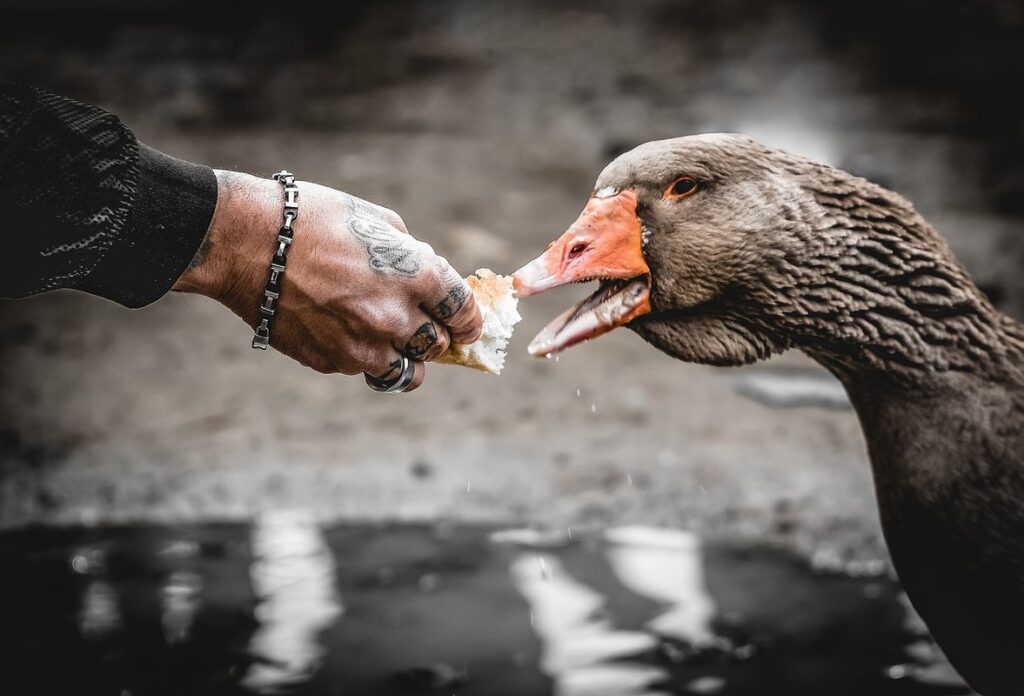
The Dangers of Feeding Bread to Ducks
Feeding bread to ducks may seem harmless, but it can actually be quite detrimental to their health. In this section, we’ll explore the risks associated with giving bread to these waterfowl.
Why Bread is Bad for Ducks
When you feed bread to ducks, it can have severe consequences for their health. The digestive system of ducks is designed to break down plant-based foods like aquatic vegetation, but bread is a far cry from their natural diet. When they consume large amounts of bread, it can cause an imbalance in their gut bacteria, leading to issues such as constipation, diarrhea, and even vomiting.
Malnutrition is another significant concern when ducks are fed bread. While bread may provide temporary energy, it lacks essential nutrients that ducks require to stay healthy. A diet consisting mainly of bread can lead to deficiencies in vitamins and minerals, further weakening their immune system.
Feeding bread to ducks also disrupts their natural behavior and diet. In the wild, ducks forage for a variety of plants, seeds, and insects that provide them with essential nutrients. By introducing bread into their environment, you’re essentially replacing their natural food sources with something that’s easy but unhealthy. This can alter their feeding habits and lead to over-reliance on human-provided snacks.
In conclusion, while it may be tempting to feed ducks bread as a treat, it’s essential to prioritize their health and well-being by providing them with nutritious alternatives instead.
The Role of Humans in Contributing to the Problem
When we feed bread to ducks, it’s not just the birds that suffer – our actions have a ripple effect on their behavior and the ecosystem as a whole. One of the most significant consequences is the over-reliance on humans for food. Ducks, especially urban ones, begin to associate us with a readily available source of sustenance. As a result, they lose interest in foraging for natural foods like aquatic plants, insects, and grains.
This loss of natural foraging skills has long-term implications. When ducks are fed bread consistently, their digestive systems adapt to process this easy but nutrient-poor food source. In the wild, where competition for resources is fierce, a duck that relies on humans for food may struggle to survive when these handouts disappear. By feeding them bread, we inadvertently create dependent creatures that are ill-equipped to fend for themselves in their natural habitats.
What Happens When You Feed Bread to Ducks?
Feeding bread to ducks may seem harmless, but it can have serious consequences for their health and the environment. We’ll explore what happens when you give bread to these waterfowl.
Immediate Effects on Duck Health
When you feed bread to ducks, it can have immediate effects on their health. One of the most significant concerns is digestive upset. Bread is not a natural part of a duck’s diet and can cause stomach cramps, diarrhea, and vomiting. In severe cases, this can lead to dehydration, which can be life-threatening.
Choking hazards are another potential issue when feeding bread to ducks. If they swallow large pieces of bread, it can get stuck in their windpipe or esophagus, causing respiratory problems. This is especially concerning for young ducklings, whose airways are still developing.
It’s not just the quantity that’s a problem – even small amounts of bread can cause issues. A single slice can expand in a duck’s stomach, leading to discomfort and potential harm. If you want to feed ducks, it’s essential to stick to their natural diet or offer them healthy alternatives, such as lettuce, spinach, or commercial duck pellets. Always supervise feeding to prevent choking hazards and ensure the birds are eating safely.
Long-Term Consequences for Duck Populations
When you feed bread to ducks regularly, it can have severe long-term consequences for their health and the local ecosystem. For one, a diet rich in carbohydrates from bread can lead to malnutrition in ducks. They may develop nutritional deficiencies, particularly in essential vitamins and minerals like calcium, iron, and zinc. This is because bread lacks these vital nutrients, and relying on it as a primary food source can cause imbalances in their digestive system.
Furthermore, over-reliance on bread can also alter the local ecosystem. As duck populations become accustomed to being fed by humans, they begin to lose their natural foraging behaviors. They start to rely on humans for food, rather than searching for their own sustenance. This can disrupt the delicate balance of local wildlife and potentially lead to overpopulation in areas where other food sources are scarce.
Why Do People Feed Bread to Ducks in the First Place?
You might wonder why people have been feeding bread to ducks for so long, and it’s likely due to a mix of curiosity and well-meaning intentions. Let’s explore what drives this behavior.
Misconceptions about Feeding Ducks
One of the most common misconceptions about feeding ducks is that they need human-provided food to survive. This couldn’t be further from the truth. In reality, ducks are perfectly capable of finding their own food sources, including aquatic plants, insects, and small crustaceans. However, when bread is readily available, it can become a convenient substitute for their natural diet.
Another misconception is that feeding bread is an effective way to bond with ducks. While it may seem like a sweet gesture, feeding bread can actually create a negative association between humans and the birds. Ducks have short memories, so they quickly learn to associate the presence of bread with human interaction. This can lead to aggressive behavior when they’re not fed, as well as an increased risk of disease transmission.
It’s also worth noting that ducks are intelligent animals that don’t need our handouts to thrive. In fact, feeding them a diet rich in bread can lead to malnutrition and a host of other health problems. By refraining from feeding bread and instead providing healthy alternatives, we can help create a more balanced ecosystem for these magnificent creatures.
Cultural and Social Influences on Feeding Behavior
Feeding bread to ducks is often driven by cultural practices and social norms that are deeply ingrained in our daily lives. For instance, visiting a park or lake with family and friends may be synonymous with feeding the local duck population. However, this behavior has roots in traditions passed down through generations. In some cultures, feeding bread to ducks is seen as a way to connect with nature, create memories, and show affection for these seemingly harmless creatures.
It’s not uncommon to see large groups of people gathered around a lake or pond, feeding the ducks bread without considering the consequences. Social media platforms also play a significant role in promoting this behavior. Pictures of happy, bread-fed ducks often go viral, encouraging others to emulate this practice. However, it’s essential to remember that these images rarely showcase the underlying issues that can arise from feeding bread to ducks.
To change this narrative, we need to reevaluate our actions and consider alternative ways to engage with nature. When visiting parks or lakes, try exploring other activities such as birdwatching, photography, or simply observing the wildlife without interacting with them. By adopting more mindful approaches, we can break free from cultural norms that may harm these magnificent creatures.
Alternatives to Feeding Bread to Ducks
If you’ve been feeding bread to your feathered friends, it’s time to think again – we’ll explore healthier options that are safe for both ducks and humans. Let’s discover what else you can give them instead.
Providing Healthy Snacks for Ducks
When it comes to providing snacks for ducks, it’s essential to offer options that closely resemble their natural diet. Feeding them bread is not only unhealthy but also deprives them of the nutrients they need. A great alternative is to provide a variety of fruits and vegetables.
Start by offering leafy greens like kale, spinach, and collard greens, which are rich in fiber and vitamins. You can also give them sliced carrots, cucumbers, and bell peppers. Fresh berries such as strawberries, blueberries, and raspberries make great treats for ducks too. Apples and pears are also a hit with ducks.
To incorporate these snacks into your visit, try the following: bring a container filled with a mix of fruits and veggies, and let the ducks forage for them naturally. You can also cut up larger pieces into smaller bites to ensure they’re easily accessible. Remember, it’s all about variety – switch up the options regularly so the ducks don’t get bored with the same old snacks.
Engaging with Ducks in Better Ways
Engaging with ducks can be a delightful experience for both children and adults alike. However, it’s essential to do so responsibly and respectfully. Feeding bread to ducks has been a long-standing tradition, but as we’ve discussed earlier, it comes with its own set of consequences.
Instead, you can try observing these beautiful creatures up close. Sit quietly near the water’s edge, and watch how they interact with each other, their surroundings, and even with you. Take note of their unique characteristics, such as the differences in plumage, beak shape, and feather patterns. You might discover that there are various species of ducks visiting your local park or pond.
Another engaging activity is photography. Bring a camera or phone, and capture the quacking sounds, vibrant colors, and fascinating behaviors of these aquatic birds. Be mindful not to disturb them during feeding times or breeding seasons, as this can cause stress and disrupt their natural habits.
For educational purposes, you can try organizing activities with schools or community groups. Arrange guided tours around the pond area, pointing out interesting facts about duck habitats, nesting sites, and migration patterns. This interactive approach will help foster a deeper appreciation for these incredible creatures while promoting a respectful coexistence with nature.
The Role of Education and Community Engagement
Education plays a crucial role in promoting responsible behavior towards wildlife, and community engagement can help spread awareness about feeding bread to ducks. By working together, we can create positive change.
Educating the Public about Feeding Bread
When it comes to educating the public about feeding bread to ducks, a multifaceted approach is necessary. This can start with partnering with local wildlife experts and conservation organizations to spread awareness through social media campaigns, educational programs, and community events. These platforms allow for engaging storytelling and visuals that highlight the negative impacts of feeding bread on duck populations.
Additionally, incorporating simple yet informative signage at popular park or pond areas where ducks congregate is another effective way to educate visitors about the harm caused by feeding bread. This can include clear messages, statistics, and pictures illustrating why feeding bread is detrimental to duck health.
In order to create a more interactive experience, consider developing educational brochures or handouts that provide fun facts, tips on what to feed ducks instead of bread, and simple games for kids to learn about the importance of responsible wildlife feeding.
Collaborative Efforts to Promote Sustainable Practices
Community engagement and education are crucial components of promoting sustainable practices around waterfowl management. A great example of this is the “Ducks Unlimited” organization’s community-led initiatives that encourage people to adopt environmentally friendly habits when interacting with ducks. Their program, called “Wetlands for Waddle,” brings together local communities, wildlife experts, and conservationists to promote responsible waterfowl management practices.
One successful initiative under this program is the development of “Duck-Friendly Parks.” These parks are designed with features that mimic natural environments, such as native plants and water features, which attract ducks without encouraging feeding. This approach not only reduces the risk of duck-borne diseases but also provides a safe space for both humans and ducks to coexist.
When implementing these initiatives in your local community, consider collaborating with wildlife experts, conservation organizations, or even local parks departments. By working together, you can create effective education programs that promote sustainable practices, such as not feeding bread to ducks. This requires engaging community members through workshops, social media campaigns, and outreach events to spread awareness about the importance of responsible waterfowl management.
Case Studies: Places Where Feeding Bread Has Been Successfully Addressed
Let’s take a look at real-life examples where bread feeding has been successfully addressed, and what we can learn from these locations. We’ll explore their approaches to sustainable duck feeding.
Successful Campaigns Against Feeding Bread
In recent years, several campaigns have been successfully implemented to discourage bread feeding in certain areas. For instance, the city of Venice, Italy, launched a “No Bread for Ducks” campaign in 2016. The initiative involved distributing informational materials and setting up signs throughout the city warning visitors about the dangers of feeding ducks bread. As a result, bread feeding in the area decreased significantly.
Another successful example is the “Take Care of Our Waterways” program in Australia. This program educated the public on the importance of not feeding bread to ducks and other wildlife. It also provided alternative food sources for ducks, such as wild duck pellets. The campaign was supported by local authorities, community groups, and environmental organizations.
In both cases, a combination of education, awareness, and providing alternative food options helped reduce bread feeding. These examples demonstrate that with collective effort and the right strategies, it’s possible to create positive change and promote responsible wildlife interaction.
Lessons Learned from These Initiatives
Analyzing what made these initiatives successful reveals key strategies that can be applied elsewhere. For instance, the ‘Bread-Free’ initiative in Barcelona involved creating an awareness campaign targeting both residents and tourists. This approach not only highlighted the importance of bread-free zones but also provided alternative food sources for ducks. The success of this initiative could be attributed to its multifaceted strategy, which included collaboration with local authorities and the implementation of ‘no-feeding’ signs.
Similarly, the London-based charity, Animal Friends, partnered with local businesses to create a network of feeding stations offering healthy food options to ducks. This collaborative approach was instrumental in reducing bread consumption while promoting coexistence between humans and wildlife.
By studying these successful initiatives, we can glean valuable insights for creating effective solutions in our own communities. Key takeaways include: the importance of awareness campaigns, collaboration with local authorities and businesses, and providing alternative food sources.
Frequently Asked Questions
What should I do with leftover bread at the park if I’ve read that feeding it to ducks is a bad idea?
You can dispose of leftover bread properly by placing it in designated trash cans or recycling bins. This helps maintain cleanliness and prevents attracting other pests. Consider packing reusable bags for snacks instead, which will also encourage you to bring less waste.
Can I still interact with ducks if I’m not feeding them bread?
Absolutely! In fact, many parks now offer alternative ways to engage with ducks, such as providing healthy snacks or participating in guided bird-watching activities. You can observe and learn from these wonderful creatures without harming them.
How do I explain the importance of not feeding bread to ducks to my children or other family members who might be confused?
You can explain it by using simple examples, like how bread is bad for their digestive system just as junk food is bad for our own. Emphasize that we want to help ducks stay healthy and thrive in their natural habitats.
What if I accidentally feed bread to a duck while visiting the park? Should I panic?
No need to panic! If you accidentally feed bread to a duck, simply apologize and try to learn from the experience. In the future, be more mindful of your actions and opt for healthier alternatives when interacting with ducks.
Can parks or local authorities do anything to stop people from feeding bread to ducks, even if they’ve read the warnings?
Yes, many organizations and communities are taking initiative to raise awareness about the issue through educational programs, public events, and signage at parks. By working together, we can promote sustainable practices and create a healthier environment for both humans and wildlife.