
Are you ready to meet one of the most lovable duck breeds around? The Appleyard duck has been stealing hearts with its friendly, docile nature for decades. Hailing from England, this breed has a rich history that’s worth exploring. But beyond its charming personality, what makes the Appleyard duck truly special are its impressive physical characteristics – think shiny feathers, sturdy build, and a vibrant plumage in shades of golden brown.
If you’re considering bringing home an Appleyard duck or perhaps want to learn more about this breed, we’ve got you covered. In this article, we’ll delve into the history, temperament, and care requirements of the Appleyard duck, as well as share expert advice on breeding, raising, and showing these fantastic birds. Whether you’re a seasoned duck enthusiast or just starting out, get ready to fall in love with the wonderful world of Appleyard ducks!
History and Origins of the Appleyard Duck
Let’s dive into the fascinating history behind this beloved breed, exploring its origins and how it came to be one of the most recognizable duck breeds around.
Early Development and Breeding
The early development of the Appleyard duck breed is a fascinating story that spans several decades. The breed was developed by George Appleyard in England during the 1920s and 1930s through selective breeding. At that time, ducks were being bred for both their meat and egg-laying abilities. To create a more efficient and productive bird, Appleyard crossed various breeds including the Silver Bantam, Welsh Harlequin, and Muscovy duck.
The goal was to produce a duck that would thrive in a small space while still laying a significant number of eggs. Through careful selection, Appleyard was able to breed a duck with a robust build, good egg-laying abilities, and attractive plumage. The resulting bird was the foundation of what we now know as the Appleyard duck breed.
In the early days, the breeding process involved evaluating individual ducks based on their production characteristics such as egg weight, number of eggs laid per year, and overall health. This selective breeding program allowed for rapid improvement in the breed’s performance, making it one of the most sought-after duck breeds worldwide.
Introduction to the Original Creator
George Appleyard is credited with creating the Appleyard duck breed in the early 20th century. A British poultry breeder and enthusiast, Appleyard aimed to produce a hardy, adaptable, and high-yielding duck that could thrive in various environments. His vision was driven by the need for a more practical and resilient breed, capable of withstanding harsh weather conditions and producing an abundance of eggs.
Appleyard’s breeding program involved selective breeding of various duck species, focusing on their unique characteristics and strengths. By combining the best traits from different breeds, he created a distinctive and robust duck that quickly gained popularity among poultry enthusiasts. The Appleyard duck’s signature features, such as its muscular build, broad beak, and exceptional egg-laying abilities, were honed through years of meticulous breeding.
Today, George Appleyard’s legacy lives on in the thriving Appleyard duck breed, which has become a staple in backyard flocks and commercial farms worldwide. His dedication to poultry breeding has had a lasting impact on the industry, inspiring generations of breeders to create innovative and practical breeds that meet the needs of modern farmers and enthusiasts alike.
Physical Characteristics and Appearance
When it comes to physical characteristics, Appleyard ducks are easily recognizable by their striking appearance. Let’s dive into the unique features that set them apart from other breeds.
Standardized Breed Standards
When it comes to the physical characteristics of the Appleyard duck breed, you’ll notice that they adhere to a specific set of standards. According to the breed standard, Appleyards should weigh between 6-8 pounds (2.7-3.6 kg) and measure around 20-22 inches (50-55 cm) in height.
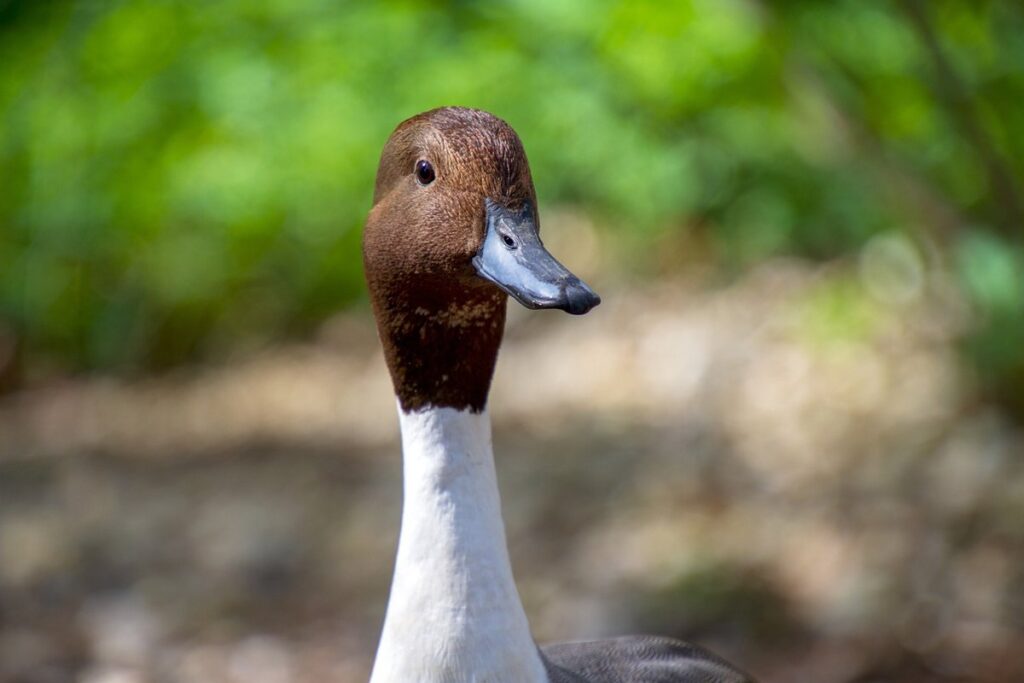
Their plumage is perhaps one of their most distinctive features – they have a silvery-gray coat with a white underside, and their wings are tipped with a beautiful green sheen. The beak shape is also noteworthy, as Appleyards have a medium-sized beak that’s slightly curved upwards at the tip.
In terms of leg color, you’ll typically see a combination of yellow and orange hues on the feet and legs. While these physical characteristics can give you an idea of what to expect from the breed, it’s essential to remember that individual birds may vary. If you’re considering getting an Appleyard duck for yourself, make sure to choose one that meets your specific needs and preferences.
Sex-Linked Characteristics
When it comes to identifying male and female Appleyard ducks, it’s essential to know their sex-linked characteristics. One of the most noticeable differences between males and females is the size and weight. Male Appleyard ducks tend to be larger than females, with some males weighing up to 8 pounds or more. Females, on the other hand, typically weigh around 5-6 pounds.
Another way to tell the sex of an Appleyard duck is by examining their plumage. Males have a more vibrant and intense coloration, especially during breeding season, when they develop a deeper shade of green around their necks and heads. Females tend to have a duller, more subdued color pattern.
To accurately determine the sex of your Appleyard ducks, inspect them at around 12-14 weeks old. By this age, males usually exhibit significant physical changes, including a larger size, a thicker comb on top of their heads, and longer tail feathers compared to females.
Temperament and Personality Traits
When it comes to the Appleyard duck breed, understanding their temperament and personality traits is essential for any potential owner. This section will delve into what makes them tick.
Friendly and Docile Nature
One of the most appealing aspects of the Appleyard duck breed is their extremely friendly and docile nature. This makes them an excellent choice for families with children or small farm owners who want to introduce ducks into their property without worrying about aggressive behavior.
Appleyards are known to be calm, gentle, and non-confrontational, which means they get along well with other pets in the household, including dogs, cats, and even smaller animals like rabbits. They’re also quite curious and love interacting with people, making them a great choice for families who want to involve their children in duck care.
To make the most of your Appleyard’s friendly nature, establish clear boundaries and provide regular interaction. Spend time with them daily, talking to them, feeding them treats, or simply playing near them. With proper socialization, your Appleyard will become an integral part of the family, providing endless entertainment and companionship.
If you’re new to duck keeping, remember that Appleyards are relatively low-maintenance pets. They require a safe enclosure with adequate space for exercise and swimming. With regular care, including a balanced diet and proper veterinary check-ups, your Appleyard will thrive as a happy and healthy family member.
Training and Handling Tips
When it comes to training and handling Appleyard ducks, it’s essential to understand their unique temperament and personality traits. These ducks are known for being friendly, docile, and relatively easy-going, making them an excellent choice for families with children or first-time duck owners.
However, as with any breed of duck, consistency, patience, and positive reinforcement are key when training your Appleyard. Start by establishing a daily routine that includes regular feeding times, exercise, and social interaction. This will help your duck feel secure and develop trust in you.
Some practical tips for handling Appleyard ducks include:
• Moving slowly and calmly around them to avoid startling them
• Using positive reinforcement techniques such as treats and praise when they exhibit desired behavior
• Gradually introducing new objects or environments to prevent stress and anxiety
• Setting clear boundaries and consistently enforcing rules to maintain a peaceful environment
Remember, every duck is unique, so be prepared to adapt your training approach to suit your individual bird’s needs. With time, patience, and practice, you can develop a strong bond with your Appleyard duck and enjoy many happy years together.
Health Considerations and Care Requirements
When caring for Appleyard ducks, it’s essential to understand their specific health needs and requirements to ensure they live long, happy lives. This section will delve into these crucial aspects of duck ownership.
Common Health Issues in Appleyard Ducks
Appleyard ducks are generally a hardy breed, but like all poultry, they can be prone to certain health issues. Respiratory problems are one of the most common concerns for Appleyard duck owners. This is often due to environmental factors such as poor ventilation or exposure to extreme temperatures. In some cases, respiratory issues may also be caused by underlying conditions such as bronchitis or pneumonia.
Another common issue affecting Appleyard ducks is parasite infestations. These can include internal parasites like worms and lice, as well as external parasites like mites and fleas. Regular cleaning of the coop and run, along with proper feeding practices, can help minimize the risk of parasite infestations.
To prevent respiratory issues, it’s essential to provide your Appleyard ducks with a clean, dry, and well-ventilated living space. This may involve adding windows or installing a ventilation system in the coop. Additionally, regular health checks by a veterinarian can help identify any underlying conditions that may be contributing to respiratory problems.
To minimize the risk of parasite infestations, it’s crucial to maintain high standards of cleanliness throughout the entire flock area. This includes daily cleaning of food and water troughs, as well as regular disinfection of surfaces with a safe and effective solution.
Nutritional Needs and Diet Recommendations
Appleyard ducks have specific nutritional needs that must be met to ensure their optimal health and well-being. A balanced diet should consist of a mix of commercial duck pellets or crumbles as the main staple, supplemented with fresh fruits, vegetables, and grains.
When it comes to feeding frequency, Appleyard ducks require about 1-2% of their body weight in feed per day. For example, if your duck weighs 5 pounds (2.3 kg), you’ll need to provide approximately 0.05-0.10 pounds (0.02-0.045 kg) of feed daily. It’s essential to divide the daily ration into 2-3 meals to prevent gorging and promote even digestion.
A sample diet for Appleyard ducks might include:
* Commercial duck pellets or crumbles as the main staple
* Fresh leafy greens like kale, spinach, or collard greens (1-2 cups per day)
* Fruits such as apples, berries, or melons (about 1 cup per week)
* Grains like oats, barley, or wheat (about 1/4 cup per day)
Remember to provide fresh water at all times and change it frequently to prevent bacterial growth. Avoid overfeeding, which can lead to obesity and related health issues.
Breeding and Raising Appleyard Ducks
Breeding and raising Appleyard ducks is a rewarding experience, but it requires careful planning and attention to detail. If you’re new to duck breeding, this section will guide you through the process.
Successful Breeding Practices
Successful breeding practices are crucial for maintaining the integrity and characteristics of the Appleyard duck breed. When selecting suitable mates, it’s essential to choose ducks with desirable traits such as size, egg-laying capacity, and temperament. A good rule of thumb is to look for ducks that exhibit the typical Appleyard characteristics, including a broad, flat face, a gentle disposition, and a medium-sized build.
To create a healthy environment for hatching eggs, ensure your breeding area is clean, dry, and free from drafts. A temperature range of 99°F to 102°F (37°C to 39°C) is ideal for incubation. You should also provide a balanced diet rich in nutrients to promote fertility and egg quality.
When pairing ducks, consider their compatibility and age. It’s best to pair ducks that are at least six months old, as they will have reached maturity by then. Introduce them gradually under close supervision, allowing them to become familiar with each other before breeding. This approach will minimize stress and increase the chances of successful mating.
By following these guidelines, you’ll be well on your way to successfully breeding Appleyard ducks.
Raising Ducklings: Tips and Tricks
Raising ducklings from hatchling stage to maturity requires attention to their specific needs and milestones. From day one, provide a safe and warm environment with adequate ventilation. A heat source is crucial for maintaining an ideal temperature of around 90-100°F (32-38°C) during the first week.
As your ducklings grow, transition them to a diet rich in protein, such as starter feed or a mix of oats and mealworms. Ensure access to fresh water at all times, with a shallow dish for easy access.
Growth milestones include reaching 3-4 weeks for feathering out, and 8-10 weeks for full maturity. At around 6 weeks, introduce vaccinations to prevent diseases such as botulism and avian cholera. Monitor growth rates closely, adjusting feed intake accordingly.
Aim for a gradual transition from starter feed to finisher feed at around 12-14 weeks. Provide adequate space for exercise, socialization, and exploration. By paying close attention to these needs and milestones, you can raise healthy, robust Appleyard ducklings that thrive into adulthood.
Showing and Exhibiting Appleyard Ducks
When it comes to showcasing your beautiful Appleyard ducks, you’ll want to know how to properly show and exhibit them at poultry events and competitions. This section will walk you through the process.
Show Requirements and Standards
When it comes to showing and exhibiting your Appleyard ducks in competitions, understanding the rules and standards is crucial. Each poultry association or organization may have its own set of regulations, but here are some breed-specific requirements you should be aware of.
For example, the American Bantam Association (ABA) requires Appleyard ducks to meet specific criteria for size, weight, and feather quality. Males must weigh a minimum of 1 pound and 6 ounces, while females must weigh at least 1 pound and 4 ounces. In addition, both sexes should have well-developed breasts, strong legs, and a good spread of tail feathers.
Another key aspect to consider is breed conformation. Appleyard ducks are known for their distinctive orange-brown plumage, so the color and pattern of their feathers must be accurate to the breed standard. When preparing your birds for competition, make sure they have clean, well-groomed feathers and a clean bill.
Preparing Your Duck for the Show Ring
When preparing your Appleyard duck for the show ring, there are several key factors to consider. First and foremost, grooming is crucial. This involves regularly cleaning the duck’s feathers to prevent oil buildup and maintaining its overall appearance.
To achieve this, it’s essential to develop a regular washing routine that includes gentle shampoos specifically designed for waterfowl. Be sure to rinse thoroughly to avoid any soap residue affecting the quality of the feathers.
Trimming beaks is also vital for show ducks. A well-maintained beak can add to the duck’s overall appearance and can help in maintaining its health as it prevents ingrown beaks. Ensure that the trimming process is done with care, avoiding damaging the sensitive skin around the beak area.
When selecting your show specimen, look out for those with a balanced body structure, symmetrical features, and excellent feather quality. Avoid ducks with defects or uneven growth patterns.
Conclusion: The Unique Charm of Appleyard Ducks
As you’ve learned about the Appleyard duck’s history, characteristics, and care requirements, it’s time to appreciate what makes this breed truly special. Let’s dive into their unique charm and qualities that set them apart.
Final Thoughts on this Special Breed
As we conclude our comprehensive guide to the Appleyard duck breed, it’s hard not to be charmed by their unique characteristics. If you’re still unsure about bringing one into your family or farm, let us reassure you – an Appleyard duck can bring a lot of joy and benefits to your life.
One of the standout advantages of owning an Appleyard duck is their friendly and docile nature. They are known to be great with children and make excellent pets for families who want to introduce their kids to animal care. Their gentle demeanor also makes them an ideal choice for farms where other animals may need to be integrated into a flock.
Appleyard ducks are also relatively low-maintenance compared to some other breeds. They are hardy birds that can thrive in a variety of environments, from small backyards to larger farm settings. With proper care and nutrition, they can live up to 10-12 years, making them a long-term companion for many families.
In addition to their friendly nature and low maintenance requirements, Appleyard ducks are also excellent egg layers. They produce an average of 200-250 large brown eggs per year, making them a valuable addition to any homestead or farm.
If you’re still considering bringing an Appleyard duck into your life, here are some final tips: start by providing a safe and secure enclosure that protects them from predators. Ensure they have access to fresh water, nutritious feed, and regular veterinary care. With proper care and attention, your Appleyard duck will reward you with years of companionship and delicious eggs.
In summary, the Appleyard duck breed is a unique and charming addition to any family or farm. Their friendly nature, low-maintenance requirements, and excellent egg-laying abilities make them an attractive choice for many backyard farmers and families. With proper care and attention, they can bring joy and benefits to your life for years to come.
Frequently Asked Questions
Can Appleyard ducks be kept as pets if I live in a small urban area?
Appleyard ducks are surprisingly adaptable to small spaces, but it’s essential to consider their exercise needs. While they can thrive in compact areas with sufficient space for swimming and walking, regular outdoor access is crucial to prevent boredom and stress. Ensure you provide a safe enclosure or a designated area for your Appleyard duck to roam freely.
How do I introduce an Appleyard duckling to my existing flock?
When introducing a new Appleyard duckling to your existing flock, it’s vital to monitor their behavior closely. Start by keeping the ducklings separate from the adult ducks until they reach about 4-6 weeks old. Then, under close supervision, let them interact with each other in a controlled environment. Be prepared for potential squabbles and intervene if necessary.
Can Appleyard ducks be used for egg production?
Yes, Appleyard ducks are indeed prolific layers, producing an average of 180 eggs per year. However, their primary focus should always be on being pets or show birds rather than solely for their egg-laying capabilities. If you plan to keep them as egg producers, ensure they receive a balanced diet and have ample space to exercise.
What are the most common health issues affecting Appleyard ducks?
While generally hardy, Appleyard ducks can be prone to certain health issues such as respiratory problems, especially in extreme weather conditions. Regular veterinary check-ups and maintaining a clean environment can help prevent or identify potential health concerns early on. Keep an eye out for any signs of illness and seek professional advice promptly.
How do I train my Appleyard duck to walk on a leash?
Training your Appleyard duck to walk on a leash requires patience, consistency, and positive reinforcement. Start by getting them accustomed to wearing a harness and slowly introduce short walks under close supervision. Reward good behavior with treats and end the session before they show signs of exhaustion or frustration. With time and practice, your Appleyard duck will learn to enjoy these outings.