
If you’re thinking of bringing home some adorable feathered friends or simply want to learn more about these charming creatures, then this is the perfect post for you! Ducklings are a delight to watch grow and develop from tiny eggs into fully-fledged ducks. But have you ever wondered what makes them tick? From their fascinating biology to various breeds and life cycle milestones, there’s so much to discover when it comes to duckling care.
In this article, we’ll delve into the essential aspects of duckling biology, highlighting key factors that affect their growth and development. We’ll also cover nutrition, health tips, and environmental considerations that will help you provide a happy and healthy home for your feathered friends. Whether you’re an experienced bird owner or just starting out, this comprehensive guide will equip you with the knowledge to raise ducklings from egg formation to maturity.
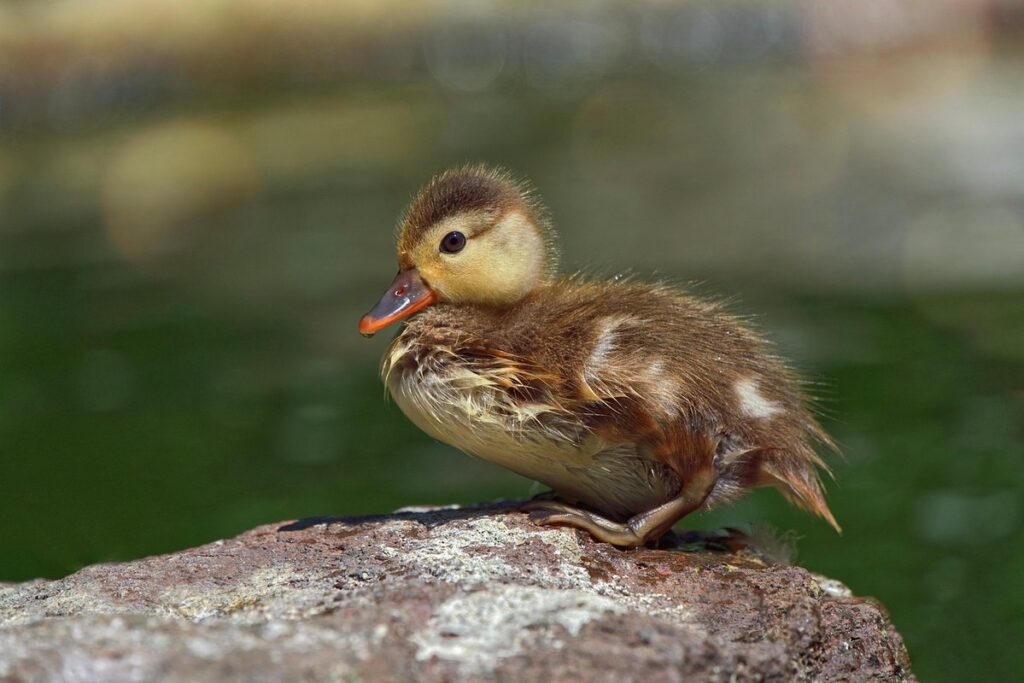
The Biology of Ducklings
Let’s dive into the fascinating world of duckling biology, where we’ll explore how these adorable creatures grow and develop from tiny eggs to fluffy ducks. This process is crucial for their survival and our ability to care for them effectively.
Egg Formation and Incubation
Duck eggs are formed through a complex process involving both male and female ducks. After mating, the female duck lays her egg in a nesting site, usually lined with soft materials like grasses or feathers. The embryo develops inside the egg over several weeks, fed by a nutrient-rich yolk sac that provides essential vitamins and minerals.
Incubation is crucial for successful hatching, and mother ducks typically take on this role. They sit on their eggs for about 28 days, maintaining a consistent temperature between 99°F to 100°F (37°C to 38°C) to stimulate embryonic development. During this time, the duck’s metabolism slows down, conserving energy for the upcoming molt.
It’s essential to replicate these conditions when keeping duck eggs under artificial incubation. You can use an incubator with precise temperature control and humidity levels between 50% and 60%. Make sure to turn the eggs regularly to prevent uneven development. If you’re interested in hatching ducklings, research local regulations regarding egg collection and incubation before starting your project. With proper care and attention, you’ll be rewarded with adorable ducklings ready to join your flock!
Embryonic Development
During embryonic development, duckling growth is a remarkable process that occurs within the egg. It begins around 24 hours after fertilization and continues for approximately 28 days before hatching. The earliest stage, known as gastrulation, sees the formation of three primary germ layers: ectoderm, mesoderm, and endoderm.
These germ layers give rise to various tissues and organs, including the nervous system, muscles, and internal organs. As development progresses, you’ll notice significant changes in the egg’s size and weight due to the growing embryo. At around 10-12 days, heartbeats can be detected using a stethoscope, indicating active circulation within the developing duckling.
As the duckling grows, its internal organs mature, including the kidneys, liver, and lungs. Feathers also start forming at this stage, although they’re still soft and not fully developed. By around 24-26 days, the duckling’s major organs are functioning properly, preparing it for life outside the egg.
It’s essential to note that proper incubation conditions are crucial during embryonic development. Ensure a stable temperature between 99°F and 100°F (37°C to 38°C), adequate humidity, and gentle rotation of the eggs every 24 hours to prevent adhesion.
Hatching and Initial Growth
When a duckling is ready to hatch, it will pip, which means it will break out of its shell. This process can take anywhere from 24 to 48 hours, depending on the breed and individual egg’s development. Once pipped, the duckling will continue to breathe by piping small holes around the large end of the egg until it can fully emerge.
Newborn ducklings are blind, helpless, and totally dependent on their mother for warmth, food, and protection. They will crawl beneath her feathers for insulation and nurse frequently throughout the day. During this initial stage, they rely heavily on their mother’s milk for nutrients, which is rich in protein and fat to support rapid growth.
As the duckling grows, you’ll notice essential physical developments such as feathers starting to emerge, eyes opening around 18-24 hours after hatching, and a wobbly but growing gait. Behavioral developments include learning to swim, vocalizing with quacks, and beginning to forage on their own under their mother’s guidance. Be sure to provide your ducklings with plenty of space, food, and fresh water during this critical growth phase to support optimal development and overall health.
Types of Ducklings: Breeds and Characteristics
Whether you’re a seasoned duck keeper or just starting out, understanding the different breeds and characteristics is essential for choosing the perfect feathered friend for your family. Let’s explore some of the most popular duckling varieties!
Common Domesticated Breeds
When it comes to choosing domesticated duck breeds for backyard or commercial settings, there are many popular options to consider. One of the most well-known and friendly breeds is the Khaki Campbell, known for its high egg production and gentle temperament. These ducks are perfect for small-scale farming operations, as they require minimal space and care.
Another popular breed is the Muscovy duck, which is prized for its beautiful feathers and robust health. They are relatively low-maintenance compared to other breeds, but do require a larger swimming area due to their love of water.
For backyard enthusiasts, the Silver Appleyard is a great choice. These ducks are friendly, social birds that thrive in small flocks, making them ideal for family farms or urban homesteads. They’re also relatively quiet and don’t cause much disturbance.
When choosing a domesticated duck breed, consider your specific needs and circumstances. Think about the space you have available, as well as the amount of care and attention you can devote to your ducks. With so many wonderful breeds to choose from, it’s easy to find the perfect fit for your situation.
Wild Duck Species
Wild duck species can be found on every continent, with over 120 different types inhabiting various natural habitats. Some of these species are highly adaptable and can thrive in diverse environments, from Arctic tundras to tropical wetlands.
One notable example is the Wood Duck (Aix sponsa), native to North America, which dwells in deciduous forests near slow-moving bodies of water. Its diet consists mainly of aquatic plants, insects, and small crustaceans. In contrast, the Harlequin Duck (Histrionicus histrionicus) inhabits fast-flowing rivers and streams, feeding on algae, diatoms, and tiny fish.
Wild duck species exhibit different behaviors compared to domesticated ducks. For instance, they often form large flocks for migration or foraging purposes, whereas domesticated ducks tend to live in smaller groups. Some wild species, such as the Muscovy Duck (Cairina moschata), are even known to be semi-aggressive and territorial.
When interacting with wild duck species, it’s essential to respect their natural habits and habitats. Observe from a safe distance and avoid feeding them human food, which can lead to malnutrition and dependence on humans.
Duckling Care: Nutrition and Health Considerations
When it comes to raising healthy ducklings, proper nutrition is crucial for their growth and development. In this section, we’ll discuss essential feeding tips and common health issues to watch out for.
Dietary Requirements
When it comes to meeting the dietary requirements of ducklings, it’s essential to consider their specific nutritional needs at different life stages. During the first few weeks of life, ducklings require a starter feed that is high in protein and energy. This will help them grow rapidly and develop strong immune systems.
As they reach around 4-6 weeks of age, you can introduce growth promoters into their diet to support continued development. These may include supplements like calcium and phosphorus to promote strong bone growth and prevent conditions such as rickets.
In addition to starter feeds and growth promoters, ducklings also require access to fresh water at all times. This is crucial for maintaining hydration and supporting overall health.
To ensure your ducklings are receiving a balanced diet, it’s recommended that you consult with a veterinarian or poultry expert to determine the best feed options for your flock. By providing a nutritious diet tailored to their specific needs, you can help promote optimal growth and development in your ducklings.
Common Health Issues
As a duckling owner, it’s essential to be aware of common health issues that may affect your feathered friends. Hypothermia is one of the most critical concerns, especially during the first few weeks after hatching. Keep an eye on their temperature, as cold drafts or wet bedding can quickly lead to hypothermia. Ensure proper ventilation and maintain a warm environment with adequate lighting.
Dehydration is another concern, particularly in hot weather. Make sure your ducklings always have access to clean water and provide a shallow dish for them to drink from. Monitor their droppings; if they appear dry or hard, it’s a sign that they’re not drinking enough.
Diseases like angel wing and bumblefoot can also affect ducklings. Angel wing is caused by improper nutrition or excessive exercise, leading to deformed wings. Bumblefoot is an infection of the foot pads. To prevent these issues, provide adequate space for your ducklings to move around, ensure they have a balanced diet, and trim their nails regularly. Regular check-ups with a veterinarian will also help detect any potential health problems early on.
Environmental Factors Affecting Duckling Development
Ducklings are heavily influenced by their surroundings, and understanding how environmental factors impact their development is crucial for providing them with a healthy start in life. Factors like temperature, humidity, and water quality can make all the difference.
Housing Requirements
When it comes to raising ducklings, providing them with proper housing is crucial for their overall health and development. Extreme weather conditions can be detrimental to young ducks, so it’s essential to ensure they have a safe shelter from the scorching sun or freezing cold. A suitable enclosure should provide protection from wind, rain, and predators.
In terms of space, ducklings need room to move around comfortably. A good rule of thumb is to allocate at least 2-3 square feet of space per duckling inside their coop. This will give them enough room to stretch their wings and exercise without feeling cramped. Moreover, a clean living environment is vital for the ducklings’ health. Make sure their enclosure is easy to clean and disinfect regularly to prevent the spread of diseases.
To create an ideal housing setup for your ducklings, consider using a well-ventilated coop with a waterproof roof and walls. Add some perches or roosting bars where they can climb up to roost at night, and make sure there’s adequate bedding material like straw or wood shavings to keep the floor dry and comfortable. By providing a safe, spacious, and clean environment, you’ll be giving your ducklings the best possible start in life.
Socialization and Handling
Socialization and handling play a crucial role in shaping the temperament of adult ducks. If you’re looking to raise calm and friendly ducks, it’s essential to focus on early socialization and handling from day one.
Start by introducing ducklings to different environments, people, and other animals as soon as they are old enough. This will help them become confident and less aggressive in adulthood. Make sure to handle them gently but regularly, allowing them to get used to human touch and interaction.
Some practical tips for socialization include:
* Handling ducklings every day, starting from a few minutes a day and gradually increasing the time
* Introducing new sights, sounds, and experiences to prevent stress and anxiety
* Encouraging interactions with other ducks and animals in a controlled environment
By following these steps, you can help your ducklings develop into calm and friendly adult ducks that will thrive in their surroundings. Remember, socialization and handling are key factors in shaping the temperament of your ducks.
Life Cycle Milestones: Growth Phases and Maturity
As your ducklings grow, they’ll go through several distinct life cycle milestones that mark their progress from adorable fluffballs to mature ducks. Let’s explore these growth phases together!
Adolescence to Adulthood
As duckling parents watch their adorable brood grow, they may wonder what changes to expect as these little balls of fluff mature into fully-fledged ducks. The journey from adolescence to adulthood is a fascinating one, filled with significant physical, behavioral, and reproductive transformations.
One of the most noticeable changes is feather development. At around 4-6 weeks old, ducklings begin to grow their first feathers, which start as fluffy quills that soon transform into soft, downy plumage. As they reach adulthood, their feathers become longer, thicker, and more water-resistant, helping them thrive in wet environments.
In addition to feather growth, ducklings undergo significant weight gain during this period. A healthy duckling can grow from a mere 2-3 ounces at birth to around 5-6 pounds by the time they reach adulthood. This rapid growth demands an adequate diet rich in nutrients and protein.
As for behavioral changes, ducklings start to exhibit more independent behavior as they mature. They begin to explore their surroundings, engage in play-fighting, and establish social hierarchies within their flock. By around 6-8 months old, young ducks reach sexual maturity, signaling the beginning of a new generation.
Breeding and Reproductive Considerations
Breeding and reproductive considerations are crucial aspects of duckling care. When it comes to breeding ducks, nutrition plays a vital role in determining reproductive success. A balanced diet rich in essential nutrients such as proteins, vitamins, and minerals is necessary for optimal egg production and fertility. A layer’s ration or a breeder’s pellet specifically formulated for ducks should be provided.
Other factors influencing reproductive success include health and environmental conditions. Stress, illness, and parasites can negatively impact breeding performance. Regular veterinary check-ups and maintaining a clean and well-ventilated coop are essential for overall health and reproductive well-being. Providing adequate space per bird and ensuring proper lighting, temperature, and humidity levels also contribute to successful breeding.
In terms of egg production, ducks typically reach peak production between 20 to 30 weeks of age. Factors such as breed, nutrition, and management practices can influence the number of eggs laid. Regular monitoring of egg production can help identify potential issues and allow for adjustments to be made to optimize reproductive success.
Frequently Asked Questions
What are the most critical environmental factors to consider when setting up a duckling-friendly habitat?
When creating a safe environment for your feathered friends, it’s essential to prioritize cleanliness, ventilation, and adequate space. Ensure that the enclosure provides at least 2-4 square feet of space per duckling, with access to natural light, fresh air, and protection from harsh weather conditions.
How often should I monitor my ducklings’ health, and what are some common signs of illness?
Regular health checks are crucial for preventing and detecting potential issues. Schedule daily inspections for any unusual behavior, changes in appetite or droppings, or visible physical symptoms like labored breathing, lethargy, or ruffled feathers.
What is the ideal balance between providing treats and sticking to a nutritious diet for ducklings?
While treats can be a delightful addition to their meals, overindulgence can lead to nutritional imbalances. Stick to offering healthy, nutrient-rich foods as the primary source of sustenance, supplementing with occasional treats like fruits or insects in moderation (about 10% of total food intake).
How do I ensure my ducklings receive proper socialization and handling from an early age?
Socialization is a vital aspect of raising confident and friendly ducklings. Handle them gently but frequently from hatching to ensure they become comfortable with human interaction, gradually increasing the frequency and duration of handling as they mature.
What are some essential safety precautions to take when introducing new ducklings to my existing flock or household animals?
When integrating new feathered friends into your established family, it’s crucial to minimize stress by introducing them slowly and under close supervision. Ensure all interactions are calm and controlled, watching for any signs of aggression or unease among either the ducklings or other animals.