
Are you an avid duck enthusiast or just starting to explore the fascinating world of poultry? Either way, understanding when your feathered friends start laying eggs is crucial for any duck keeper. Did you know that various factors influence the reproductive cycle of ducks? From breed and age to nutrition and health, every element plays a significant role in determining when your ducks will lay their precious eggs. In this article, we’ll delve into the world of duck reproduction and explore the intricacies behind egg-laying. We’ll discuss how different breeds, nutritional needs, and health factors affect the reproductive cycle, so you can better understand and care for your beloved ducks. By the end of this read, you’ll have a comprehensive understanding of when to expect eggs from your duck flock.
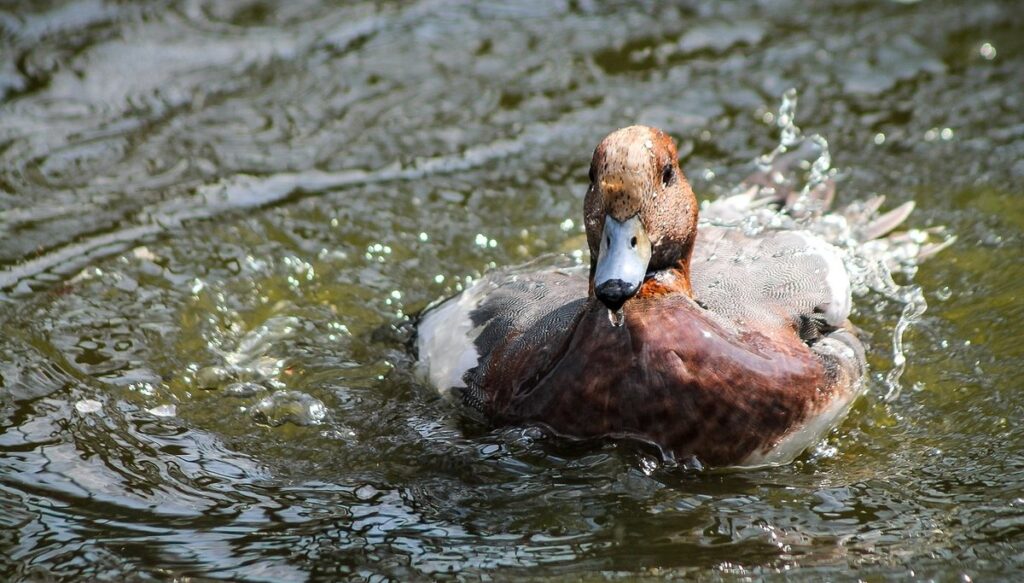
Understanding Duck Breeding and Reproduction
To understand when ducks lay eggs, you first need to grasp how their breeding and reproduction cycle works. This process is crucial for determining egg-laying patterns in different duck species.
Factors Affecting Egg Laying in Ducks
A duck’s egg-laying ability is influenced by several key factors, and understanding these can help you predict when your ducks will start laying eggs. Breed plays a significant role, as some breeds are naturally more prolific layers than others. For example, Leghorns are known for their high egg production, while Muscovy ducks tend to lay fewer eggs.
Age is another crucial factor – most ducklings begin laying eggs at around 16-20 weeks of age, but this can vary depending on breed and individual development. Nutrition also has a significant impact – a balanced diet rich in protein, calcium, and other essential nutrients will help support egg production.
Health is also vital; ducks that are stressed or have underlying health issues may struggle to lay eggs regularly. Ensuring your ducks have access to clean water, a safe living environment, and regular veterinary care can help minimize the risk of health problems.
In terms of practical advice, it’s essential to provide your ducks with plenty of space to roam and forage, as well as a varied diet that includes fresh fruits and vegetables. This will not only support their overall health but also encourage egg production. By understanding these factors, you can create an optimal environment for your ducks to thrive and lay eggs regularly.
Duck Breed Characteristics
Duck breeds exhibit diverse characteristics that significantly impact their reproductive patterns and egg-laying habits. Understanding these differences is essential for managing a successful duck flock.
Some popular breeds, such as Khaki Campbells and Indian Runners, are prolific layers and can produce up to 300 eggs per year. These high-producing breeds are ideal for large-scale commercial operations or backyard farmers seeking an abundance of fresh eggs.
Conversely, some heritage breeds like Muscovy ducks tend to be more temperamental and less productive, laying only around 100-150 eggs annually. Their unique characteristics, such as a natural broodiness and strong parental instincts, make them better suited for smaller-scale farms or those who value their distinct traits.
Other factors influencing reproductive patterns include climate, nutrition, and health conditions. For instance, ducks raised in regions with mild winters may begin laying earlier than those living in areas with harsher climates. Providing a balanced diet rich in essential nutrients can also support optimal fertility and egg production.
When selecting breeds for your flock, it’s crucial to research their specific characteristics and reproductive tendencies to ensure a harmonious and productive environment.
The Breeding Season: When Do Ducks Lay Eggs?
Now that we’ve covered the basics of duck egg-laying, let’s dive into the specifics of when your ducks will start laying eggs during their breeding season. This is a crucial time for any backyard duck keeper.
Spring Breeding Season
As we’ve discussed earlier, ducks are prolific egg layers and can produce eggs throughout the year. However, their productivity is influenced by the changing seasons, with some periods being more favorable than others for egg production.
The spring breeding season is a crucial time for ducks, marking the beginning of a new reproductive cycle. Typically occurring in late winter to early spring, this period allows ducks to take advantage of improved environmental conditions and increased daylight hours. With temperatures rising and food becoming more abundant, female ducks are encouraged to mate and lay eggs. In fact, many backyard duck keepers report an increase in egg production during this time, with some hens producing up to 300 eggs per year.
To maximize egg production during the spring breeding season, make sure your ducks have access to a balanced diet, clean water, and adequate shelter. Consider providing a dust bath area for them to maintain their feathers, as this will help regulate their body temperature and promote overall health. By creating a conducive environment, you’ll be supporting your ducks’ natural instincts and helping them thrive during the spring breeding season.
Fall Breeding Season
The fall breeding season is an essential period for duck owners, as it significantly affects their egg-laying habits. This season usually begins in late summer to early autumn, around August or September, and can last until the onset of winter. During this time, ducks are more inclined to breed due to favorable weather conditions and an abundance of food.
As a result, female ducks tend to go off lay for a few weeks to incubate their eggs. This break in egg production is normal, but it’s essential to be prepared for it. To minimize the impact on your egg supply, consider introducing new females into your flock around August or September. This will help maintain a steady egg-laying schedule.
Keep in mind that some duck breeds are more prolific than others during the fall breeding season. Muscovy and Wood ducks, for example, tend to breed heavily during this time, resulting in a significant increase in their egg production. However, other breeds like Khaki Campbells and Golden 300 Hybrid may not exhibit the same level of reproductive activity.
By understanding the fall breeding season’s influence on duck egg laying, you can make informed decisions about your flock management, ensuring a consistent supply of eggs throughout the year.
Duck Egg Laying Cycle: From Molt to Broodiness
As your duck flock navigates their egg-laying journey, let’s dive into the fascinating process of how ducks go from molting to broodiness and when they’re most likely to lay eggs. This crucial cycle affects their overall productivity.
Molting Period
Ducks go through a molting process periodically, which affects their egg-laying abilities. During this time, they shed and regrow feathers, beaks, and other physical characteristics. The frequency of molting varies among duck breeds, but most experience it once or twice a year.
A critical aspect to note is that ducks do not lay eggs during the molting period. As they redirect energy towards new feather growth, their reproductive functions take a backseat. This can last anywhere from 2-6 weeks, depending on factors like nutrition, health, and breed.
To minimize the impact of molting on egg production, ensure your duck’s diet is balanced and rich in nutrients. Adequate protein intake supports healthy feather regrowth and reduces the duration of the molt. Providing a stress-free environment with plenty of space to roam also helps reduce the length of this period.
Be aware that some duck breeds are more prone to extended molting periods than others. Researching your specific breed’s characteristics will help you anticipate and prepare for these events, ensuring your flock remains healthy and productive throughout the year.
Becoming Broody
As your duck’s egg-laying cycle comes full circle, she may suddenly become broody. This is a natural process where a female duck stops laying eggs and instead focuses on incubating and hatching her own eggs. It’s essential to recognize the physical changes and behavioral adaptations that occur during this time.
One of the first signs of broodiness is the duck’s increased nesting behavior. She’ll start searching for a safe and comfortable spot to lay her eggs, often choosing a secluded area with soft bedding like grass or straw. Her feathers may become fluffed up, and she might become more aggressive when disturbed, as if guarding her precious eggs.
As broodiness takes hold, your duck’s egg-laying cycle will come to an abrupt halt. She won’t produce any new eggs during this time, but instead, will focus on maintaining the temperature of the nest by tucking under her feathers and puffing out her neck to keep warm. If you have a breeding pair or multiple females, it’s crucial to separate them from their potential brood so that one duck can raise the next generation without being overwhelmed.
To manage broodiness in your flock, make sure to provide an adequate nesting area with soft bedding and maintain a safe distance between potential mothers-to-be.
Nutrition and Egg Laying: What Do Ducks Need?
To ensure your ducks are laying eggs consistently, it’s essential to understand what they need nutritionally for optimal health and egg production. Let’s dive into their dietary requirements.
A Balanced Diet for Healthy Egg Laying
A balanced diet is crucial for healthy egg laying in ducks. For optimal production, they require essential nutrients like protein, calcium, phosphorus, and vitamins A, D, E, and K. Protein-rich foods such as grains, beans, and vegetables are vital to support the growth of feathers, muscles, and other tissues. Calcium, found in oyster shells or crushed eggshells, is necessary for strong eggshell development.
In addition to these nutrients, ducks also need adequate water intake, fresh air, and regular exercise to maintain overall health. A deficiency in any one of these areas can lead to reduced egg production or poor egg quality.
To ensure your ducks are getting the right mix of nutrients, consider supplementing their diet with a balanced layer feed specifically formulated for laying birds. This will help fill any gaps in their natural diet and support optimal egg production. For example, adding 10% oyster shells to their feed can provide an extra calcium boost to promote strong eggshells.
It’s also essential to monitor your ducks’ individual nutritional needs based on age, breed, and health status. Some breeds may require more or less of certain nutrients than others. By paying close attention to their diet and making adjustments as needed, you can help ensure healthy, productive laying hens.
Importance of Water Quality
Clean water is essential for ducks to maintain their overall health and egg-laying capabilities. When it comes to duck nutrition, many people focus on providing a balanced diet of grains, fruits, and vegetables. However, clean water is just as crucial for ensuring that your ducks stay healthy and productive.
A dirty or stagnant pond can lead to the spread of diseases such as avian cholera and botulism, which can severely impact egg production. In fact, research has shown that even minor changes in water quality can have a significant impact on duck health. For example, a study found that ducks kept in clean water produced 20% more eggs than those kept in dirty water.
To ensure the best possible water quality for your ducks, make sure to:
* Change the water frequently, ideally every 2-3 days
* Use a pond filter or aerator to keep the water circulating and fresh
* Monitor water temperature, as it should be between 40°F and 80°F (4°C and 27°C) for optimal duck health
By prioritizing clean water in your duck’s environment, you’ll not only promote their overall well-being but also support healthy egg production.
Health Issues Affecting Duck Egg Laying
If you’re struggling with a duck that’s not laying eggs, there could be several health issues at play that are affecting her reproductive cycle. Let’s explore some common problems to look out for.
Common Health Problems in Ducks
Ducks can be prone to various health issues that affect their egg-laying capabilities. One of the most common problems is parasites such as mites, lice, and ticks. These external pests can cause discomfort, stress, and even lead to serious health complications if left untreated.
Internal parasites like tapeworms, roundworms, and coccidiosis can also impact a duck’s ability to lay eggs. These conditions are often caused by contaminated feed or water, and symptoms may include weight loss, diarrhea, and lethargy. Regular deworming and maintaining clean living conditions can help prevent these issues.
Other health problems that may hinder egg laying in ducks include respiratory infections, such as avian influenza and pneumonia, which can be spread through airborne pathogens. Injuries to the reproductive organs or feathers can also affect a duck’s ability to lay eggs. Maintaining a healthy environment, providing nutritious feed, and monitoring your flock regularly can help prevent these health issues.
Signs of Illness in Ducks
Ducks that are stressed or ill may exhibit changes in their egg-laying habits. However, identifying underlying health issues is crucial to address these problems effectively. Some common signs of illness in ducks include:
* Changes in appetite and water consumption
* Discharge or redness around the eyes and beak
* Lethargy or reluctance to move
* Visible wounds or skin lesions
* Changes in droppings, such as diarrhea or blood
When observing these symptoms, it’s essential to check your flock for potential health risks. Consult with a veterinarian if you notice any unusual behavior or physical changes. Regular veterinary check-ups can also help detect underlying issues before they impact egg production.
In addition to monitoring your ducks’ health, maintaining a clean and healthy environment is crucial. Ensure access to fresh water, nutritious food, and adequate shelter. A balanced diet rich in vitamins and minerals supports overall health and may help improve egg production. By prioritizing your ducks’ well-being, you can minimize the risk of illness and promote a thriving flock.
Managing Duck Flocks for Optimal Egg Production
To maximize egg production, it’s essential to understand how to manage your duck flock effectively. We’ll cover key strategies for a thriving and productive flock.
Tips for Raising Healthy Ducks
Raising healthy ducks is essential for optimal egg production. A conducive environment can make all the difference in their well-being and productivity. When it comes to designing a habitat for your duck flock, consider the following:
* Provide adequate space: Aim for at least 2-4 square feet per bird inside the coop, and 8-10 square feet of outdoor space per bird. This will give them room to move around and exercise.
* Create a safe roosting area: Ducks need a place to roost safely at night. Ensure that your coop has sturdy perches and adequate ventilation to prevent drafts.
* Offer plenty of water sources: Ducks need access to clean, fresh water for drinking, bathing, and dust bathing.
In terms of flock management, it’s crucial to maintain a healthy balance between birds. Overcrowding can lead to stress, disease, and decreased egg production. Monitor your flock regularly, separating any sick or injured birds from the rest.
By creating a supportive environment and managing your flock effectively, you’ll be well on your way to raising happy, healthy ducks that will provide you with an abundance of eggs throughout the year.
Maximizing Egg Yield
Maximizing Egg Yield is crucial to ensure a steady supply of fresh eggs from your duck flock. To boost egg production, focus on providing optimal nutrition and a stress-free environment for your ducks. A balanced diet rich in protein, vitamins, and minerals is essential for healthy egg-laying. Ensure access to high-quality feed, supplemented with calcium sources like oyster shells or crushed eggshells to support strong eggshell production.
Maintain a clean and spacious coop to prevent stress-related issues that can impact egg yield. Provide adequate light, ventilation, and temperature control within the coop to promote overall health and well-being. Monitor your flock’s water intake to ensure it remains fresh and accessible at all times.
Consider introducing foraging activities, such as allowing ducks to roam in a secure fenced area or providing a designated foraging zone with natural grasses and plants. This can stimulate their natural behavior and encourage exploration, potentially leading to increased egg production.
Conclusion: Unlocking the Secrets of Duck Egg Laying
Now that we’ve explored when ducks typically start laying eggs, it’s time to summarize what you’ve learned and uncover some fascinating secrets behind duck egg production. Let’s take a closer look at what we’ve discovered!
Recap of Key Takeaways
As we conclude our exploration of when ducks lay eggs, it’s essential to recap the key takeaways from this article. By now, you should have a comprehensive understanding of the factors that influence egg-laying in ducks.
Ducks typically begin laying eggs at around 16-24 weeks of age, depending on their breed and sex. If you’re wondering when your duck will start laying, consider the factors we discussed earlier: genetics, nutrition, and environmental conditions. A well-balanced diet rich in calcium and a safe, stress-free environment can encourage your duck to start laying eggs sooner.
Remember that egg-laying is a natural process for ducks, but it’s also influenced by individual characteristics, such as breed and sex. Some breeds are more prolific layers than others, while males (drakes) typically don’t lay eggs at all.
To ensure optimal egg production, make sure your duck has access to fresh water, adequate space, and regular veterinary check-ups. A dirty or crowded coop can stress out your duck, leading to reduced egg-laying. On the other hand, a clean and well-maintained environment can encourage your duck to produce eggs regularly.
When managing a flock of ducks for egg production, keep in mind that some ducks may start laying eggs at different times than others. This is normal, so don’t worry if you notice variations within your flock. With proper care and attention, your ducks should continue to lay eggs throughout the year, providing you with a steady supply of fresh eggs.
By following these tips and taking into account the individual needs of your duck, you can enjoy a bountiful harvest of delicious, healthy eggs from your feathered friends.
Frequently Asked Questions
How can I prioritize my duck’s health when planning for egg production?
Make sure to provide a balanced diet rich in nutrients, including proteins, vitamins, and minerals. Ensure access to clean water at all times. Regularly monitor your ducks’ health, watching out for signs of illness or stress that could impact egg-laying.
Can I use supplements to boost my duck’s egg production without affecting their overall health?
While some supplements can be beneficial, it’s essential to research and choose products specifically designed for poultry. Consult with a veterinarian before adding any new supplements to your ducks’ diet to avoid potential harm or interactions with other nutrients.
What are the key differences between spring and fall breeding seasons in terms of egg laying?
Spring breeding typically sees higher egg production due to optimal weather conditions and longer daylight hours. Fall breeding, on the other hand, often results in fewer eggs as days shorten, and temperatures drop. Be prepared to adjust your management strategies accordingly.
How do I recognize signs that my ducks are becoming broody or experiencing health issues related to egg laying?
Keep a close eye on your flock’s behavior, watching for changes in appetite, energy levels, or feather condition. Monitor their droppings for signs of illness and keep an accurate record of egg production to identify any potential problems.
Can I use my ducks’ breeding season as an opportunity to introduce new breeds or expand my flock?
Introducing new breeds can be challenging and may affect your existing flock’s dynamics. Consider the age, health, and temperament of both the new birds and your current flock before making changes. Research compatibility and take steps to minimize stress on your flock during this transition period.