
Wild mallards are a common sight in many urban parks and waterways, bringing joy and wonder to birdwatchers of all ages. However, feeding these beautiful creatures can be a double-edged sword. On one hand, it’s wonderful to see them thrive on human-provided foods. But on the other, a diet consisting mainly of bread and scraps can lead to health problems and even death.
That’s why understanding what to feed wild mallards is crucial for their well-being and safety. In this article, we’ll explore the best foods to provide, including aquatic plants and insects, while also discussing how to minimize risks associated with human-provided food. By learning how to feed these magnificent birds responsibly, you can help ensure they stay healthy and thrive in their natural habitats.
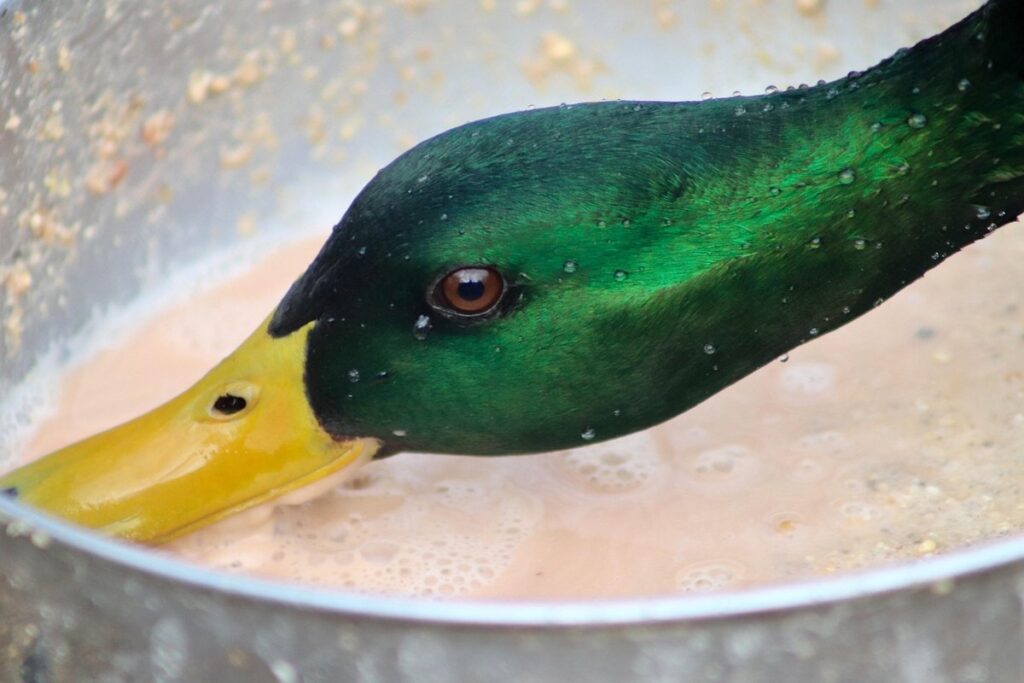
Understanding Mallard Nutrition and Diet
Wild mallards have specific dietary needs, and understanding what they can eat safely is crucial to feeding them effectively. Let’s dive into the key components of a balanced diet for these beautiful waterfowl.
The Importance of Proper Nutrition
When it comes to feeding wild mallards, providing them with proper nutrition is crucial for their overall health and well-being. A balanced diet that includes proteins, carbohydrates, and fats from various food sources will ensure they stay healthy and thrive.
In the wild, mallards feed on a wide variety of plants and animals, including aquatic vegetation, grasses, seeds, fruits, insects, and small invertebrates like snails and worms. To replicate this diverse diet, you can offer them a mix of different foods such as:
* Leafy greens like kale, spinach, and collard greens
* Fresh vegetables like carrots, sweet potatoes, and squash
* Whole grains like oats, barley, and wheat
* Fruits like berries, apples, and bananas
* High-protein foods like mealworms, sunflower seeds, and cracked corn
It’s essential to note that wild mallards have specific nutritional needs at different stages of their life cycle. For example, growing ducklings require a diet rich in protein to support their rapid growth and development.
Identifying Nutrient Deficiencies in Wild Mallards
Identifying nutrient deficiencies in wild mallards is crucial to ensuring their overall health and well-being. A common deficiency found in these birds is vitamin E deficiency, which can lead to weakened immune systems and poor health outcomes. This is often due to the lack of access to diverse food sources that provide a balanced mix of nutrients.
In addition to vitamin E, wild mallards may also suffer from deficiencies in other essential nutrients such as omega-3 fatty acids, calcium, and iron. These deficiencies can be caused by factors like habitat loss, pollution, and changes in food availability.
To identify nutrient deficiencies in wild mallards, monitor their behavior and physical condition closely. Look for signs of poor health, such as lethargy, feather plucking, or labored breathing. Additionally, consider conducting simple blood tests to assess the levels of essential nutrients. By recognizing these deficiencies early on, you can take steps to provide the necessary supplements and ensure the long-term health of these magnificent creatures.
Food Sources for Wild Mallards
When it comes to providing a balanced diet, knowing where to find nutritious food sources is crucial. Let’s explore some of the best places to forage for wild mallard treats in and around their habitats.
Aquatic Plants and Algae
When it comes to feeding wild mallards, incorporating aquatic plants and algae into their diet can be incredibly beneficial. These nutrient-rich plants provide essential vitamins, minerals, and fiber that wild mallards need to thrive.
Some of the most common and easily accessible aquatic plants for wild mallards include duckweed, water lilies, and algae. Duckweed is a tiny plant that grows on the surface of ponds and lakes, while water lilies can be found in shallow waters. Algae can be spotted growing on rocks, logs, or even the sides of ponds.
To incorporate these plants into your wild mallard feeding routine, simply place them in their natural environment or bring them to a designated feeding area. You can also try growing duckweed or other aquatic plants in containers and placing them near a pond or lake.
When introducing new foods, always supervise the wild mallards to ensure they’re adapting well to the change. As an added bonus, aquatic plants are free and readily available, making them a cost-effective and environmentally friendly option for feeding wild mallards.
Insects and Small Invertebrates
When it comes to feeding wild mallards, incorporating insects and small invertebrates into their diet can be a game-changer. These tiny creatures are packed with protein, which is essential for maintaining the birds’ energy levels, particularly during breeding season or when they’re molting.
Mosquito larvae, snails, and slugs are all excellent examples of insects that wild mallards love to munch on. You can find mosquito larvae in shallow pools of water, where they feed on algae and other microorganisms. Simply skim the surface with a net, and you’ll have a bucket full of protein-rich treats.
Snails and slugs, on the other hand, are often found in gardens, forests, or even your backyard. Look for them under leaves or near plant stems. Wild mallards adore snatching up these slimy creatures, which are rich in iron and calcium.
If you’re not comfortable catching live insects, consider supplementing their diet with mealworms or crickets. These commercial alternatives are easy to find at most pet stores or online. Simply place them in a shallow dish near the birds’ feeding area, and they’ll take care of the rest.
Supplementing Wild Mallard Diets with Human-Provided Foods
When it comes to supplementing their diets, you’ll want to focus on providing foods that complement their natural foraging habits without overfeeding them. Consider these essential tips for adding human-provided foods to your wild mallard’s diet.
Pros and Cons of Feeding Wild Mallards
Feeding wild mallards human-provided foods can be a contentious issue, with both advocates and critics presenting compelling arguments. On one hand, providing supplemental food can help support the birds during harsh winters or times of scarcity, ensuring they remain healthy and thrive in their environment.
However, there are also potential downsides to consider. Over-reliance on human-provided foods can lead to malnutrition and obesity in wild mallards, as their diets become imbalanced and lacking in essential nutrients. Furthermore, feeding the birds can create dependency and alter their natural foraging behaviors, ultimately disrupting the ecosystem.
Moreover, introducing human foods like bread, crackers, or leftover fruits can have detrimental effects on water quality and the overall environment. Excess food waste can lead to an increase in aquatic weed growth, negatively impacting other wildlife that inhabits the area.
Recommended Human-Provided Foods for Wild Mallards
When it comes to supplementing wild mallard diets with human-provided foods, there are certain options that are considered safe and nutritious. Cracked corn is a popular choice among bird enthusiasts, and for good reason. It’s easy to obtain and can be offered in moderation as an occasional treat.
Another option is oats, which provide a valuable source of fiber and energy for these birds. Just be sure to offer them in their whole form, rather than processed or instant varieties. This will ensure that your wild mallard friends are getting the nutrients they need without any added fillers or preservatives.
Remember to always introduce new foods gradually and in small amounts to prevent digestive upset. A good rule of thumb is to start with a tiny amount (about 1/4 teaspoon per bird) and gradually increase the quantity over time. By doing so, you can help ensure that your wild mallard visitors stay healthy and happy throughout the year.
Potential Health Risks Associated with Feeding Wild Mallards
Feeding wild mallards can have unintended consequences, including introducing pathogens and bacteria to local waterways that can harm both ducks and humans. Let’s explore these potential risks together.
Lead Poisoning from Birdseed
When feeding wild mallards, it’s essential to be aware of the potential risks associated with birdseed. One particular concern is lead poisoning from contaminated seed. This can occur when birds ingest birdseed that contains lead shot or other heavy metals. Lead is a toxic substance that can accumulate in the body and cause serious health problems.
Lead poisoning can manifest itself in various ways, including vomiting, diarrhea, lethargy, and even death. In fact, studies have shown that exposure to high levels of lead can be fatal for wild mallards. For example, a study conducted by the US Fish and Wildlife Service found that birds fed seed containing lead shot had a mortality rate of 60% within just a few weeks.
To avoid this risk, it’s crucial to choose birdseed that is free from contaminants. Look for seed mixes specifically labeled as “lead-free” or “non-toxic.” You can also try making your own birdseed at home using non-toxic ingredients like sunflower seeds, nuts, and dried fruits. By taking a few simple precautions, you can help ensure the health and well-being of the wild mallards in your area.
Other Health Risks and Concerns
When it comes to feeding wild mallards, it’s essential to consider not only what you’re feeding them but also potential health risks associated with human-provided foods. Two significant concerns are avian cholera and botulism.
Avian cholera is a bacterial disease that can spread quickly through contaminated food or water sources. Wild mallards may contract the disease by consuming spoiled or decaying matter, which can be exacerbated by feeding them bread or other high-carbohydrate foods. These foods can contribute to an imbalance in their digestive system, making them more susceptible to illness.
Similarly, botulism is a potentially deadly condition caused by eating food contaminated with the bacterium Clostridium botulinum. Wild mallards may ingest these toxins through spoiled or decaying food, including fish guts and other aquatic organisms. To mitigate this risk, it’s crucial to provide nutritious foods that won’t contribute to an imbalance in their digestive system.
When feeding wild mallards, choose fresh fruits, vegetables, and whole grains instead of processed foods like bread or table scraps.
Best Practices for Feeding Wild Mallards in Urban and Rural Areas
When feeding wild mallards, it’s essential to follow best practices that prioritize their health and well-being, regardless of your location. Here are some guidelines for responsible feeding.
Minimizing Conflicts with Local Wildlife
When feeding wild mallards, it’s essential to consider the impact on local wildlife. Wild mallards may compete with other birds and animals for food resources, leading to conflicts over limited food supplies. A common example is when feeders attract deer, raccoons, or even coyotes, which can lead to aggressive behavior towards humans and other wildlife.
To minimize these conflicts, start by choosing a safe location for your feeder. Place it at least 10 feet away from any water source, as this will discourage larger animals like deer from approaching the area. You should also consider using a feeder that’s specifically designed to keep larger animals out, such as one with weight-activated perches or a cage-style feeder.
Another strategy is to provide a variety of food sources throughout your yard. Offer native plants, shrubs, and trees that produce berries, seeds, or nuts, which will attract a range of wildlife beyond just mallards. This can help reduce competition for food and create a more balanced ecosystem. By taking these steps, you can enjoy feeding wild mallards while also respecting the needs of other local wildlife.
Creating Mallard-Friendly Environments
Creating a mallard-friendly environment can greatly benefit these beautiful birds and encourage them to visit and thrive in urban and rural areas. When designing an environment that supports wild mallards, consider providing nesting sites, such as vegetation or shrubs with dense foliage, where they can safely lay their eggs and raise their young. Sheltered areas, like covered ponds or pools with a surrounding garden, also offer a secure space for them to rest and hide from potential predators.
Incorporating native plants that provide food sources, like duckweed or aquatic vegetation, into your landscape design is another crucial aspect of creating a mallard-friendly environment. This will encourage the birds to stay longer and explore their surroundings, rather than relying solely on handouts. For example, consider planting native grasses, sedges, or rushes along waterways to provide shelter and foraging opportunities.
By incorporating these elements into your landscape design, you can create a welcoming space that allows wild mallards to thrive without becoming too dependent on human-provided food.
Conclusion: Balancing Wild Mallard Nutrition and Human Intervention
As we’ve explored various feeding options for wild mallards, it’s essential to balance their natural diet with human intervention. Now, let’s discuss how to make informed choices about what to feed them.
Recap of Key Points
When feeding wild mallards, it’s essential to recall the key takeaways from our comprehensive guide. By now, you should have a solid understanding of the best foods to offer these beautiful birds and the potential risks associated with human-provided sustenance.
Firstly, we discussed how to identify healthy vs. unhealthy food sources for wild mallards. We emphasized the importance of providing natural foods that are high in protein and fiber, such as aquatic plants, grasses, and insects. Examples like duckweed, water lilies, and snails were highlighted as excellent choices. On the other hand, we warned against offering processed foods, junk food, and human leftovers, which can lead to malnutrition and even death.
We also examined the risks of overfeeding and underfeeding wild mallards. Overfeeding can contribute to obesity, while underfeeding can result in poor body condition and decreased immunity. It’s crucial to strike a balance between providing enough sustenance and allowing these birds to forage naturally.
Moreover, we discussed potential health risks associated with human-provided foods, such as:
* Laying ducks fed bread, which can lead to calcium deficiency
* Mallards fed lettuce, which can cause vitamin A toxicity
* Wild mallards fed domestic cat food, which can result in selenium poisoning
To recap, always prioritize natural, nutrient-rich foods and avoid offering processed or human-provided sustenance. Be mindful of feeding frequencies and quantities to ensure the well-being of these magnificent birds. By adhering to our guidelines, you’ll be contributing to the health and happiness of wild mallards in your area.
Remember, a balanced diet is essential for maintaining the overall health and vitality of wild mallards. By providing the right foods and avoiding potential pitfalls, you can help ensure these beautiful creatures thrive in their natural habitats.
Frequently Asked Questions
What if I accidentally feed wild mallards the wrong food, and they develop a health problem?
If you’ve fed wild mallards with human-provided foods and you’re concerned about their health, contact local wildlife experts or a rehabilitation center for guidance. They can provide advice on how to identify nutrient deficiencies and create a plan to help the birds recover.
Can I feed wild mallards at night, when they are most active?
Yes, feeding wild mallards at night may be challenging due to visibility issues, but it’s also crucial to avoid disrupting their natural behavior. Stick to feeding them during daylight hours or use a reliable food source that can withstand nighttime conditions.
How do I know if the aquatic plants and insects I provide are sufficient for the local wildlife?
Observe the mallards’ behavior and consumption patterns to gauge whether your provided foods meet their needs. You may need to supplement with other nutrient-rich food sources, especially during harsh weather conditions or times of scarcity.
What can I do if the birds become too reliant on human-provided foods and start to ignore natural forage?
Gradually wean them off by reducing human-provided food portions over time, while increasing access to natural food sources. Also, consider creating a mallard-friendly environment with diverse aquatic vegetation and insect habitats.
Can I still feed wild mallards even if my local park or area has no clear guidelines on bird feeding?
While it’s recommended to follow local regulations and guidelines, you can consult with local wildlife experts or authorities to determine the best course of action. Be prepared to adapt your approach according to their advice and prioritize the well-being of both humans and wildlife in your area.