
Are you an aspiring or experienced duck breeder looking to improve your hatch rates? If so, then understanding the ideal temperature range for duck egg hatching is crucial. The success of your brood depends on it! Maintaining optimal temperatures is essential for healthy development and can significantly boost hatch rates. However, even small deviations in temperature can spell disaster for your precious eggs.
In this comprehensive guide, we’ll delve into the factors affecting duck egg hatching temperature, covering everything from ideal incubation temperature ranges to troubleshooting common issues that might be hindering your success. By the end of this article, you’ll have a clear understanding of how to create an optimal environment for successful hatchings and take your breeding program to the next level.
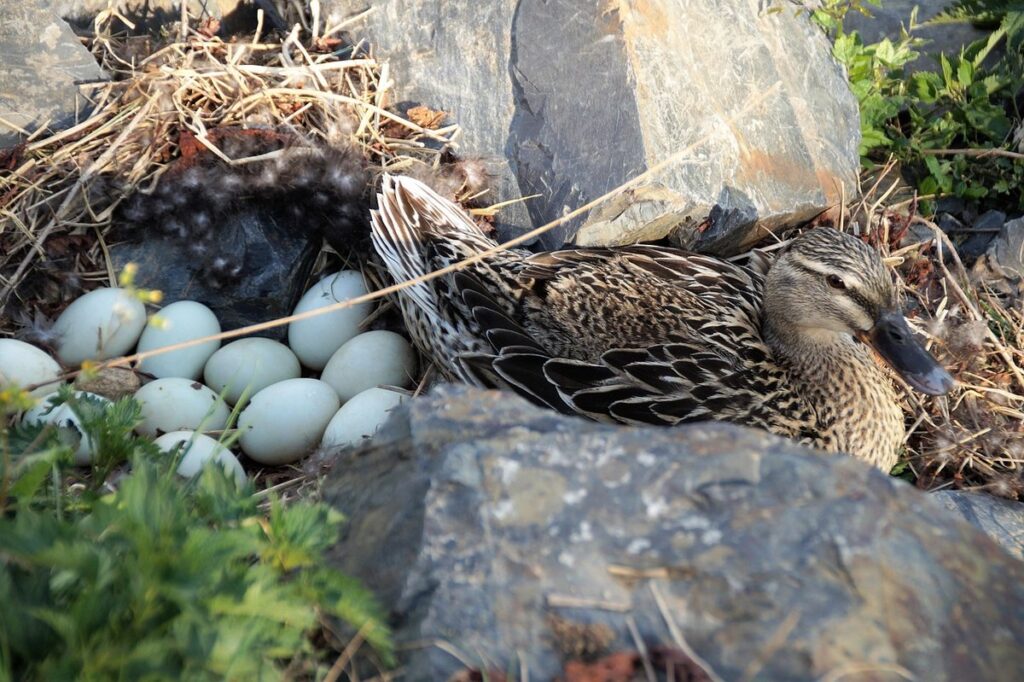
Understanding Duck Egg Hatching Basics
To successfully hatch duck eggs, it’s essential to understand the basics of incubation temperature and how it affects embryo development. This process is a delicate balance.
Importance of Temperature in Hatching
Temperature plays a vital role in duck egg hatching, and its importance cannot be overstated. As an aspiring duck breeder, it’s crucial to understand the impact of temperature on embryonic development and hatch rates.
During incubation, the embryo develops rapidly, and temperature fluctuations can affect this process significantly. A consistent temperature range between 99°F (37°C) and 100°F (38°C) is ideal for duck eggs. If the temperature drops or rises above this range, it can lead to delayed hatching, reduced hatch rates, or even embryonic mortality.
The embryo’s growth and development are highly sensitive to temperature changes. For instance, if the temperature dips below 99°F (37°C), the embryo may develop more slowly, leading to a longer incubation period. Conversely, temperatures above 100°F (38°C) can cause the embryo to develop too quickly, resulting in weakened chicks that may struggle to hatch or thrive.
To achieve optimal hatching results, it’s essential to maintain a stable temperature environment during incubation. This can be achieved by using an accurate thermometer, ensuring proper ventilation, and keeping the incubator away from direct sunlight or drafts. By paying attention to temperature fluctuations and maintaining a consistent range, you can significantly improve hatch rates and give your ducklings the best chance at a healthy start in life.
Factors Influencing Hatching Temperature
When it comes to hatching duck eggs, temperature plays a crucial role. However, what’s often overlooked is that not all breeds and incubation methods require the same ideal hatching temperature. Several factors can influence this delicate balance.
For instance, different duck breeds have varying optimal hatching temperatures. For example, Khaki Campbells and Muscovy ducks prefer slightly lower temperatures around 99°F (37°C), while some breeds like Call and Wood Ducks thrive in warmer conditions at around 100°F (38°C). As a responsible breeder or enthusiast, it’s essential to research the specific breed you’re working with to ensure you provide the right temperature.
Another critical factor is the age of the eggs. Freshly laid eggs usually require slightly lower temperatures than older ones. Additionally, the incubation method itself can impact the ideal hatching temperature. For example, using a still-air incubator or a forced-air incubator requires different temperature settings to ensure optimal hatching success. Be aware that your incubator’s type and settings will greatly affect the outcome of your duck egg hatching endeavors.
Ultimately, understanding these factors and tailoring your approach accordingly is key to successfully hatching duck eggs at home or in a commercial setting.
Optimal Hatching Temperature Range
When it comes to the optimal hatching temperature range for duck eggs, a generally accepted range is between 99°F and 100°F (37.2°C to 37.8°C). This narrow window of temperature is crucial for successful hatching. If the incubation temperature is too high or too low, it can lead to poor embryonic development, reduced hatch rates, or even embryo death.
Maintaining a consistent temperature within this range ensures that the duckling’s metabolism is stimulated at the right pace, allowing for proper growth and development. In fact, research has shown that temperatures above 100°F (37.8°C) can cause increased water loss in embryos, while temperatures below 99°F (37.2°C) may slow down development.
To ensure optimal hatching conditions, it’s essential to monitor the temperature closely throughout the incubation period. You can use a reliable thermometer to keep track of the temperature fluctuations and make adjustments as needed. For example, if you notice that your temperature has risen above 100°F (37.8°C), take steps to cool it down immediately to prevent any potential harm to the embryos.
Breeds and Their Specific Hatching Requirements
When incubating duck eggs, it’s essential to consider the specific hatching requirements of different breeds, as some may have unique temperature needs to ensure successful hatching. Understanding these variations can make all the difference for new and seasoned breeders alike.
Temperament-Specific Temperature Ranges
When it comes to duck egg hatching temperature, different breeds may have slightly varying optimal temperatures. For instance, the Khaki Campbell breed is recommended to be incubated at around 98°F (36.7°C). This is because their unique genetic makeup has adapted them to thrive in specific environmental conditions.
Another example is the Muscovy breed, which requires a slightly lower temperature of about 96-97°F (35.5-36.1°C) for optimal hatching rates. It’s essential to note that these variations are not drastic, and most breeds will still hatch successfully within a relatively narrow temperature range of 96-100°F (35.5-37.7°C).
When choosing the right temperature for your duck eggs, it’s crucial to consider the breed you’re working with. Research the specific requirements for your ducks and make adjustments accordingly. This may involve consulting breed-specific resources or reaching out to experienced duck keepers in your community. By providing the optimal environment for your ducklings, you’ll set them up for a healthy start in life.
Factors to Consider When Choosing a Breed
When choosing a breed for your duck-keeping endeavors, it’s essential to consider the specific temperature requirements and environmental factors that will affect their health and well-being. Different breeds have varying tolerances for heat and cold, making some more suitable for certain climates or regions.
For instance, Khaki Campbells are known for their hardiness in hot temperatures and can thrive in environments with minimal shade, whereas Muscovy ducks prefer cooler temperatures and need protection from direct sunlight. Wood Ducks, on the other hand, require a moderate climate with adequate shelter from wind and rain.
Before selecting a breed, research their specific needs to ensure they align with your living situation. Consider factors such as:
* The average temperature range in your area
* Availability of shade or shelter for your ducks
* Local regulations regarding duck keeping
* Your ability to provide regular veterinary care
By choosing a breed that suits your environment, you’ll be better equipped to meet their unique needs and promote a healthy, thriving flock.
Incubation Methods and Hatching Temperature Control
To successfully incubate duck eggs, you need to understand various methods of keeping them at a precise temperature, which we’ll explore in detail below.
Traditional vs Modern Incubation Methods
When it comes to hatching duck eggs, you have two primary options: traditional brooder box methods and modern incubators. While both methods can be effective, they differ significantly in terms of temperature control capabilities.
Traditional brooder boxes rely on manual temperature adjustments, which can lead to inconsistent temperatures that may harm your developing ducklings. For example, if the temperature is too high, it can cause respiratory problems, while a temperature that’s too low can slow down development. To overcome these limitations, you’ll need to constantly monitor and adjust the temperature, which can be time-consuming.
In contrast, modern incubators offer advanced temperature control systems that ensure precise temperature regulation. These incubators often come equipped with digital displays and automatic temperature adjustments, making it easier to maintain optimal temperatures for hatching duck eggs. Some top-of-the-line models even feature adjustable humidity controls and alarms that notify you of any temperature fluctuations.
If you’re serious about hatching healthy ducklings, investing in a modern incubator is likely the better choice. Not only will it simplify the process, but it’ll also provide the precise temperature control your eggs need to thrive.
Maintaining Consistent Temperatures
Maintaining consistent temperatures throughout the incubation period is crucial for successful duck egg hatching. Without proper temperature control, eggs may not develop correctly, leading to poor hatch rates and chick health issues.
To ensure consistent temperatures, it’s essential to use accurate thermometers specifically designed for incubation purposes. Digital thermometers with high accuracy (±0.1°C) are recommended over traditional mercury thermometers. Place the thermometer near the eggs, ideally at the same level as the egg trays, to get an accurate reading of the temperature in the incubator.
In addition to thermometers, heaters play a vital role in maintaining consistent temperatures. You can use either heat lamps or ceramic heat emitters, depending on your personal preference and setup. It’s crucial to position these heaters correctly, ensuring that they don’t directly touch the eggs or create hot spots. A temperature range of 99-100°F (37-38°C) is ideal for duck egg incubation.
Regularly checking and adjusting the temperature can make a significant difference in hatch rates. Monitor the thermometer closely during the first few days of incubation, making adjustments as necessary to maintain the optimal temperature.
Environmental Factors Affecting Hatching Temperature
When it comes to hatching duck eggs, environmental factors can play a crucial role in determining the ideal temperature for successful incubation and healthy development. Let’s explore some of these key influences on your hatching process.
Humidity Levels and Their Impact on Hatching
Maintaining optimal humidity levels is crucial for successful duck egg hatching. High humidity can cause moisture to condense inside the egg, leading to mold growth and bacterial contamination, which can be lethal for developing embryos. On the other hand, low humidity can result in eggs drying out and preventing the embryo from developing properly.
To achieve a balance, it’s recommended to maintain a relative humidity level of 50-60% during incubation. This range allows for moisture retention without promoting excessive condensation or fungal growth. A hygrometer can help monitor humidity levels, ensuring they stay within this optimal range.
For example, a DIY incubator with inadequate ventilation might struggle to maintain the recommended humidity levels. Conversely, using a commercial incubator designed with precise temperature and humidity control will make it easier to achieve the ideal conditions for duck egg hatching.
Temperature Fluctuations During Hatching
Temperature fluctuations during hatching can be detrimental to ducklings. As we approach the final stages of incubation, it’s essential to maintain a stable temperature within 1-2°F of the optimal range. A sudden drop or rise in temperature can trigger stress responses in embryos, leading to malformations, growth restriction, or even embryo death.
During this critical period, the duckling’s metabolism accelerates, and its body temperature begins to regulate itself. Sudden changes can disrupt this process, causing an energy crisis that may lead to weak, underdeveloped ducklings. For example, a sudden drop from 99°F to 95°F during the final stages of incubation can result in reduced fertility, lower hatch rates, or even embryo death.
To mitigate temperature fluctuations, it’s crucial to use a reliable and accurate temperature control system, such as an egg turner with a built-in temperature gauge. Ensure that your incubator is well-maintained, and any necessary adjustments are made promptly to prevent temperature swings.
Troubleshooting Common Issues Related to Hatching Temperature
If you’re experiencing issues with hatching temperatures, don’t worry – we’ve got you covered. This section will walk you through common problems and solutions related to temperature control.
Signs of Abnormal Incubation Temperatures
When it comes to duck egg hatching temperature, there are several signs that can indicate a problem. One of the most common symptoms is delayed hatch times. If you’ve calculated the correct incubation time and the eggs are still not hatching after 28-30 days, it could be a sign of abnormal temperature.
Another indication of a temperature issue is failed hatchings. This can be heartbreaking for breeders who have carefully selected their duck eggs. A failed hatching might be due to an inconsistent or fluctuating incubation temperature.
You may also notice that some eggs are not developing at all, while others in the same batch seem fine. This can be a clear sign of a temperature problem affecting the embryo’s development.
If you suspect a temperature issue, it’s essential to monitor your incubator closely and make adjustments as needed. Check the temperature gauge regularly, and ensure that the thermometer is accurate. If you’re using an automatic egg turner, make sure it’s functioning correctly and not causing any vibrations that could affect the temperature.
Keep in mind that a consistent temperature of around 99-100°F (37-38°C) is crucial for successful hatching. Any deviation from this range can impact the embryo’s development and lead to poor hatch rates or failed hatchings.
Strategies for Recovering from Suboptimal Conditions
If you’ve experienced suboptimal incubation conditions, it’s essential to take corrective action to improve hatch rates. The first step is to identify the cause of the issue – whether it’s a temperature deviation, humidity imbalance, or faulty incubator equipment. Once you’ve pinpointed the problem, you can start implementing strategies for recovery.
To adjust for a temperature drop, for instance, you may need to increase the temperature by 0.5-1°F (0.3-0.6°C) over several hours. This will help maintain an optimal environment for development. If humidity levels were too low, gently increasing the misting frequency or raising the water level in the incubator can mitigate this issue.
Another crucial aspect is to monitor your duck eggs’ condition closely during recovery. Keep a keen eye on temperature fluctuations, and ensure they remain within the acceptable range (99-100°F / 37.2-37.8°C). By taking swift action and carefully monitoring conditions, you can minimize the impact of suboptimal incubation conditions and increase the chances of successful hatching.
Advanced Techniques in Temperature Control and Monitoring
To take your duck egg hatching success to the next level, you’ll want to learn advanced techniques for precise temperature control and monitoring. This involves using thermometers, hygrometers, and more sophisticated incubation methods.
High-Tech Solutions for Enhanced Temperature Control
In today’s world of advanced technology, high-tech solutions have revolutionized the way we monitor and control temperature. When it comes to duck egg hatching, precise temperature control is crucial for successful incubation. One such cutting-edge technology that allows for precise temperature control is the automatic temperature regulator.
This innovative device can be programmed to maintain a consistent temperature within a narrow range of ±0.1°C, ensuring optimal conditions for embryo development. Automatic temperature regulators are particularly useful in large-scale commercial hatcheries where manual temperature adjustments can be time-consuming and prone to human error. For example, some modern incubators come equipped with built-in automatic temperature control systems that can adjust temperature settings based on pre-programmed schedules or even respond to changes in ambient temperature.
When selecting an automatic temperature regulator for duck egg hatching, consider the following factors: accuracy, reliability, ease of use, and scalability. By investing in high-tech solutions like these, you’ll be well-equipped to provide your ducks with a precise and stable environment that supports healthy growth and development from day one.
Benefits of Continuous Temperature Monitoring
Continuous temperature monitoring is an advanced technique that offers numerous benefits for maintaining optimal temperatures during incubation. By using real-time monitoring systems, you can ensure that the ideal temperature range of 99-100°F (37-37.7°C) is consistently met.
This is crucial for successful hatching as even minor fluctuations can have a significant impact on embryonic development. With continuous monitoring, you’ll be alerted to any deviations in temperature, allowing you to take corrective action promptly. This reduces the risk of failed hatchings and ensures healthier chicks.
For example, some incubation systems come equipped with Wi-Fi connectivity or mobile apps that enable real-time tracking from your smartphone or computer. This level of accessibility makes it easier to stay on top of temperature fluctuations and make adjustments as needed.
By investing in a continuous monitoring system, you’ll be able to fine-tune your temperature control and improve overall hatch rates. With the right tools at hand, you can maintain an optimal environment for successful duck egg hatching and minimize potential risks associated with temperature variations.
Frequently Asked Questions
Can I use a digital thermometer for accurate temperature readings?
Yes, digital thermometers are highly recommended for precise temperature control during incubation. They provide quick and accurate readings, which is essential for maintaining optimal hatching temperatures.
How often should I check the temperature and humidity levels in my incubator?
Regular checks (every 2-3 hours) are crucial to ensure that your duck eggs receive a consistent environment conducive to healthy development. This frequency helps you catch any deviations or issues before they negatively impact hatch rates.
What if I notice temperature fluctuations during the hatching process? Should I intervene?
Temperature fluctuations during hatching can cause significant stress on embryos. While it’s tempting to adjust temperatures, it’s generally recommended not to intervene unless extreme fluctuations occur (more than 1°F/0.5°C deviation). This allows the natural process to unfold as much as possible.
Can I use a single temperature setting for all duck breeds, or do they require specific ranges?
While the optimal hatching temperature range remains relatively consistent across most duck breeds (99-100°F/37-38°C), some breeds may benefit from slightly adjusted temperature settings. Research your specific breed’s needs to ensure you’re providing the best possible environment for successful hatchings.
How can I maintain a stable and consistent incubation environment, especially in areas with varying temperatures or humidity levels?
To achieve a stable environment, consider investing in climate control systems specifically designed for incubators. These advanced solutions can help regulate both temperature and humidity levels within a narrow range, even in environments prone to fluctuations.