
Growing your own mealworms at home can be a fun and rewarding experience, especially if you’re looking for a sustainable way to feed your pets or experiment with new recipes. Mealworms are an excellent source of protein, rich in nutrients and easy to raise, making them an attractive alternative to traditional animal feed. But where do you start? With the right setup, feeding schedule, and care, you can successfully breed mealworms and harvest them for use in your kitchen or as a nutritious treat for your pets. In this comprehensive guide, we’ll walk you through the process of growing mealworms from scratch, covering everything from setting up their enclosure to harvesting them at their peak. Whether you’re a seasoned entomologist or a curious beginner, our step-by-step instructions will help you get started on your mealworm-growing journey.
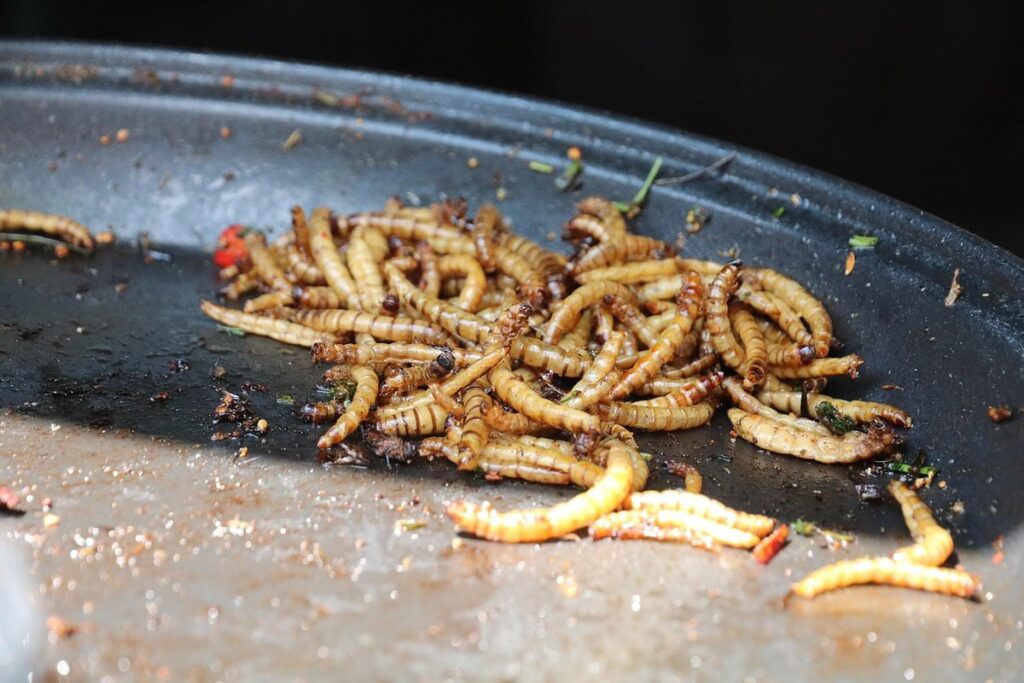
Introduction to Mealworm Farming
Welcome to the world of mealworm farming! This section will walk you through the basic principles and requirements for starting a successful mealworm farm, from housing to feeding.
Benefits of Raising Mealworms
Raising mealworms has several benefits that make them an attractive option for farmers and pet owners alike. One of the most significant advantages is their nutritional value. Mealworms are a rich source of protein, containing up to 55% protein by weight, making them an ideal feed supplement for animals such as chickens, ducks, and fish.
Their versatility also extends to human consumption, with mealworms being used in various forms of food products, from energy bars to vegan burgers. In addition, they can be composted into a nutrient-rich fertilizer, reducing waste and promoting sustainable farming practices.
In terms of potential uses, mealworms are an excellent option for animal feed due to their high protein content and ease of cultivation. They can also be used as a food source in zoos, aquariums, and other institutions that care for exotic animals.
Some notable examples of industries that utilize mealworms include the poultry and aquaculture sectors, which rely heavily on sustainable and cost-effective feed sources. By growing your own mealworms, you can provide yourself or others with a reliable supply of this valuable resource while minimizing environmental impact.
Understanding Mealworm Life Cycle
Understanding the life cycle of mealworms is crucial to successfully growing them. A mealworm’s life cycle consists of four stages: egg, larva, pupa, and adult.
The first stage begins when a female mealworm lays 40-50 eggs, typically on a food source like oats or wheat bran. The eggs hatch after 1-2 weeks into larvae, also known as mealworms. During this stage, which lasts about 2-3 months, the larvae molt several times as they grow. They require a diet rich in protein and fiber to support their rapid growth.
As the larval stage ends, the pupae stage begins. This is a resting phase where the mealworm transforms into an adult. The pupa stage typically lasts around 1-2 weeks. When the transformation is complete, the adult emerges from the cocoon. Adult mealworms are wingless beetles that can reproduce and start the cycle over again.
It’s essential to provide optimal living conditions for each stage of a mealworm’s life cycle to ensure healthy growth and prevent stunted or deformed mealworms. For instance, maintaining a controlled temperature between 65-75°F (18-24°C) will help regulate their growth and development.
Setting Up Your Mealworm Farm
Now that you’ve got the basics down, it’s time to set up your mealworm farm, which involves preparing a suitable enclosure and obtaining the necessary equipment.
Choosing the Right Equipment
When it comes to setting up your mealworm farm, having the right equipment is crucial for their health and survival. Let’s start with the basics: containers. You’ll need a clean and well-ventilated area to store your mealworms. A plastic bin or a wooden crate with airholes can work well. Make sure it’s large enough to accommodate the number of mealworms you plan to raise, with some extra space for growth.
Next up are heat sources. Mealworms thrive in temperatures between 75°F and 85°F (24°C-29°C). You can use a heat mat or a heat lamp to maintain this temperature range. However, be careful not to overheat the area, as this can lead to dehydration and mortality. A humidity control system is also essential, as mealworms need a humid environment to breathe easily. You can achieve this by misting the containers with water regularly or using a hygrometer to monitor the humidity levels.
When selecting equipment, consider the space you have available and the number of mealworms you plan to raise. Investing in a good quality heat source and humidity control system will pay off in the long run, as it ensures the health and well-being of your mealworms.
Creating a Suitable Environment
When it comes to creating a suitable environment for your mealworm farm, temperature, humidity, and lighting are crucial factors to consider. Mealworms thrive best in temperatures between 22°C to 28°C (72°F to 82°F), with an optimal range of 25°C (77°F) for optimal growth. Avoid temperatures below 15°C (59°F) or above 30°C (86°F), as this can lead to stunted growth and increased mortality.
Humidity levels should be kept between 50% to 70%, ensuring a comfortable environment for your mealworms to move around and feed without drying out. You can maintain the desired humidity by misting the enclosure with water daily or using a humidifier.
Lighting is also essential, but it’s not as critical as temperature and humidity. A photoperiod of 12 hours of light followed by 12 hours of darkness will promote optimal growth and development in mealworms. Avoid direct sunlight, as this can cause overheating and stress to the mealworms. Use LED grow lights or similar low-wattage lighting options to provide a balanced spectrum for your mealworms. By replicating these conditions, you’ll be well on your way to establishing a thriving mealworm farm.
Breeding and Rearing Mealworms
To successfully breed and rear mealworms, you’ll need a controlled environment with proper ventilation and a reliable food source for your colony to thrive. This section will guide you through those essential requirements.
Understanding Mealworm Sex Ratios
Maintaining an optimal sex ratio is crucial for the health and productivity of your mealworm population. An imbalance can lead to overcrowding, stress, and a higher risk of disease transmission among individuals. A general rule of thumb is to maintain 2-3 females for every male in the colony.
The sex ratio can be influenced by factors such as temperature, humidity, and nutrition. For example, research suggests that temperatures between 22°C to 25°C (72°F to 77°F) promote optimal sex differentiation in mealworms. Females also require slightly more protein-rich food than males to develop their reproductive organs.
To achieve an optimal sex ratio, monitor your colony regularly and separate the sexes once they reach maturity. This will prevent overcrowding and reduce the risk of fighting among individuals. It’s also essential to keep a record of your breeding stock and cull any undersized or underdeveloped individuals to maintain the health of your population.
Encouraging Reproduction
To encourage reproduction among mealworms, it’s essential to create an environment that promotes optimal breeding conditions. Mealworms are sensitive to their surroundings and diet, so let’s dive into the specifics.
A balanced diet is crucial for successful breeding. Provide a mix of high-quality commercial feed or vegetable-based diets rich in fiber, protein, and moisture. Limit sugary foods as they can hinder reproduction. Ensure access to clean water at all times, but avoid overwatering which can lead to fungal growth. Maintain humidity levels between 50-60% by misting the enclosure with water daily.
Temperature also plays a significant role in mealworm breeding. Provide a temperature range of 22-25°C (72-77°F) for optimal reproduction. Avoid sudden temperature fluctuations as this can stress the insects and reduce their reproductive capabilities.
In terms of enclosure size, it’s recommended to provide at least 10 cm x 20 cm (4 x 8 in) per 100 mealworms to allow for comfortable movement and breeding. By creating a suitable environment with an optimal diet and temperature range, you’ll be well on your way to encouraging reproduction among your mealworm population.
Feeding Your Mealworms
When it comes to feeding your mealworms, providing a balanced diet is crucial for their growth and health. This means offering a mix of fresh foods, such as fruits and vegetables, and commercial mealworm feed.
Nutritional Requirements
As mealworms grow and mature, their nutritional requirements change significantly. At the larval stage, they require a diet rich in protein and carbohydrates to support rapid growth. A mix of wheat bran, oats, and vegetables like carrots or sweet potatoes provides an ideal balance of nutrients.
As mealworms enter the pupal stage, their dietary needs shift towards supporting molting and energy production. They still require a high-protein diet but with reduced carbohydrate content. You can supplement their food with calcium-rich foods like crushed eggshells or cuttlebone to promote healthy molting.
In the adult stage, mealworms continue to require a balanced diet that includes protein sources like fishmeal or beef fat. However, they also need access to fiber-rich foods like alfalfa or dried leaves to maintain digestive health.
It’s essential to note that over-supplementation can be detrimental to your mealworm population. Avoid adding excessive amounts of salt, sugar, or other additives to their diet, as this can lead to nutritional imbalances and even death.
Food Options and Supplements
When it comes to feeding your mealworms, you have several options to consider. Commercial diets are widely available and can be a convenient choice for beginners. These pre-mixed foods usually contain a balanced blend of nutrients that meet the nutritional needs of mealworms at various stages of their life cycle. However, some commercial diets may contain fillers or additives that can affect the quality of your mealworms.
If you prefer to go the homemade route, there are several alternatives you can consider. Fresh vegetables like carrots, sweet potatoes, and apples can be fed to mealworms in moderation. Leafy greens such as kale and spinach are also nutritious options. It’s essential to note that fresh foods should be provided in limited quantities to prevent spoilage and maintain a balanced diet.
To create a homemade diet, you can mix 10-20% of commercial insect food with the same amount of wheat bran or oats. This mixture provides a good balance of nutrients for mealworms. Always provide fresh water alongside your mealworm’s food to ensure their optimal health.
Maintaining a Healthy Mealworm Population
To keep your mealworm population thriving, it’s essential to maintain a clean and stable environment that promotes healthy growth and minimizes pest issues. This includes regular checks for mold and mites.
Monitoring Temperature and Humidity
Accurately measuring and maintaining optimal temperature and humidity levels is crucial for the health and well-being of your mealworm population. Temperature fluctuations can lead to stunted growth, reduced fertility, and increased mortality rates.
To monitor temperature, you’ll need a thermometer specifically designed for reptile or insect enclosures. Digital thermometers are ideal as they provide precise readings and often come with built-in alarms that alert you to any deviations from the set temperature range (20-25°C or 68-77°F). Ensure the thermometer is placed in a draft-free area, such as near the food dish or watering system.
Maintaining optimal humidity levels between 50-70% is also essential. You can use hygrometers to monitor moisture levels and adjust your mealworm enclosure’s ventilation accordingly. Increase air circulation by opening mesh panels or adding more ventilation holes if the humidity exceeds 60%. Conversely, reduce ventilation when the reading drops below 50%.
It’s worth noting that temperature and humidity fluctuations are often linked; for instance, a cooler environment typically requires lower humidity levels. Regularly checking both temperatures and humidity will help you anticipate any necessary adjustments to create an optimal mealworm microclimate.
Identifying Common Health Issues
When it comes to maintaining a healthy mealworm population, it’s essential to be aware of common health issues that can affect them. One of the most prevalent problems is fungal infections, which can spread quickly if not addressed promptly. To prevent this, ensure that your mealworms’ enclosure has good ventilation and maintain a clean environment by removing uneaten food and debris regularly.
Mold and mildew can also thrive in damp environments, causing skin lesions and other health issues. Monitor the humidity levels in your enclosure and avoid overwatering, which can lead to condensation. Provide adequate hiding places for mealworms to reduce stress and prevent overcrowding, which can contribute to disease.
Another common issue is parasites, such as nematodes and mites, that can infest mealworm colonies. Inspect your mealworms regularly for signs of infestation, such as unusual behavior or physical deformities. Quarantine any affected individuals and treat the entire colony with a suitable insecticide. Regularly cleaning and disinfecting the enclosure can also help prevent parasite infestations.
Maintain a healthy mealworm population by being proactive in identifying potential health issues early on and taking swift action to address them.
Harvesting and Using Your Mealworms
Now that you’ve grown your mealworm colony, it’s time to harvest them for use in cooking or as a food source for other pets. This section covers the process of harvesting and using your mealworms safely and effectively.
Determining Optimal Harvest Time
As you approach harvest time for your mealworms, it’s essential to recognize the signs that indicate they are ready. One of the most crucial indicators is size. Harvested mealworms typically range from 1-2 inches in length and have fully formed wings. However, this can vary depending on factors such as breed, diet, and environmental conditions.
Another key sign is color. Mealworms will begin to develop a reddish-brown or darker brown hue as they mature. This color change usually occurs around the fourth instar stage, which is just before pupation.
Behavioral changes are also an important indicator of readiness for harvest. As mealworms mature, their activity level decreases, and they become more sluggish. They will start to withdraw into dark crevices or hiding places within their enclosure. Observe your mealworms closely, as these behavioral cues often precede physical changes by a few days.
When you notice these signs in your mealworm population, it’s time to plan for harvest. Consider the optimal size and color requirements for your specific application, whether it’s feeding pets or using them as insect feedstock.
Using Mealworms in Animal Feed or Recipes
Mealworms can be a nutritious and sustainable addition to animal feed or even as a food source for humans. If you’re planning to raise mealworms on a larger scale, consider using them as an alternative protein source in animal feed.
For example, chicken feed typically contains grains such as corn and soybeans. However, these ingredients are often expensive and can lead to resource depletion if used extensively. By incorporating mealworms into their diet, you can provide animals with essential nutrients while reducing dependence on resource-intensive feed sources.
In terms of human consumption, mealworms have been a staple in various cultures around the world for centuries. In many Asian countries, they are considered a delicacy and are commonly used in stir-fries or as an ingredient in soups.
When using mealworms as food, it’s essential to ensure proper handling and storage procedures to prevent contamination. To do this, keep mealworms refrigerated at a temperature below 40°F (4°C) and use clean equipment for preparation and consumption.
For recipes, consider using mealworms in place of nuts or seeds to add crunch and protein to salads or energy bars. They can also be roasted as a snack or used as an ingredient in baked goods.
Frequently Asked Questions
What are the ideal temperature and humidity levels for my mealworm farm?
The ideal temperature range for mealworms is between 20-25°C (68-77°F), while relative humidity should be maintained between 50-70%. These conditions promote optimal growth, reproduction, and health. You can use a hygrometer to monitor humidity levels.
Can I mix different food options for my mealworms, or do they require a specific diet?
Mealworms are adaptable to various food sources, but it’s essential to maintain a balanced diet. Provide a combination of high-quality vegetables, fruits, and grains, supplemented with protein-rich foods like oats, cornmeal, or commercial mealworm feed. Avoid feeding them excessive amounts of milk or dairy products.
How often should I clean and disinfect the enclosure to prevent health issues?
Regular cleaning is crucial to maintain a healthy mealworm population. Clean the enclosure every 1-2 weeks by removing any uneaten food, debris, and dead insects. Disinfect all surfaces using a solution of water and vinegar (1:10 ratio) or a commercial insecticide specifically designed for entomophagy.
Can I keep my mealworms indoors, or do they require outdoor housing?
Mealworms can thrive in indoor environments with proper ventilation and temperature control. However, ensure the enclosure is well-ventilated to prevent moisture buildup. Avoid placing them near direct sunlight or heat sources, as this can cause stress and lead to health issues.
What are some common signs of mealworm infestations in my home or garden?
Be aware of signs like discarded insect shells, egg masses on surfaces, or an unusual number of live insects in your home. Regularly inspect the area around their enclosure for any potential escapees or invaders. Implement measures to prevent unwanted visitors and maintain a clean environment.