
Are you looking to add some vibrant beauty to your garden or landscape? Look no further than the stunning pink dogwood kousa tree! Not only does this gorgeous flowering tree provide a burst of color in the spring, but it’s also relatively low-maintenance and adaptable to various climates. But before you bring one home, it’s essential to understand its specific needs and benefits.
In this comprehensive guide, we’ll walk you through everything you need to know about growing and maintaining pink dogwood kousa trees. From climate requirements to care instructions, we’ve got you covered. We’ll delve into the advantages of incorporating these lovely trees into your garden or landscape design, including their hardiness, disease resistance, and ability to attract wildlife. Whether you’re a seasoned gardener or just starting out, this ultimate guide will equip you with the knowledge to make your pink dogwood kousa tree thrive.
Introduction to the Pink Dogwood Kousa
Welcome to our comprehensive guide, where we’ll start by introducing you to one of our favorite flowering trees: the stunning pink dogwood kousa. This beautiful tree is a great choice for any garden.
What is a Pink Dogwood Kousa?
The pink dogwood kousa is a beautiful and unique shrub that has gained popularity among gardeners and landscapers in recent years. Its botanical name is Cornus kousa, and it is native to East Asia, specifically Korea and China. This stunning plant boasts a range of characteristics that set it apart from other flowering dogwoods.
One of the most distinctive features of the pink dogwood kousa is its ability to thrive in partial shade, making it an excellent option for gardeners who have limited sunlight in their landscape. It’s also highly adaptable and can tolerate a wide range of soil types, including acidic and alkaline soils. This adaptability makes it an ideal choice for gardeners who live in areas with challenging soil conditions.
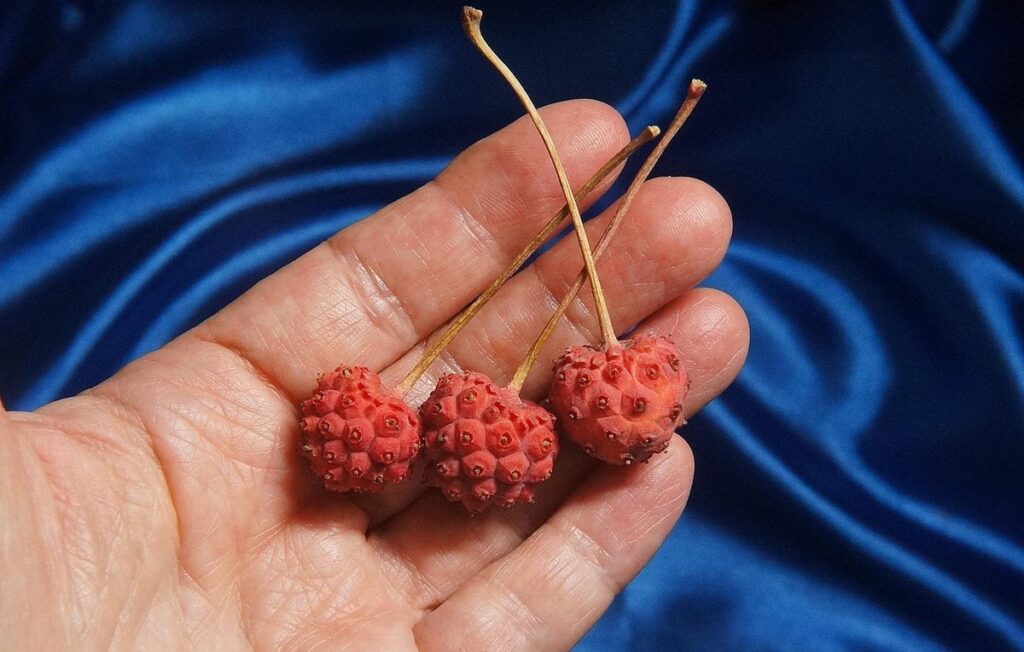
In terms of growth habits, the pink dogwood kousa is a relatively compact shrub that typically reaches heights between 10 to 15 feet tall. Its deciduous leaves are oval-shaped and have a pointed tip, turning reddish-purple in the fall before falling off. The plant produces stunning clusters of fragrant white or pink flowers in late spring, which are followed by showy red berries in the fall.
Importance of Understanding the Kousa Varieties
When venturing into the world of pink dogwood kousas, it’s easy to get lost among similar varieties. To truly appreciate this stunning tree, understanding its unique characteristics is crucial. One key distinction lies between the Kousa and Cornus florida varieties.
At first glance, both trees may appear identical, but they belong to different plant families and have distinct growth habits. For instance, Kousas are known for their smaller leaves and more compact growth, whereas Cornus florida has larger leaves that provide a showier display in the fall. Misidentifying these two can lead to selecting the wrong tree for your landscape.
To make an informed decision, familiarize yourself with the Kousa’s specific needs, such as its preference for warmer climates and well-drained soil. This will enable you to choose the right location and care for it optimally. By distinguishing between the Kousa and other varieties, you’ll be better equipped to select a tree that meets your specific needs and thrives in its environment.
Growing Conditions for Pink Dogwood Kousa
To ensure your pink dogwood kousa thrives, it’s essential to understand its specific growing conditions, including soil type and sunlight requirements. Here are the key factors to consider for optimal growth.
Climate and Hardiness Zone Considerations
When growing a pink dogwood kousa, it’s essential to consider the optimal climate conditions and hardiness zones for its growth. This beautiful tree thrives in temperate regions with well-drained soil, making it an ideal choice for gardeners who live in areas with mild winters and warm summers.
In terms of hardiness zones, the pink dogwood kousa is suitable for zones 5-8. If you live outside these zones, don’t worry – this tree can still be grown, but it will require additional care to ensure its survival. Make sure to choose a location with full sun to partial shade and well-drained soil that’s rich in organic matter.
When selecting a planting site, also consider the tree’s root system. The pink dogwood kousa has a shallow root system, so avoid areas where water tends to collect or where the soil is prone to flooding. With proper care and attention to climate conditions, your pink dogwood kousa will thrive and provide stunning beauty for years to come.
Some examples of cities that fall within the suitable hardiness zones include Nashville, Tennessee; Portland, Oregon; and Minneapolis, Minnesota. If you live in an area outside these zones, research local nurseries or gardening communities to learn more about growing a pink dogwood kousa in your specific region.
Soil Requirements and pH Level
When it comes to growing pink dogwood kousa, having the right soil conditions is crucial for its health and well-being. These beautiful trees prefer well-draining acidic soils with a pH level between 5.5 and 6.5. If you’re planning to plant your pink dogwood kousa in an area with heavy clay or sandy soils, it’s essential to amend the soil to provide optimal drainage.
To achieve the ideal pH level, you can add sulfur or peat moss to lower the pH if it’s too high, or lime to raise it if it’s too low. However, be cautious not to make drastic changes as this can cause more harm than good. A general rule of thumb is to avoid sudden pH fluctuations and instead opt for gradual adjustments.
In terms of nutrient requirements, pink dogwood kousa thrives in soils with a balanced mix of nutrients. Fertilize your tree annually with a slow-release fertilizer during the growing season, making sure to follow the manufacturer’s instructions. Additionally, consider incorporating organic matter such as compost or leaf mold into the soil to provide essential micronutrients and improve overall soil health.
For example, a study by the USDA Forest Service found that adding 2-3 inches of organic matter to the soil improved tree growth and reduced nutrient deficiencies in dogwood trees. By following these guidelines, you can create an ideal environment for your pink dogwood kousa to thrive.
Planting and Care Instructions
When planting and caring for your pink dogwood kousa, it’s essential to follow a few crucial steps to ensure its health and longevity. Read on to learn more about proper care techniques.
Preparing the Site for Planting
When preparing to plant your Pink Dogwood Kousa, it’s essential to choose a location that provides the right amount of sunlight and space for the tree to grow. These beautiful trees thrive in full sun to partial shade conditions, with at least 6 hours of direct sunlight per day. However, if you live in an area with intense heat, providing some afternoon shade can be beneficial.
Before planting, make sure to select a location that provides enough space for the mature size of your tree. The Pink Dogwood Kousa typically grows up to 15-20 feet tall and 10-12 feet wide, so choose a spot that will accommodate its full size as it matures. Consider the surrounding trees, buildings, and power lines when selecting a location.
To prepare the site, clear the area of any debris or weeds. Loosen the soil to a depth of about 18 inches, then mix in some organic matter like compost or well-rotted manure. This will help improve drainage and soil fertility, giving your tree the best chance to thrive from the very start.
Watering and Fertilization Needs
To ensure your pink dogwood kousa thrives, it’s essential to understand its unique watering and fertilization needs. This deciduous tree requires about 1 inch of water per week, either through rainfall or irrigation. It’s crucial not to overwater, as this can lead to root rot and other issues.
A general rule of thumb is to water your kousa deeply once or twice a week during hot summer months. However, if you live in an area with low rainfall, you may need to adjust this schedule accordingly. For instance, if you’re experiencing drought conditions, consider installing a drip irrigation system to deliver water directly to the roots.
When it comes to fertilization, pink dogwood kousas benefit from a balanced fertilizer in early spring. A 10-10-10 NPK ratio is an excellent choice. Apply the fertilizer according to the manufacturer’s instructions and avoid overfertilizing, as this can damage your tree’s delicate root system. Additionally, consider adding a handful of compost or well-rotted manure around the base of your kousa each spring for added nutrients. By following these guidelines, you’ll be well on your way to growing a healthy and vibrant pink dogwood kousa.
Maintenance and Pruning Techniques
To keep your Pink Dogwood Kousa looking its best, you’ll need to know the right maintenance and pruning techniques to encourage healthy growth and stunning blooms. Let’s dive into the details of how to prune and care for this beautiful tree.
Post-Planting Care: First Year Focus
In the first year after planting your Pink Dogwood Kousa, it’s crucial to focus on providing optimal care for its growth and establishment. This includes monitoring for potential pests and diseases that can harm the tree.
Regularly inspect your tree for signs of infestation or infection. Check for holes in leaves or stems, which could indicate the presence of insects like beetles or caterpillars. Look out for yellowing or wilting leaves, as these can be symptoms of root damage caused by pests like nematodes. Also, keep an eye on any powdery patches or black spots on the bark, which may signal fungal infections.
Preventative measures are key during this period. Ensure your tree receives adequate water and nutrients to promote healthy growth. Maintain a 2-3 inch layer of mulch around the base to retain moisture and suppress weed growth. Fertilize lightly in early spring with a balanced, slow-release formula, following package instructions carefully. By taking these steps, you’ll be providing your Pink Dogwood Kousa with the best possible start to its life cycle.
Keep in mind that some varieties of dogwoods are more susceptible to certain pests and diseases than others. Consult local experts or gardening communities for advice on specific regional challenges.
Seasonal Pruning Strategies
When it comes to maintaining the beauty and health of your pink dogwood kousa, seasonal pruning is crucial. Pruning at the right time can make all the difference in promoting optimal growth, shape, and flowering.
In the spring, focus on removing dead or damaged branches that may have been affected by winter weather. Cut back any stems that are crossing or rubbing against each other to prevent damage and promote healthy growth. This is also a great time to thin out dense areas of the tree to allow for better air circulation and sunlight penetration.
During the summer months, prune your pink dogwood kousa to maintain its shape and encourage new growth. Remove any weak or spindly branches, and cut back tips of strong branches to encourage branching and a fuller canopy. Be careful not to over-prune, as this can stress the tree and reduce flowering.
In the fall, focus on cleaning up any remaining debris from the growing season and preparing your tree for winter. Cut back any stems that are too long or have become leggy, and shape the tree to maintain its desired form.
Benefits and Uses of the Pink Dogwood Kousa
The benefits and uses of the Pink Dogwood Kousa are numerous, and understanding them is key to making the most of this beautiful tree in your garden. Let’s explore its practical advantages.
Ornamental Value and Landscape Potential
One of the most significant advantages of the Pink Dogwood Kousa is its ornamental value. This tree truly shines when it comes to adding visual appeal to gardens and parks. Its showy flowers are one of its standout features, with clusters of pink blooms that attract pollinators and create a stunning display in late spring.
The flowers aren’t the only thing that makes this tree visually appealing, though – its attractive bark is also noteworthy. As it matures, the bark develops a beautiful pattern of grayish-brown ridges and furrows, adding to the tree’s visual interest year-round.
To maximize the ornamental value of your Pink Dogwood Kousa, consider planting it as a specimen tree or using it as a focal point in a garden design. You can also prune it regularly to maintain a beautiful shape and encourage more flowering branches. With proper care and maintenance, this tree is sure to become a beloved feature of your outdoor space for years to come.
In addition to its beauty, the Pink Dogwood Kousa also has landscape potential as a shade or specimen tree. Its relatively compact size makes it suitable for smaller gardens or spaces with limited room, while its tolerance for urban conditions and low-maintenance needs make it an excellent choice for busy gardeners.
Wildlife Attraction and Ecosystem Role
One of the most significant benefits of planting the Pink Dogwood Kousa is its ability to attract birds, bees, and other pollinators. The tree’s showy white flowers are a magnet for these creatures, providing them with a vital source of nectar and pollen. In fact, studies have shown that the Pink Dogwood Kousa can attract up to 50% more pollinators than other dogwood varieties.
This is especially important for local ecosystems, where pollinator populations are often struggling due to habitat loss and fragmentation. By planting the Pink Dogwood Kousa, you’re not only creating a beautiful landscape feature, but also contributing to the health and biodiversity of your community. The tree’s role in supporting pollinators also has broader benefits, including improved crop yields and increased food security.
In addition to attracting pollinators, the Pink Dogwood Kousa also provides shelter and habitat for birds and other wildlife. Its dense foliage and sprawling branches create a perfect haven for nesting and roosting birds, while its fruit attracts a variety of small mammals and insects. By incorporating this tree into your landscape design, you can help support the local food chain and promote ecosystem health.
Troubleshooting Common Issues
Don’t worry if things aren’t going as planned – we’ve got you covered. This next part tackles common problems that can arise when growing your pink dogwood kousa and how to fix them.
Identifying and Managing Pests and Diseases
As you nurture your pink dogwood kousa tree, it’s essential to be aware of common problems that can affect its health and appearance. Pests like aphids, whiteflies, and spider mites can infest the leaves and stems, causing damage and weakening the tree. Look for signs such as curled or distorted leaves, sticky honeydew droplets, and fine webbing on the branches.
To prevent pest infestations, ensure good air circulation around your tree by pruning nearby plants and maintaining a safe distance between trees. Regularly inspect your kousa’s foliage and take action promptly if you notice any issues. For more severe infestations, consider using insecticidal soap or neem oil according to the product’s instructions.
Diseases like powdery mildew and root rot can also affect your pink dogwood kousa. Powdery mildew appears as a white, powdery coating on leaves, while root rot causes yellowing or dropping foliage. To prevent these diseases, water your tree at the base rather than overhead, which can splash water onto the leaves and create an ideal environment for fungal growth.
Tips for Overcoming Adverse Weather Conditions
When it comes to growing a beautiful and thriving pink dogwood kousa, dealing with adverse weather conditions can be a significant challenge. Heavy rainfall, extreme temperatures, and prolonged droughts can all impact the health of your tree.
To overcome these issues, it’s essential to take preventative measures before the onset of bad weather. For instance, make sure your tree is properly mulched to retain moisture and suppress weeds that could compete with your kousa for water. Additionally, ensure good air circulation around your tree by pruning nearby vegetation to prevent fungal diseases.
In case of extreme weather events, protect your tree from wind damage by installing a tree wrap or staking it securely. After a severe storm, inspect your tree’s branches and remove any broken or damaged limbs to prevent further decay. By taking proactive steps, you can help your pink dogwood kousa withstand the challenges posed by adverse weather conditions.
Some key things to keep in mind include:
* Watering: Avoid overwatering, which can lead to root rot and other issues.
* Pruning: Regular pruning helps maintain the tree’s shape and promotes healthy growth.
* Soil care: Monitor soil moisture levels and adjust your watering schedule accordingly.
* Protection: Use tree guards or wraps to shield your kousa from extreme temperatures and wind damage.
Frequently Asked Questions
Can I Plant a Pink Dogwood Kousa Tree in Any Climate?
Yes, pink dogwood kousa trees are relatively adaptable to various climates, but it’s essential to consider the hardiness zone of your area. This tree typically thrives in USDA zones 5-8, but with proper care, it can also do well in cooler or warmer climates.
How Often Should I Water My Pink Dogwood Kousa Tree?
The watering needs of a pink dogwood kousa tree depend on the climate and soil conditions. As a general rule, water your tree regularly during its first year after planting, aiming for about 1 inch of water per week. However, avoid overwatering, which can lead to root rot and other problems.
Can I Grow a Pink Dogwood Kousa Tree in Containers?
Yes, pink dogwood kousa trees can be grown in containers, but it’s crucial to provide enough space for the tree’s roots to grow. Choose a container that is at least 24-36 inches deep and wide to accommodate the tree’s mature size. Make sure the pot has good drainage holes and use a well-draining potting mix.
How Do I Protect My Pink Dogwood Kousa Tree from Extreme Weather Conditions?
To protect your pink dogwood kousa tree from extreme weather conditions, ensure it receives full sun to partial shade, depending on your climate. Mulch around the base of the tree to retain moisture and regulate soil temperature. Additionally, prune any dead or damaged branches after severe weather events.
Can I Propagate a Pink Dogwood Kousa Tree from Cuttings?
Yes, pink dogwood kousa trees can be propagated from cuttings in late winter or early spring. Take 6-8 inch stem cuttings with at least two nodes and root them in a well-draining rooting mix. Keep the soil consistently moist but not waterlogged until roots develop.