
If you’re one of the many backyard farmers or enthusiasts who have fallen in love with muscovy ducks, you’ve probably wondered how long these fascinating birds can thrive. With proper care and attention to their needs, a well-cared-for muscovy duck can live up to 10-15 years, but this lifespan is highly dependent on various factors such as nutrition, health conditions, and environmental influences. Understanding what contributes to your muscovy’s longevity is crucial for maximizing their lifespan and ensuring they lead happy, healthy lives. In this article, we’ll dive into the world of muscovy duck life expectancy, exploring breeding, genetics, and preventative measures that will help you raise a flock that thrives for years to come.
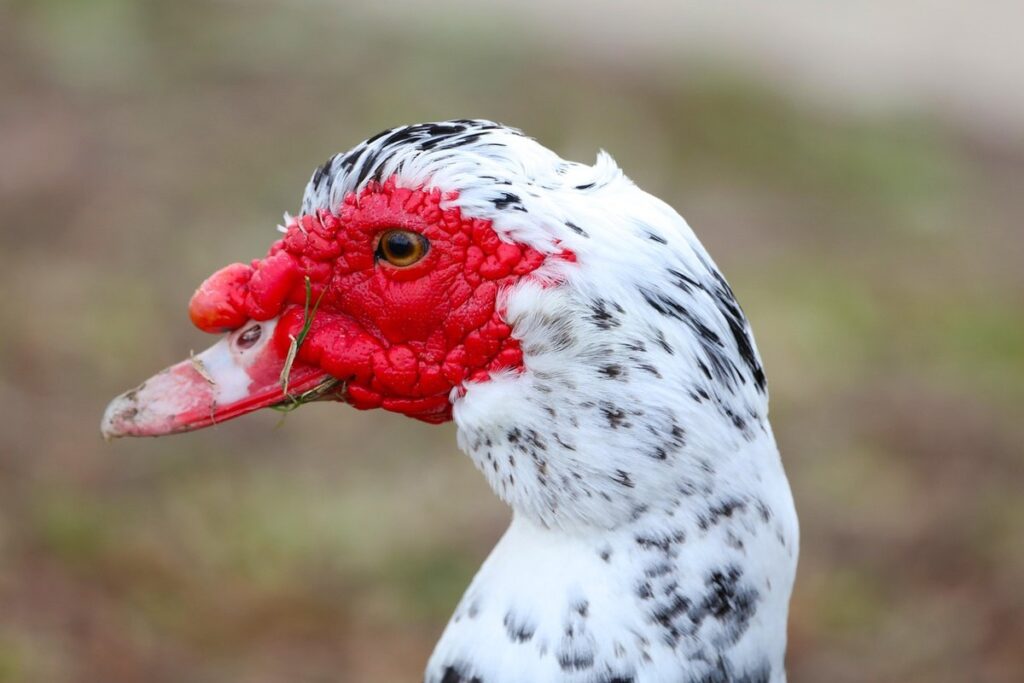
Understanding Muscovy Duck Lifespan
Let’s dive into the factors that affect a Muscovy duck’s lifespan, including breed, genetics, and environmental conditions. This will give you a clear understanding of what to expect from your feathered friend.
Average Life Expectancy of Muscovy Ducks
The average life expectancy of Muscovy ducks is around 10-15 years, although some individuals have been known to live up to 20 years with proper care and management. However, several factors can influence their lifespan, including genetics, diet, environment, and health conditions.
A balanced diet that includes a mix of grains, fruits, and vegetables is crucial for maintaining the overall health and longevity of Muscovy ducks. Regular veterinary check-ups and prompt treatment of any health issues can also help prevent illnesses from taking hold and shortening their lifespan. Additionally, providing a safe and clean living environment, complete with adequate shelter, ventilation, and protection from predators, can significantly impact their life expectancy.
In reality, many Muscovy ducks do not live up to their full potential due to factors such as poor nutrition, lack of healthcare, or exposure to diseases. To ensure your flock lives a long and healthy life, it’s essential to prioritize their well-being by creating a comprehensive care plan that addresses their specific needs. By doing so, you can enjoy the companionship of these remarkable birds for many years to come.
Factors Affecting Life Expectancy
When it comes to determining the life expectancy of muscovy ducks, several factors come into play. On one hand, external factors such as nutrition and environmental conditions significantly impact a muscovy duck’s lifespan. For instance, if they are fed an imbalanced diet or lack access to clean water and adequate shelter, their life expectancy can be severely compromised.
On the other hand, internal health conditions also play a crucial role in determining a muscovy duck’s lifespan. Some common health issues that can affect their longevity include respiratory problems, parasites, and diseases such as avian cholera and botulism. In fact, according to a study by the US Department of Agriculture, muscovy ducks are highly susceptible to avian cholera, which has been known to reduce their life expectancy by up to 50%.
To ensure your muscovy duck lives a long and healthy life, it’s essential to provide them with a balanced diet, regular veterinary check-ups, and proper environmental conditions. This includes providing access to clean water, a nutritious diet, and protecting them from predators and harsh weather conditions. By taking these precautions, you can help increase their life expectancy and ensure they live a happy and healthy life.
Nutrition and Health: The Key to Longevity
When it comes to longevity, understanding what fuels your Muscovy duck’s body is crucial. Let’s dive into the essential aspects of nutrition that contribute to their overall health and lifespan.
Importance of Balanced Diet
A balanced diet is crucial for muscovy ducks to thrive and maintain their overall health. Just like humans, muscovy ducks require a mix of nutrients from different food groups to function properly. A well-balanced diet provides the necessary energy, vitamins, and minerals for optimal growth, maintenance, and repair of tissues.
To ensure your muscovy duck is getting the right nutrients, provide a variety of foods including high-quality commercial pellets as the main staple, supplemented with fruits, vegetables, and grains such as oats and barley. Avoid giving them too much processed or sugary food, as this can lead to health issues like obesity and digestive problems.
A study on poultry nutrition found that ducks who received a balanced diet had improved immune systems and reduced stress levels compared to those who did not receive a well-balanced diet. To give your muscovy duck the best chance at longevity, provide fresh water and change their food regularly to prevent spoilage. By doing so, you’ll be taking a significant step towards ensuring they live a long and healthy life.
Common Health Issues Affecting Muscovy Ducks
As we explore the factors that influence muscovy duck life expectancy, it’s essential to discuss common health issues that can impact their longevity. Respiratory problems are a significant concern for muscovy ducks, particularly those living in humid or wet environments. Prolonged exposure to moisture can lead to respiratory infections, such as pneumonia and bronchitis. These conditions can be life-threatening if left untreated.
Another prevalent issue affecting muscovy duck health is parasitic infestations. External parasites like mites, ticks, and lice can cause significant discomfort and stress for the birds. Internal parasites, including worms and protozoa, can also compromise their digestive system and overall well-being. Regular monitoring and maintenance of their living environment are crucial to preventing these issues. A clean and dry coop with adequate ventilation can significantly reduce the risk of respiratory problems and parasitic infestations.
To keep your muscovy ducks healthy, ensure they have access to a balanced diet, fresh water, and regular veterinary check-ups.
Environmental Factors Influencing Life Expectancy
Let’s dive into the environmental factors that can impact a muscovy duck’s lifespan, from climate and weather to living conditions and more. We’ll explore how these elements come into play.
Effects of Climate Change on Duck Populations
Climate change is having a profound impact on muscovy duck populations worldwide. Rising temperatures and altered precipitation patterns are altering the habitats and food sources that these ducks rely on to survive. In some regions, warmer winters are allowing previously cold-sensitive diseases to spread more easily among duck populations, further threatening their well-being.
In areas where flooding is becoming more frequent due to climate change, muscovy duck breeding grounds are being compromised. The increased water levels can lead to over-tillage of vegetation, causing it to become scarce and affecting the availability of essential nutrients for both adults and young ducks. Furthermore, warmer temperatures can disrupt their natural molting process, making them more susceptible to stress and other health issues.
To mitigate these effects, consider introducing sustainable agricultural practices that promote habitat diversity and protect water sources. Additionally, monitor local climate trends to anticipate potential changes in your muscovy duck’s environment and adapt management strategies accordingly.
Providing Optimal Living Conditions
To ensure muscovy ducks live their best lives, it’s essential to provide them with optimal living conditions. This includes a clean and spacious enclosure that allows for natural movement and exercise. A minimum of 2-3 square feet per duck is recommended, but more space is always better.
Muscovy ducks are social animals and thrive in the company of their own kind. Providing a flock or group of muscovy ducks can help reduce stress and boredom, which can negatively impact their health. Ensure they have adequate shelter from the elements, such as direct sunlight, rain, and wind. A covered area or a three-sided shed is perfect for this purpose.
Keep in mind that muscovy ducks are semi-domesticated birds and may be prone to escaping if given the opportunity. Make sure their enclosure is secure and escape-proof to prevent them from wandering off into neighboring properties or getting injured.
Maintaining a clean environment is also crucial. Regularly remove droppings, debris, and any other waste materials to keep your muscovy ducks healthy and happy.
Breeding and Genetics: How They Impact Life Expectancy
When it comes to muscovy duck life expectancy, understanding how breeding and genetics play a role can be just as important as providing optimal care. Let’s dive into the fascinating world of muscovy duck genetics.
Inheritance Patterns and Longevity
When it comes to muscovy duck life expectancy, genetic inheritance patterns play a significant role. A key factor to consider is recessive genes, which can be present even if the duck appears healthy and normal. These hidden genes can influence longevity by affecting various physiological processes, such as metabolism, immune function, and disease susceptibility.
For instance, some muscovy ducks may inherit a recessive gene that increases their risk of developing certain health issues, like respiratory problems or liver disease. If these ducks are not identified through genetic testing, they may live shorter lives due to the cumulative effect of chronic conditions.
To minimize the impact of recessive genes on life expectancy, breeders can take several steps. They should start by selecting parents with a known pedigree and performing genetic testing to identify potential health risks. This information can help breeders make informed decisions about which ducks to breed together, reducing the likelihood of passing on deleterious genes.
Additionally, regular health checks and monitoring can help identify muscovy ducks that are at higher risk due to recessive genes, allowing for targeted care and management strategies to be implemented. By understanding and managing genetic inheritance patterns, breeders can contribute to improving overall muscovy duck life expectancy.
Selective Breeding for Desired Traits
Selective breeding has been instrumental in enhancing the muscovy duck’s overall health and longevity. By selectively breeding for desirable traits, breeders can identify and propagate ducks with improved resistance to diseases, better adaptability to different environments, and increased tolerance to various stressors. This targeted approach allows for a more efficient selection of superior genetics, resulting in healthier and longer-living muscovy ducks.
For instance, some breeders focus on breeding ducks with enhanced immune systems, allowing them to withstand common diseases such as avian cholera or Newcastle disease. Others concentrate on developing ducks that are better suited to various climates, ensuring they can thrive in diverse environmental conditions. By doing so, these breeders contribute significantly to the improvement of muscovy duck life expectancy.
If you’re planning to engage in selective breeding for your muscovy ducks, it’s essential to start by setting clear goals and priorities. Determine which traits are most critical for your specific flock needs and identify the best breeding stock to achieve those objectives. Regularly monitor and evaluate your birds’ health and performance to refine your selection process over time.
Managing Health Issues to Increase Life Expectancy
When it comes to maximizing your Muscovy duck’s lifespan, managing potential health issues is crucial. In this next part of our guide, we’ll explore key factors that impact their longevity.
Identifying Early Warning Signs
As a muscovy duck owner, it’s essential to be aware of the early warning signs that can indicate potential health issues affecting your feathered friend’s life expectancy. Keep an eye out for changes in behavior, appetite, or physical condition, as these can often signal underlying problems.
One of the most critical factors to monitor is your muscovy duck’s water intake and quality. If you notice they’re drinking less water than usual or showing signs of dehydration (such as dryness around the eyes, bill, or droppings), investigate the source immediately. Ensure their water supply is fresh and clean.
Changes in droppings can also be a warning sign. Normal muscovy duck droppings are brown to greenish-brown, smooth, and moist. If you notice changes in color, consistency, or frequency, it could indicate health issues like kidney problems, internal parasites, or dietary imbalances. Monitor their droppings regularly to catch potential problems early on.
Regular observation of your muscovy duck’s plumage, beak, and nails can also alert you to health concerns. For instance, a pale or brittle bill may signal a nutritional deficiency.
Preventative Measures and Treatments
To ensure your muscovy duck lives a long and healthy life, it’s essential to implement preventative measures against common health issues. Respiratory problems are a significant concern for these birds, often caused by cold stress or bacterial infections. To prevent respiratory issues, provide adequate shelter from wind and rain, maintain a dry coop, and ensure proper ventilation.
Regular veterinary check-ups can also help detect potential health issues early on. A skilled veterinarian will examine your duck’s overall health, monitor its weight, and assess its physical condition. This regular monitoring is crucial for early detection of issues such as hypoproteinemia (a condition characterized by low protein levels in the blood) or ascites (fluid accumulation in the abdomen), both of which can significantly impact life expectancy.
A balanced diet rich in nutrients is also vital to maintaining your muscovy duck’s overall health. Consider incorporating supplements into its feeding routine, especially during periods of high growth rates or reproduction.
Conclusion: Maximizing Muscovy Duck Life Expectancy
Now that you’ve learned how to care for your muscovy duck and increase their lifespan, let’s explore ways to maximize their life expectancy. We’ll share expert tips on what to do next.
Key Takeaways from the Guide
As we conclude our comprehensive guide to muscovy duck life expectancy, it’s essential to revisit the key takeaways that will help you maximize your feathered friend’s lifespan. From genetics and nutrition to health issues and environmental factors, we’ve covered a wide range of critical elements that impact muscovy duck longevity.
First and foremost, recognize that muscovy ducks can live up to 10-15 years with proper care and management. However, some individuals have been known to live into their early 20s. This highlights the importance of genetics in determining lifespan, as well as individual health factors such as disease resistance and overall health.
To ensure your muscovy duck lives a long and healthy life, it’s crucial to provide a balanced diet rich in nutrients, maintain a safe and clean living environment, and monitor their health closely for any signs of illness or stress. By prioritizing these essential elements, you’ll be well on your way to maximizing your muscovy duck’s life expectancy and enjoying many years of companionship with your feathered friend.
Final Recommendations
To maximize your Muscovy duck’s lifespan, consider implementing these final recommendations. First and foremost, provide a safe and healthy living environment by ensuring they have access to clean water, nutritious feed, and adequate shelter from harsh weather conditions.
Regular health checks are also crucial in preventing diseases that can shorten their lifespan. Make it a habit to inspect your birds regularly for signs of illness or injury, such as labored breathing, lethargy, or unusual droppings. Consult with a veterinarian experienced in caring for waterfowl if you notice any abnormalities.
Maintaining a balanced diet is also vital in promoting longevity. Provide a mix of commercial duck feed and fresh fruits and vegetables to ensure your birds receive essential nutrients. Avoid overfeeding, as this can lead to obesity and other health problems.
Additionally, keep your Muscovy ducks active through regular exercise and playtime outside their enclosures. This will help strengthen their immune system and reduce the risk of chronic diseases associated with sedentary lifestyles.
By following these recommendations, you’ll be well on your way to ensuring your Muscovy duck lives a long, happy life.
Frequently Asked Questions
Can muscovy ducks adapt to different climates, or is their lifespan affected by extreme temperatures?
Muscovy ducks are relatively hardy birds but can be sensitive to extreme temperatures, especially heat stress during the summer months. It’s essential to provide a sheltered area with adequate ventilation and shade for your flock, particularly in hot and humid climates. This will help prevent heat-related issues that could shorten their lifespan.
How do I identify potential health issues early on, and what are some preventative measures I can take?
Regular veterinary check-ups, proper nutrition, and maintaining clean living conditions are crucial in identifying and preventing common health issues affecting muscovy ducks. Keep an eye out for signs of illness such as changes in appetite, droppings, or feather condition. Implementing biosecurity measures like vaccination programs and regular disinfection can also help prevent the spread of diseases.
Can muscovy duck breeders selectively breed their birds to increase lifespan?
Selective breeding is a viable method for improving desired traits in poultry, including longevity. By identifying and breeding ducks with exceptional health and vitality, you can increase the average life expectancy of your flock over time. This process requires careful selection, record-keeping, and attention to genetics.
How does nutrition impact muscovy duck lifespan, and what are some essential dietary components?
A well-balanced diet rich in nutrients is critical for maintaining the overall health and longevity of muscovy ducks. Ensure they receive a mix of grains, fruits, vegetables, and protein sources like mealworms or fishmeal. Supplementing their diet with calcium and vitamins can also support strong bone growth and immune function.
What are some key environmental factors to consider when raising muscovy ducks for optimal lifespan?
Provide your flock with access to clean water, a balanced diet, and protection from extreme temperatures and predators. Regularly inspect their living quarters for cleanliness and safety, making adjustments as needed to maintain an ideal environment that supports their well-being.