
Harvesting your hardneck garlic crop at the right time is crucial to unlocking its full flavor potential. Unlike softneck varieties, hardneck garlic has a unique characteristic that sets it apart: its inedible, papery covering. This distinct trait requires special care when harvesting and storing, which can be intimidating for first-time growers. But don’t worry – with the right timing and techniques, you’ll be enjoying your homegrown, perfectly preserved hardneck garlic all year round. In this article, we’ll explore the ideal time to harvest hardneck garlic, provide expert tips on preparing it for storage and curing, and delve into its distinctive characteristics that make it a favorite among chefs and gardeners alike. By following our advice, you’ll be well on your way to harvesting a bountiful crop of delicious, long-lasting hardneck garlic.
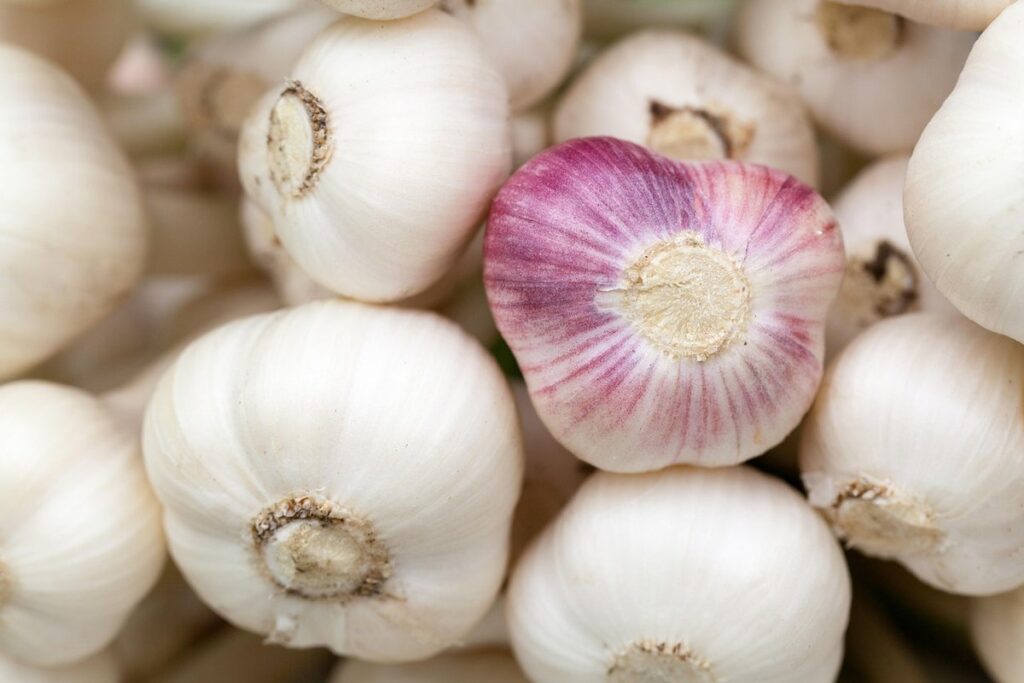
Understanding Hardneck Garlic Characteristics
Hardneck garlic is a unique variety, and understanding its characteristics is crucial for successful harvesting. Let’s dive into what makes hardneck garlic special and how it differs from other types.
What is Hardneck Garlic?
Hardneck garlic is a distinct type of garlic that can be distinguished from its softneck counterpart by several key characteristics. One of the main differences lies in its structure: hardneck garlic has a stiff, central stem or “hard neck” that provides support for the cloves as they grow underground. This unique characteristic affects the way hardneck garlic is planted and harvested.
In contrast to softneck garlic, which has no central stem and relies on its own weight to hold the cloves together, hardneck garlic tends to form a tighter, more compact bulb. This compactness can make it easier to store and transport but also means that it’s more susceptible to drying out if not handled carefully.
When growing hardneck garlic, gardeners often notice that the plants tend to grow taller and more upright than those of softneck varieties, sometimes reaching heights of over two feet. This increased growth rate is due in part to the hard neck, which allows for better air circulation and can promote healthier bulb development. By understanding these characteristics, gardeners can better plan their harvest and ensure that they’re getting the most out of their hardneck garlic crop.
Climate and Soil Requirements for Hardneck Garlic
To grow hardneck garlic successfully, you need to provide it with ideal climate and soil conditions. Hardneck garlic prefers a cool and temperate climate, typically found in USDA zones 3-8. It thrives in areas with moderate winters, allowing the bulbs to form properly before the onset of summer heat. In terms of temperature, hardneck garlic can tolerate light frosts but is sensitive to prolonged periods above 75°F (24°C).
In terms of sunlight, hardneck garlic requires full sun to produce well. It needs at least six hours of direct sunlight per day, making it ideal for planting in southern or western exposures. When it comes to soil, hardneck garlic prefers well-draining, fertile soils with a pH between 6.0 and 7.0. To ensure optimal growth, add organic matter like compost or manure to improve the soil’s structure and fertility.
To meet these requirements, plant your hardneck garlic in early fall, about eight weeks before the first frost. This allows the bulbs to establish themselves before winter sets in. Water them regularly during their growing season, but avoid overwatering, which can lead to rot and other issues.
Determining Maturity Dates for Hardneck Garlic
When growing hardneck garlic, it’s essential to determine when your bulbs are mature and ready to be harvested. This section will walk you through the process of identifying optimal maturity dates.
Checking for Bulb Formation
To determine if your hardneck garlic is ready for harvest, it’s essential to check for bulb formation. This involves gently digging around the plants without disturbing their roots, allowing you to inspect the size and development of the bulbs underground.
As a general rule, hardneck garlic forms a single stem that emerges from the center of the plant, known as a scape. As the plant matures, the bulbs will start to swell beneath the soil, producing a gentle yielding sensation when pressed with your fingers. This is an indication that the bulbs are large enough for harvest.
Check several plants in each row to ensure uniform maturity. Harvesting too early can result in smaller bulbs and lower yields, while waiting too long may lead to rot or decay. If you’re unsure, dig up a few test bulbs and examine their size and quality before deciding on the optimal harvesting time for your entire crop.
Monitoring for Signs of Readiness
As you continue to observe your hardneck garlic plants, it’s essential to monitor for other signs that indicate they’re ready for harvest. One of the most noticeable changes is the yellowing of leaves. This usually starts at the top of the plant and works its way down, signaling that the bulbs are fully formed and dry.
Look for stalks that are dry and brittle to the touch – this indicates that the garlic has finished growing and the tops are dying back naturally. You may also notice a slight softening of the neck, which is a sign that the bulb is preparing to separate from the stem.
Keep in mind that these signs can vary depending on weather conditions and the specific variety of hardneck garlic you’re growing. However, if you notice two or three of these indicators happening simultaneously, it’s likely time to harvest your garlic. To confirm, gently dig around one of the plants with a fork, being careful not to damage any of the bulbs. If they’re ready, they should come out easily and feel heavy for their size.
Best Practices for Harvesting Hardneck Garlic
To ensure you get the best flavor and quality, it’s essential to harvest your hardneck garlic correctly. Follow these key practices to maximize your crop’s potential.
Preparing for Harvest
Before you start harvesting your hardneck garlic, it’s essential to prepare the soil around the plants. This will make the process easier and help prevent damage to the bulbs. Start by loosening the soil with a fork, working gently around each plant. Don’t be too aggressive, as this can break up the bulb structure or even separate the cloves.
As you loosen the soil, also take a moment to inspect the area for any weeds or debris that may have grown nearby. Weeds like garlic mustard and field pennycress can compete with your garlic plants for water and nutrients, while debris such as sticks or rocks can cause damage to the bulbs during harvest. Remove any weeds or debris you find, making sure not to disturb the surrounding soil too much.
With the area cleared of debris and loose soil, your hardneck garlic is now ready for harvesting. Remember to choose a dry, overcast day with minimal wind for the best results – this will make it easier to handle the bulbs without bruising them.
How to Dig Up Hardneck Garlic Bulbs
When it’s time to harvest hardneck garlic, carefully digging up the bulbs is crucial to avoid damaging them. Begin by gently loosening the soil around the base of each plant with a fork, working from the outside inwards. This will help you determine how deep the bulb is and prevent any damage during removal.
Next, carefully insert your hands into the loosened soil, taking care not to touch or bruise the bulbs. Once you’ve located the main bulb, use a spatula or trowel to carefully pry it out of the ground. Gently rock the bulb back and forth as you lift, working from side to side to loosen any remaining soil.
To minimize damage, try to dig when the soil is dry and not too moist. Avoid pulling on individual cloves or leaves, as this can cause breakage and make removal more difficult. Instead, focus on carefully excavating each bulb in its entirety, taking care to preserve as much of the stem and roots as possible. With patience and gentle handling, you should be able to successfully dig up your hardneck garlic bulbs without causing any significant damage.
Storage and Curing After Harvest
Now that you’ve harvested your hardneck garlic, it’s time to store and cure it properly to keep it fresh for as long as possible. This is where things can get a little tricky if not done correctly.
Proper Handling and Cleaning
Proper handling and cleaning of the harvested hardneck garlic is crucial to prevent damage and maintain its quality. Start by gently brushing off any loose dirt from the bulbs using a soft-bristled brush or a dry cloth. Avoid washing the garlic under running water, as this can cause the soil to seep into the cloves.
Instead, carefully remove any excess soil or debris from around the base of each bulb using your fingers or a small tool like a fork or trowel. Once clean, lay the garlic bulbs out in a dry, well-ventilated area with plenty of space between each one. This will allow air to circulate and help prevent moisture from accumulating.
To further clean the garlic, you can gently swish it around in a shallow container of water for about 30 seconds. Then, immediately transfer it to a paper towel-lined basket or tray to dry. This process helps remove any remaining dirt without soaking the bulbs. By following these steps, you’ll be able to store your hardneck garlic safely and enjoy its flavor throughout the year.
Curing and Drying Methods for Hardneck Garlic
After harvesting your hardneck garlic, it’s essential to cure and dry the bulbs properly to preserve them for future use. The curing process helps to toughen the skin of the bulbs, preventing moisture from entering and causing rot. There are several methods you can use to cure and dry your hardneck garlic bulbs.
Air-drying is a simple method where you hang the garlic in a cool, dry place with good air circulation. This method works best for loose-neck varieties that don’t braid well. Simply tie the stems together in small bunches and hang them upside down in a warm, dark area like a basement or a shed.
For more compact bulbs, braiding is an excellent option. Braid three to five stems together and hang them over a hook or a nail. This method helps to maintain even drying and prevents moisture from accumulating at the base of the bulbs.
Storing hardneck garlic in a cool, dry place is another effective method. Place the bulbs in a paper bag or a mesh bag, making sure they don’t touch each other. Store them in a dark area with good air circulation, maintaining a temperature between 40°F to 50°F (4°C to 10°C).
Tips for Success: Timing the Harvest
To ensure you harvest your hardneck garlic at its peak flavor and potency, timing is everything. Here are some valuable tips to help you get it right.
Paying Attention to Weather Conditions
As you’re preparing to harvest your hardneck garlic, it’s essential to pay attention to the weather conditions. Extreme temperatures or precipitation can significantly impact bulb quality, making it crucial to monitor the forecast and adjust your harvesting schedule accordingly.
High heat and humidity can cause the bulbs to rot or become soft, while cold snaps may lead to sprouting or damage. In contrast, prolonged periods of rain can cause the soil to become waterlogged, potentially leading to fungal diseases that can compromise bulb quality.
To navigate these challenges, check the weather forecast regularly in the days leading up to harvest. If a heatwave or heavy rainfall is predicted, consider delaying your harvest by a few days to allow the bulbs to mature further. Conversely, if a cold snap is forecasted, you may need to bring the garlic into a protected area to prevent damage.
By staying attuned to weather conditions, you can minimize potential risks and ensure a successful harvest of high-quality hardneck garlic.
Experience and Trial-and-Error Method
As you gain experience growing hardneck garlic, you’ll develop a keen sense of timing based on your specific climate, soil type, and growing conditions. This intuition is shaped by trial-and-error, where you observe the plants’ behavior and adjust your harvest schedule accordingly.
In regions with mild winters, for instance, you may notice that your hardneck garlic is ready to harvest a few weeks earlier than in areas with harsher winters. Similarly, if your soil is rich in organic matter, your garlic may mature faster due to its enhanced nutrient uptake.
To develop this timing sense, pay attention to the plants’ appearance and growth patterns. Check for the following signs: the lower leaves begin to yellow and fall over, indicating that the bulb’s energy is focused on maturation; the neck of the plant starts to dry out and turn brown, signaling that the garlic is ready to be harvested.
By combining your observations with a general understanding of hardneck garlic’s growth stages, you’ll become adept at timing its harvest. This expertise will allow you to reap a bountiful crop while minimizing damage to the plants.
Varieties of Hardneck Garlic for Different Harvest Times
If you’re growing hardneck garlic, choosing the right variety can significantly impact your harvest time and flavor. Let’s explore some popular options tailored to specific harvesting seasons.
Early-Maturing Varieties
If you’re looking for early-maturing hardneck garlic varieties that can be harvested mid to late summer, there are several options worth considering. One popular choice is ‘Creole’, a French variety known for its rich, nutty flavor and ability to mature about 90-100 days after planting. Another option is ‘Herman’, an heirloom variety from the United States with a mild, sweet taste that’s ready in approximately 95-105 days.
If you’re looking for something a bit more compact, try ‘Rose de Lautrec’ or ‘Rocambole’, both of which mature in around 90-100 days. These varieties are great choices if you have limited space or want to make the most of your growing season. Keep in mind that while they may be early-maturing, hardneck garlic still requires about 3-4 months from planting to harvest.
When selecting early-maturing varieties, consider factors like climate, soil quality, and your desired level of difficulty when tending to your crop. By choosing a suitable variety for your region and growing conditions, you can enjoy a bountiful harvest even in the midst of summer’s heat.
Late-Maturing Varieties
If you’re growing hardneck garlic in a region with a longer growing season or later frost dates, late-maturing varieties might be a better fit. These types of garlic require more time to mature and are often less affected by early frosts.
Characteristics of late-maturing hardneck garlic include larger cloves, more robust growth, and a slightly different flavor profile compared to earlier maturing varieties. They tend to grow taller stalks with larger green shoots that need more support as they mature.
In regions with mild winters or longer summers, late-maturing hardneck garlic can be harvested in mid-to-late summer, around 120-140 days after planting. This timeframe allows for optimal bulb development and a higher yield of large, well-formed cloves.
Some popular examples of late-maturing hardneck garlic varieties include ‘Creole’, ‘Russian Giant’, and ‘Gipsy’. These types can thrive in USDA zones with frost dates as late as May 15th or June 1st. Be sure to research the specific variety you’re growing and plan accordingly for optimal harvest timing.
FAQ: Frequently Asked Questions About Harvesting Hardneck Garlic
You’ve got questions, and we’ve got answers. Below, find our list of frequently asked questions to help you navigate the process of harvesting hardneck garlic successfully.
Troubleshooting Common Issues
Harvesting hardneck garlic can be a bit tricky, and you might encounter some common issues along the way. Let’s address these concerns to ensure you get the best possible harvest from your hardneck garlic crop.
One of the most common questions is whether the bulb size matters when harvesting hardneck garlic. The answer is yes – but not entirely. A larger bulb doesn’t always translate to better flavor or quality, as it can be a sign of over-maturity or even disease. What’s more important is the color and texture of the neck, which should turn brown and dry before the top sets begin to fall over. This indicates that the garlic has reached its full maturity and is ready for harvest.
Another issue you might encounter is related to flavor profile. If your hardneck garlic lacks depth or complexity, it could be due to a variety of factors, such as poor soil quality or inadequate sunlight. To improve the flavor of your hardneck garlic, consider rotating your crop annually, adding organic amendments to enrich the soil, and providing full sun with adequate moisture.
Storage is another critical aspect of harvesting hardneck garlic. If you’ve harvested your garlic too early, it might not store well – the cloves may sprout or become moldy. To prevent this, make sure to harvest when the tops start to yellow and fall over, indicating that the bulb has reached full maturity. Then, cure the garlic in a warm, dry place for 2-4 weeks before storing it in a cool, dark location with good ventilation.
To ensure you’re harvesting at the right time, check for the ‘neck’ of the bulb – when it starts to turn brown and dry. This usually happens around 3-4 months after the garlic plants have finished flowering. With these tips in mind, you’ll be well on your way to a successful harvest!
Frequently Asked Questions
Can I harvest hardneck garlic during rainy weather?
Yes, you can still harvest hardneck garlic during rainy weather, but be cautious not to damage the bulbs with excessive moisture. If possible, wait for a dry spell to allow for easier digging and reduce the risk of rot.
How long does it take to cure and dry hardneck garlic after harvesting?
The curing process typically takes 3-4 weeks, depending on the storage conditions and desired level of dryness. After this period, you can store the dried garlic in a cool, dark place for up to 6 months.
What’s the best way to store hardneck garlic bulbs for long-term preservation?
To preserve hardneck garlic for an extended period, it’s essential to maintain a consistent temperature between 40°F (4°C) and 50°F (10°C). Store the bulbs in a paper bag or breathable container, away from direct sunlight and moisture.
Can I grow multiple varieties of hardneck garlic at once?
Yes, you can grow different varieties of hardneck garlic together. However, be aware that some varieties may mature at different rates, so monitor each type separately to ensure optimal harvesting.
How do I know if my hardneck garlic has been properly cured and is ready for long-term storage?
Check the bulbs by gently squeezing them; a well-cured bulb should be firm but not too hard. Also, inspect the neck area for any signs of mold or moisture buildup, which can indicate insufficient curing time.