
Are you ready to dive into the world of strawberry runner plants? If you’re anything like me, you love growing your own fruits and veggies at home. But did you know that strawberry runners are one of the easiest and most rewarding varieties to cultivate? Not only do they produce delicious berries, but they’re also incredibly hardy and can thrive in a variety of conditions.
If you’re new to growing strawberries or looking to expand your knowledge on these amazing plants, this is the guide for you. In the following article, we’ll take a comprehensive look at everything you need to know about strawberry runners, from propagation and care to common pests and diseases. We’ll cover tips on how to identify potential issues early on, as well as expert advice on harvesting and enjoying your homegrown strawberries. Whether you’re a seasoned gardener or just starting out, by the end of this article, you’ll be growing like a pro!
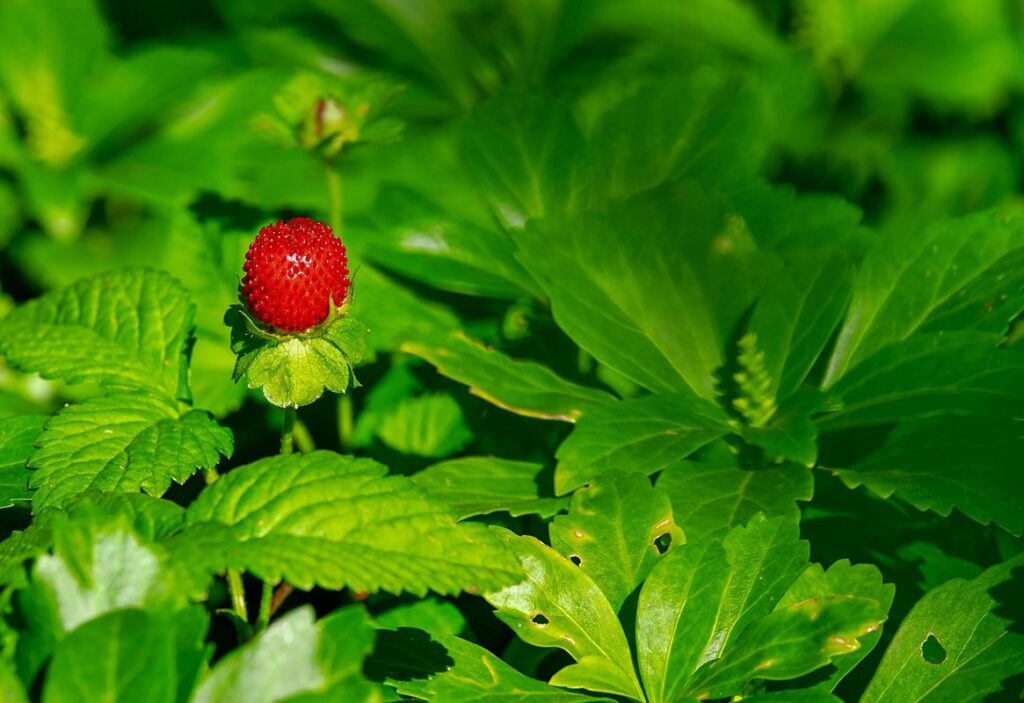
Understanding Strawberry Runners
Understanding strawberry runners is crucial for successful plant growth, so let’s dive into what these unique features are and how they benefit your plants.
What are Strawberry Runners?
Strawberry runners are a type of strawberry plant that produces new plants along its stems, called stolons. These stolons grow along the surface and can form new plants at their nodes, making it easy to propagate new strawberries without seeds or cuttings. Unlike other types of strawberries, such as June-bearing and ever-bearing varieties, which produce one large crop per season, strawberry runners continuously produce new flowers and fruits throughout the growing season.
One of the unique features of strawberry runners is their ability to spread quickly, forming a mat-like growth habit that can cover a significant area in a short period. This makes them an excellent choice for gardeners who want to create a low-maintenance, high-yielding strawberry patch. To take advantage of this feature, simply trim back the longest stolons to encourage new growth and plant division. By doing so, you’ll be able to harvest fresh strawberries from your very own runner plants in no time!
How Do Strawberry Runners Propagate?
When strawberry plants produce runners, they create new plants that can be easily separated and potted to become mature strawberries. This process is called vegetative propagation, where the new plant grows from a section of the parent plant’s stem.
As the runner matures, it develops its own roots at one end, which eventually drowns in water or soil when not pruned regularly. Once a sufficient root system has formed, you can carefully cut the runner about an inch above a node, just above a leaf joint, and pot the new section as a separate plant.
To encourage healthy growth on your strawberry runners, make sure to provide them with plenty of light, water, and nutrients. You should also remove any weak or spindly growth to direct energy towards producing more robust runners and leaves.
By following these steps, you can successfully propagate new strawberry plants from runners and enjoy a bountiful harvest in the future.
Benefits of Growing Strawberry Runners
Growing strawberry runners offers several benefits that make them an attractive option for gardeners. One of the most significant advantages is increased yields. Strawberry runners produce multiple daughter plants, each with its own fruiting potential. This means you can harvest more strawberries from a single parent plant compared to traditional strawberry cultivation methods.
Another benefit of growing strawberry runners is ease of cultivation. The process of producing new plants is straightforward and requires minimal effort. Simply allow the runner tips to root, water them regularly, and soon you’ll have new strawberry plants ready for transplanting.
In addition, growing strawberry runners can help reduce soil erosion and improve soil health. As the runners spread out, they create a natural mulch that retains moisture and suppresses weeds. This reduces the need for external fertilizers and other soil amendments, making it an eco-friendly option for gardeners.
By incorporating strawberry runner plants into your garden, you’ll enjoy higher yields, reduced maintenance, and improved soil health – making them a great choice for any gardener looking to grow delicious strawberries with ease.
Planting and Caring for Strawberry Runners
Now that you’ve learned how to propagate strawberry runners, let’s dive into the next crucial steps: planting and caring for these young plants. Proper care will ensure they thrive and produce delicious fruit.
Choosing the Right Location
When selecting a location for planting strawberry runners, there are several key factors to consider. First and foremost, sunlight is essential for strawberries. They require at least 6 hours of direct sunlight per day, so choose a spot that receives plenty of direct sunlight.
Soil type is also crucial for healthy strawberry growth. Strawberries prefer well-draining soil with a pH between 5.5 and 6.5. If your soil is heavy clay or sandy, consider amending it with organic matter like compost to improve drainage and fertility.
Another important consideration is accessibility. Plant your strawberry runners in an area that’s easy to reach so you can keep them watered and weeded without straining yourself. Avoid planting in low-lying areas where water may collect, as this can lead to root rot and other issues.
When evaluating potential locations, also consider the proximity of nearby plants or structures that might compete with your strawberries for resources. By choosing a spot with optimal sunlight, soil, and accessibility, you’ll be well on your way to growing delicious and healthy strawberry runners.
Preparing the Soil
Before planting your strawberry runner plants, it’s essential to prepare the soil to give them the best chance of thriving. Fertilization is a crucial step in this process. Choose a balanced fertilizer (10-10-10 NPK) and follow the instructions for application rates. You can also mix in compost or well-rotted manure to provide extra nutrients.
When it comes to pH balance, strawberry plants prefer a slightly acidic soil with a pH between 5.5 and 6.5. If your soil is too alkaline, you may need to add sulfur to lower the pH. On the other hand, if it’s too acidic, lime can be used to raise the pH.
Drainage is another critical factor in strawberry plant growth. The plants don’t like standing water, which can lead to root rot and other problems. If your soil drains slowly, consider adding organic matter like peat moss or perlite to improve its structure.
To ensure optimal conditions for your strawberry runner plants, test the pH of your soil and adjust it accordingly. This will give you a solid foundation for their growth and help them produce an abundance of delicious fruit.
Watering and Mulching Techniques
Watering is one of the most crucial aspects of strawberry runner care. Aim to provide about 1 inch of water per week, either through rainfall or irrigation. However, be cautious not to overwater, as this can lead to root rot and other issues. Check the soil moisture by inserting your finger into the soil up to the knuckle; if the soil feels dry, it’s time for watering.
When it comes to mulching, organic materials like straw, bark chips, or grass clippings are excellent choices. Mulch helps retain moisture in the soil, suppresses weeds, and regulates soil temperature. Apply a 2-3 inch layer of mulch around your strawberry plants, keeping it a few inches away from the crowns to prevent rot.
Regular watering and mulching also help prevent pests and diseases that can harm your strawberry runner plants. By maintaining healthy growth through proper care, you’ll enjoy bountiful harvests for years to come.
Growing Strawberry Runners in Containers
If you’re growing strawberry runners in containers, don’t worry – it’s easier than you think! With a few simple tips, you can be enjoying fresh strawberries all season long.
Advantages of Container-Grown Strawberry Runners
Growing strawberry runners in containers offers numerous advantages that make them an ideal choice for space-conscious gardeners. One of the primary benefits is increased mobility – container-grown strawberries can be easily moved to different locations within your garden or even indoors, depending on weather conditions. This flexibility allows you to control the optimal growing environment and ensure the healthiest possible growth.
Another significant advantage is the space-saving design of container gardening. Strawberry runners require minimal space compared to traditional strawberry plants, making them perfect for small gardens, balconies, or patios. By utilizing containers, you can grow multiple strawberry plants in a compact area, maximizing your yield while minimizing garden real estate.
To take full advantage of these benefits, choose a container with good drainage and use a well-draining potting mix specifically designed for strawberries. This will help prevent waterlogged soil and promote healthy root development. With the right care and attention, you can enjoy an abundance of delicious strawberry runners in even the smallest of spaces.
Choosing the Right Container
When it comes to growing strawberry runner plants in containers, choosing the right container is crucial for their health and productivity. The size of the container will depend on the number of runners you plan to grow and the space available. A good rule of thumb is to use a container that is at least 6-8 inches deep and 12-18 inches wide.
The material of the container is also important, as strawberry roots are prone to rot in wet conditions. A container made from a breathable material such as terracotta or unglazed ceramic will help to prevent waterlogged soil. Avoid using plastic containers, as they can retain too much moisture and lead to root rot.
Drainage is another critical consideration when choosing a container for strawberry runners. Make sure the container has drainage holes in the bottom to prevent water from accumulating in the soil. You can also add a layer of small rocks or broken pottery at the bottom of the container to improve drainage further. By selecting a suitable container, you’ll be well on your way to growing healthy and productive strawberry runner plants.
Tips for Successful Container Growth
When growing strawberry runners in containers, providing the right care is crucial for their success. One of the most critical aspects is watering. Make sure to keep the soil consistently moist but not waterlogged. Check the soil daily by inserting your finger into it up to the knuckle. If the soil feels dry, it’s time to water.
Fertilization is another essential aspect to consider. Use a balanced fertilizer (10-10-10 NPK) once a month during the growing season. You can also side-dress with high-phosphorus fertilizer (20-5-5 NPK) to promote fruiting. However, be cautious not to over-fertilize, as this can lead to weak and spindly growth.
Pruning is another critical aspect of container-grown strawberry runners. Remove any dead or diseased leaves to prevent the spread of disease. Also, remove flower buds in the first few weeks after planting to encourage runner production. Once the plants are established, you can trim them back by about half to promote bushy growth and encourage fruiting.
By following these simple tips, you’ll be well on your way to growing thriving strawberry runners in containers.
Common Pests and Diseases Affecting Strawberry Runners
As you nurture your strawberry runner plants, be aware of common pests that can cause damage, such as aphids and slugs, and know how to spot early signs of diseases like powdery mildew.
Recognizing Common Pests
Strawberry runners are vulnerable to various pests that can cause damage and reduce yields. One of the most common pests affecting strawberry runners is aphids. These tiny insects feed on sap, causing curled leaves and stunted growth. To manage aphid infestations, inspect plants regularly for signs of infestation, such as sticky honeydew droplets or sooty mold on leaves.
Slugs and snails are also notorious pests that target strawberry runners, especially at night. They can cause significant damage to leaves, stems, and fruits, leaving behind a trail of slime. To prevent slug and snail attacks, use copper tape around planters or collars made from crushed eggshells to deter these pests.
Other common pests affecting strawberry runners include whiteflies, spider mites, and caterpillars. Regularly inspect plants for eggs, larvae, or adult insects on leaves and stems. Use organic pest control methods like neem oil, insecticidal soap, or horticultural oil to manage infestations and prevent further damage.
Identifying and Treating Common Diseases
Strawberry runner plants are susceptible to several common diseases that can significantly impact their growth and yield. One of the most prevalent issues is powdery mildew, a fungal disease characterized by a white, powdery coating on leaves and stems. To identify powdery mildew, look for a cottony or fuzzy appearance on plant surfaces, often accompanied by yellowing leaves.
To treat powdery mildew, remove infected plants to prevent the spread of the disease. Use fungicides specifically labeled for strawberry runners, following application instructions carefully. Improve air circulation around your plants and avoid overhead watering, which can exacerbate the issue.
Another common problem is botrytis, a fungal disease that causes greyish-brown lesions on fruit and leaves. Infected areas often have a soft, mushy texture. Remove affected fruits to prevent the spread of botrytis to healthy plants. Practice good sanitation, including removing weeds and debris around your strawberry runners.
Keep in mind that prevention is key: maintain optimal growing conditions, ensure adequate spacing between plants, and rotate crops regularly to reduce disease buildup.
Harvesting and Enjoying Your Strawberry Runners
Now that you’ve successfully grown your strawberry runners, it’s time to reap the rewards – learn how to harvest and enjoy their delicious fruits at the peak of freshness.
When to Expect a Harvest
When you’ve nurtured your strawberry runner plants all season, it’s finally time to reap the rewards – literally! But when can you expect those luscious berries to ripen and be ready for harvest? The answer depends on a few factors.
In general, strawberry runners take around 60-90 days from planting to first harvest. However, this timeframe can vary depending on your location, weather conditions, and the specific variety of strawberries you’re growing. For example, some strawberry varieties like ‘Everbearing’ or ‘Day-Neutral’ produce multiple crops throughout the season, while others like ‘June-bearing’ tend to have a single large crop in mid-to-late spring.
To determine when your strawberries are ready for harvest, check their color and texture. Strawberries typically ripen in the morning and become pale yellow or white by night. They’re also slightly soft to the touch but still firm enough not to be mushy. Keep an eye on them daily during peak season, as berries can turn from green to red overnight.
Tips for Picking Strawberries at the Right Stage of Ripeness
When it’s time to harvest those delicious strawberries from your runner plants, you’ll want to make sure they’re picked at their optimal stage of ripeness. This is where the magic happens – a perfectly ripe strawberry is sweet, juicy, and packed with flavor.
To determine if your strawberries are ready for picking, look for these signs: a bright red or yellow color (depending on the variety), a slight softening of the skin, and a sweetness that’s balanced rather than cloying. Gently press the berry; it should yield to pressure but still feel slightly firm. If it’s too soft, it may be overripe.
Another trick is to check the tip of the leaves – if they’re starting to turn yellow or brown, it’s likely a sign that the berries are ripe and ready for picking. And remember, strawberries continue to ripen after they’re picked, so don’t worry if some look a bit green or pale at first – they’ll develop their full flavor in no time.
To avoid bruising your delicate strawberries, gently pluck them from the plant using your fingers or a soft-bristled brush.
Frequently Asked Questions
How often should I water my strawberry runner plants?
Water your strawberry runners regularly, but avoid overwatering, which can lead to root rot. Aim for about 1-2 inches of water per week, either from rain or irrigation. Check the soil moisture by inserting a finger into the soil up to the first knuckle; if it feels dry, it’s time to water.
Can I propagate strawberry runners in the winter?
While strawberry runners can be propagated year-round, they tend to produce more runners and berries during the spring and summer months when temperatures are mild. In the winter, you can still propagate them, but be prepared for slower growth rates. Keep the plants protected from extreme cold and wind.
How do I prevent pests like aphids and slugs from affecting my strawberry runner plants?
To prevent pest infestations, maintain good garden hygiene by removing weeds and debris that can harbor pests. Use physical barriers or row covers to protect your plants from slugs and snails. For aphid control, introduce natural predators like ladybugs or lacewings into your garden.
Can I grow strawberry runners in a shaded area?
While strawberry runners prefer full sun, they can tolerate partial shade, especially in warmer climates. However, be aware that reduced sunlight may impact fruit production. If growing in a shaded area, ensure the soil is well-draining and provide supplemental lighting to promote healthy growth.
How long do strawberry runner plants typically produce berries?
The duration of berry production depends on factors like plant variety, climate, and care. On average, strawberry runners produce berries for 2-3 years after planting. With proper maintenance, some varieties can continue producing berries for up to 5 years or more.