
If you’re a bird enthusiast or a homeowner dealing with these feathered friends, chances are you’ve wondered what geese like to eat. Understanding their dietary needs is crucial for creating a harmonious coexistence with these magnificent birds. A balanced diet for geese consists of various food sources, including grassland plants, aquatic vegetation, and grains. But did you know that the type and quantity of food can greatly impact their health and well-being? In this article, we’ll delve into the world of goose nutrition, exploring what they like to eat and how to provide a balanced diet that meets their nutritional needs. From lush grasses to water plants, we’ll cover it all and give you the knowledge to create a healthy environment for these beautiful birds.
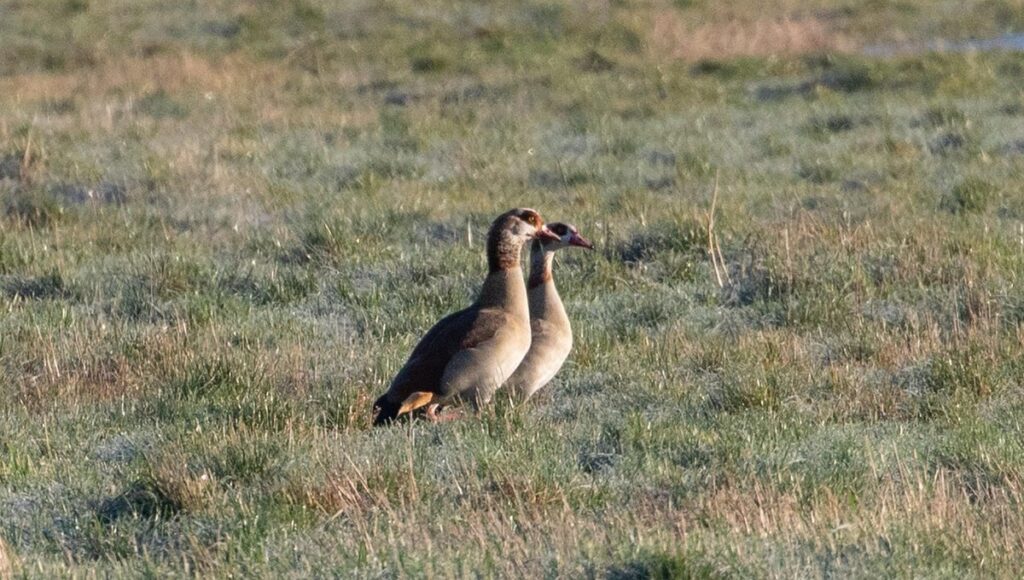
Understanding Goose Nutrition Basics
When it comes to their diet, geese are surprisingly straightforward and don’t require a lot of fancy ingredients. Let’s break down the basics of what they need to stay healthy and happy.
Basic Dietary Needs of Geese
When it comes to meeting their basic dietary needs, geese require a balanced diet that includes essential nutrients like protein, carbohydrates, and fats. Protein is a crucial component of a goose’s diet, making up about 20-30% of their daily caloric intake. This macronutrient helps support muscle growth, repair, and maintenance.
Geese also need carbohydrates to provide energy for their daily activities. These can come from plant-based sources like grasses, grains, and aquatic plants. However, it’s essential to note that geese are not grazers and tend to avoid high-grass areas. Instead, they prefer to forage on the ground or in shallow water.
Fats are also vital for geese, making up about 5-10% of their daily caloric intake. These can come from sources like insects, seeds, and nuts. It’s worth noting that geese will often seek out high-fat foods during breeding season to support egg production.
When feeding your goose, it’s essential to provide a balanced mix of protein, carbohydrates, and fats. A good starting point is to offer a commercial goose feed as the main staple, supplemented with fresh fruits, vegetables, and grains.
Common Mistakes in Feeding Geese
When feeding geese, it’s easy to fall into common mistakes that can impact their health. One of the most critical errors is overfeeding or underfeeding, which can lead to a range of problems. Overfeeding can cause obesity, leading to mobility issues and making them more susceptible to diseases like laminitis.
On the other hand, underfeeding can result in malnutrition, causing weight loss, lethargy, and weakened immune systems. To avoid these issues, it’s essential to understand that geese have different nutritional needs at various stages of their life cycle. Baby geese require a diet rich in protein and fat for growth and development, while adult geese need more fiber-rich foods like grasses and plants.
A balanced feeding schedule is crucial to ensure your geese receive the right amount of nutrients without overdoing it. For example, you can create a feeding plan that includes limited amounts of commercial goose feed supplemented with fresh fruits and vegetables. This approach helps maintain their digestive health while providing essential vitamins and minerals.
Remember, observing your geese’s appetite and adjusting their food accordingly is vital. Monitor their weight, energy levels, and overall well-being to make informed decisions about their diet.
Grassland Foods for Geese
When it comes to geese, grasslands are a veritable smorgasbord of tasty treats. Let’s dive into some of their favorite grassland foods.
Grazing Habits of Wild Geese
When it comes to their natural grazing habits, wild geese are herbivores that feed on various types of grasses and plants. In their habitats, they tend to favor certain species that provide the most nutritional value. For example, wetland-dwelling Canada Geese love to graze on aquatic plants like duckweed, water lilies, and cattails, which offer a rich source of fiber, vitamins, and minerals.
In grasslands, wild geese often feed on tallgrass prairie species such as big bluestem, indiangrass, and switchgrass. These grasses are high in protein, energy, and fiber, making them an excellent choice for geese looking to fatten up for migration or breeding seasons. It’s essential to note that geese will also consume other plants like clover, alfalfa, and oats if available.
To replicate the grazing habits of wild geese in your backyard, focus on planting native grasses and vegetation that are suitable for your climate and region. This not only provides a natural food source but also supports local wildlife biodiversity. By creating a goose-friendly habitat, you can enjoy watching these magnificent birds thrive in their new environment.
Cultivated Grains for Domesticated Geese
When it comes to cultivated grains for domesticated geese, there are several options that offer nutritional benefits and can be easily incorporated into their diet. Wheat is a popular choice due to its high protein content and relatively low cost. However, some producers may find that wheat alone does not provide enough calories, leading them to supplement with oats or corn.
Oats are another common grain used in geese feed, providing a good source of fiber and B vitamins. Corn, on the other hand, is often added as an energy-rich ingredient to enhance weight gain and improve overall health. It’s essential for producers to balance their geese’s diet by mixing these grains with fresh water and vegetables.
A common ratio for cultivated grain mixes can be 70-80% wheat or oats, with corn making up the remaining percentage. For example, a mix might contain 60% wheat, 15% oats, and 25% corn. Producers should also consider factors such as age, breed, and health status when determining their geese’s nutritional needs.
Aquatic Foods and Supplements
When it comes to aquatic sources, geese have a keen interest in plants that grow in and around water, including aquatic grasses and algae-rich areas.
They’ll often feed on these nutrient-dense foods to supplement their diet.
What Geese Eat in Water
When foraging for food in water, geese tend to focus on aquatic plants and organisms that are readily available. Algae, which is a type of greenish-blue microorganism, is a staple in the geese’s diet when they’re feeding in water. Geese will often graze on algae-covered rocks or submerged vegetation, using their beaks to scrape up as much of it as possible.
Water lilies are another aquatic plant that geese enjoy snacking on. These plants grow above the water’s surface and produce leaves and flowers that float on top of the water. Geese will wade into shallow areas where water lilies are present, using their beaks to rip off leaves and stems for a tasty snack.
In addition to these aquatic plants, geese also feed on insects that live in or near the water’s surface. Insects like mosquitoes, snails, and even small fish may become prey for geese when they’re feeding in water.
Nutritional Value of Aquatic Plants for Geese
Aquatic plants are a staple in the diet of geese, providing essential nutrients that keep them healthy and thriving. These plants are rich in vitamins A, C, and E, as well as minerals like potassium, magnesium, and iron. The vitamin and mineral content of aquatic plants makes them an ideal food source for geese.
For example, duckweed is a popular aquatic plant among waterfowl, including geese. It’s packed with protein, fiber, and essential vitamins and minerals that help maintain the birds’ overall health. In fact, research has shown that ducks fed a diet rich in duckweed experienced improved growth rates and reduced parasite infestations.
Other aquatic plants like watercress and cattails also offer similar nutritional benefits for geese. These plants are easy to grow and maintain, making them an attractive option for backyard ponds or wildlife areas. By incorporating these plants into your goose’s diet, you can help ensure they receive the nutrients they need to stay healthy and happy.
Fruits and Vegetables in a Goose’s Diet
When it comes to fruits and veggies, geese have surprisingly diverse tastes, enjoying a range of leafy greens and juicy berries. Let’s dive into some specific examples!
Suitable and Toxic Fruits for Geese
When it comes to introducing fruits into your goose’s diet, it’s essential to choose wisely. While geese love to eat a variety of fruits, not all are safe for consumption. Let’s start with the good news: many common fruits are perfect for geese, such as apples, bananas, grapes (cut in half to prevent choking), and berries like strawberries, blueberries, and raspberries.
These sweet treats provide essential vitamins, minerals, and antioxidants that support overall health. For example, apples contain a powerful antioxidant called quercetin, which has anti-inflammatory properties. Berries are also rich in vitamin C and potassium, making them an excellent choice for geese.
However, some fruits should be avoided altogether. For instance, citrus fruits like oranges, lemons, and limes contain compounds that can cause kidney damage if consumed excessively. Avocados, while nutritious for humans, contain a toxic compound called persin, which can harm geese. If you’re unsure about introducing new fruits to your goose’s diet, always consult with a veterinarian or experienced breeder first.
Leafy Greens and Other Vegetables for Geese
Geese are natural foragers and require a diverse diet rich in nutrients. Leafy greens and vegetables play a significant role in providing essential vitamins, minerals, and antioxidants that support their overall health. Some of the best leafy greens for geese include kale, collard greens, and mustard greens. These superfoods are packed with calcium, iron, and vitamin A, which help maintain strong bones, healthy skin, and vision.
In addition to leafy greens, other vegetables like carrots, sweet potatoes, and pumpkin provide vital nutrients. For example, carrots are rich in vitamin A, essential for maintaining healthy vision and immune function. Sweet potatoes offer a boost of vitamin A and fiber, aiding digestion and satiety. Pumpkins, on the other hand, contain beta-carotene, which converts to vitamin A in the body.
To incorporate these nutrient-dense vegetables into your goose’s diet, simply scatter them around their enclosure or add them to their feed. You can also experiment with growing a variety of leafy greens and vegetables directly in their living space.
Treats and Avoided Foods
When it comes to geese, some foods are treats they can’t resist, while others should be avoided altogether. Let’s explore what they like to snack on.
Tasty but Nutrient-Poor Options
When it comes to treats and snacks for geese, it’s easy to get caught up in giving them what they seem to love: bread and commercial goose food mixes. However, these options might be tasty, but they’re often nutrient-poor.
Bread, in particular, is a staple that many people associate with feeding geese. But the truth is, bread lacks essential nutrients like protein, fiber, and healthy fats. It’s essentially empty calories for our feathered friends. Geese may gobble it up eagerly at first, but regularly consuming bread can lead to digestive problems and even malnutrition.
Commercial goose food mixes are another popular choice, but they often contain fillers, by-products, and artificial preservatives that don’t provide much nutritional value. These products might be convenient, but they’re not a healthy or sustainable option for your geese. A better approach is to supplement their diet with nutrient-rich treats like fresh fruits, vegetables, and whole grains. For example, offering sliced apples or carrots can provide a tasty and nutritious snack. By making informed choices about the foods you offer, you can ensure that your geese stay healthy and happy.
Foods to Avoid Feeding Geese
When it comes to treating geese, it’s essential to know what foods are off-limits. Unfortunately, many well-meaning individuals unintentionally harm these magnificent creatures by feeding them the wrong things. Here are some common foods that should never be fed to geese:
Onions and garlic can cause anemia in geese, leading to a range of health problems including weakness, lethargy, and even death. These potent flavor enhancers may add zest to your cooking, but they’re toxic to our feathered friends.
Avocado pits, leaves, and skin contain a toxic compound called persin that can cause vomiting, diarrhea, and respiratory distress in geese. Make sure to carefully dispose of avocado waste and avoid feeding it to your local goose population.
Chocolate contains theobromine, which is highly toxic to waterfowl like geese. Even small amounts can be deadly, so keep all chocolate treats out of reach of these curious birds.
Bread and other starches are often seen as a quick fix for feeding geese, but they’re essentially empty calories that provide no nutritional value. Overfeeding on such foods can lead to malnutrition, obesity, and other health issues.
When in doubt, stick to fresh fruits and vegetables like berries, apples, and carrots. Avoid giving geese any processed foods or treats containing artificial preservatives and additives. By making informed choices, we can help keep these beautiful birds healthy and thriving in their natural habitats.
Conclusion: Creating a Balanced Diet for Your Goose
Now that we’ve explored what geese like to eat, let’s summarize the key takeaways and provide you with practical advice on creating a balanced diet for your feathered friend.
Tips for Providing a Diverse Diet
Now that you know what geese like to eat, it’s time to put this knowledge into practice. Creating a balanced diet for your goose requires mixing and matching the various food groups discussed throughout this article. The key is to provide a diverse diet that meets your bird’s nutritional needs.
First, let’s recap the importance of diversity in a goose’s diet. Geese are grazers and browsers, which means they eat both grasses and plants. They need access to fresh water, minerals, and salts to stay healthy. To create a balanced diet, aim for variety by including:
* Leafy greens like kale, spinach, and collard greens
* Fresh fruits such as berries, apples, and carrots
* Grains like oats, barley, and wheat
* Nuts and seeds, like sunflower seeds and pumpkin seeds
Aim to provide a mix of around 75-80% grasses and plants, with the remaining 20-25% made up of supplements and treats. For example, you could offer your goose a diet that consists of:
* 60% lawn clippings or pasture
* 15% leafy greens like kale and spinach
* 10% fresh fruits like berries and apples
* 5% grains like oats and barley
* 5% nuts and seeds like sunflower seeds
Remember, every goose is different, so be sure to observe your bird’s preferences and adjust their diet accordingly. Also, don’t forget to provide fresh water at all times and consider supplementing with grit or oyster shells to ensure they’re getting enough minerals.
By following these tips, you’ll be well on your way to creating a balanced diet for your goose. With a little creativity and planning, you can ensure that your feathered friend stays happy, healthy, and thriving.
Frequently Asked Questions
Can I feed geese a diet based on commercial goose food alone?
While commercial goose food can provide a basic foundation, it’s essential to supplement their diet with fresh plants and other nutrient-rich foods to ensure they receive a balanced intake of vitamins, minerals, and fiber. A varied diet will also help prevent digestive issues that may arise from relying solely on commercial feed.
How do I identify the right types of aquatic vegetation for my geese?
Look for plants that are native to your region and are safe for consumption. Examples include duckweed, watercress, and algae. Be sure to research which plants thrive in your local water source and ensure they won’t harm the ecosystem or your geese.
What’s a good rule of thumb for providing supplements versus natural food sources?
Aim to provide at least 50-60% of their diet through fresh plants and other nutrient-rich foods, while using supplements judiciously to fill any nutritional gaps. For example, you might supplement with grains during winter months when natural forage is scarce.
Can I feed geese fruits and vegetables from my garden?
Yes, many fruits and veggies are suitable for geese, but be sure to introduce new items gradually to prevent digestive upset. Stick to leafy greens like kale and spinach, as well as berries and other soft fruits. Avoid giving them onions, garlic, or anything that may cause harm.
How do I balance the nutritional needs of a mixed flock with different ages and breeds?
Consider the specific requirements for each age group (e.g., goslings vs. adults) and breed. For example, some geese are more prone to obesity than others. Ensure all members of your flock receive adequate protein, energy, and other essential nutrients through their diet, and consult with a veterinarian or experienced breeder if necessary.