
As we stroll along lakeshores or riversides, it’s not uncommon to spot a group of geese waddling along, beaks dipped into the water. But have you ever wondered what they’re after? Do geese eat fish, and if so, how do their feeding habits impact their surroundings? As omnivores, geese are opportunistic eaters, which means they’ll consume a wide variety of food sources – including fish! In this article, we’ll delve into the world of geese and explore their aquatic diets. We’ll examine how these birds incorporate fish into their meals in various environments and discuss the effects of human activities on their feeding habits. By understanding more about geese’ relationship with fish, we can gain a deeper appreciation for these fascinating creatures and their place within our ecosystems.
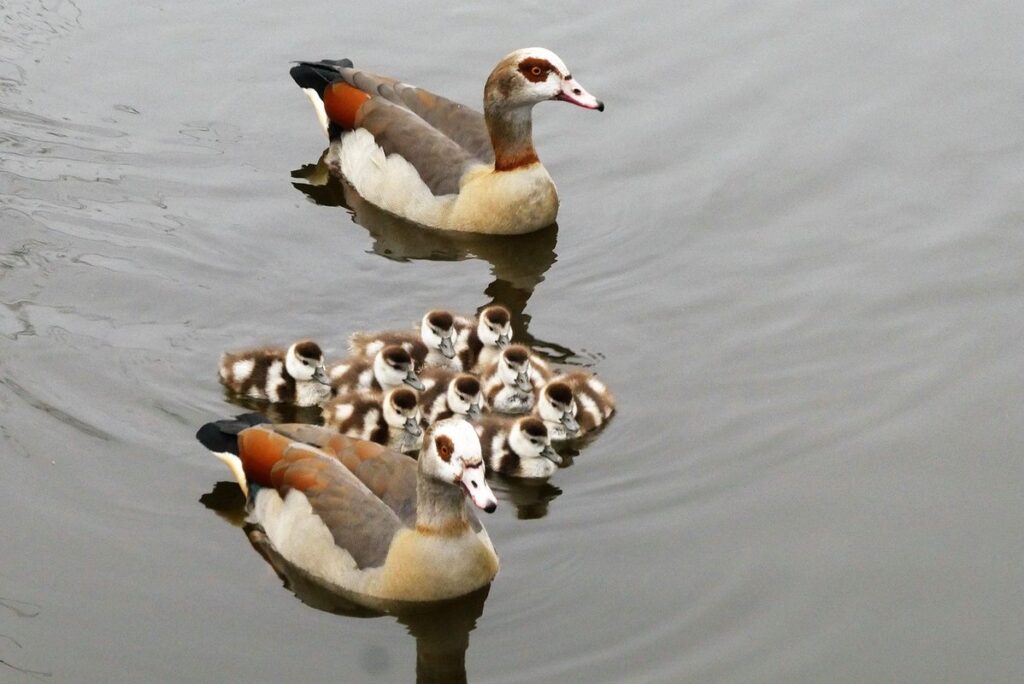
The Feeding Habits of Geese
Let’s dive into the feeding habits of geese and see how they hunt for food, including any aquatic sources that might catch their eye. We’ll explore what geese typically eat in their natural habitats.
Omnivorous Nature of Geese
Geese are not picky eaters and have an incredibly varied diet. In fact, they’re considered omnivores, which means they’ll eat just about anything they can find. Their natural diet consists of grasses, aquatic plants, grains, fruits, and insects. They’ll also scavenge for carrion and eat small animals like mice or frogs if the opportunity arises.
In the wild, geese have been known to eat fish as well, particularly in areas where water sources are abundant. However, it’s not a staple of their diet by any means. More often than not, they’ll focus on grasses, seeds, and grains when available. When foraging, geese will also consume roots, tubers, and other underground plant matter.
It’s worth noting that domesticated geese may have a more limited diet due to the availability of food in their environment. However, even in controlled settings, they can still be quite selective eaters.
Types of Foods Geese Prefer
Geese are opportunistic feeders and tend to prefer foods that are readily available in their environment. In terms of specific types of food, geese have been known to favor grasses, grains, and aquatic plants. They will often forage on lawns, golf courses, and agricultural fields, where they can find a variety of tasty grasses and grains.
In water environments, geese tend to prefer foods such as duckweed, cattails, and water lilies. These types of aquatic plants are rich in nutrients and provide a convenient source of food for geese. In addition to these preferences, geese will also eat insects, worms, and other small invertebrates that they encounter while foraging.
It’s worth noting that while geese may occasionally eat fish, it is not a significant component of their diet. Geese tend to be more interested in vegetation and grains than in catching fish. However, if you’re trying to attract geese to your water feature or garden, providing some aquatic plants can help entice them to visit.
Role of Water Sources in Geese Diet
Geese are adaptable birds that thrive on diverse diets, and their dependence on water sources is a crucial aspect of their feeding habits. In addition to foraging for grasses, leaves, and grains, geese frequently visit puddles, ponds, lakes, and rivers to supplement their diet with aquatic plants, insects, and small invertebrates.
Puddles, being shallow pools of water, often attract geese due to the abundance of algae, duckweed, and other water vegetation. Geese will feed on these plants, which provide essential nutrients like vitamins and minerals. Ponds and lakes offer a more diverse range of aquatic life, including insects, snails, and fish larvae. Geese may also consume small crustaceans like crayfish and shrimp.
Rivers, being dynamic water bodies, support a wide variety of aquatic ecosystems that geese exploit for food. They feed on river plants, insects, and small invertebrates that inhabit the riverbeds and banks. This reliance on water sources highlights the importance of aquatic resources in a goose’s diet, emphasizing their adaptability to different environments.
By recognizing the role of water sources in a goose’s diet, you can better understand why they might be attracted to areas with abundant water features.
Fish as a Food Source for Geese
When it comes to supplementing their regular diet, geese may occasionally eat fish, and understanding what types of fish are most appealing to them can be beneficial in managing waterfowl populations. We’ll explore this connection further below.
Geese Prey on Small Fish
Geese are opportunistic feeders and have been known to hunt small fish as part of their diet. In fact, research has shown that geese are capable of diving and foraging for fish in shallow water. They tend to target schools of minnows or fry, which are often abundant in aquatic environments.
One notable example of this behavior is observed in Canada Geese, where they have been known to feed on small fish like chub and roach in European rivers. Similarly, during the summer months, Snow Geese migrate to coastal areas where they can hunt for small fish like herring and mackerel.
When it comes to attracting geese to your yard or garden, you may want to consider placing a pond or water feature that contains small fish like goldfish or koi. This can provide an attractive food source for geese, but be aware that this may also lead to other problems, such as overgrazing and property damage.
Larger Fish as Unlikely Targets
While it’s true that geese are known to feed on fish, there’s an interesting dynamic at play when it comes to larger fish. You see, geese tend to favor smaller, more manageable prey, which is usually found near the surface of the water or in shallow areas.
In reality, larger fish often pose a significant challenge for geese due to their size, speed, and agility. Take salmon, for instance. These fish are notorious for their incredible speed and agility, making them a formidable opponent for any predator, including geese. Their sheer size also makes it difficult for geese to tackle them, especially when they’re swimming in schools or trying to evade predators.
As a result, larger fish tend to be less targeted by geese, who prefer easier-to-catch prey like smaller fish, crustaceans, and aquatic plants. However, this doesn’t mean that geese never eat larger fish at all – it’s just not their preferred choice, especially if they can easily access more palatable options.
In fact, studies have shown that geese tend to focus on feeding in areas with abundant vegetation, where smaller fish are more likely to congregate. By doing so, they avoid the risks associated with pursuing larger, potentially aggressive prey. So, while it’s not impossible for geese to eat larger fish, it’s certainly less common than you might think.
Geese and Aquatic Invertebrates
When geese inhabit aquatic environments, their diet often extends beyond fish to include various invertebrates. In these ecosystems, leeches are a common food source for geese. These blood-sucking worms are abundant in waterways and can be an important component of a goose’s nutrition.
Snails and crayfish also make up a significant portion of a goose’s diet in aquatic environments. Geese will often feed on snails, particularly those that live in shallow waters or near vegetation. Crayfish, too, are preyed upon by geese, who use their powerful beaks to crack open the crustaceans’ shells.
In addition to these larger invertebrates, geese may also consume smaller aquatic organisms like freshwater clams and mussels. These mollusks can provide essential nutrients for growing goslings. In order to capitalize on this food source, it’s beneficial to create a goose-friendly environment with shallow waters and abundant vegetation – ideal conditions for attracting leeches, snails, crayfish, and other invertebrates.
Geographic and Seasonal Influences on Goose Diet
Geese are adaptable eaters, and their diet can vary significantly depending on where they live and what’s available seasonally. Let’s take a closer look at how geography and seasonal changes impact their eating habits.
Regional Variations in Goose Diets
Geese are opportunistic feeders, which means their diets vary greatly depending on what’s available in their environment. But did you know that regional differences play a significant role in shaping the types of foods geese tend to eat? For instance, geese living near coastal areas tend to eat more fish and marine plants than those residing inland.
In North America, Canada geese are known to feed on aquatic plants, grasses, and grains. However, their diet can include small aquatic animals like snails, crustaceans, and insects during the summer months when these creatures are abundant. In contrast, geese living in Alaska’s tundra tend to eat more lichens, mosses, and other vegetation due to the limited availability of fish and other animal matter.
In Europe, graylag geese have been observed feeding on a variety of plants, including grasses, sedges, and aquatic plants. Some studies suggest that these geese also consume small amounts of insects and worms during certain times of the year. These findings highlight the importance of considering regional variations when assessing the dietary habits of geese.
When it comes to identifying what types of food are available in your local area, consider the following: research the native vegetation, aquatic life, and human activities in your region to get an idea of what might be on the menu for nearby geese. This information can also help you better understand why geese may or may not be visiting your garden or yard, as well as how best to deter them if they’re causing problems.
Seasonal Changes in Food Sources
As geese migrate between breeding and wintering grounds, their diet undergoes significant changes due to varying food sources. In regions with abundant water bodies, such as lakes, rivers, and wetlands, geese tend to feed on aquatic plants during spring and summer months when fish populations are less active.
In contrast, during autumn and winter, when geese migrate to areas with more open waters like oceans and coastal regions, they shift their diet towards more nutrient-dense food sources. This includes small invertebrates like crustaceans, mollusks, and insects that thrive in these environments.
During severe weather conditions like droughts or extreme cold snaps, geese may also adapt their diet to whatever is available locally. For example, they might feed on seeds, grains, or even garbage if it’s readily accessible. This flexible feeding behavior allows geese to cope with changing environmental conditions and ensure a steady food supply throughout the year.
By understanding these seasonal changes in a goose’s diet, you can better appreciate their adaptability and resourcefulness as foragers.
Impact of Human Activities on Goose Foraging
Human activities have significantly impacted geese feeding habits, altering their foraging behavior and diet composition. Agriculture, for instance, has led to the creation of fields that are often planted with crops like wheat, barley, and oats, which attract geese due to their high nutritional value. As a result, many geese populations now rely heavily on these agricultural resources during certain times of the year.
Urbanization is another major factor affecting goose foraging habits. Geese have adapted to urban environments by exploiting available food sources such as grasslands, parks, and even backyards with gardens or fruit trees. In fact, studies have shown that geese in urban areas tend to eat a more diverse diet than those in natural habitats.
Climate change has also played a role in altering goose foraging patterns. Changes in precipitation and temperature have affected the availability of certain food sources, forcing geese to adapt their diets accordingly. For example, during droughts, geese may shift towards eating plants that are more resistant to dry conditions.
Importance of Understanding Goose Diets
To better answer whether geese eat fish, it’s essential to understand their natural diets and what they typically consume in the wild. Let’s dive into why this knowledge is crucial for our investigation.
Ecological Balance and Geese Populations
Maintaining ecological balance is crucial when it comes to managing geese populations. By understanding their diets and habits, we can prevent overgrazing, erosion, and other environmental issues that result from excessive goose activity. For example, a study on Long Island found that Canada geese were consuming up to 30% of the local grasses, leading to soil degradation and loss of biodiversity.
In areas where geese are known to feed on fish, such as wetlands or parks with lakes, it’s essential to monitor their populations and adjust management strategies accordingly. This might involve removing attractants like pet food waste, which can draw geese in and lead them to overhunt the local fish population. In fact, a study in Wisconsin showed that removing goose-attracting features from a lake reduced the bird’s reliance on fish by 75%.
Understanding goose diets is also critical for maintaining healthy water ecosystems. When geese feed extensively on aquatic plants or small crustaceans, it can have cascading effects on the ecosystem. For instance, overgrazing of aquatic vegetation can reduce oxygen levels and lead to algae blooms, harming other species that rely on these same habitats. By recognizing the interconnectedness of these ecosystems and adjusting our management strategies, we can promote ecological balance and coexist with geese populations.
Human-Goose Conflict Reduction Strategies
Reducing human-goose conflicts is crucial when considering their dietary needs and preferences. When geese are unable to find suitable food sources, they may start to seek alternative options, including crops, gardens, and even trash. To minimize the risk of these encounters, it’s essential to understand that geese have specific requirements. They primarily eat grasses, leaves, aquatic plants, and grains.
To reduce human-goose conflicts, consider implementing measures such as:
* Providing adequate foraging areas with native vegetation
* Installing bird-friendly fencing around gardens or crops
* Avoiding using physical deterrents like noise-making devices, which can be ineffective in the long run
* Educating others about goose behavior and dietary needs
By acknowledging that geese don’t primarily eat fish but instead focus on plant-based sources, we can take proactive steps to minimize conflicts. This not only benefits both humans and geese but also promotes a better understanding of these fascinating creatures.
Conservation Efforts Through Goose Diet Research
When it comes to understanding goose diets and their impact on ecosystems, research plays a crucial role. By studying what geese eat, scientists can inform conservation efforts that benefit both the birds and their habitats. For instance, researchers discovered that certain species of geese are highly dependent on aquatic plants in wetlands for food. This knowledge has led to habitat preservation initiatives aimed at protecting these fragile ecosystems.
For example, a study in the UK found that reintroducing bearded dragons to areas with suitable habitats increased their populations and improved biodiversity. Similarly, research on goose diet can inform efforts to reintroduce other waterfowl species or restore wetlands. By understanding what geese eat, conservationists can make data-driven decisions about habitat preservation and restoration.
This type of research is essential for ensuring the long-term health of ecosystems. As geese are often considered a keystone species, their dietary needs have significant implications for local food chains. By prioritizing goose diet research, we can create effective conservation strategies that support not just these birds but entire ecosystems.
Conclusion: The Complex Relationship Between Geese and Their Food Sources
As we’ve explored throughout this post, geese are complex creatures with diverse diets that can be influenced by various factors. While they do occasionally consume fish, it’s essential to remember that their primary food sources are grasses, grains, and aquatic plants. In fact, many waterfowl species, including Canada geese, prefer vegetation over fish. However, in certain situations, such as during migration or when specific nutrients are scarce, geese may incorporate fish into their diet. If you’re considering feeding geese, keep this complex relationship between them and their food sources in mind to provide the most beneficial nutrition.
In a managed environment, providing a balanced mix of grains, fruits, and vegetables can be an effective way to support the nutritional needs of geese while minimizing their reliance on fish or other undesirable foods.
Frequently Asked Questions
Can geese be considered piscivores, given their diet includes fish?
Geese are generally classified as omnivores due to their varied diet. While they do eat fish, it’s not a primary source of nutrition. Their feeding habits are opportunistic, and they’ll consume fish when available, but they’re more likely to focus on plants, grains, and insects.
How do geese adapt to different water temperatures and how does this impact their ability to hunt for fish?
Geese have adapted to various aquatic environments and can be found in both warm and cold waters. However, the availability of fish in these environments can fluctuate significantly with temperature changes. Warmer waters may support larger populations of small fish, while colder waters might favor species that are more tolerant of low temperatures.
Can geese differentiate between edible and inedible aquatic organisms?
Yes, geese have a keen sense of smell and vision, which helps them identify potential food sources. While they will eat various invertebrates like snails and leeches, they tend to avoid some species that are toxic or unpalatable.
What’s the impact on local ecosystems when geese prey on small fish populations?
When geese consume large numbers of small fish, it can have a ripple effect on aquatic ecosystems. The removal of these fish can alter the food chain and potentially lead to an increase in algae growth or changes in water quality. However, this varies depending on factors like fish species composition and overall ecosystem balance.
How can I distinguish between goose droppings containing fish bones versus those from other food sources?
When examining goose droppings, look for the presence of bones or scales. Fish bones are typically more fragile and might be crushed or broken compared to larger bone fragments from terrestrial animals. However, this method is not foolproof and should be used in conjunction with other observations and research.
Are there any regional variations in geese feeding habits when it comes to fish consumption?
Yes, geese populations have adapted to local food sources based on their environment. In some areas, they might focus more on aquatic plants or grains, while in others, fish may be a significant component of their diet.