
Are you tired of having your garden or yard taken over by noisy, pesky ducks? Do you dream of creating a peaceful outdoor space without the constant quacking and mess left behind by these feathered visitors? Repelling ducks can be a challenging task, but don’t worry – we’ve got you covered! In this article, we’ll share effective strategies and techniques to keep ducks away from your property. We’ll explore visual deterrents like scarecrows and balloons, environmental modifications such as removing food sources, and non-toxic repellents that are safe for both humans and animals. Whether you want to create a duck-repellent garden or yard, use motion-activated devices, or collaborate with local authorities, we’ve got the expert advice you need to take back control of your outdoor space. Let’s dive in!
Understanding Duck Behavior
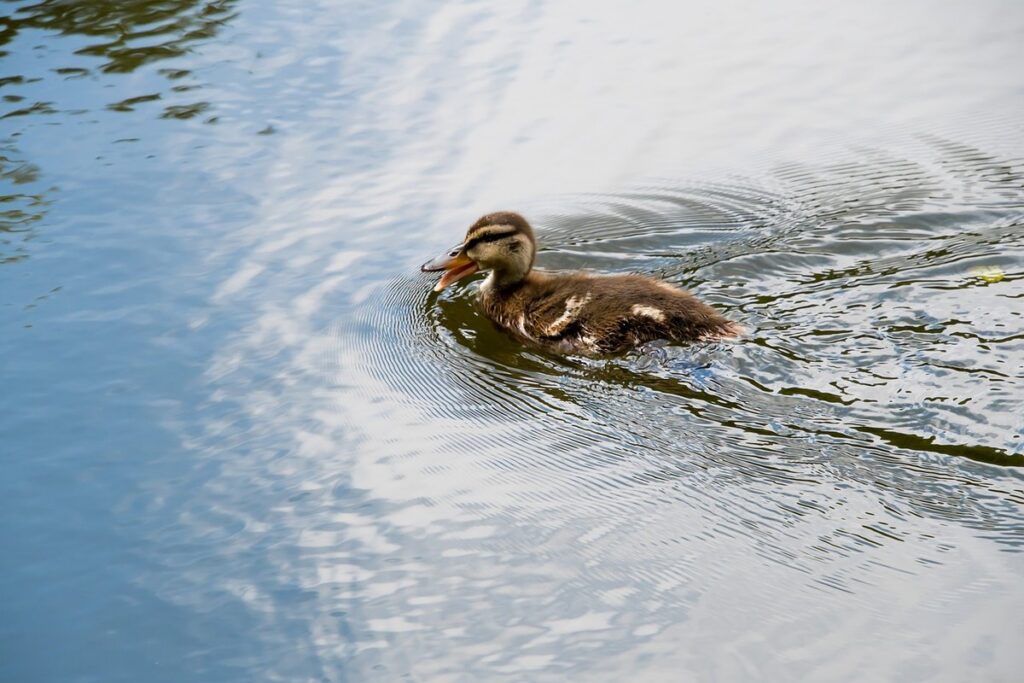
To effectively repel ducks, it’s essential to understand their behavior and body language, which can often be misinterpreted as friendly. Recognizing these signs will help you stay one step ahead of these feathered visitors.
Why Do Ducks Become a Nuisance?
When ducks become a nuisance, it’s often because they’re attracted to residential areas for food and water. Their droppings can leave unsightly stains on lawns and gardens, while their quacking can be a persistent disturbance to neighbors. Property damage is another common issue, as ducks may dig up plants or scratch at surfaces in search of insects.
In urban areas, noise complaints are frequently lodged against duck populations. A single duck can produce 50-60 decibels of sound, which is equivalent to the noise level of a vacuum cleaner. Multiply this by the number of ducks in a small pond or water feature, and it’s easy to see why residents might get frustrated.
To prevent ducks from becoming a nuisance, consider using physical barriers to block access to your property or installing netting around garden beds. Additionally, remove any food sources that might be attracting them to your area. This could include bird feeders, pet food left outdoors, or even trash cans with easily accessible contents. By taking these simple steps, you can reduce the likelihood of ducks becoming a problem in your community.
Identifying Common Duck Species in Urban Areas
When it comes to repelling ducks in urban areas, understanding which species you’re dealing with is crucial. Different duck breeds have unique habits and characteristics that can impact the effectiveness of your repellent strategies.
You’re likely to encounter Mallards, Wood Ducks, and Mergansers in urban areas. Mallards are one of the most common species, known for their grey-brown feathers and distinctive green head. They’re adaptable and often found near water sources like parks or ponds.
Wood Ducks, on the other hand, have a more vibrant plumage with iridescent colors on their heads and necks. They prefer areas with dense vegetation and are more skittish than Mallards. Mergansers, with their brightly colored bills, tend to congregate near fish-rich waters like rivers or lakes.
Recognizing these species can help you tailor your repellent approach. For example, if you’re dealing with Mallards, using noise-making devices or visual deterrents might be effective. In contrast, Wood Ducks may require more discreet methods, such as plant-based repellents or cleverly placed decoys. By understanding the behavior and characteristics of urban duck species, you can develop a targeted strategy to repel them from your area effectively.
Visual Deterrents: Repelling Ducks with Sight and Sound
When it comes to repelling ducks, using visual deterrents can be a surprisingly effective strategy. We’ll explore how sight and sound can help keep these feathered friends at bay.
Using Scarecrows to Repel Ducks
When it comes to repelling ducks with visual deterrents, scarecrows are often an overlooked yet effective solution. A well-placed scarecrow can create a convincing illusion that makes ducks think twice about landing on your property. But what makes a scarecrow truly effective?
For starters, the movement of the scarecrow is crucial. Motion-activated scarecrows or those with wind-activated flapping limbs can create a more realistic and intimidating presence. You can also add fake eyes or a menacing face to make it look like the scarecrow is watching you.
To create an effective scarecrow, use old clothes or rags to give it a tattered, worn appearance. Add some weighted objects like sandbags or rocks to keep it upright in windy conditions. Place the scarecrow near water sources or areas where ducks tend to congregate. With proper placement and design, your scarecrow can become an unlikely yet effective duck-repelling device.
Remember, combine your scarecrow with other visual deterrents like balloons, reflective tape, or mirrors for maximum effectiveness. By using a combination of sight and sound, you’ll create an environment that deters ducks from lingering around your property.
Creating Noise-Deterring Devices
If you’re looking for an alternative to traditional noise-making devices like bird-scaring cannons, sonic repellents and ultrasonic emitters might be worth considering. These devices work on the principle of emitting sound frequencies that are undetectable to humans but unpleasant for ducks.
Sonic repellents typically produce a wide range of sounds, from loud whistles to high-pitched squeaks, which can be programmed to vary in intensity and frequency. They’re often battery-powered and portable, making them easy to move around your property or set up in specific areas where duck activity is a concern. Ultrasonic emitters, on the other hand, work by emitting frequencies that are above the range of human hearing but within the sensitivity range of ducks.
When choosing between sonic repellents and ultrasonic emitters, consider the area size you need to protect and the level of noise pollution your neighbors might be willing to tolerate. For example, a small pond or garden might require a smaller, more discreet device like an ultrasonic emitter, while a larger industrial site may benefit from a louder sonic repellent that can be heard over background noise.
Environmental Modifications: Altering Your Space to Keep Ducks Away
When ducks are causing problems around your home, it’s time to think creatively about how you can alter their surroundings to keep them away. We’ll explore some effective modifications that can help deter these unwanted visitors.
Redesigning Your Garden or Yard for Duck-Repellent Features
When redesigning your garden or yard to keep ducks at bay, consider incorporating duck-repellent features that align with local wildlife-friendly design principles. This approach not only minimizes the need for chemical deterrents but also creates a thriving ecosystem.
Native plants are an excellent choice for such designs, as they have evolved alongside local wildlife, including birds and other potential duck attractants. For example, if you live in a region with a Mediterranean climate, consider incorporating plants like rosemary, lavender, or thyme into your garden bed. These herbs not only repel ducks but also provide a lovely fragrance and visual appeal.
When selecting native plants, look for species that are known to deter waterfowl. In North America, certain species of sedges, rushes, and grasses have been found to be unappealing to ducks. Incorporating these plants into your design can help create a barrier that discourages ducks from approaching your garden or yard.
Some practical tips when incorporating native plants include:
* Research local plant species and their duck-repellent properties
* Choose plants with deep roots, which make them more difficult for ducks to dig through
* Consider layering plants with different textures and growth habits to create a diverse landscape that discourages ducks
Installing Physical Barriers to Prevent Duck Access
When it comes to keeping ducks at bay, physical barriers can be an effective deterrent. Installing fencing or netting around areas you want to protect is a straightforward way to prevent duck access. The type of barrier you choose will depend on the size and type of area you’re trying to safeguard.
For smaller areas like gardens or ponds, chicken wire or hardware cloth fencing with openings of about 1 inch can be an effective solution. You’ll also need to extend the fence at least 12 inches below ground level to prevent digging. In more extensive areas like parks or golf courses, a netting system may be necessary to protect large surfaces.
When installing physical barriers, consider the height and material used. For instance, ducks are skilled jumpers, so fences should be at least 6 feet high. Also, avoid using smooth materials like wood or metal as they can make it easier for ducks to climb. Instead, opt for rough-hewn fencing that provides more grip.
By choosing the right physical barriers and installing them correctly, you can significantly reduce duck activity in your protected areas.
Using Motion-Activated Devices: Technology for Repelling Ducks
Motion-activated devices can be a highly effective way to repel ducks from your garden, pool, or other outdoor spaces. These clever gadgets detect movement and trigger sounds or lights that scare away unwanted visitors.
Setting Up Motion-Sensing Sprinklers
Motion-activated sprinkler systems are an innovative solution for repelling ducks from specific areas. These systems work by using sensors to detect movement and automatically activate a watering system that sprays water over the area, creating a sudden and unexpected disturbance.
To set up a motion-sensing sprinkler system, start by choosing the right location – typically near the area where you want to deter the ducks. Next, install the sprinkler head at a height of about 6-8 feet above ground level. Be sure to adjust the spray pattern and water pressure according to your specific needs.
When selecting a motion-sensing sprinkler system, look for one that is specifically designed for outdoor use and has a wide coverage area (at least 40 feet in diameter). Some popular models come equipped with adjustable sensitivity settings, allowing you to fine-tune the detection range. By following these steps, you can effectively utilize motion-activated sprinklers as a deterrent against ducks.
Keep in mind that while these systems are effective for deterring ducks, they may not be suitable for large areas or long-term use. Consider supplementing with other repelling methods for comprehensive results.
Other Types of Motion-Activated Devices
If cameras and sprinkler systems aren’t enough to deter the ducks, there are other types of motion-activated devices that can be effective in repelling them. These devices work on the same principle as the ones mentioned earlier: they detect movement and trigger a response to scare away the birds.
Motion-activated alarms or ultrasonic repellent devices are great alternatives to consider. These devices emit high-frequency sounds undetectable to humans but unpleasant for ducks, causing them to flee the area. Some models even come equipped with flashing lights that can startle the birds further.
Other options include motion-sensitive sprinkler timers and in-ground irrigation controllers. These systems can be programmed to activate at specific times of day or in response to movement detection, creating an unpredictable environment for the ducks to try and navigate.
When choosing a motion-activated device, consider factors like coverage area, sensitivity settings, and ease of installation. By selecting the right device for your needs and setting it up correctly, you can effectively deter ducks from visiting your property.
Non-Toxic Repellents: Using Chemical-Free Methods to Keep Ducks Away
If you’re looking for a chemical-free solution to keep ducks away, we’ve got you covered. This section explores non-toxic repellent methods that are effective and safe for your garden.
Homemade Duck Repellent Recipes
When it comes to keeping ducks away from your garden, lawn, or other areas, you don’t have to rely on chemical-based repellents that can harm the environment and human health. One effective alternative is creating homemade duck repellent recipes using common household ingredients.
Here are three simple recipes to get you started:
* Recipe 1: Hot Pepper Spray – Mix 2-3 tablespoons of hot sauce (like Tabasco) with 1 quart of water in a spray bottle. The capsaicin in the hot sauce will deter ducks without harming them. Spray the solution directly on plants or areas where ducks frequent.
* Recipe 2: Vinegar and Water Solution – Combine equal parts white vinegar and water in a spray bottle. The acidity in the vinegar will help keep ducks away. Spray the solution regularly to maintain its effectiveness.
* Recipe 3: Citrus and Cayenne Spray – Mix 1 tablespoon of citrus essential oil (like lemon or orange) with 1 teaspoon of cayenne pepper and 1 quart of water in a spray bottle. The strong scent and heat from the citrus and cayenne will repel ducks.
Remember to reapply these repellents regularly, especially after rain showers when the solution may wash away.
Commercial Duck Repellents: A Review of Available Options
When it comes to commercial duck repellents, there are numerous options available on the market. However, their effectiveness and safety vary greatly depending on the product and its ingredients. Some popular commercial duck repellents claim to use hot peppers, garlic, or citrus extracts as active ingredients. While these products may provide temporary relief from duck infestations, they often have some drawbacks.
For instance, some users have reported inconsistent results with these products, with ducks adapting quickly to their presence. Additionally, many of these repellents contain artificial fragrances and dyes that can be detrimental to the environment and human health. Furthermore, some commercial duck repellents may require repeated application, which can lead to increased costs and maintenance.
On the other hand, there are also natural and organic options available that use plant-based ingredients such as lavender oil or lemongrass essential oil. These products tend to have a more gentle effect on the environment while still providing effective deterrents against ducks. It’s essential to carefully evaluate the pros and cons of commercial duck repellents before making a purchase, considering factors such as effectiveness, safety, and environmental impact.
Community Involvement: Collaborating with Local Authorities to Manage Duck Populations
To effectively manage duck populations, it’s crucial to collaborate with local authorities and understand their role in enforcing regulations and providing resources. Let’s dive into how you can work together with your community to achieve a more balanced ecosystem.
Understanding Local Ordinances and Regulations
When it comes to managing duck populations in urban areas, understanding local laws and regulations is crucial for residents who want to keep these waterfowl at bay. In many cities, there are ordinances in place that dictate how residents can interact with ducks, including feeding, breeding, and even hunting them.
To get involved in enforcing these measures, start by attending local community meetings or joining environmental groups focused on wildlife management. Many municipalities also have online portals where you can report duck-related issues or suggest new regulations. For instance, the city of Portland has a dedicated “Wildlife Reporting Form” for residents to submit concerns about wildlife activity, including ducks.
Before taking any action, familiarize yourself with local laws and regulations regarding feeding ducks, as this is often a key issue in urban areas. In some cities, feeding ducks is strictly prohibited, while in others it’s allowed only during certain times of the year or in designated areas. By understanding these guidelines and getting involved in enforcing them, you can play a vital role in maintaining a balanced ecosystem and keeping duck populations under control.
Building Relationships with Local Animal Control Services
Building strong relationships with local animal control services is crucial when it comes to effectively managing duck populations. By establishing these connections, you’ll gain access to valuable resources and expertise that can help you tackle common issues such as overpopulation and public safety concerns.
Local animal control services often have extensive knowledge about the area’s wildlife habits, behavior patterns, and environmental factors that might be attracting ducks to your community. They may also be able to provide guidance on regulations and policies governing wildlife management in your region. By working together, you can develop a comprehensive plan to address duck-related problems.
For instance, if you’re experiencing issues with aggressive or nuisance behavior from the local waterfowl population, collaborating with animal control services can help you determine the best course of action. They might suggest non-lethal deterrents, such as noise-making devices or visual repellents, that are more humane and effective than traditional methods.
To build these relationships, start by attending community meetings or workshops where local authorities are present. Introduce yourself, explain your concerns about duck populations, and express your willingness to work together on finding solutions. Be sure to follow up with a phone call or email to continue the conversation and discuss potential collaborations.
Frequently Asked Questions
Can I use a combination of repellents to create an even more effective duck-repellent system?
You can combine visual deterrents, environmental modifications, non-toxic repellents, and motion-activated devices to create a comprehensive system for repelling ducks. For example, you could pair scarecrows with noise-deterrent balloons and use a combination of homemade and commercial repellents to keep ducks away. Just be sure to choose products that are safe for both humans and animals.
How do I know which type of motion-activated device is best suited for my specific property?
When choosing a motion-activated device, consider the size of your yard, the number of ducks you’re trying to deter, and any local regulations regarding noise levels. Sprinkler-based systems might be more effective in larger areas, while sound-emitting devices could be better suited for smaller spaces.
Can I use homemade repellents on a large scale, or are they best suited for small gardens?
While homemade duck repellent recipes can be an effective and budget-friendly option for small gardens, they may not be practical for large-scale applications. Commercial repellents might be more efficient for bigger areas, but consider combining them with other deterrents like visual scarecrows and environmental modifications.
What should I do if ducks continue to visit my property despite implementing these repelling methods?
If you’ve implemented a comprehensive duck-repellent system and still encounter persistent visitors, it may be time to collaborate with local animal control services or authorities. They can help identify potential food sources or other attractants and work with you to find a more effective solution.
How often should I reapply homemade repellents, and what are the signs that they need refreshing?
Homemade duck repellent recipes typically last for several weeks or months, depending on the ingredients and environmental factors. Signs that your homemade repellent needs refreshing include a decrease in effectiveness, an increase in duck visits, or changes in local weather conditions that might affect the formula’s potency.