
Drying mealworms can be a bit tricky, but don’t worry, we’ve got you covered. Preserving their nutritional value is crucial, especially if you’re planning to use them as a food source for your pets or incorporate them into your own diet. Unfortunately, drying mealworms incorrectly can lead to spoilage and render them useless. In this article, we’ll explore the best methods, equipment, and safety precautions for successful mealworm drying, ensuring that their nutritional value remains intact. We’ll cover everything from understanding the drying process to using specialized equipment like dehydrators or ovens. By following our guide, you’ll be able to dry mealworms correctly and safely, giving you peace of mind while also preserving these tiny creatures’ valuable nutrients for future use.
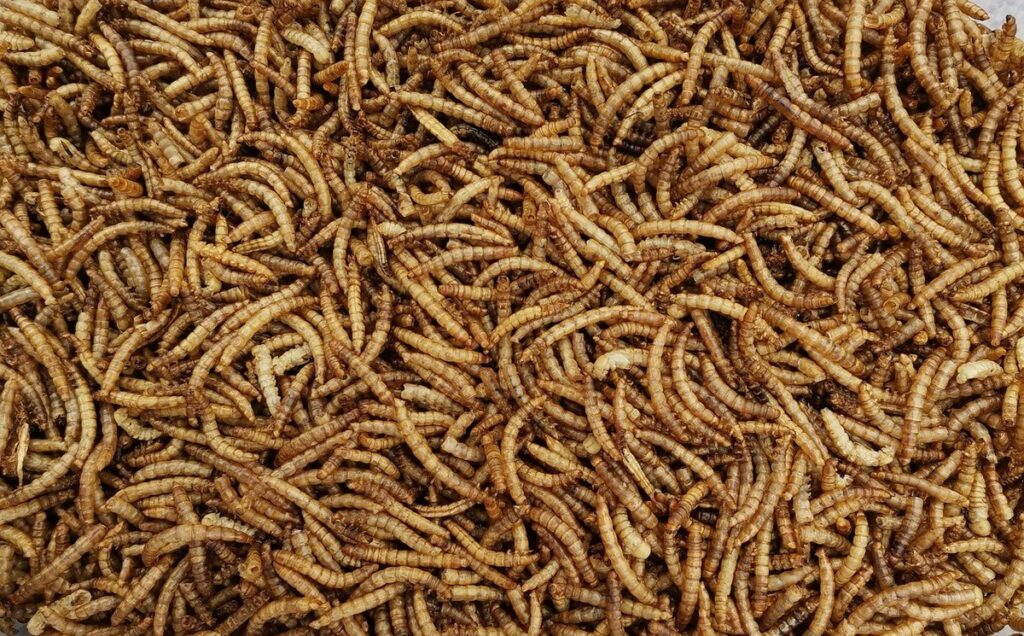
Understanding Mealworm Drying Requirements
To dry mealworms successfully, you need to understand their specific requirements, which can be easily overlooked if not properly considered. This is where things get really important for your insect-drying endeavors!
Importance of Proper Drying Methods
Proper drying methods play a critical role in preserving the nutritional value of mealworms. When left unattended, moisture can lead to spoilage and render the insects unusable as feed for pets, poultry, or even human consumption. In fact, studies have shown that even a small percentage of moisture content can cause mealworms to become susceptible to mold growth.
To prevent this from happening, it’s essential to dry mealworms thoroughly after harvesting or purchasing them. A general rule of thumb is to aim for a moisture level below 10%. This can be achieved through various drying methods, including air-drying, desiccant containers, and even using a food dehydrator.
When selecting a drying method, consider the size and quantity of mealworms you’re working with. For example, larger quantities may require specialized equipment or more extensive drying time. Regardless of the approach taken, ensuring proper moisture control is key to maintaining the nutritional integrity of your dried mealworms.
Factors Affecting Mealworm Drying Time
The drying time of mealworms can vary significantly based on several key factors. One crucial factor is the size of the mealworms themselves. Larger mealworms require longer drying times due to their higher moisture content, whereas smaller ones dry faster because they contain less water.
Another significant factor is the initial moisture content of the mealworms. Mealworms with high moisture levels will take significantly more time to dry compared to those that are already relatively dry. This highlights the importance of proper storage and handling before attempting to dry them. For example, if you’re purchasing mealworms from a supplier, ensure they have been properly stored to prevent excessive moisture buildup.
Temperature also plays a critical role in determining drying time. Higher temperatures can speed up the evaporation process, but be cautious not to overheat the mealworms, as this can cause damage or even kill them. Typically, temperatures between 130°F and 140°F (54°C to 60°C) are ideal for mealworm drying. By taking these factors into consideration, you can better estimate the time required to dry your mealworms effectively.
Choosing the Right Equipment for Mealworm Drying
When it comes to drying mealworms, having the right equipment is crucial. In this next part of our guide, we’ll cover everything you need to know about selecting the perfect gear for your setup.
Overview of Available Drying Methods
Drying mealworms requires careful consideration of the equipment used to achieve optimal results. When it comes to choosing a method for drying mealworms, you have several options available: dehydrator, oven, or air fryer.
A dehydrator is a popular choice for mealworm drying due to its controlled temperature settings and consistent airflow. This allows for precise control over the drying process, ensuring that your mealworms are dried evenly and efficiently. Dehydrators also use minimal energy and can dry large quantities at once, making them ideal for bulk drying operations.
On the other hand, using an oven is a more low-cost option, but it requires close monitoring to prevent overheating and damage to the mealworms. Oven-dried mealworms may also retain some moisture due to the lack of controlled airflow. Air fryers can be used as an alternative to ovens, offering improved temperature control and faster drying times.
When deciding which method to use, consider factors such as energy efficiency, cost, and space constraints. For small-scale operations or personal use, a dehydrator may be the most practical choice. For larger quantities or in areas with limited space, an oven or air fryer could be more suitable options.
Preparing Your Dehydrator or Oven for Mealworms
Before you start drying mealworms, it’s essential to prepare your equipment for safe and efficient operation. If using a dehydrator, ensure the trays are clean and free of any residual flavors that might affect the mealworms’ taste or texture. A good rule of thumb is to run an empty cycle with white vinegar at 135°F (57°C) to sanitize the trays.
For oven drying, preheat your oven to its lowest temperature setting (usually around 150-200°F or 65-90°C). Line a baking sheet with parchment paper or a silicone mat to prevent mealworms from sticking. You’ll also need to ensure good air circulation within the oven by leaving the door slightly ajar.
Before adding mealworms, wipe down your equipment with a clean cloth and mild soap to remove any debris or residue. This step is crucial in preventing contamination and ensuring even drying. Always refer to your dehydrator’s or oven’s user manual for specific guidelines on temperature settings and operation procedures. With proper preparation, you’ll be well on your way to successfully drying mealworms for your needs.
Preparing Mealworms for Drying
To successfully dry mealworms, it’s essential that you prepare them properly before putting them in your dehydrator or oven. This process involves several key steps to ensure optimal drying results.
Harvesting Mealworms at the Right Stage
Harvesting mealworms at the right stage is crucial for optimal quality and quantity. Typically, mealworms are harvested when they’re about 2-3 weeks old. This allows them to reach their maximum size while still being tender and juicy.
When deciding when to harvest your mealworms, look for the following signs: the mealworms will have completed three instars (stages of growth), their bodies will be plump and firm, and they’ll have a distinctive yellowish color on their heads. Harvesting too early can result in underdeveloped mealworms that are small and fragile.
On the other hand, waiting too long can lead to over-maturity, causing mealworms to become dry, brittle, and difficult to dry properly. If you’re unsure when to harvest your mealworms, a good rule of thumb is to check them daily and be prepared to harvest within 24-48 hours.
Remember, timing is everything when it comes to harvesting mealworms for drying. By following these guidelines and observing the mealworms’ development closely, you can ensure a bountiful harvest that’s perfect for drying.
Cleaning and Sorting Mealworms Before Drying
Before you start drying your mealworms, it’s essential to clean and sort them thoroughly. This step is crucial in ensuring that your dried mealworms are free from debris, contaminants, and any potential health hazards.
To begin with, separate the live mealworms from their food source and transfer them to a container filled with fresh, filtered water. Allow them to soak for about 30 minutes to an hour, which will help loosen any dirt or debris clinging to their bodies. Use a fine-mesh strainer or cheesecloth to gently remove the mealworms from the water and transfer them to a clean container.
Next, sort through the mealworms and eliminate any that are dead, damaged, or of poor quality. This is crucial because these insects can spoil the entire batch during the drying process. It’s also a good idea to separate the mealworms by size, as this will ensure even drying times. By taking the time to clean and sort your mealworms before drying, you’ll end up with high-quality dried mealworms that are safe for consumption.
The Drying Process: Step-by-Step Instructions
Now that you’ve selected a drying method, it’s time to follow our step-by-step guide on how to dry mealworms safely and effectively.
Initial Preparation and Temperature Settings
Before you begin drying your mealworms, it’s essential to set up your equipment correctly and establish initial temperature settings. Start by selecting a suitable drying method – either using a food dehydrator, oven, or desiccant container. If using a food dehydrator, ensure it’s specifically designed for drying insects, as some models may have temperature limitations.
For the initial temperature setting, aim for 135°F (57°C) to 140°F (60°C). This range helps prevent overheating and promotes even drying. Monitor your mealworms closely during this stage, as they can become dehydrated quickly if exposed to excessive heat.
Next, prepare your tray or container by lining it with parchment paper or a silicone mat. Arrange the mealworms in a single layer, leaving space between each individual for air circulation. This helps prevent moisture buildup and promotes uniform drying. Now you’re ready to proceed with the next steps of the drying process.
Monitoring Progress and Adjusting Conditions as Needed
As you dry your mealworms, it’s essential to monitor their progress and adjust conditions as needed to achieve optimal results. Check on them regularly, ideally every 30 minutes to an hour during the initial stages of drying.
To gauge progress, look for these signs: increased movement, reduced stickiness, and a slightly firmer texture. If you notice mealworms are not drying evenly or at the desired rate, adjust the temperature, air circulation, or humidity level accordingly. For instance, if it’s too humid, consider using a dehumidifier to speed up the process.
Remember that every batch of mealworms is unique, so be prepared to fine-tune conditions based on their specific needs. If you notice any mold, fungus, or pests, take immediate action to address these issues and prevent them from affecting the rest of the batch. By monitoring progress closely and making necessary adjustments, you’ll ensure your dried mealworms are of high quality and safe for consumption by your reptiles or other pets.
Safety Precautions When Handling Mealworms
When handling mealworms, it’s essential to exercise caution and follow proper safety procedures to avoid any potential risks or allergic reactions. We’ll walk you through these critical precautions.
Preventing Cross-Contamination and Pests
When handling mealworms for drying, it’s essential to maintain cleanliness and prevent cross-contamination. This is especially crucial when working with a large quantity of mealworms. Always start by cleaning the area where you’ll be handling the mealworms. Remove any debris or dust from the surface, and wash your hands thoroughly before beginning.
To prevent cross-contamination, ensure that all equipment and storage containers are sanitized regularly. Use a mixture of water and vinegar to wipe down surfaces, and let them air dry before use. Label storage containers clearly to avoid confusion and maintain organization.
Preventing pests is also vital when handling mealworms. Store them in sealed containers with mesh or gauze covers to allow for airflow while keeping insects out. Keep the area free from moisture, as this can attract pests. Additionally, inspect your mealworms regularly for signs of infestation, such as mold growth or live insects on the surface. By following these steps, you’ll minimize the risk of cross-contamination and pest attraction during the drying process.
Personal Protective Equipment (PPE) for Safe Handling
When handling mealworms, it’s essential to wear Personal Protective Equipment (PPE) to minimize health risks. Mealworms, despite being a nutritious and safe food source for animals, can still pose a risk of infection if not handled properly. The primary concern is the potential for skin punctures or cuts while handling these insects.
Wearing gloves is crucial when handling mealworms, as it prevents direct contact with their exoskeleton, which may contain bacteria like Salmonella and E. coli. You should opt for disposable gloves made of nitrile or latex to ensure a snug fit and prevent any skin irritation. It’s also vital to maintain good hygiene practices by washing your hands thoroughly after handling mealworms.
To further minimize the risk of infection, consider wearing long sleeves and pants when handling mealworms. This will protect you from any potential bug bites or stings. By taking these simple precautions, you can ensure a safe handling experience and enjoy drying your mealworms without worrying about health risks.
Storage and Preservation of Dried Mealworms
Now that you’ve dried your mealworms, it’s crucial to store them properly to maintain their quality and shelf life. Proper storage will keep your dried mealworms fresh for an extended period.
Airtight Containers for Long-Term Storage
To maintain the quality and freshness of dried mealworms for an extended period, it’s essential to store them properly in airtight containers. You’ll need to select containers that are specifically designed for storing dry goods, such as glass jars with tight-fitting lids or plastic containers with secure snap-on tops.
When choosing a container, consider the size and material. For small batches of dried mealworms, a 1-quart jar is ideal. However, if you plan on storing larger quantities, opt for a container that can accommodate at least 2 pounds of dry goods.
Before filling the container, make sure it’s clean and dry to prevent contamination or moisture accumulation. Fill the container in small batches and leave about an inch of space between each layer to allow for air circulation. Seal the lid tightly and store the container in a cool, dark place such as a pantry or cupboard.
Factors Affecting Shelf Life and Quality
When it comes to storing dried mealworms, several factors can impact their shelf life and quality. One of the most critical considerations is storage conditions. Dried mealworms should be stored in airtight containers to maintain freshness and prevent moisture from seeping in. It’s essential to choose containers made of food-grade materials, such as glass or BPA-free plastic, to ensure they don’t leach chemicals into the mealworms.
Another crucial factor is handling. Mealworms can be prone to breakage and damage during storage, which can lead to a decrease in quality. To minimize handling stress, store dried mealworms in a cool, dry place away from direct sunlight. Avoid storing them near heat sources or in humid environments. Proper labeling and organization of the containers will also help prevent contamination and make it easier to monitor their condition.
Proper storage and handling can significantly extend the shelf life of dried mealworms. If stored correctly, they can last for up to 6 months without losing their nutritional value or texture. Regularly inspect your stored mealworms for signs of spoilage, such as mold or a musty smell, and replace them if necessary.
Frequently Asked Questions
Can I dry mealworms without any specialized equipment?
Yes, while specialized equipment like dehydrators or ovens can speed up the process, you can also dry mealworms using a low-temperature oven or even an air-tight container with silica gel. However, this method may require more time and attention to ensure proper drying.
What’s the ideal temperature for drying mealworms in a dehydrator?
The ideal temperature for drying mealworms in a dehydrator is between 135°F (57°C) and 140°F (60°C). This range helps preserve their nutritional value while preventing spoilage. It’s essential to monitor the temperature and adjust as needed to ensure optimal results.
How do I prevent cross-contamination when handling dried mealworms?
Preventing cross-contamination is crucial when working with insects, especially when sharing equipment or storing them for long periods. To minimize risks, always use clean utensils, gloves, and airtight containers for storage. Regularly sanitize your workspace and equipment to maintain a hygienic environment.
Can I dry mealworms in bulk, or should I do it in smaller batches?
While drying mealworms in bulk can save time, it’s generally recommended to process them in smaller batches (around 1-2 cups) for optimal results. This ensures even drying and helps prevent spoilage due to overcrowding. However, if you have a large quantity, consider dividing the batch into multiple sessions with proper ventilation.
How do I store dried mealworms to maintain their shelf life?
Proper storage is critical to maintaining the quality and shelf life of dried mealworms. Store them in airtight containers, such as glass jars or plastic containers with tight-fitting lids, in a cool, dry place away from direct sunlight. Regularly check on the stored insects for signs of moisture or mold, ensuring you can easily identify any potential issues before they become severe.