
If you’re anything like me, you might be curious about where your meat comes from. Maybe you’ve wondered how farm-raised ducks are cared for or if their living conditions align with your values. Or perhaps you’re simply looking to upgrade your cooking skills by trying new recipes featuring fresh duck meat. Whatever the reason, raising farmed ducks is a complex process that requires careful consideration of both sustainability and health factors. In this comprehensive guide, we’ll delve into the world of farmed duck raising, covering everything from humane treatment practices to ensuring the quality and safety of the final product. By the end of our exploration, you’ll have a deeper understanding of what it takes to raise healthy, happy ducks for food.
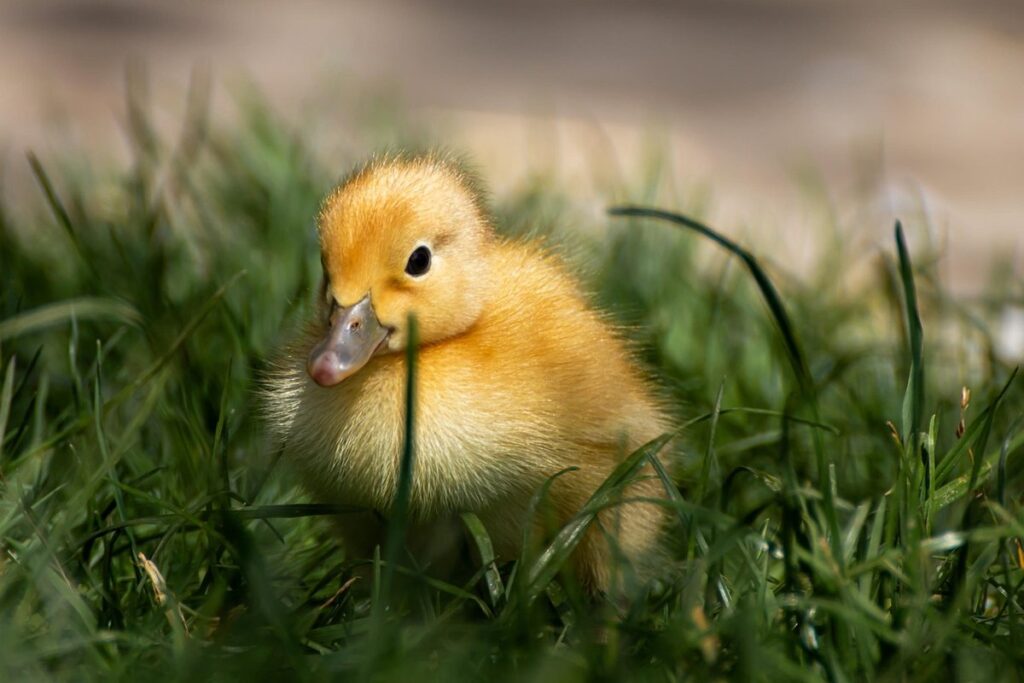
Introduction to Farmed Ducks
Farmed ducks are a staple of many commercial poultry farms, prized for their meat and eggs. Let’s take a closer look at what makes these birds so popular in modern agriculture.
Overview of Duck Farming
Duck farming has been a significant practice globally for centuries, with its roots dating back to ancient China and Egypt. Today, it is a thriving industry that provides employment and income opportunities for millions of people worldwide. The global demand for duck meat and eggs is on the rise, driven by increasing consumer awareness about the nutritional benefits and unique flavor profiles of duck products.
According to the Food and Agriculture Organization (FAO) of the United Nations, duck meat production has been growing steadily over the past few decades, with a 3% annual increase in global production. In some Asian countries, such as China and Vietnam, duck farming is a significant contributor to national GDP and food security. The rising demand for organic and free-range duck products has also led to an increase in specialty duck farms that prioritize animal welfare and environmental sustainability.
To tap into this growing market, potential duck farmers can consider starting small-scale operations with a focus on quality breeding stock, efficient feed management, and humane handling practices. By adopting modern farming techniques and marketing strategies, entrepreneurs can capitalize on the lucrative demand for duck products while contributing to local food systems and community development.
Importance of Sustainable Duck Farming
Sustainable duck farming is no longer just a nicety, but a necessity. As consumers become more environmentally conscious and socially aware, farmers are under increasing pressure to adopt practices that not only benefit their bottom line but also the planet. When it comes to farmed ducks, sustainable practices have a direct impact on three critical areas: environmental considerations, animal welfare, and food safety.
From an environmental perspective, duck farming can be a significant contributor to greenhouse gas emissions, water pollution, and land degradation if not done sustainably. For instance, intensive farming methods can lead to nutrient runoff into nearby water sources, harming aquatic life. On the other hand, sustainable practices like rotational grazing and crop rotation can mitigate these risks. Moreover, ducks are natural foragers, so providing them with access to diverse habitats and foraging areas can enhance their overall health.
In terms of animal welfare, sustainable farming prioritizes duck comfort and well-being above all else. This includes providing adequate space, clean water, and nutritious feed. When ducks are treated humanely and kept in stress-free environments, they’re less likely to develop health issues or exhibit behavioral problems. As a result, farmers enjoy higher-quality products with better flavor profiles and texture.
When it comes to food safety, sustainable farming practices significantly reduce the risk of contamination. For example, using natural pest control methods instead of chemicals can minimize the presence of pesticides in duck meat. Furthermore, proper manure management helps prevent waterborne diseases that can affect both humans and ducks alike.
Types of Farmed Ducks
When it comes to farmed ducks, there are several breeds you might consider raising on your farm, each with its own unique characteristics and advantages.
These include popular varieties like Khaki Campbells and Muscovy ducks, as well as heritage breeds like Wood Ducks.
Common Breeds Used in Duck Farming
When it comes to commercial duck farming, several breeds are favored for their unique characteristics and advantages. One of the most popular breeds is the Khaki Campbell, known for its high egg production and gentle nature. These ducks are often used in backyard farms due to their easy-going temperament and adaptability to different environments.
Another breed commonly used in duck farming is the Muscovy. Recognizable by their red or black plumage, Muscovies are prized for their meat quality and resistance to certain diseases. However, they can be more aggressive than other breeds, making them less suitable for smaller farms or those with inexperienced handlers.
The Pekin duck is also a widely used breed in commercial farming due to its fast growth rate and high-yielding breast meat. While Pekins have a reputation for being leaner and healthier compared to some other breeds, they require specialized care to ensure optimal health.
Ultimately, the choice of breed will depend on your specific needs and goals as a duck farmer. Researching different breeds and considering factors such as climate, available space, and desired product will help you make an informed decision.
Heritage and Specialty Duck Breeds
Heritage duck breeds are making a comeback, and for good reason. Their unique flavors and textures are winning over chefs and foodies alike. These specialty ducks have been around for centuries, but modern breeding programs are bringing them back to the forefront of the industry.
Breeding programs for heritage duck breeds like Muscovy, Wood, and Khaki Campbell are underway in many countries. These programs focus on preserving the breed’s original characteristics while also improving their growth rates and disease resistance. For example, some farmers are using cross-breeding techniques to combine the hardiness of Muscovy ducks with the rich flavor of Khaki Campbells.
Market potential is high for heritage duck breeds, especially in upscale restaurants and specialty food stores. Consumers are willing to pay a premium for products that offer unique flavors and experiences. If you’re considering farming heritage duck breeds, start by researching local market demand and identifying potential buyers. Build relationships with chefs and foodies to understand their needs and preferences. With the right breeding program and marketing strategy, heritage duck breeds can be a profitable addition to your farm.
Nutrition and Feeding Practices
When it comes to raising healthy ducks, their diet is crucial for optimal growth and egg production. We’ll explore the best nutrition practices and feeding methods for your farmed ducks in this section.
Nutritional Requirements of Farmed Ducks
Farmed ducks have unique nutritional requirements that must be met to ensure their health and productivity. A balanced diet is essential for maintaining optimal egg production, growth rate, and overall well-being of the birds.
Ducks require a diet rich in protein, which should account for approximately 15-18% of their total daily energy intake. Energy needs vary depending on factors such as age, sex, and activity level, but a general guideline is to provide 100-120 kcal/kg body weight per day. Vitamin and mineral supplements are also crucial, particularly vitamin A, D, E, and K, as well as calcium and phosphorus for strong bone development.
A common mistake many duck farmers make is over-relying on commercial feed, which may not meet the birds’ specific requirements. To ensure a balanced diet, consider incorporating a mix of grains such as oats, barley, and wheat, along with protein sources like soybeans or sunflower seeds. Fresh vegetables and fruits can also be added to provide essential vitamins and fiber.
It’s also worth noting that some duck farms have successfully implemented rotational grazing systems, where birds are allowed to forage on pastureland during the day before returning to their enclosures at night. This approach not only provides a natural source of nutrition but also reduces reliance on commercial feed and promotes more sustainable farming practices.
Feeding Strategies for Different Duck Breeds
When it comes to feeding your farmed ducks, understanding their specific breed requirements is crucial. Different duck breeds have unique nutritional needs that can significantly impact their growth rate, egg production, and overall health. For instance, Muscovy ducks are native to South America and require a higher protein diet compared to other breeds. They thrive on starter diets rich in 22% protein, making them an ideal choice for farmers looking to produce high-quality meat.
When transitioning your ducklings from starter feed to grower feed, it’s essential to ensure a smooth transition period of about two weeks. This involves gradually introducing the new feed while maintaining access to their old starter diet. This process helps prevent digestive upset and ensures they adjust to the new nutrient profile.
In some cultures, farmers adopt traditional feeding practices that incorporate locally sourced ingredients. For example, incorporating fermented corn or rice bran into their diets can provide essential nutrients and promote gut health. By embracing these cultural influences, you can create a more sustainable and unique feeding strategy tailored to your farm’s needs.
Health Considerations and Biosecurity Measures
When caring for a flock of farmed ducks, it’s crucial to consider their health and take necessary biosecurity measures to prevent disease outbreaks and maintain a thriving operation. This section will guide you through essential practices.
Common Health Issues Affecting Farmed Ducks
Farmed ducks can be susceptible to various health issues that impact their welfare and productivity. One of the most significant concerns is the presence of diseases such as avian influenza, salmonella, and E. coli. These pathogens can cause respiratory problems, diarrhea, and even death if left unchecked.
Parasites like mites, ticks, and lice can also infest farmed ducks, leading to skin irritation, anemia, and weight loss. Nutritional disorders are another critical issue, often caused by inadequate or unbalanced diets. For instance, a lack of vitamin D3 can lead to rickets in ducklings, while excessive protein consumption can cause kidney damage.
Symptoms of these health issues may include labored breathing, lethargy, feather pecking, and abnormal droppings. It’s essential for farmers to recognize the warning signs early on and implement biosecurity measures to prevent the spread of disease. Regular vaccinations, sanitation practices, and monitoring of water quality can all contribute to maintaining a healthy flock. By being proactive about duck health, farmers can minimize losses and ensure their birds thrive.
Implementing Biosecurity Measures on Duck Farms
Implementing effective biosecurity measures on duck farms is crucial to preventing disease outbreaks and maintaining flock health. To start, it’s essential to develop a sanitation protocol that includes regular cleaning and disinfection of coops, feeding areas, and water systems. This can be achieved by using a combination of physical barriers, such as plastic sheets or tarps, and chemical disinfectants.
Vaccination programs are another critical component of biosecurity measures on duck farms. Consult with a veterinarian to determine the best vaccination schedule for your flock, taking into account factors like breed, age, and health status. Additionally, ensure that all personnel handling ducks wear personal protective equipment (PPE) such as gloves, masks, and eye protection.
Regular monitoring and record-keeping are also vital in detecting early signs of disease and preventing outbreaks. This includes tracking temperature fluctuations, observing changes in behavior or appetite, and conducting regular inspections of the flock’s overall health.
Environmental Impact and Sustainability
When it comes to farming ducks, understanding their environmental impact is crucial. Let’s dive into how duck farming affects ecosystems and what steps can be taken to make it more sustainable.
Greenhouse Gas Emissions from Duck Farming
Duck farming has both positive and negative environmental implications. One of the significant concerns is the release of greenhouse gas emissions from duck farms. These gases primarily consist of methane (CH4) and nitrous oxide (N2O), which contribute to climate change when released into the atmosphere.
Methane, in particular, is a potent greenhouse gas with a global warming potential 28 times higher than that of carbon dioxide over a 100-year time frame. Duck farms emit significant amounts of methane through various processes: manure decomposition, respiration by ducks and microorganisms, and feed digestion. According to the FAO (Food and Agriculture Organization), the livestock sector is responsible for around 14.5% of global greenhouse gas emissions.
To mitigate these effects, farmers can adopt several strategies. Firstly, implementing efficient manure management practices can significantly reduce methane emissions. This might include composting or using anaerobic digesters to capture biogas produced during decomposition. Additionally, optimizing feed formulations and improving nutritional efficiency can minimize the amount of feed required, which in turn reduces greenhouse gas emissions associated with feed production.
Duck farmers should also prioritize renewable energy sources, such as solar power or wind turbines, to reduce reliance on non-renewable fuels and lower overall carbon footprint. Some farms have successfully integrated these solutions into their operations, resulting in notable reductions in greenhouse gas emissions and operating costs.
Regenerative Agriculture Practices in Duck Farming
Regenerative agriculture practices are gaining traction globally as a more sustainable and environmentally-friendly approach to farming. When applied to duck farming, these methods can have numerous benefits for both the farm and the environment. One key aspect of regenerative agriculture is promoting soil health through the use of cover crops, crop rotation, and minimizing synthetic fertilizers.
By adopting these practices, duck farmers can improve soil structure, increase fertility, and enhance biodiversity. For example, planting cover crops like clover or rye between rows of ducks can help reduce erosion, suppress weeds, and attract beneficial insects. This approach also allows for more efficient use of resources, as the cover crops can be incorporated into the soil or used as animal feed.
Moreover, regenerative agriculture practices prioritize ecosystem services, such as pollination and pest control, which can lead to reduced pesticide use and lower production costs. Additionally, these methods often involve integrating ducks with other livestock species, promoting synergies between different farming operations.
Best Practices and Regulations for Farmed Ducks
To ensure the well-being of your farmed ducks, it’s essential to follow best practices that prioritize their health and safety. Familiarize yourself with local regulations to avoid any compliance issues.
Animal Welfare Standards and Codes of Practice
Animal welfare standards and codes of practice are essential components of responsible duck farming. In many countries, including the United States, Europe, and Australia, there are regulations that dictate minimum animal welfare requirements for ducks raised on farms. For instance, the USDA’s Animal Welfare Act sets standards for providing adequate space, shelter, and sanitation for farmed animals.
Certification schemes and labels, such as Organic or Free Range, play a crucial role in promoting humane treatment of ducks. These programs require farmers to meet strict animal welfare standards, including access to outdoor areas, proper ventilation, and minimal use of antibiotics. For example, the UK’s Soil Association certification scheme ensures that farmed ducks have access to natural light and fresh air.
When choosing a duck farm or purchasing duck products, look for these certifications to ensure you’re supporting farms that prioritize animal welfare. As a consumer, you can also promote better treatment by advocating for stricter regulations and more transparent labeling practices. By supporting responsible duck farming practices, we can contribute to the well-being of millions of ducks raised on farms worldwide.
Regulatory Requirements for Duck Farms
As a duck farm owner, it’s essential to familiarize yourself with the regulatory requirements that govern the industry. Licensing and permitting are crucial steps in establishing a successful duck farming operation.
To start, you’ll need to obtain necessary permits from local authorities. These may include permits for water usage, air quality, or waste management. The specific requirements will vary depending on your location, so it’s vital to research the regulations governing your area.
In addition to licensing and permitting, duck farms must also comply with environmental regulations. This includes implementing measures to prevent water pollution, maintaining adequate biosecurity standards, and adhering to animal welfare guidelines.
Some countries have enacted laws specifically regulating duck farming practices. For example, in Europe, the EU’s Animal Health Law sets out minimum requirements for farm hygiene, biosecurity, and animal health management.
To stay compliant with regulations, it’s recommended that you consult with local authorities and industry experts. This will help you navigate the complex web of rules and ensure your farm meets all necessary standards.
Conclusion: The Future of Farmed Ducks
As we conclude our exploration of the benefits and challenges of farming ducks, it’s essential to consider the future of this industry. With rising demand for sustainable protein sources and concerns about animal welfare, farmed duck production is poised to undergo significant changes. To remain competitive, farmers will need to prioritize innovation and adaptability, incorporating new technologies and practices that enhance efficiency and reduce environmental impact.
One promising area of development is vertical farming, which allows for higher yields in smaller spaces while minimizing land use and waste. Another key trend is the adoption of free-range and organic production methods, which cater to growing consumer demand for more humane and environmentally friendly options. By embracing these changes, farmers can not only meet the needs of a changing market but also contribute to a more sustainable food system.
Frequently Asked Questions
What’s the best way to ensure humane treatment practices on my duck farm?
When implementing animal welfare standards, it’s essential to establish clear guidelines for staff. This includes proper training on handling ducks gently and safely, as well as regular checks on living conditions to prevent overcrowding and stress. You can also consider consulting with industry experts or joining a poultry association for best practice advice.
How can I determine the nutritional requirements of my farmed duck breed?
The nutritional needs of your ducks will depend on factors like age, size, and breeding type. Consult reputable sources such as the National Research Council (NRC) or the Poultry Science Association for guidelines specific to your breed. Additionally, work with a qualified nutritionist to create a tailored feeding plan that balances growth, health, and productivity.
What are some common health issues affecting farmed ducks?
Common health concerns include respiratory problems, bacterial infections, and parasites. Regular biosecurity measures, such as proper sanitation, vaccination programs, and monitoring for signs of disease, can help mitigate these risks. Staying up-to-date on the latest research and guidelines from organizations like the World Organisation for Animal Health (OIE) is also crucial.
How do I measure the environmental impact of my duck farm?
Greenhouse gas emissions, water usage, and waste management are key areas to focus on when assessing your farm’s sustainability. Consider using tools or consulting with experts who specialize in measuring and mitigating these impacts. You can also explore regenerative agriculture practices that promote soil health, biodiversity, and ecosystem services.
Can I raise heritage ducks for small-scale farming?
Yes, many farmers successfully raise heritage duck breeds on smaller scales for both meat and egg production. These birds often have distinct characteristics and require tailored care and management. Be prepared to invest time in researching specific needs and developing a customized plan that suits your resources and goals.