
Are you fascinated by waterfowl and want to learn more about one of the most majestic birds out there? Look no further than the incredible drake duck! These beautiful creatures are known for their striking appearance, impressive size, and unique characteristics that set them apart from other ducks. But did you know that drake ducks require specific habitats and diets to thrive in the wild, or that their breeding habits play a crucial role in maintaining healthy populations? Unfortunately, many drake duck species face conservation challenges due to habitat loss, hunting, and climate change. In this comprehensive guide, we’ll delve into the world of drake ducks, covering their characteristics, habitat, diet, breeding habits, conservation status, and even provide tips on how to domesticate them successfully. Whether you’re a seasoned birdwatcher or just starting out, this article has something for everyone!
What are Drake Ducks?
So, you’re wondering what a drake duck is and how it differs from other ducks? In this section, we’ll break down the basics of these unique waterfowl.
Characteristics of Male Ducks
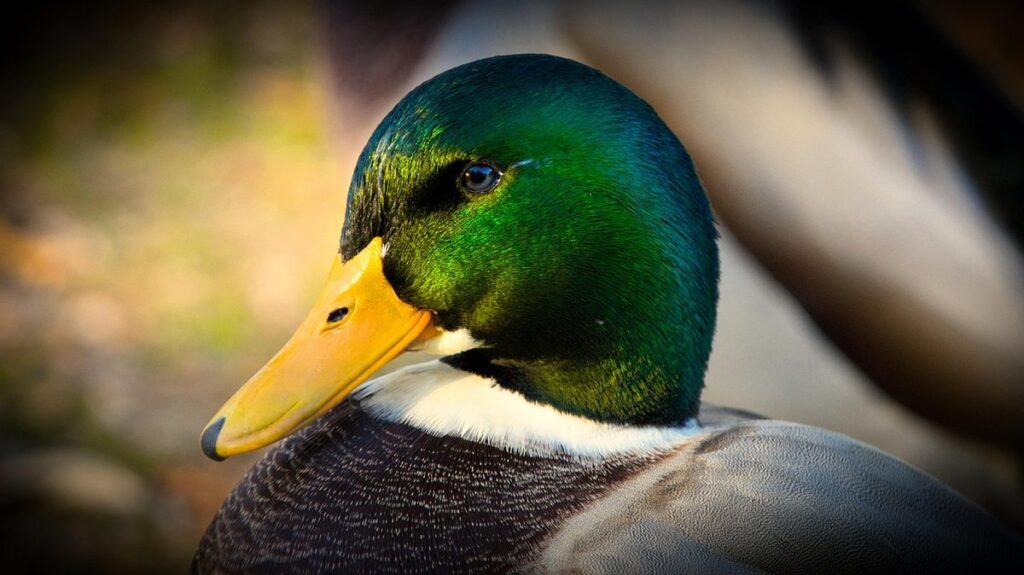
Male ducks, also known as drakes, have several distinct physical characteristics that set them apart from other types of ducks. One of the most noticeable differences is their vibrant plumage. Drakes are known for their bright colors and intricate patterns, which serve as a visual display to attract mates during breeding season.
When it comes to size, drakes tend to be slightly larger than females (ducks). They also have longer necks, with some species reaching up to 10 inches in length. This extended neck is an adaptation that allows them to swim and forage more efficiently.
In terms of head shape, drakes typically have a narrower, more pointed bill compared to female ducks. Their eyes are usually a bright orange or yellow color, which adds to their striking appearance.
It’s worth noting that some species of drakes can exhibit significant variation in size and plumage depending on factors such as age, diet, and overall health. However, these general characteristics provide a good starting point for identifying male ducks.
Difference between Drakes and Other Male Waterfowl
Drake ducks can be easily confused with other male waterfowl species due to their similar plumage and behavior. However, there are several key characteristics that set them apart from others. One of the most distinctive features is their bright green or blue speculum feathers on their wings, which are usually visible when they spread their wings.
Another way to tell a drake duck apart is by its head shape and bill coloration. Males have a more rounded head with a brighter orange-yellow bill, whereas other male waterfowl species tend to have a longer, thinner bill. The drake’s body size also varies between breeds, but they generally weigh between 2-3 pounds (0.9-1.4 kg) and reach lengths of 20-25 inches (51-63 cm).
If you’re trying to identify a male duck in the wild or at a park, pay attention to its overall shape and size, as well as the coloration of its bill and speculum feathers. With practice, you’ll become an expert at distinguishing drake ducks from other male waterfowl species.
Habitat and Distribution of Drake Ducks
Drake ducks are found in various habitats worldwide, including wetlands, grasslands, and even urban areas. Let’s explore where these amazing birds call home and how their environments shape their behavior.
Natural Habitats of Drake Ducks
Drake ducks are found in various natural habitats worldwide, with a preference for wetland environments. These birds thrive in areas where water is abundant, and vegetation is lush. Wetlands, including marshes, swamps, and bogs, provide the perfect environment for drake ducks to roam and forage.
In North America, you can find drake ducks inhabiting lakes, rivers, and coastal wetlands. For instance, the American duck (Anas platyrhynchos) is commonly spotted in shallow waters of Lake Michigan and other Great Lakes. Similarly, in Europe, the mallard (Anas platyrhynchos) is a common sight in wetlands along rivers like the Rhine and Danube.
When foraging, drake ducks typically stay within 1-5 kilometers from their primary habitat. They feed on aquatic plants, insects, small crustaceans, and even tiny fish. To attract these birds to your yard or a nearby park, create a pond or pool with shallow water and surround it with vegetation. Add some floating plants and rocks for them to perch on, and you’ll be well on your way to creating a drake duck-friendly habitat.
Adaptation to Human-Modified Environments
Drake ducks have successfully adapted to living in human-modified environments such as urban parks and agricultural areas. This is evident from their ability to thrive in these ecosystems despite being introduced as an invasive species.
One key adaptation of drake ducks is their ability to exploit novel food sources. In agricultural areas, they feed on grains, fruits, and vegetables that are cultivated by humans. For instance, they have been known to forage for corn and wheat in fields and gardens. In urban parks, they scavenge for bread and other human-provided food. This dietary flexibility allows them to coexist with humans and exploit the abundant resources available in these environments.
As drake ducks continue to adapt to human-modified habitats, it’s essential for property owners and managers to implement strategies that mitigate their impact on local ecosystems. These may include installing bird-proofing measures such as netting or mesh around gardens and crops, or providing alternative food sources that are less likely to attract drake ducks.
Diet and Foraging Habits of Drake Ducks
When it comes to keeping your drake ducks happy and healthy, understanding their dietary needs is crucial. Let’s dive into what they typically eat in the wild and how you can replicate that at home.
Omnivorous Nature of Drake Ducks
One of the most fascinating aspects of drake ducks is their omnivorous nature. These birds will eat just about anything they can get their beaks on! In fact, studies have shown that drake ducks have a diverse diet consisting of over 50 different plant species, including aquatic plants, grasses, and grains.
But it’s not all plants and seeds – drake ducks also love to snack on insects like mosquitoes, snails, and even small crustaceans. They’ve been known to feed on frogs, fish, and even tiny mammals like mice! This adaptability is key to their success in a wide range of habitats.
If you’re raising drake ducks, it’s essential to provide them with a varied diet that reflects their natural foraging habits. Offer a mix of fresh vegetables, fruits, and grains, as well as occasional treats like mealworms or crickets. This will help keep your birds healthy and happy.
Unique Foraging Behaviors of Drake Ducks
Drake ducks are known for their unique foraging behaviors, which set them apart from other waterfowl. One of the most distinctive characteristics of drake ducks is their ability to dive and dabble in search of food. While they can be seen swimming on the surface, they also have no problem submerging themselves underwater to feed on aquatic plants, insects, and small crustaceans.
In fact, studies have shown that drakes are able to hold their breath for up to 15 seconds while foraging underwater, allowing them to retrieve food from depths of up to 6 feet. This remarkable adaptation is made possible by the duck’s streamlined body and powerful chest muscles, which enable them to propel themselves quickly through the water.
As a responsible drake owner, it’s essential to understand and replicate these natural foraging behaviors in your pet’s environment. By providing a pond or pool with adequate depth and allowing your drake access to submerged vegetation, you can encourage their natural foraging instincts. This will not only keep them entertained but also ensure they receive the nutrients they need to thrive.
Breeding and Reproduction of Drake Ducks
When it comes to raising healthy drake ducks, understanding their breeding and reproduction habits is crucial for successful duck-keeping. Let’s dive into the ins and outs of how these amazing birds multiply.
Courtship Rituals and Pair Bonding
Drake ducks are renowned for their elaborate courtship rituals and pair bonding behaviors. These displays serve as an essential part of their mating process, allowing them to establish a strong bond with their partner. The complex interactions between drakes often begin with a series of postures, including spreading their tails and necks, accompanied by a range of vocalizations.
During the breeding season, drake ducks will engage in specific behaviors to demonstrate their suitability as mates. This may include performing elaborate displays of aggression, such as chasing or threatening other males, while also showcasing their plumage and displaying vibrant colors. Successful pair bonds are often established through repeated interactions between individuals, allowing them to assess each other’s compatibility.
Drakes that fail to establish a successful bond will often shift their attention towards other potential partners. As such, it is essential for breeders and owners of drake ducks to provide ample opportunities for these birds to engage in natural behavior, including suitable habitats and social interaction with other ducks.
Nesting and Incubation Habits
When it comes to breeding drake ducks, understanding their nesting and incubation habits is crucial for successful reproduction. Drake duck pairs are known to be devoted parents, with the female taking on most of the responsibilities.
Female drakes typically choose a safe and secluded location to build their nest, often hidden from potential predators and human disturbance. The nest itself is usually made up of twigs, grasses, and other plant material, carefully arranged to create a comfortable platform for egg-laying.
Once the female has laid her eggs, she begins the incubation process, which lasts around 28-30 days. During this time, the male will often take on a role as sentry, keeping watch for potential threats while his mate broods the eggs. In ideal conditions, drake duck pairs can successfully raise two or three clutches per year, making them one of the most prolific breeds when it comes to egg production.
To replicate these successful breeding habits in captivity, ensure that your drake ducks have a safe and sheltered area for nesting and incubation, complete with adequate ventilation and protection from predators.
Conservation Status and Threats Facing Drake Ducks
Unfortunately, drake ducks are facing several threats in the wild, including habitat loss and hunting, which affect their conservation status significantly. Let’s explore these challenges up close.
Impact of Habitat Loss and Fragmentation
Drake ducks are facing significant threats due to habitat loss and fragmentation. Human activities such as deforestation, urbanization, and agriculture have led to the destruction of their natural habitats, making it challenging for them to survive.
Deforestation is a major concern, as forests provide essential shelter, food, and breeding grounds for drake ducks. The clearance of forests for agricultural purposes has resulted in habitat loss and fragmentation, leaving drake ducks without access to their natural resources. For instance, in the Amazon rainforest, it’s estimated that over 17% of the forest cover has been lost due to deforestation.
Urbanization also poses a significant threat, as the expansion of cities leads to the destruction of habitats and displacement of wildlife. In addition, agriculture-related activities such as monoculture farming can lead to soil erosion, reducing water quality and altering ecosystems.
To mitigate these effects, it’s essential for individuals to adopt sustainable practices in their daily lives, such as choosing eco-friendly products and supporting reforestation efforts. By making conscious choices, we can help preserve the habitats of drake ducks and other wildlife species.
Other Threats to Drake Duck Populations
Climate change is having a profound impact on drake duck populations worldwide. Rising temperatures and changing precipitation patterns alter their natural habitats, making it difficult for them to find food, shelter, and suitable breeding grounds. For instance, the American Golden-Plover, a migratory bird that shares similar habitats with drake ducks, has seen a decline in its population due to altered coastal ecosystems.
Hunting is another significant threat to drake duck populations. They are often targeted for their meat, feathers, and eggs, leading to overhunting and depletion of their numbers. In some regions, such as the United States, there are specific regulations in place to protect certain waterfowl species, but enforcement can be inconsistent.
Disease is also a major concern, with avian cholera and botulism being common issues affecting drake duck populations. These diseases can spread quickly through contaminated water sources and have significant mortality rates. To mitigate these threats, it’s essential for duck owners to maintain good hygiene practices, such as cleaning their equipment regularly and ensuring that their ducks’ living conditions are clean and free from disease-causing pathogens.
By understanding the complex interplay of climate change, hunting, and disease, you can better appreciate the challenges facing drake duck populations. As a responsible duck owner or enthusiast, it’s crucial to take steps to protect these incredible birds and contribute to conservation efforts in your community.
Domestication and Care of Drake Ducks
When it comes to keeping drake ducks happy and healthy at home, understanding their specific domestication needs is crucial. This section will cover essential care tips for a thriving flock.
Raising Drake Ducks in Captivity
Raising drake ducks in captivity requires careful consideration of their specific needs. First and foremost, housing is crucial for these birds. A spacious enclosure with adequate ventilation and protection from the elements is essential. The minimum recommended space per bird is 2-3 square feet, but larger enclosures are always better. Ensure the coop is well-insulated to maintain a comfortable temperature range between 40°F to 80°F (4°C to 27°C).
A balanced diet is also vital for drake ducks’ health and well-being. Feed them a high-quality commercial duck feed as their main staple, supplemented with fresh vegetables and fruits daily. A calcium-rich diet is particularly important for growing drakes. Offer cracked corn, oats, or barley grains in moderation, but limit treats to avoid obesity.
Regular health checks are essential to detect any potential issues early on. Monitor your drake ducks’ water intake, droppings, and feather condition regularly. Keep their living environment clean by removing waste daily and disinfecting surfaces as needed. Consult a veterinarian experienced in duck care if you notice any unusual behavior or health problems.
Tips for Keeping Healthy and Happy Drake Ducks
When it comes to keeping healthy and happy drake ducks, providing them with a safe and stimulating environment is crucial. Here are some practical tips to ensure they thrive:
Start by creating a spacious enclosure that allows for adequate exercise and movement. A minimum of 2×4 feet per bird is recommended, but larger spaces are ideal. Include features such as pools or shallow water areas for swimming and playing. Provide a balanced diet rich in protein, calcium, and essential vitamins. You can supplement their commercial feed with fresh fruits, vegetables, and insects.
In addition to physical care, drake ducks also require mental stimulation. Offer a variety of toys and enrichment activities, such as puzzle feeders or scratching posts, to keep them engaged and active. Regular social interaction is also vital; spend time with your drakes daily, handling them gently and observing their behavior.
A clean and well-maintained environment is also essential for keeping your drake ducks healthy. Regularly inspect their enclosure for signs of disease or parasites and take action promptly if you notice anything unusual. By following these simple tips, you can create a happy and thriving home for your domesticated drake ducks.
Frequently Asked Questions
How can I provide a suitable habitat for drake ducks in my backyard?
To create an attractive environment, ensure your pond or pool is at least 2-3 feet deep to accommodate their diving abilities. Incorporate native aquatic plants and vegetation around the water’s edge to provide shelter and food sources. A minimum of 10 square meters of water surface area per duck is recommended. Consider adding a mudflat area for them to exercise and preen.
What are some signs that my drake ducks are under stress or threatened?
Look out for changes in their behavior, such as increased agitation, aggression, or avoidance of food sources. Monitor their physical health by checking for signs of illness, injury, or malnutrition. Be aware of potential predators, habitat degradation, and human disturbance affecting your duck population.
Can I mix drake ducks with other types of waterfowl in a single enclosure?
Yes, but it’s essential to research compatibility and ensure the species you’re introducing are peaceful and non-aggressive towards each other. Drakes can be territorial, so introduce new birds gradually and under close supervision to prevent conflicts. Keep in mind that some duck breeds may have specific needs or requirements.
How often should I clean and maintain my drake ducks’ habitat?
Regular maintenance is crucial for their health and well-being. Clean the water at least once a week by removing debris, dead plants, and waste. Inspect and repair any damaged shelters or enclosures. Regularly inspect the area around your pond or pool to prevent the spread of disease.
Are there any specific vaccinations or medical treatments required for drake ducks?
Consult with a local veterinarian experienced in caring for waterfowl to determine the best vaccination protocols and preventative measures for your region. They may recommend regular check-ups, deworming, or administering a multivitamin supplement during breeding season.